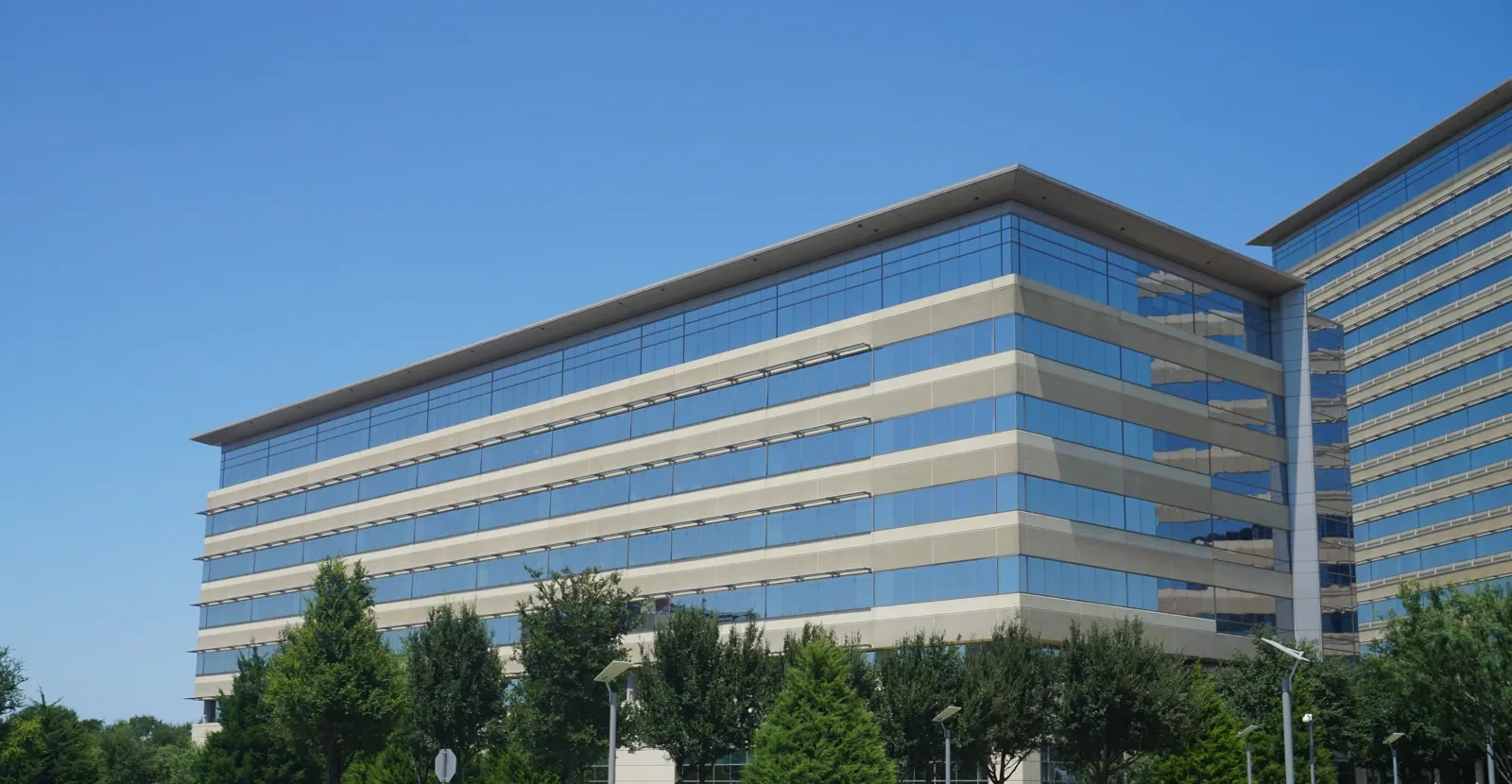
Grocery roofing has to protect refrigeration, food preparation, receiving, and customer areas while the store stays open. A roof leak can affect product handling before it reaches a visible ceiling. We inspect the assembly, drains, rooftop units, exhaust, and interior reports before pricing repair or replacement in Richardson, TX. The scope should connect each roof zone to the store operation below and state how the crew will keep product and access protected.
Request a Roof Assessment
All fields are required.
Grocery Store Roofing in Richardson, TX
Fit the Roof Work to the Store's Cold-Chain Schedule
Protect Refrigeration and Temperature-Control Areas
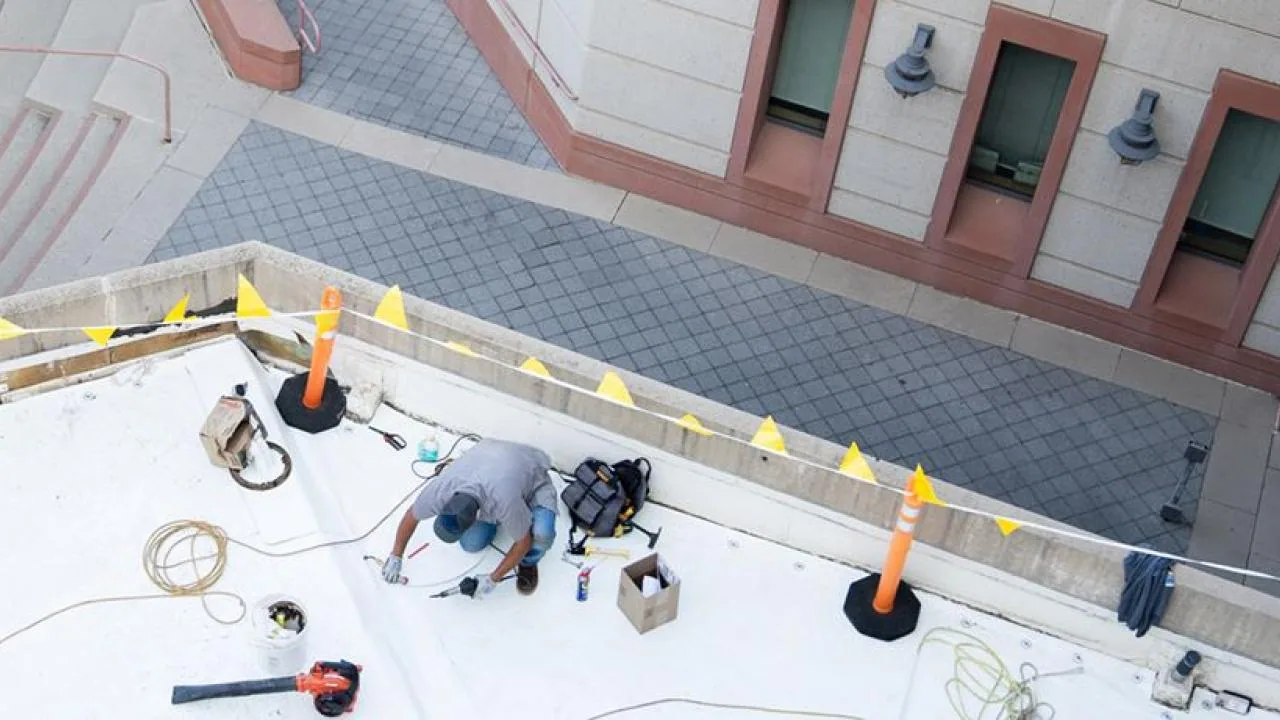
We ask where refrigeration lines, condensers, electrical controls, and cold rooms sit below the roof. A roof opening near those systems may require a narrow work window and extra interior protection. We inspect pipe boots, curbs, supports, membrane seams, and areas where technicians cross the roof. If a refrigeration unit is due for replacement, the mechanical schedule should be coordinated with the roof work to avoid cutting through a new membrane later.
Leaks near cold areas also call for checking vapor and insulation continuity. Moisture can collect within a roof assembly before an interior stain appears. We map suspected areas and use testing where it can define the repair boundary. A roof inspection can document the material and visible condition. If active water threatens stock or controls, an emergency visit can stabilize the roof while permanent work is priced. The store manager should identify the affected department and any products that need to be moved before ceiling protection is installed.
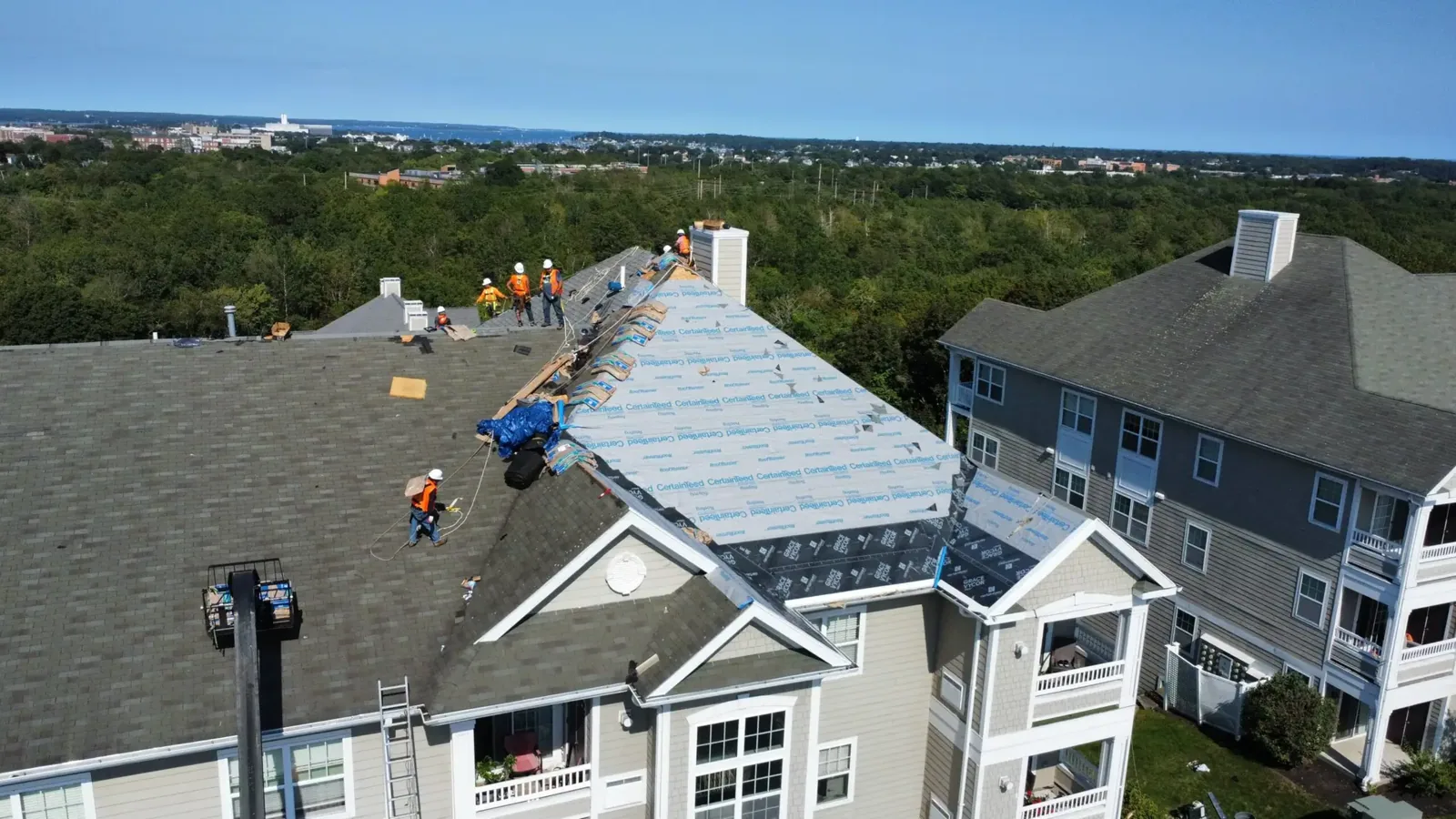
Inspect Exhaust, Curbs and Service Routes
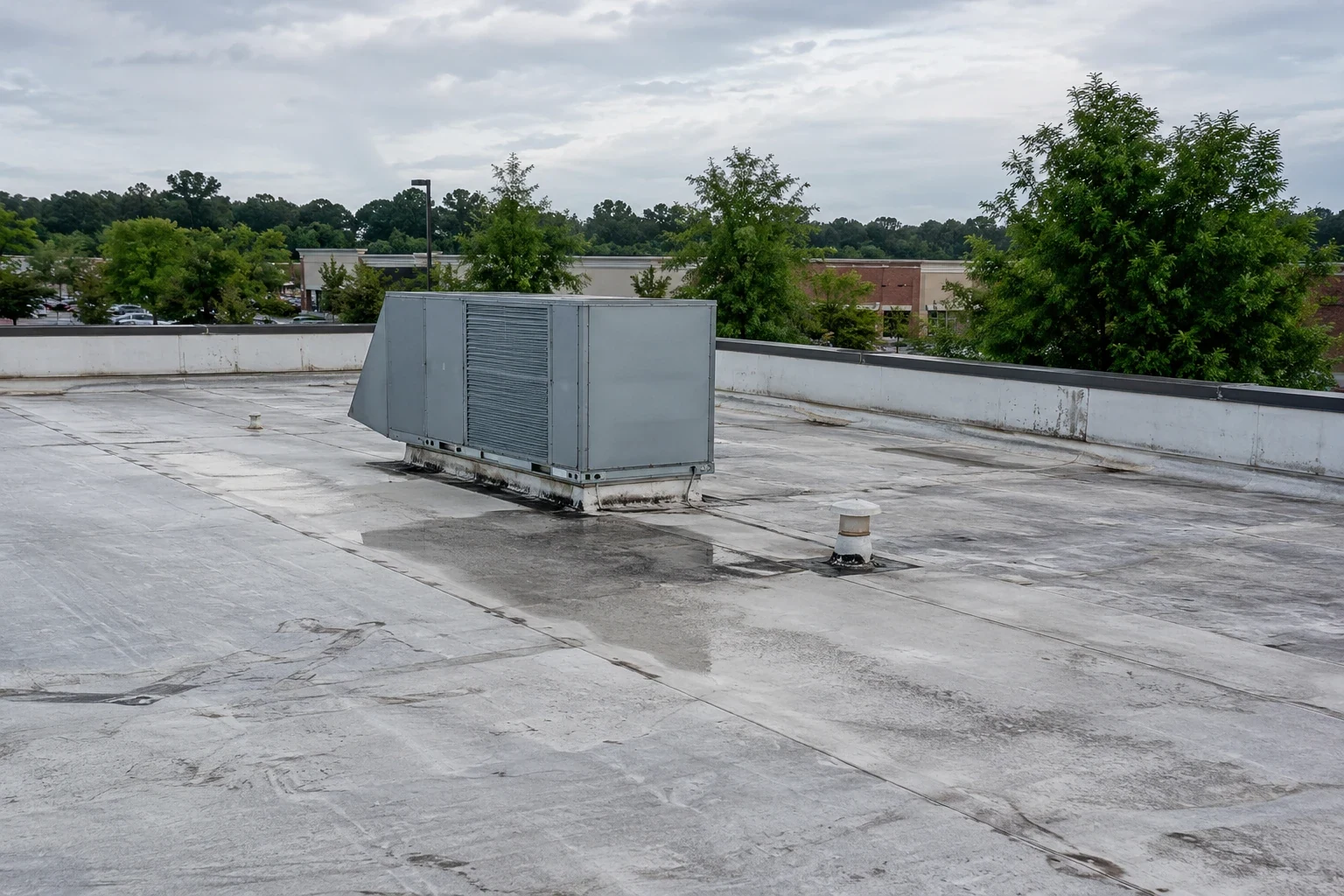
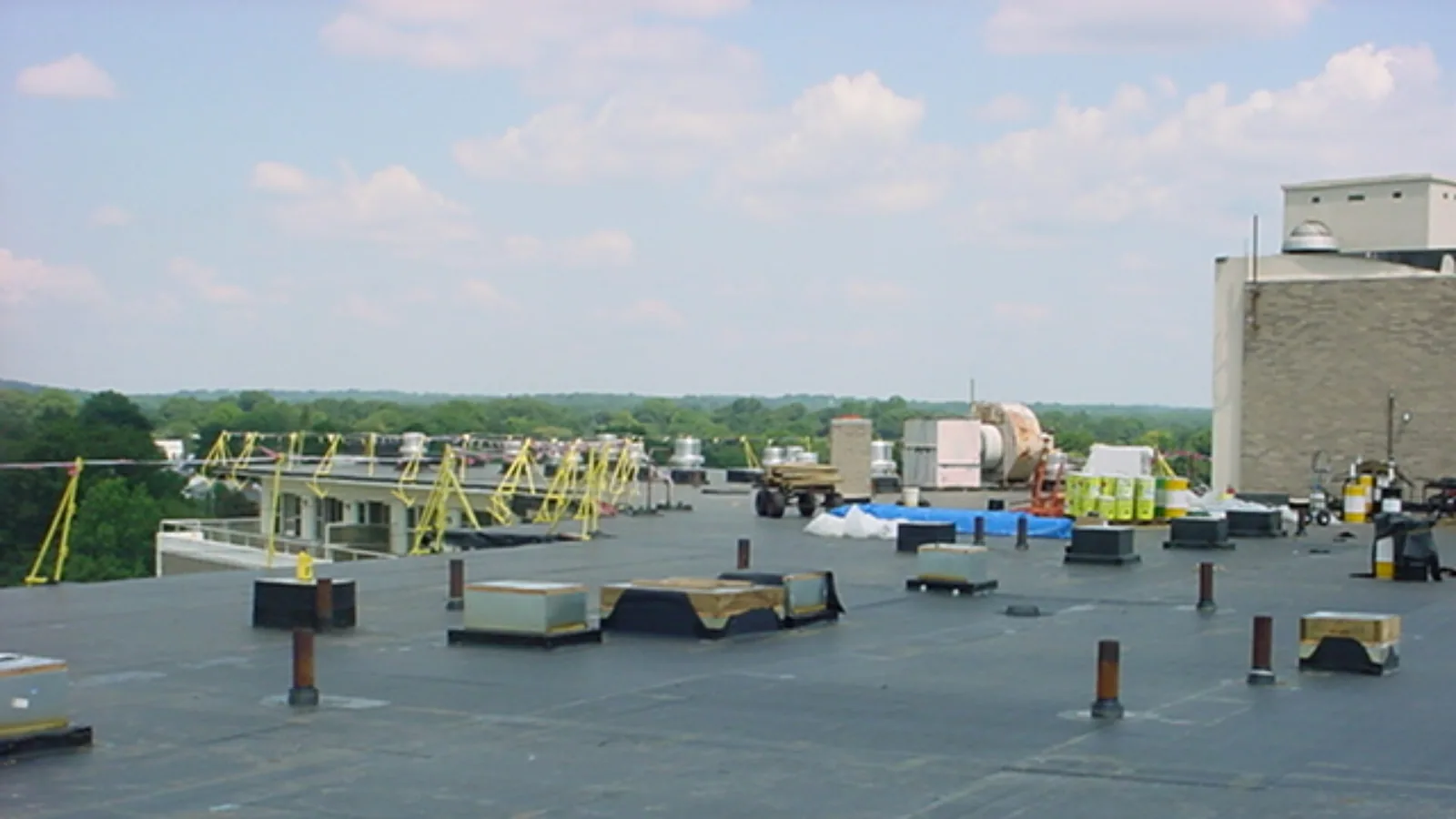
Cooking exhaust and rooftop equipment create distinct demands near grocery deli or food-preparation areas. Grease, heat, and service work can affect a membrane or coating around the discharge point. We inspect the curb, flashing, support, and nearby roof surface, then check whether the exhaust path and equipment maintenance are changing the roof. Product resistance should be tied to the specific membrane and manufacturer documentation, not assumed from a system label.
Technicians may need frequent access to fans, condensers, and controls. A protected route can limit punctures and prevent tools from damaging seams. We identify existing walk pads, loose materials, and equipment transitions that could affect a reroof. A curb review can coordinate supports with the mechanical scope. Drainage also needs to remain clear where equipment, screens, or rooftop piping collect debris. A drain and overflow check can be priced with membrane repairs.
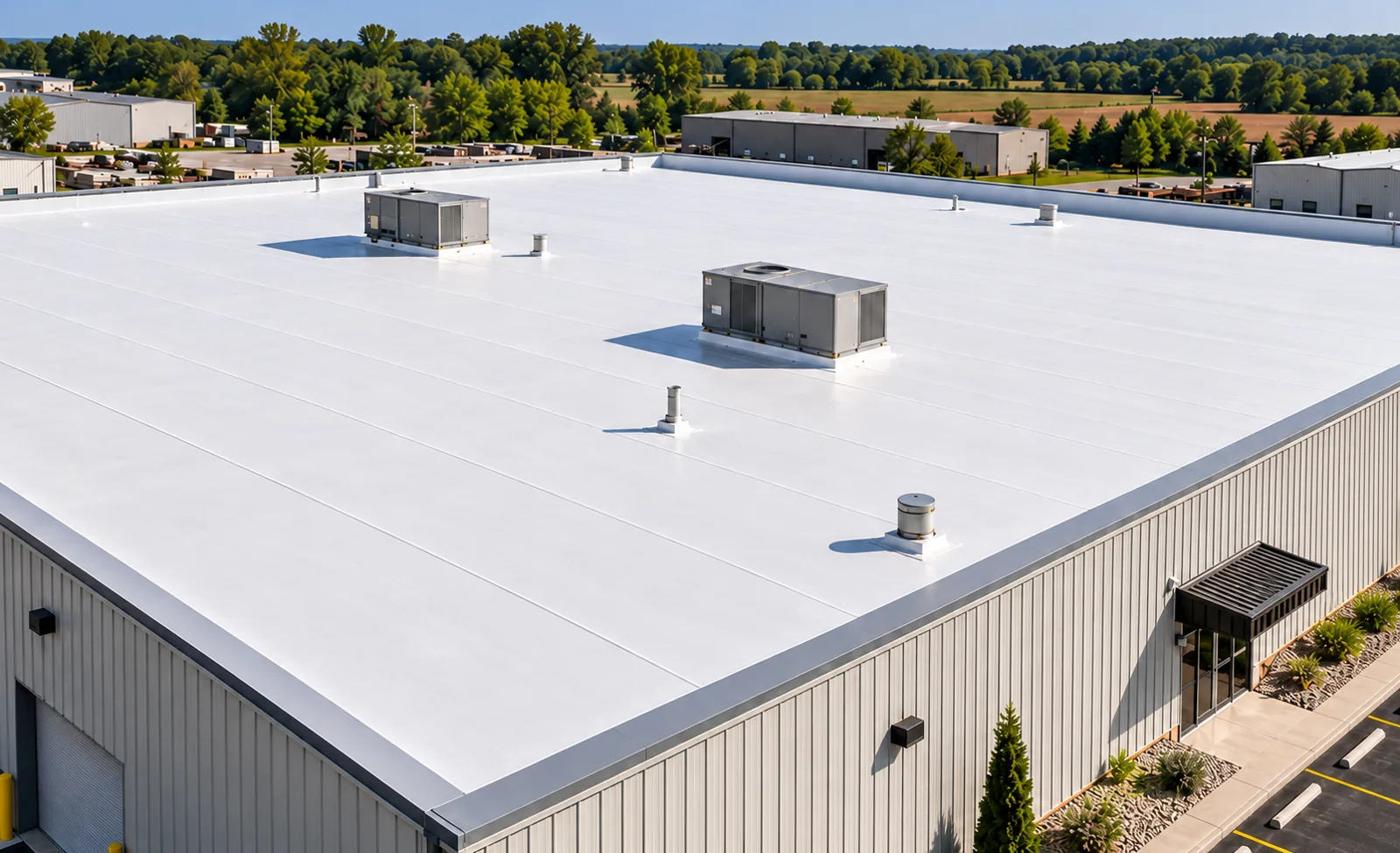
Keep Customer and Delivery Paths Open
Roofing crews may need a crane, lift, container, or material drop point beside an active store. We plan those moves around customer entrances, grocery pickup, deliveries, and waste removal. If work takes place during business hours, the work zone needs clear boundaries and safe pedestrian routes. If nighttime work is selected, confirm security, lighting, and freezer or refrigeration access before the crew arrives.
Along Greenville Avenue, Richardson Chinatown brings together food markets, bakeries, and restaurants. CityLine includes retail and restaurants alongside offices, medical uses, hotels, apartments, a park, and a civic plaza. These local facts describe active food and retail districts, while each grocery store has its own receiving and customer pattern. A store near Richardson Chinatown still needs a site-level traffic plan. A grocery project may share some roof details with shopping-center roofing, but it needs closer attention to cold-chain and exhaust equipment than a typical retail suite.
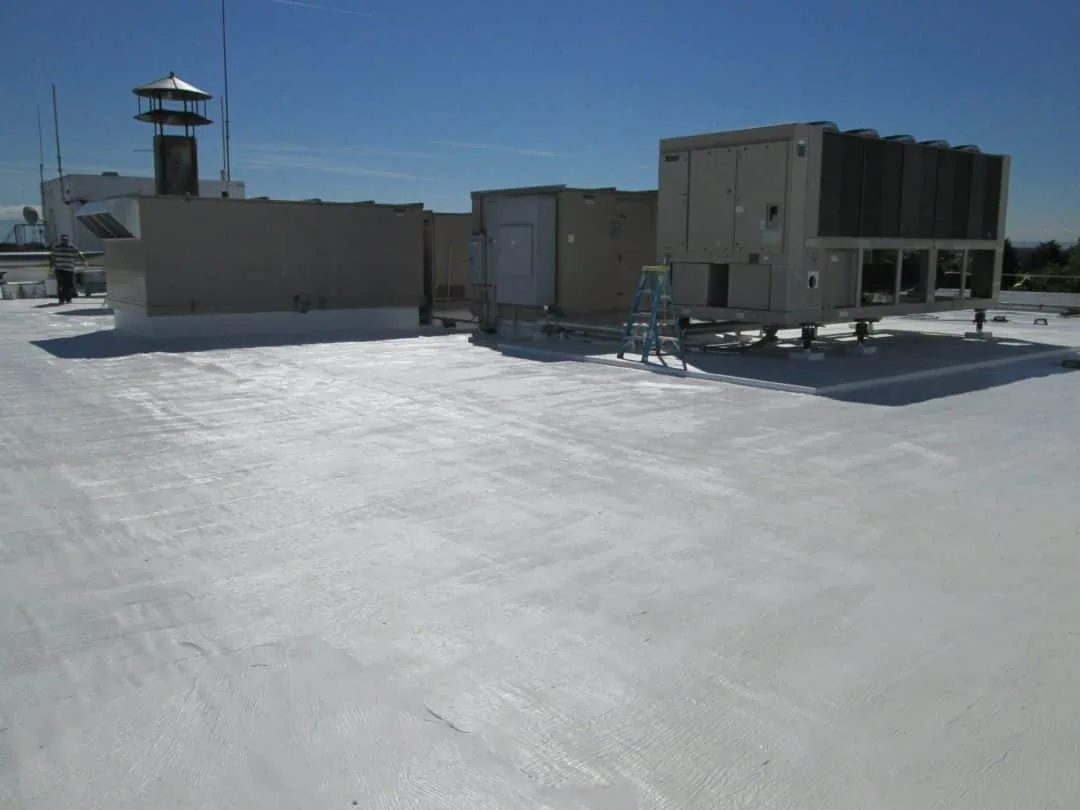
Check Drainage Before the Next Rain
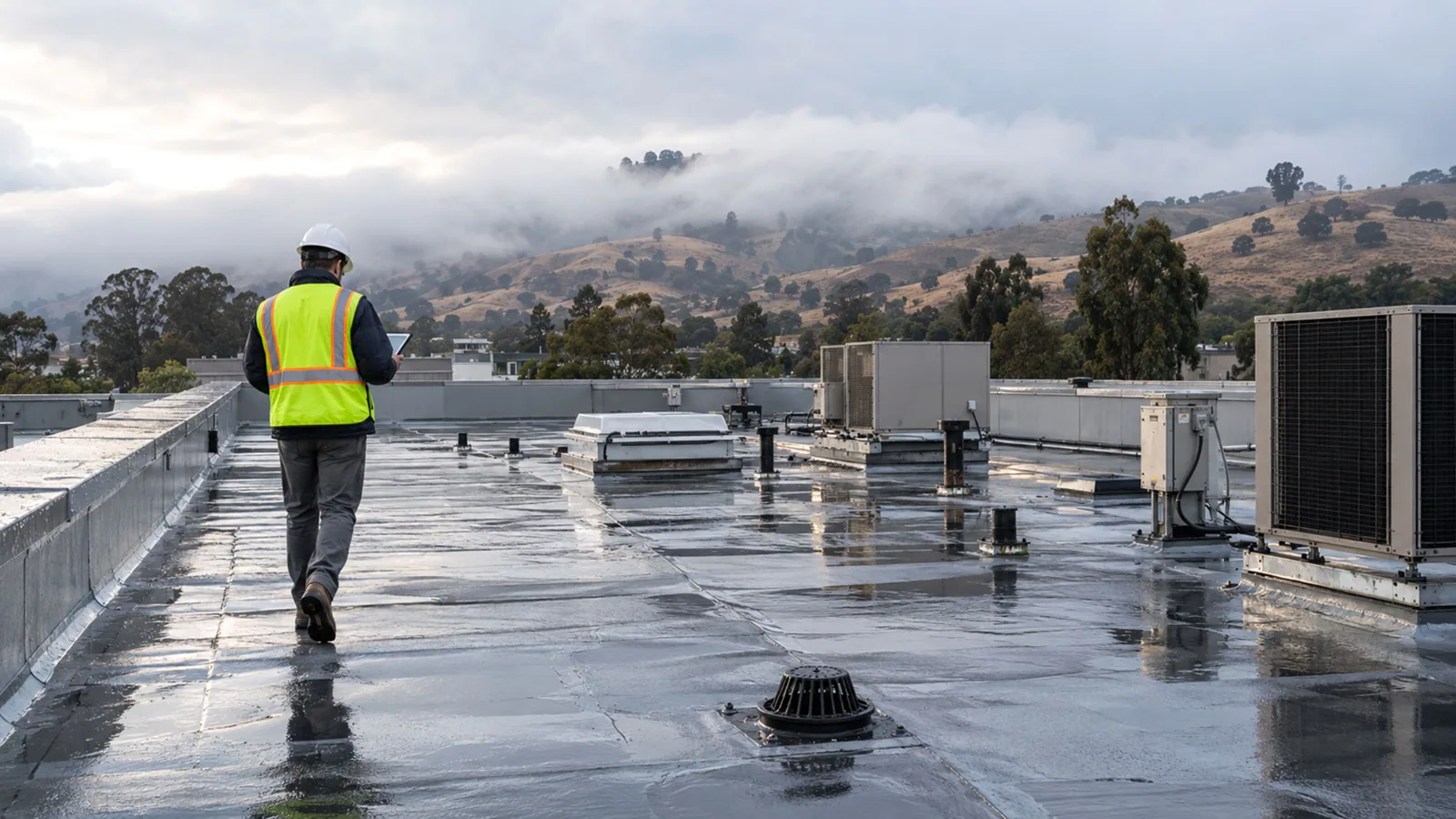
Grocery roofs often have multiple drains, equipment zones, and additions. We check whether water moves toward the outlets or holds around refrigeration lines and curbs. Blocked drains, failed overflow routes, or low points can keep water at a seam and increase the chance of interior disruption. A new roof that raises surface height needs the drain and curb elevations checked before installation is approved.
DFW spring is the region's most active thunderstorm period, with hail and damaging wind possible across the metroplex. Richardson summers also average daily highs above 95 degrees in July and August. These conditions make inspection timing useful, but actual roof damage must be confirmed on site. A tornado damage path near Audelia Road and Buckingham Road was documented in Richardson in October 2019. A storm inspection can record observed punctures, displaced metal, open seams, and water entry without assuming every store was affected.
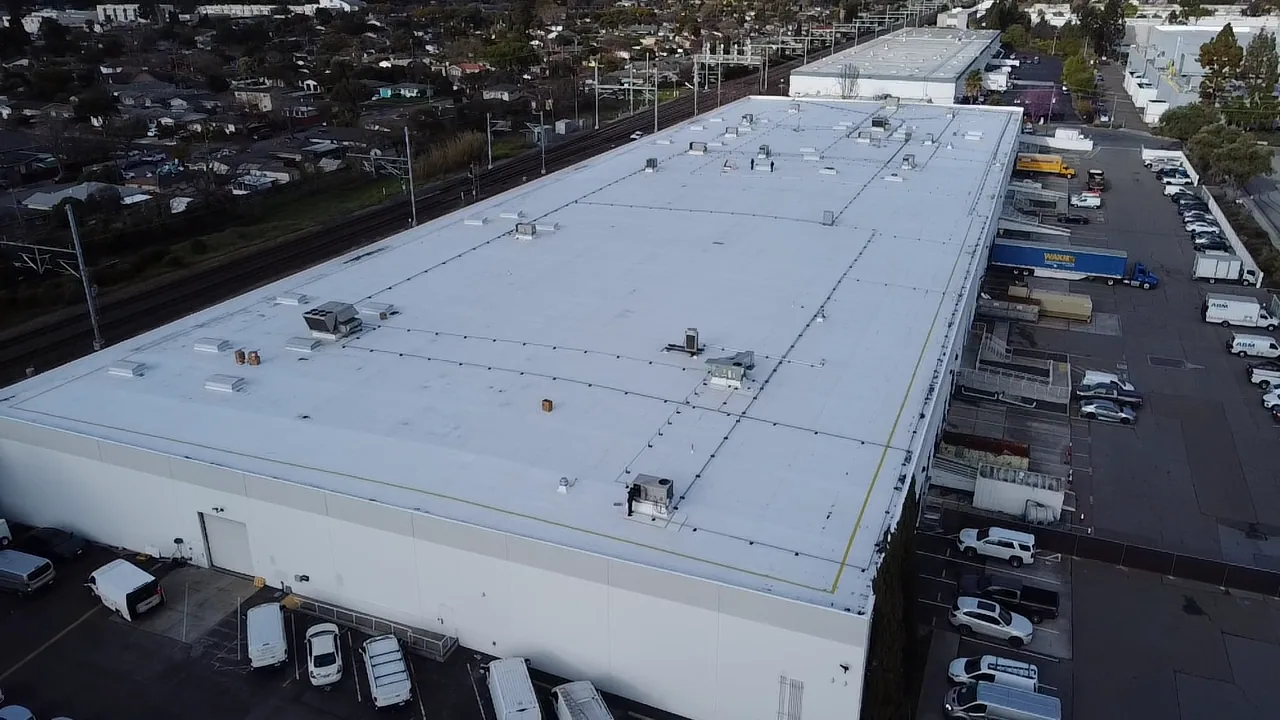
Compare a Short Repair Window with a Reroof
A repair may be appropriate when one flashing or seam fails and the surrounding assembly remains dry and secure. A recover can be considered if existing layers meet attachment, moisture, layer, and drainage requirements. Replacement is more practical when wet insulation, recurring leaks, or broad deterioration affect several roof zones. We show the evidence for each option and state which conditions can only be confirmed after opening the roof.
Richardson applies local amendments to its 2021 building, existing-building, and energy-code provisions. We confirm the applicable scope and permit path before material release. A recover assessment can determine whether existing material may remain; replacement planning can show tear-off, temporary cover, and daily close-in assumptions. Compare a grocery scope with big-box retail roofing only after accounting for refrigeration equipment, exhaust, interior protection, and product handling.
Schedule Around Deliveries and Department Hours
We coordinate work zones with receiving, overnight stocking, produce and deli schedules, freezer access, and customer peaks. The manager should know which roof section will open, what department sits below, and how the crew will close the area before weather arrives. If deliveries need an alternate bay, confirm that change in advance. Noise and odor controls should also be part of the schedule when departments are operating below the roof.
US 75, Belt Line Road, Greenville Avenue, Plano Road, and President George Bush Turnpike connect Richardson's commercial corridors. Those routes can help plan crew arrival, while the actual loading area and store entrance require a site review. We confirm lift placement, gate access, dock rules, and container removal. Every phase needs a safe end point, particularly if a storm forecast interrupts the work or concealed moisture extends the repair.
Keep Product Data and Roof History Together
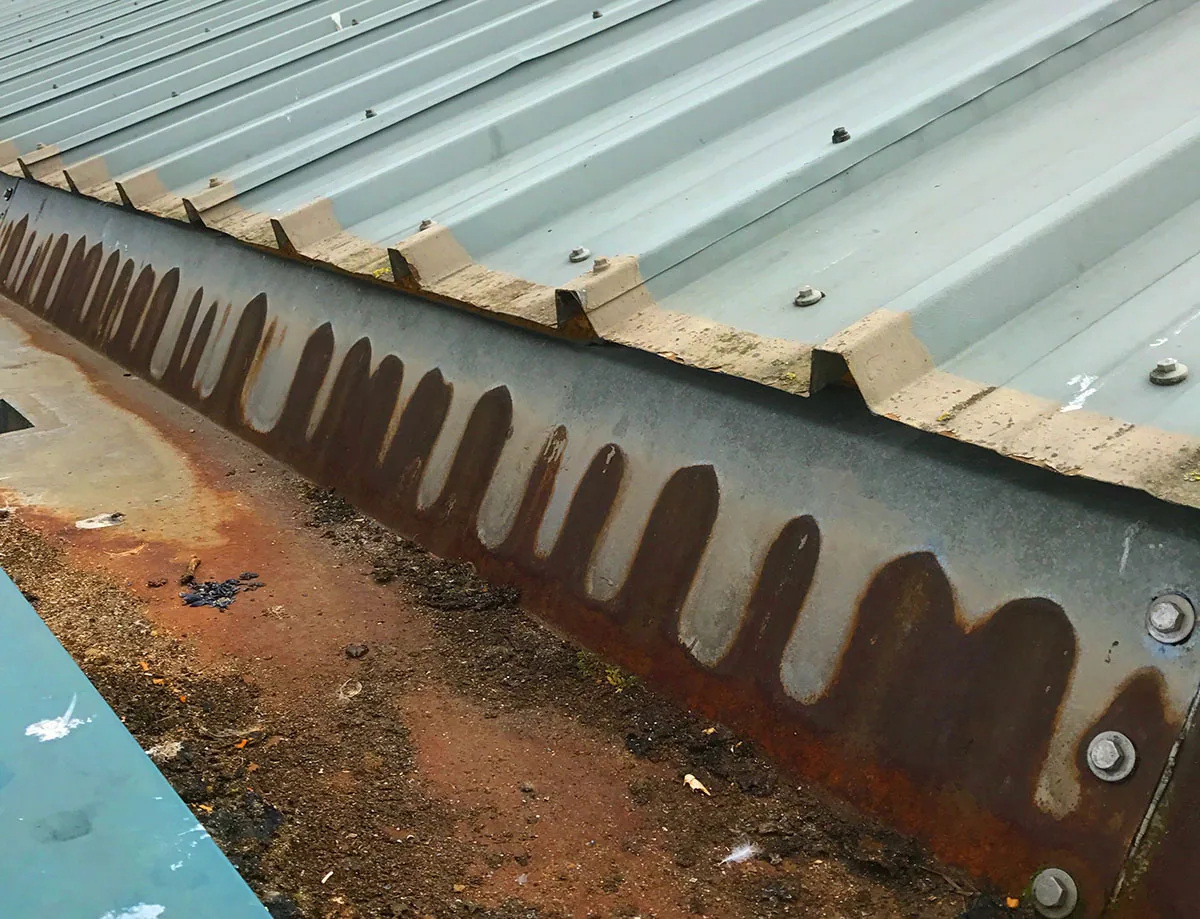
A grocery roof file should list membrane or coating products, repair materials, drains, penetrations, and roof-access routes. Note equipment changes and store departments affected by prior leaks. When another technician crosses the roof, the record helps preserve the approved paths and reduces incompatible patching. Closeout photos can also confirm that every drain and overflow is clear after the work.
Richardson Chinatown and CityLine have distinct restaurant and retail mixes that keep food businesses and public areas active. A grocery operator should use its own receiving and service calendar to set inspections. A maintenance visit can check the membrane, drains, exhaust curbs, and refrigeration supports before a small issue reaches inventory. If multiple stores share an owner, compare repair priorities across locations but inspect each roof separately. The next project should match the condition and operating exposure of that particular store.
Related Roofing Work
Commercial Roof Inspection
Rooftop Equipment Curb and Support Roofing
Commercial Roof Drain and Scupper Service
Richardson Chinatown
Questions About Grocery Store Roofing
Can grocery roofing be done without shutting down refrigeration?
Often, with a phased sequence coordinated around refrigeration lines, equipment service, air intakes, and access. We identify any unit that needs a shutdown and set a daily close-in plan before material is removed.
What should be checked around grocery exhaust fans?
Inspect curb flashing, nearby membrane, support attachment, service routes, and surface exposure around the discharge. We identify the installed roof system and select repair materials that match its requirements.
How do you contain a leak over food or refrigerated areas?
We coordinate with the store manager to protect products, equipment, and the affected interior zone, then trace the roof entry point. Temporary water control is kept separate from the permanent repair scope.
Can a grocery roof be recovered?
It may be possible when existing layers are dry, attached, and suitable, and the new height preserves drainage and equipment clearances. We test those conditions before comparing recover with removal.
What belongs in a grocery-store reroof proposal?
Compare refrigeration and exhaust interfaces, drainage, membrane, insulation, delivery access, product protection, phasing, and weather close-in. State how concealed moisture or deck repairs will be approved.
Fit the Roof Work to the Store's Cold-Chain Schedule
Share delivery hours, refrigeration work, leak reports, and the project deadline. We will inspect the roof and scope repair or replacement around customer and product protection.