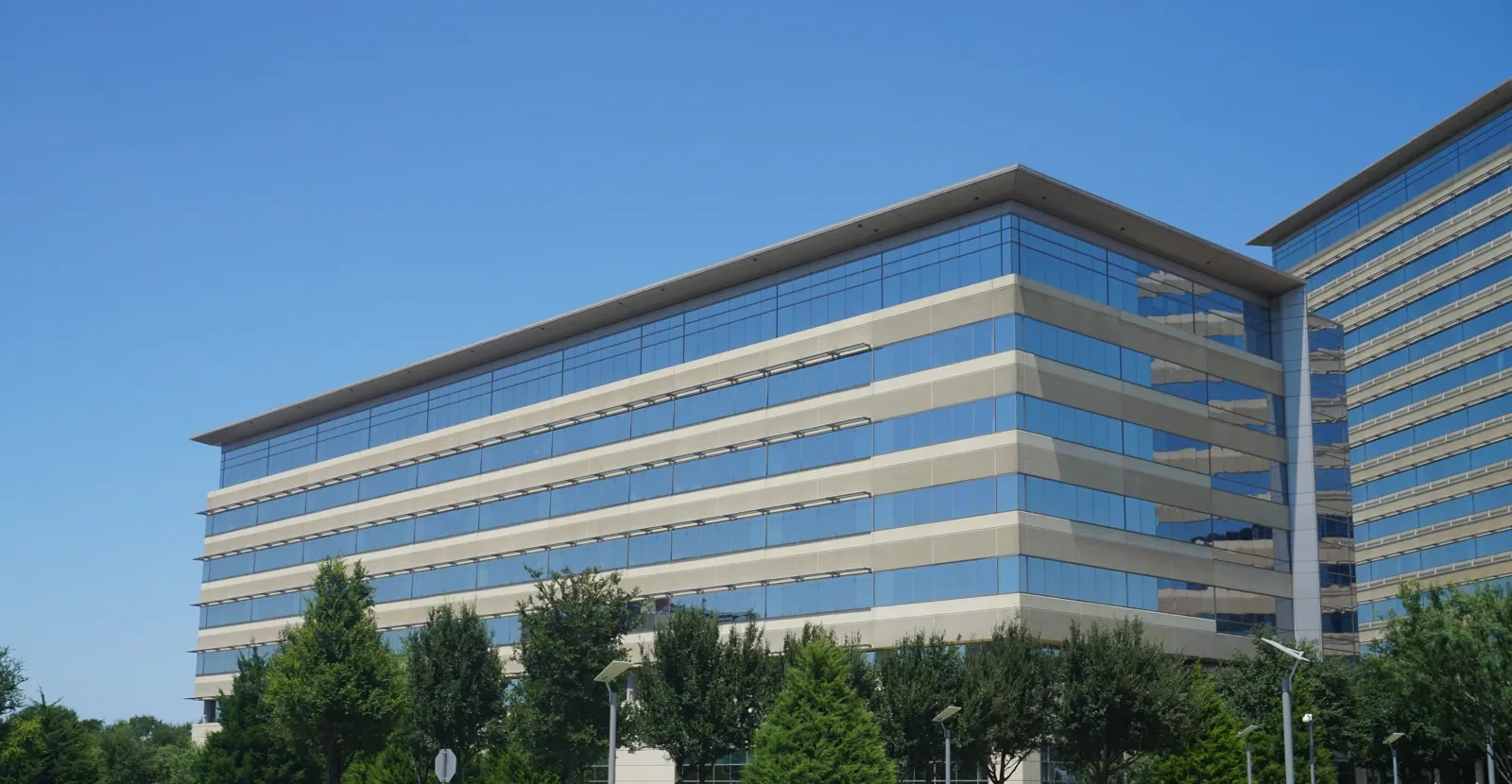
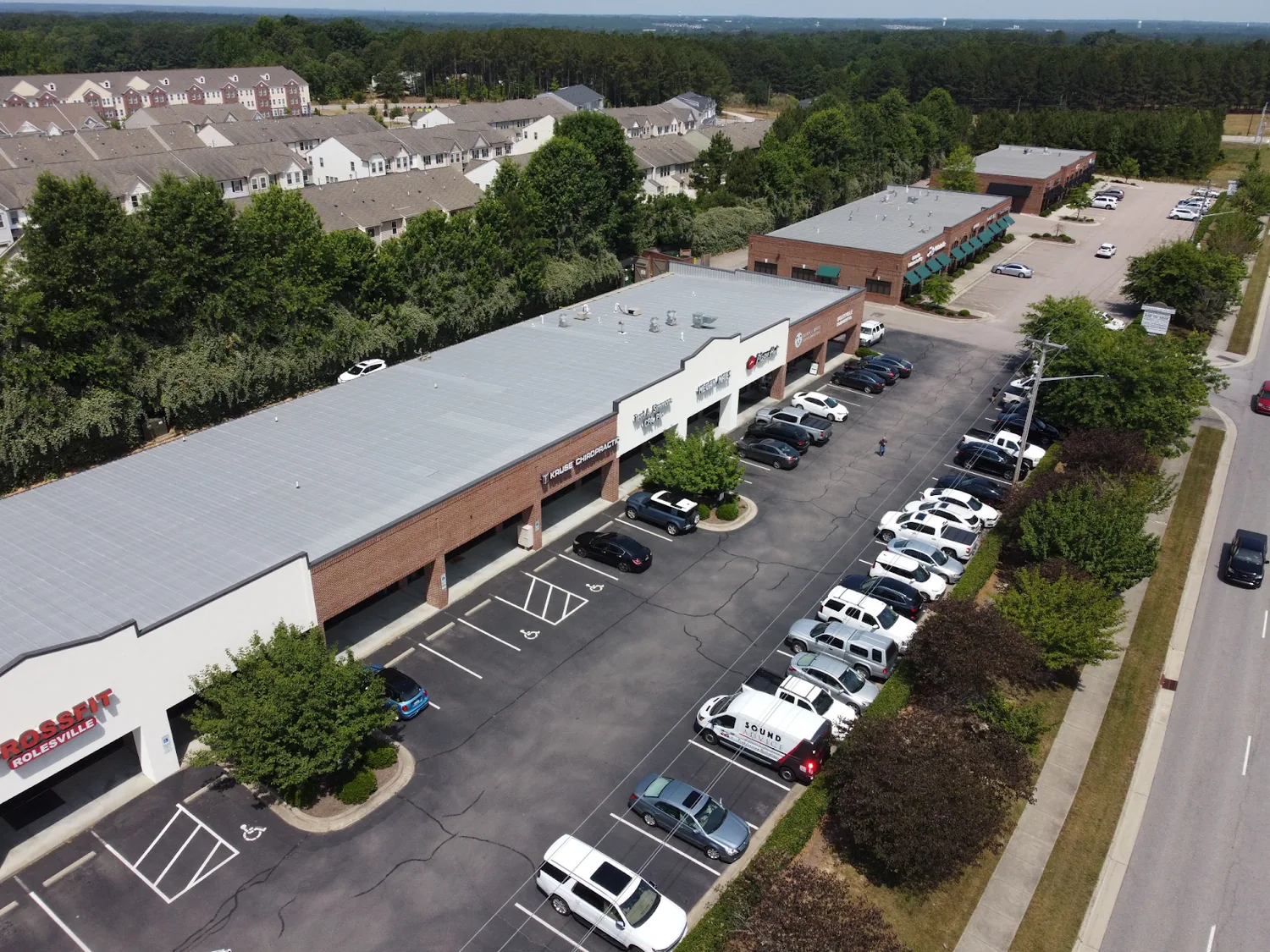
A shopping-center roof serves multiple tenants, entrances, signs, and service routes. A leak over one suite can become a property-wide coordination issue if water crosses a shared roof or affects a neighboring storefront. We inspect the assembly and map conditions by tenant bay before recommending repair, recover, or replacement in Richardson, TX. The scope should distinguish work at one suite from shared drainage, parapet, or edge details that affect the center.
Request a Roof Assessment
All fields are required.
Shopping Center Roofing in Richardson, TX
Coordinate the Roof Scope Across Tenant Bays
Trace Leaks Across Suite Boundaries
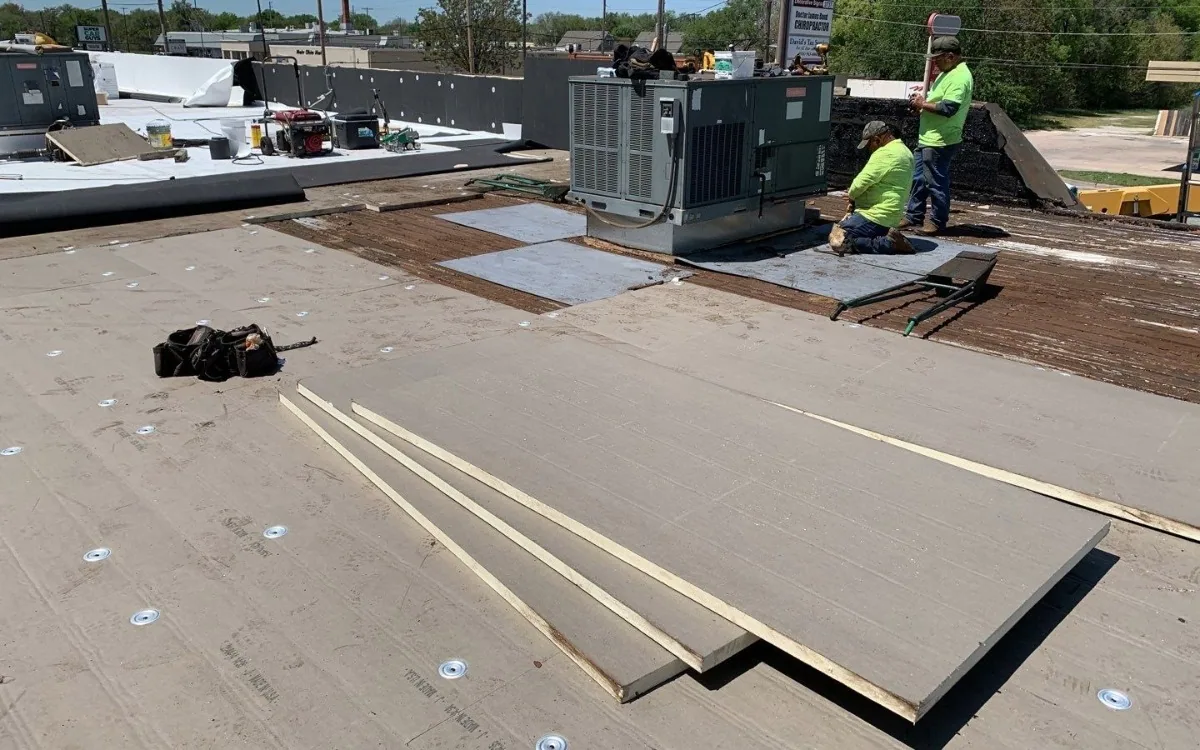
We record which tenant reported water, where it appeared, and when it started. Then we inspect the roof area above and around that suite, including seams, drains, rooftop equipment, walls, and earlier patches. Water may travel across a deck or insulation before it reaches the ceiling. A location map helps property management coordinate access with neighboring tenants and keeps a localized repair from expanding without evidence.
Storefronts often need clear entrances, signage, and accessible walkways throughout the work. We plan where lifts, containers, and materials can stage without blocking customer paths. A roof inspection can identify the material and condition by section. If a leak is active, an emergency repair can protect the tenant interior while permanent work is priced. We confirm notices, work hours, and who will meet the crew before opening a roof section.
Check Shared Drains, Parapets and Canopies
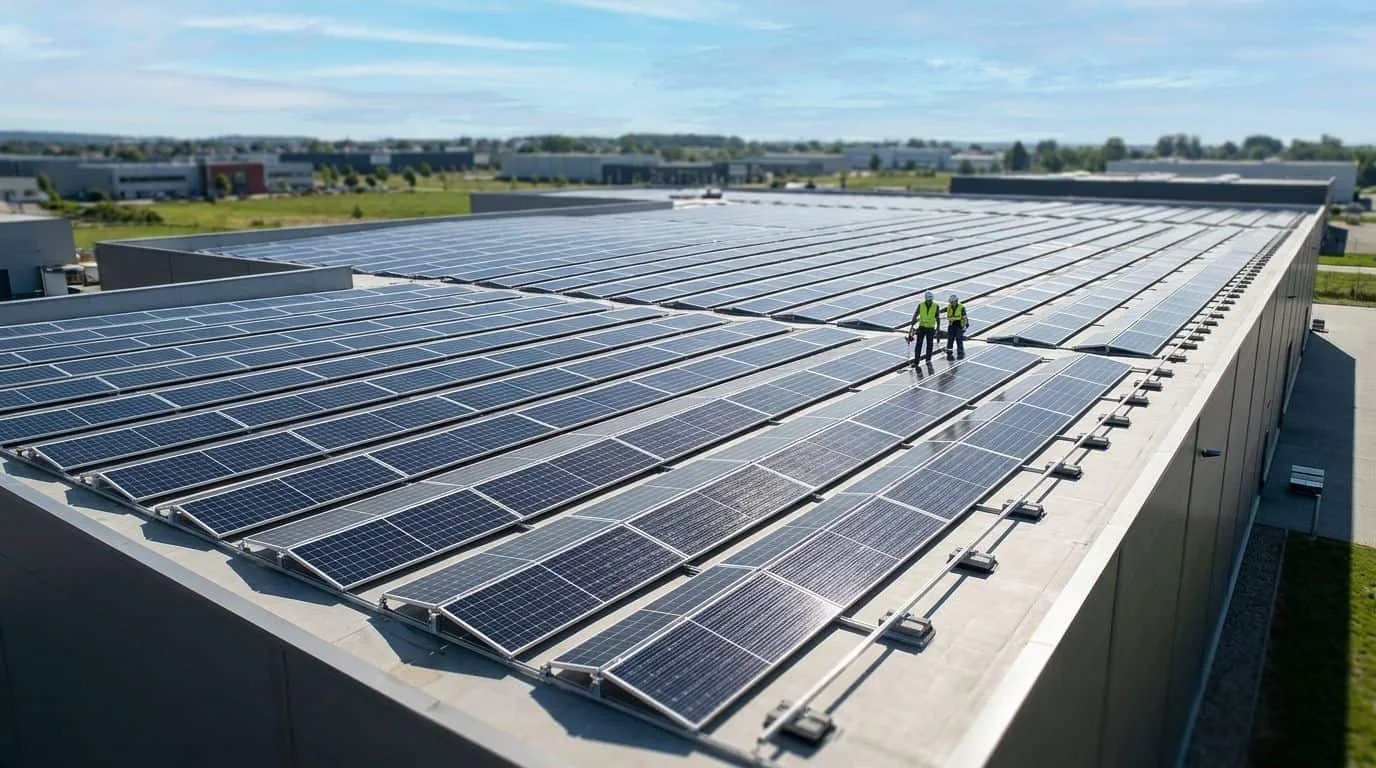
Shopping centers may have long roof runs that drain through shared outlets. We check primary drains, scuppers, overflows, downspouts, and the grading around each low point. A blockage can affect suites far from the drain itself. Parapets and canopies also need attention where the membrane turns down or meets metal. A repair should address the full water route, not just the leak call that led to the visit.
Richardson's Belt Line and Bowser area includes retail, restaurants, auto-related uses, and lower-intensity commercial activity. Chinatown along Greenville Avenue north of Main Street is a cultural and commercial hub with restaurants, bakeries, and markets. These facts show the city's varied retail settings, while the roof conditions at each property still require inspection. A center near Richardson Chinatown may have different delivery, customer, and tenant-hour patterns. A drainage correction can be included if an outlet or overflow path contributes to the problem.
Keep Storefront Activity Moving
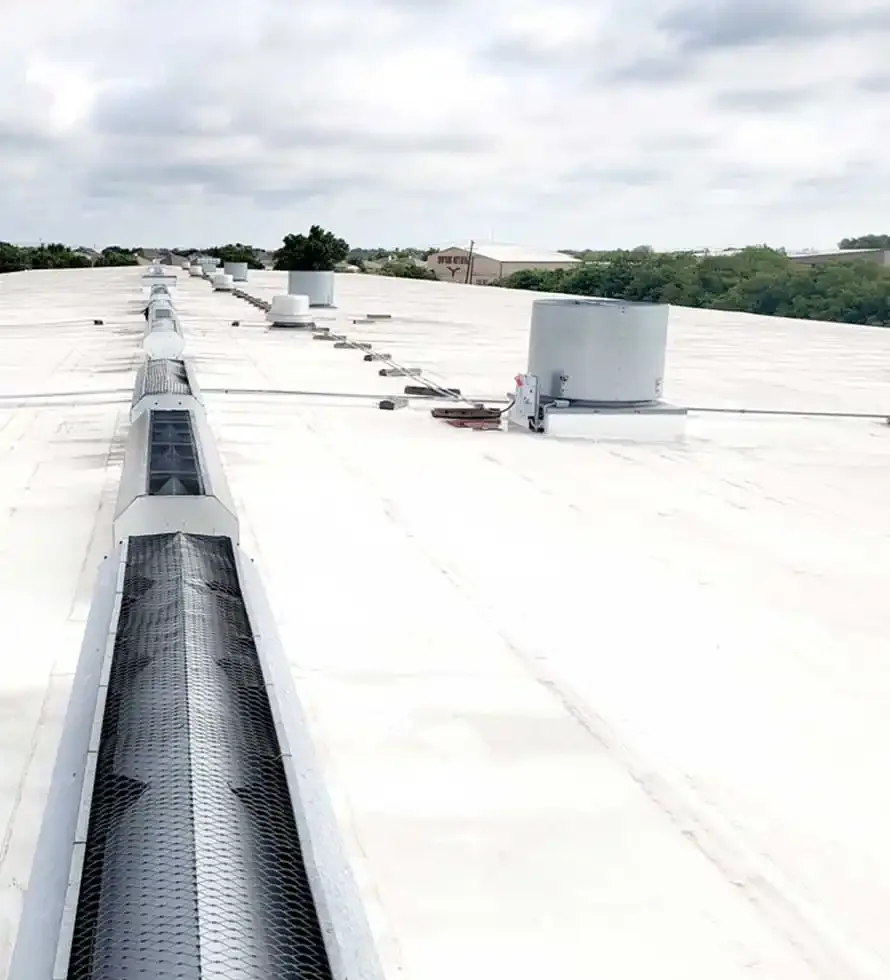
Work sequencing should account for customer traffic, deliveries, restaurant ventilation, and tenant operating hours. We can separate the roof into zones, then identify which storefronts need interior protection, alternate access, or a quiet work window. For a multi-tenant center, the property manager needs a notice schedule and contact list before crews arrive. The proposal should show whether after-hours labor, pedestrian controls, or temporary awnings affect cost.
A roofing phase needs a complete edge and weather closure before the crew leaves. If an unexpected wet area extends into another suite, we photograph it and return to the owner's approval point. We coordinate HVAC intakes and restaurant exhaust so dust, cleaning water, or coating work does not interfere with service. If signage or lighting is attached through the roof, include those supports in the detail plan rather than treating them as tenant fixtures outside the roofing scope.
Compare Repair with a Center-Wide Project
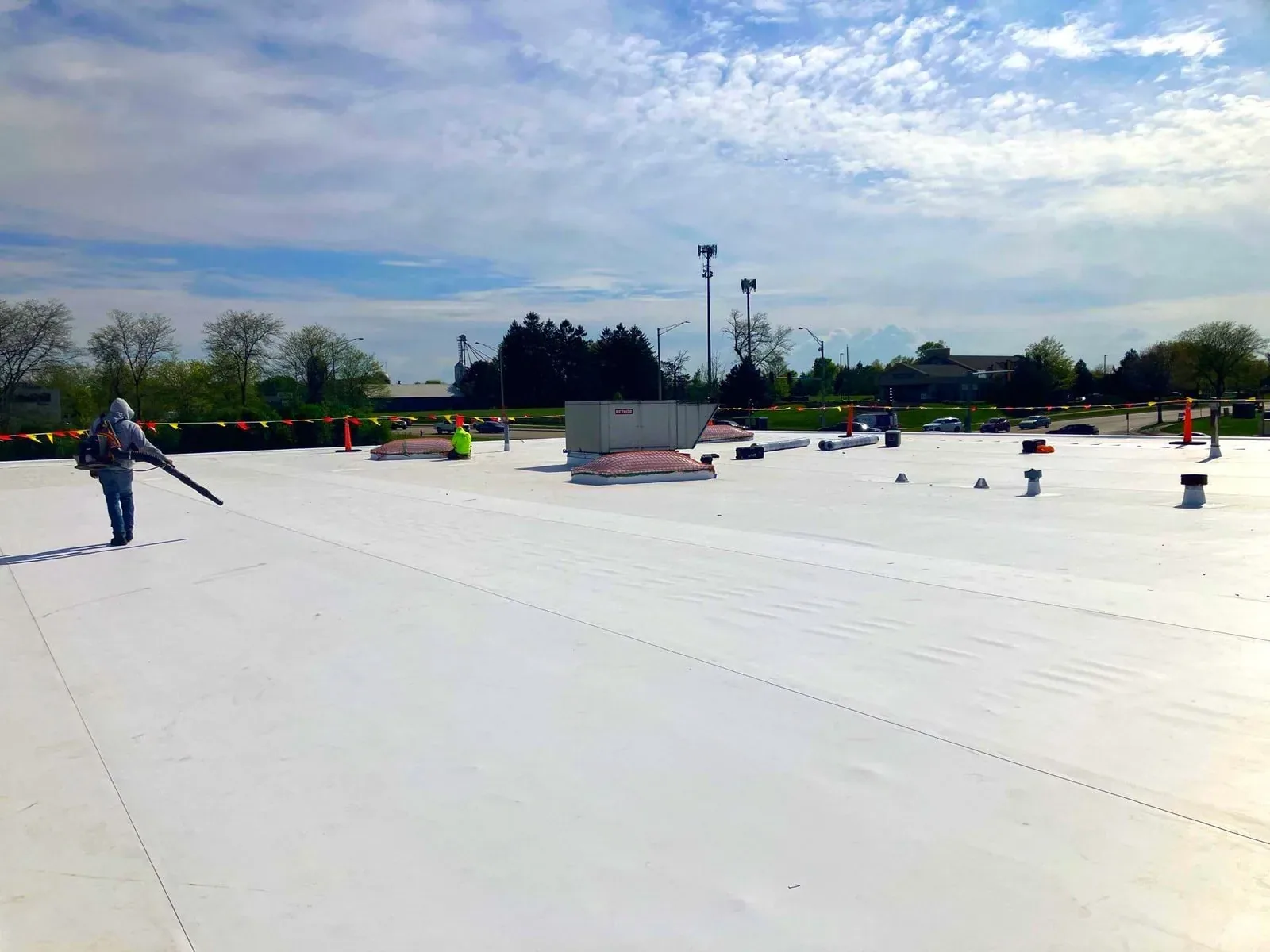
A repair may fit one failed curb or seam when adjacent material remains sound. Recover can be considered where existing layers are dry, secure, and compatible with added height at drains, parapets, and rooftop units. Replacement may be more predictable when leaks recur across several suites, insulation is wet, or attachment is failing. We prepare a roof map and identify which sections belong in the current project and which remain under observation.
The City Council's April 2023 adoption updated Richardson's building, existing-building, and energy provisions with local amendments. We align permit review to the proposed assembly. A recover assessment can test whether the existing assembly is eligible, while replacement planning can set phases for tenant protection. Compare the proposal with big-box retail roofing or grocery-store work only when roof layout, refrigeration loads, and tenant operations are comparable.
Document the Roof After Severe Weather
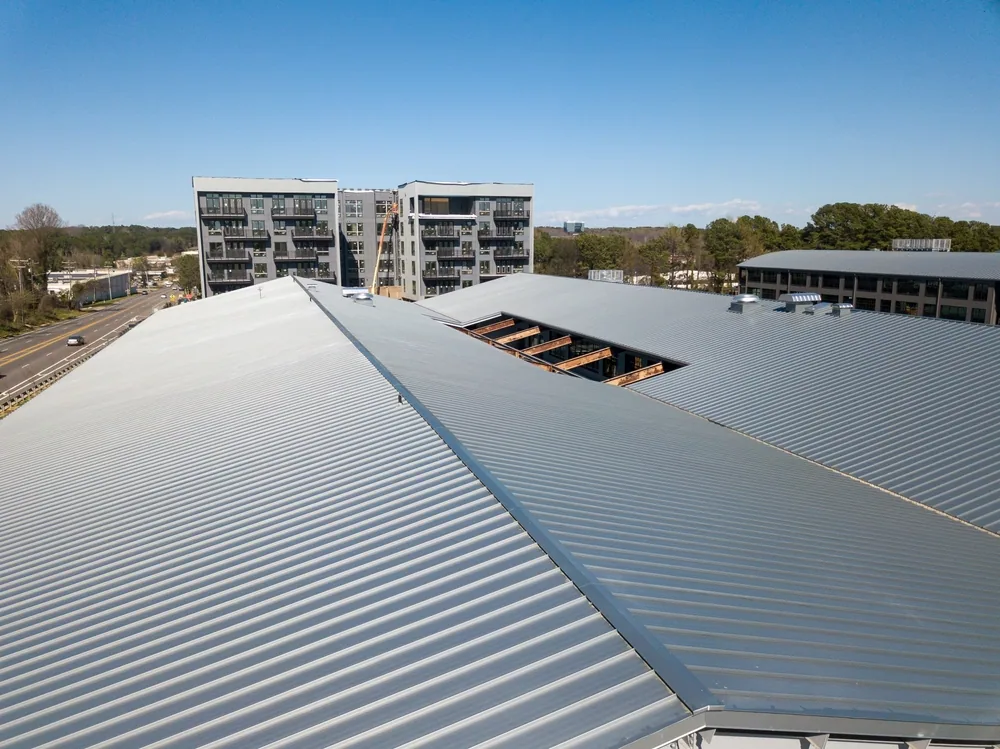
Richardson summers bring high heat, while DFW spring is the most active thunderstorm period. Hail and damaging wind occur in the metroplex, but a regional report does not prove that a particular center was damaged. We inspect the roof for punctures, displaced edge metal, open seams, blocked drains, and fresh interior water. The property manager should preserve photos by suite and roof zone so a claim review can distinguish new damage from prior wear.
Richardson's severe-weather record includes tornado damage along the Audelia-Buckingham area in 2019. That history supports preparedness; each center still needs a direct post-storm inspection. A storm inspection can record what we see. If a tenant reports a leak after a storm, protect the space and photograph the roof area before repairs change the condition. Keep emergency water control separate from permanent work in the claim file.
Build One Scope Across Multiple Tenants
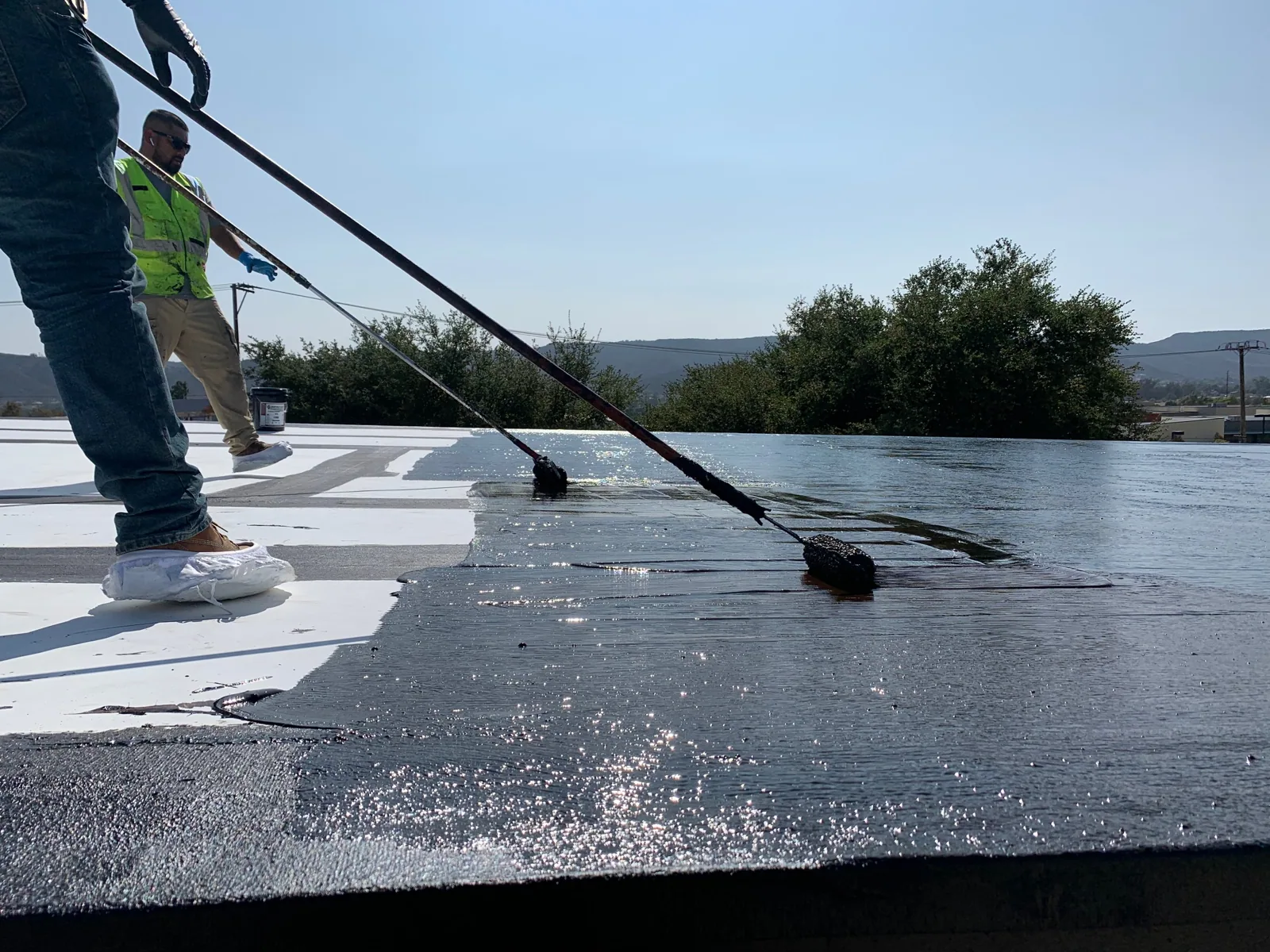
A center-wide estimate should state which buildings and roof sections are included, how tenant access will be maintained, and where a phase ends. List demolition, insulation, membrane, edge metal, drains, canopy flashing, mechanical curbs, disposal, and interior protection. Define the process for hidden moisture and whether additional work requires written approval. The owner can compare a repair plan with a phased replacement without mixing unlike areas.
US 75, President George Bush Turnpike, Greenville Avenue, Belt Line Road, and other routes connect Richardson's commercial districts. Those routes may affect crew arrival and delivery planning; the property visit establishes actual loading, staging, and customer access. CityLine includes retail, restaurants, offices, apartments, hotels, medical uses, and civic space. A shopping center near CityLine still needs a building-specific tenant sequence. A capital plan can group repairs by risk and funding date when the portfolio has more than one center.
Track Repairs by Suite and Roof Zone
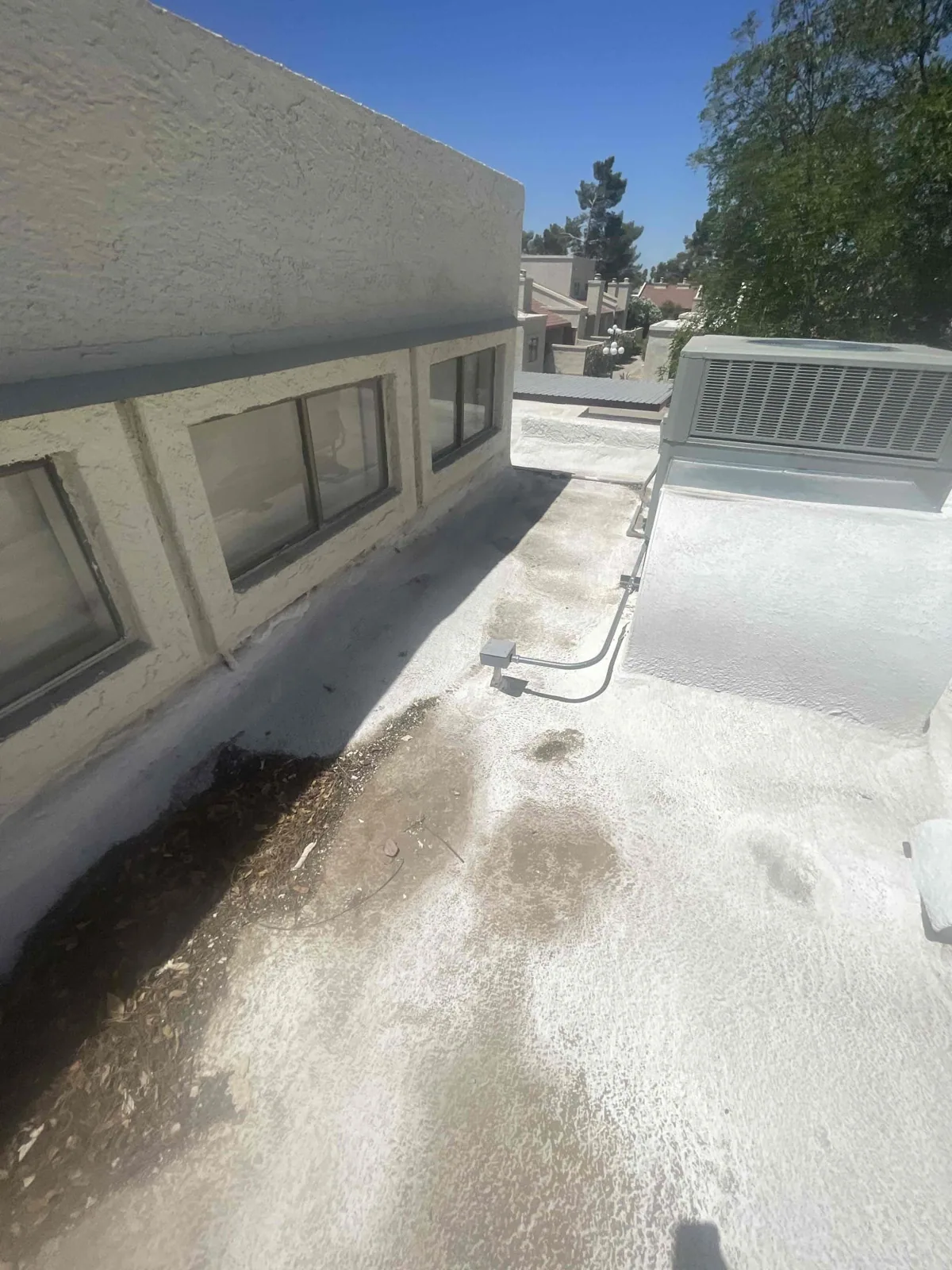
Keep a property log with tenant contacts, leak dates, affected rooms, roof zones, repairs, and photos. Note when an HVAC unit, sign, or exhaust fan was changed. Those details help identify whether a later leak is new or tied to an earlier opening. A maintenance visit can also check drains, edge metal, and flashing before a small defect affects another suite.
Richardson Chinatown combines restaurants, bakeries, and markets along Greenville Avenue north of Main Street. The Belt Line and Bowser area includes retail, dining, and auto-related uses. These are distinct commercial settings, so the roof record should preserve tenant access constraints and maintenance timing for each property. A scheduled inspection can update repair priorities and leave management with a clear next-spend decision. That makes the file useful for tenant handoffs and capital review.
Related Roofing Work
Commercial Roof Inspection
Richardson Chinatown
Commercial Roof Drain and Scupper Service
Commercial Roof Replacement
Questions About Shopping Center Roofing
How do you keep shopping-center entrances open during roofing?
We plan staging, lifts, pedestrian controls, and deliveries with the property manager, then sequence roof zones around tenant hours. The proposal identifies any entrance, loading area, or storefront that needs a temporary adjustment.
Can one roof leak affect multiple retail suites?
It can if water travels along a shared deck or insulation. We map interior reports and roof details by bay, then define which areas the repair includes. Additional wet material is documented before scope expands.
What should be inspected on a shopping-center roof?
Check drains, scuppers, parapets, canopies, equipment curbs, exhaust penetrations, membrane seams, and prior patches. Shared outlets and long roof runs can make a defect affect more than one tenant space.
Can tenant work be phased around a shopping center's hours?
Yes, when the roof can be closed safely by zone. We coordinate access, customer traffic, noisy tasks, and interior protection, and set a daily termination detail that keeps water out if weather delays continue.
How do I compare repair and replacement proposals for a center?
Confirm which buildings, suites, drains, equipment details, and protection steps are included. Compare demolition, insulation, membrane, phasing, concealed-condition assumptions, and how additional wet areas receive approval.
Coordinate the Roof Scope Across Tenant Bays
Share the tenant roster, operating hours, leak map, and capital window. We will inspect the roof and plan repairs or replacement around customer access.