

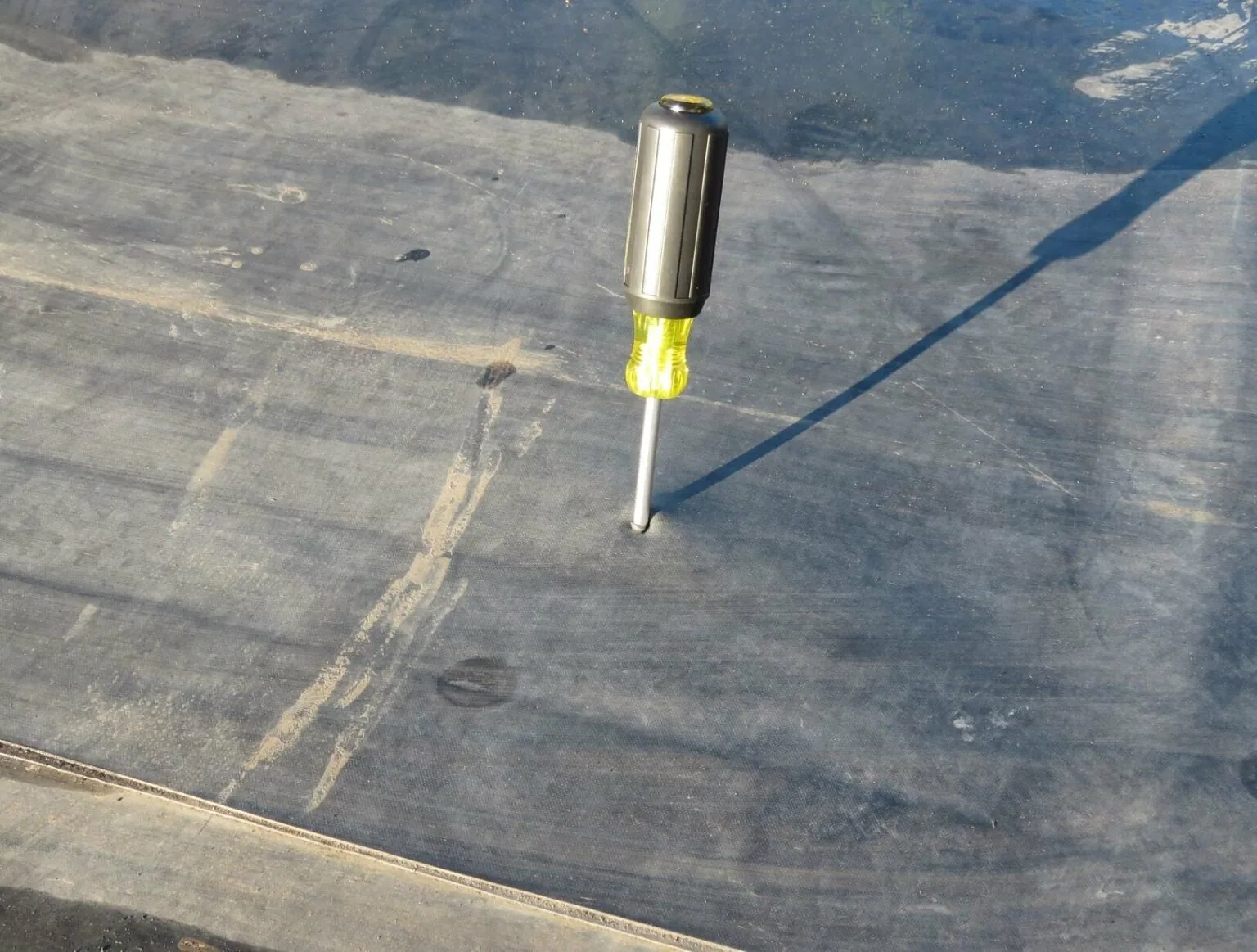
A small puncture can admit water and spread below the membrane before anyone sees a ceiling mark. The repair needs to locate the breach, confirm the affected layer, and check how it happened. We inspect commercial membranes in Richardson, TX, document the opening, and scope a compatible patch with the traffic path and adjoining roof details in view.
Request a Roof Assessment
All fields are required.
Commercial Membrane Puncture Repair in Richardson, TX
Repair the Opening and Protect the Service Path
Find the Breach and Map Its Reach
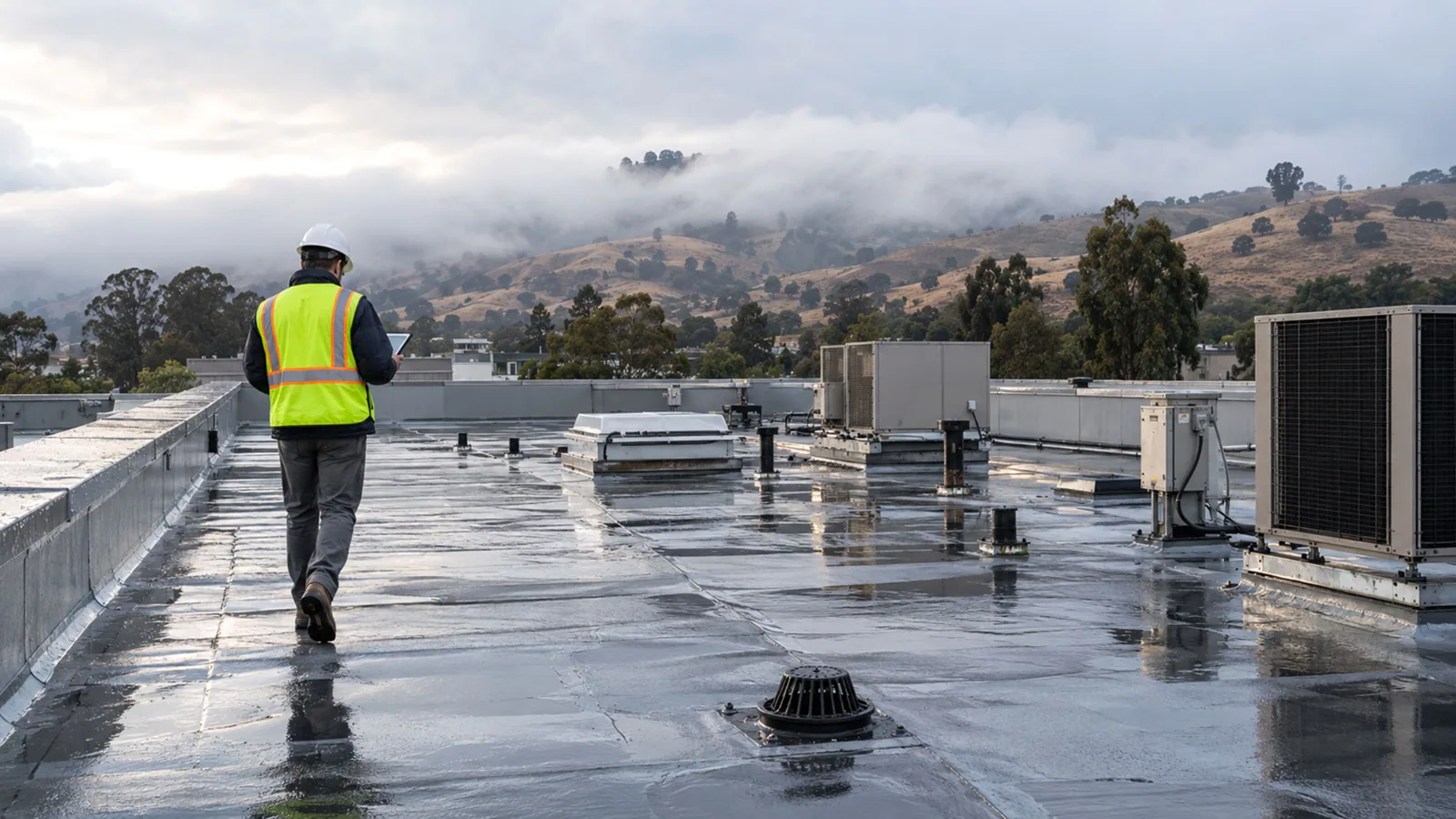
We compare the room report with the roof above, then inspect seams, equipment routes, drains, service pads, and previous patches near the likely entry. A roof inspection can map the defect and record the surface condition before repair. A puncture may be visible as a cut, hole, or crushed spot, but wet insulation can extend beyond the opening. We identify what can be seen and where a test cut would clarify the quantity. Access restrictions and required lift equipment should be included in the repair window. Confirm the route with facilities.
Cost depends on roof height, access, membrane type, puncture size, and whether insulation or deck needs removal. We list each element separately so the owner can compare the immediate patch with any broader moisture work discovered at the site.
Check for screws, sharp debris, dropped tools, or service traffic that could have contacted the membrane. HVAC technicians, sign installers, and other trades may cross the roof without knowing where the membrane is vulnerable. We mark walk paths and note whether an existing pad or support has moved. If a seam also split, a seam repair may need to be scoped with the puncture so the water path is fully closed.
Match the Patch to the Roof Assembly
A repair begins by identifying whether the roof is TPO, PVC, EPDM, modified bitumen, or another assembly. Clean and prepare the surface according to the material and use compatible flashing or patch material. The repair should extend onto sound membrane with a secure termination. If the material is dirty, brittle, or covered by incompatible coating, we document that limit before choosing a method. A patch that cannot bond to the surrounding surface will not restore a reliable field.
Some punctures are narrow cuts; others crush or stretch the sheet and leave an irregular edge. We trim only loose material, prepare the field according to the system, and set the patch dimensions to secure sound membrane around the defect. The owner should know whether a temporary patch remains or the permanent repair is complete. If a test cut finds wet insulation, we document the removal and replacement separately.
We also examine the substrate. If the puncture crushed insulation or reached the deck, a surface patch alone may leave a soft or wet area in place. The estimate can separate removal and replacement of wet material from the membrane work. If a nearby curb or pipe flashing was struck, a flashing correction may be needed. The repair boundary should show where the membrane is confirmed sound and what remains untested.
Keep Future Service Visits off the Repair
When a puncture follows a mechanical service route, identify how staff can reach the equipment without stepping on new membrane or dragging tools across it. Walk pads or another protective route may reduce repeat damage if the roof design supports them. We coordinate the route with the facilities contact and review the support details at each unit. A curb and support review can align the patch with planned equipment work. Do not install a pad over a wet or poorly adhered area.
Service companies should receive the roof access rules and any areas where protective paths have shifted. If a walkway pad must be lifted for inspection, reinstall it only after the membrane has been checked. Keep the route clear of fasteners, packaging, and loose tools at the end of each visit. Those controls reduce repeat openings after the repair is closed.
Arapaho Center Station is beside an existing industrial area in Richardson's Telecom Corridor. CityLine combines medical offices with apartment, retail, hotel, office, civic, and park uses. Those locations reflect different commercial property patterns, but do not identify the source of damage at an individual roof. A Arapaho Center-area property still needs a roof map and service route based on actual equipment and access conditions.
Protect the Opening Until the Patch Is Tested
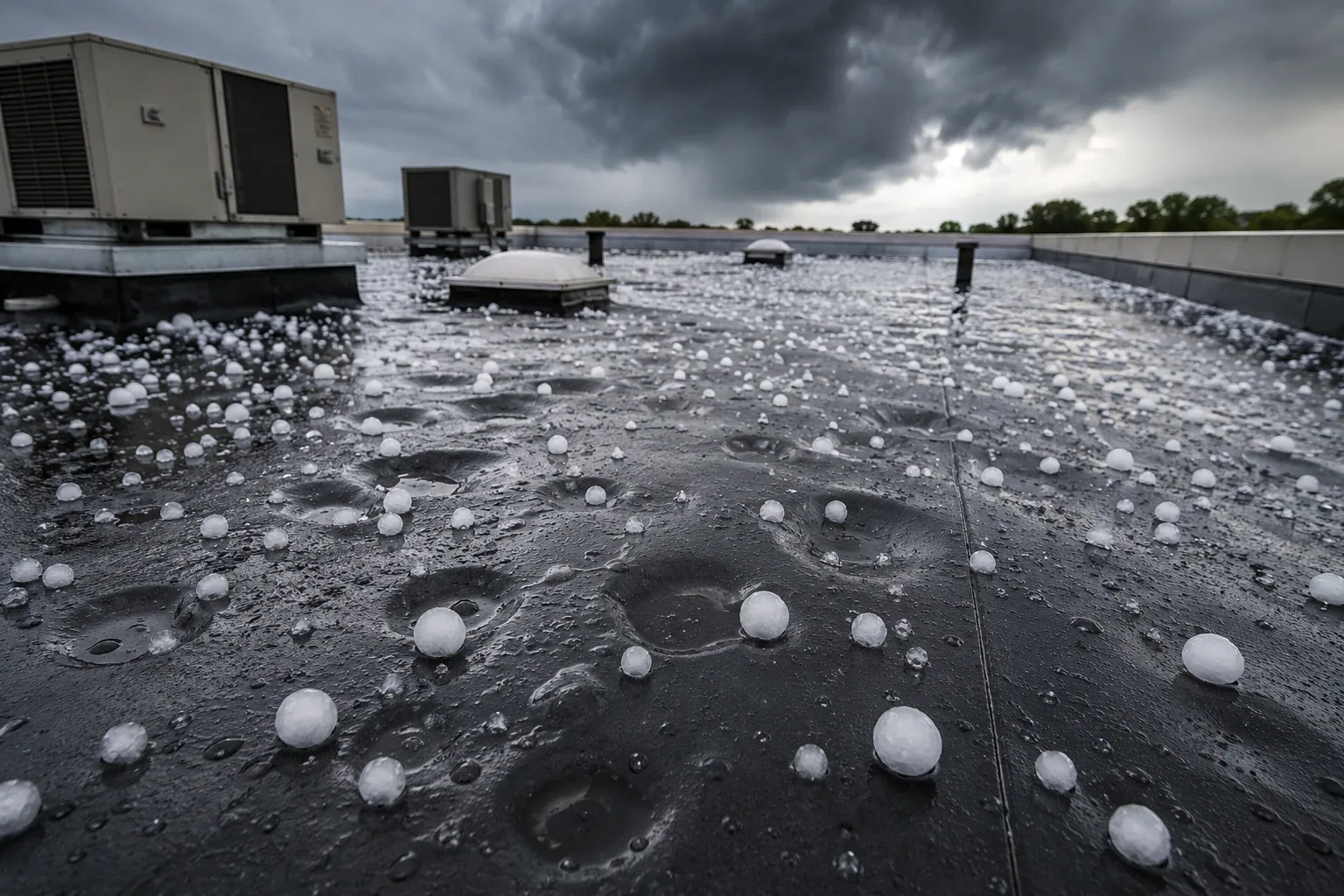
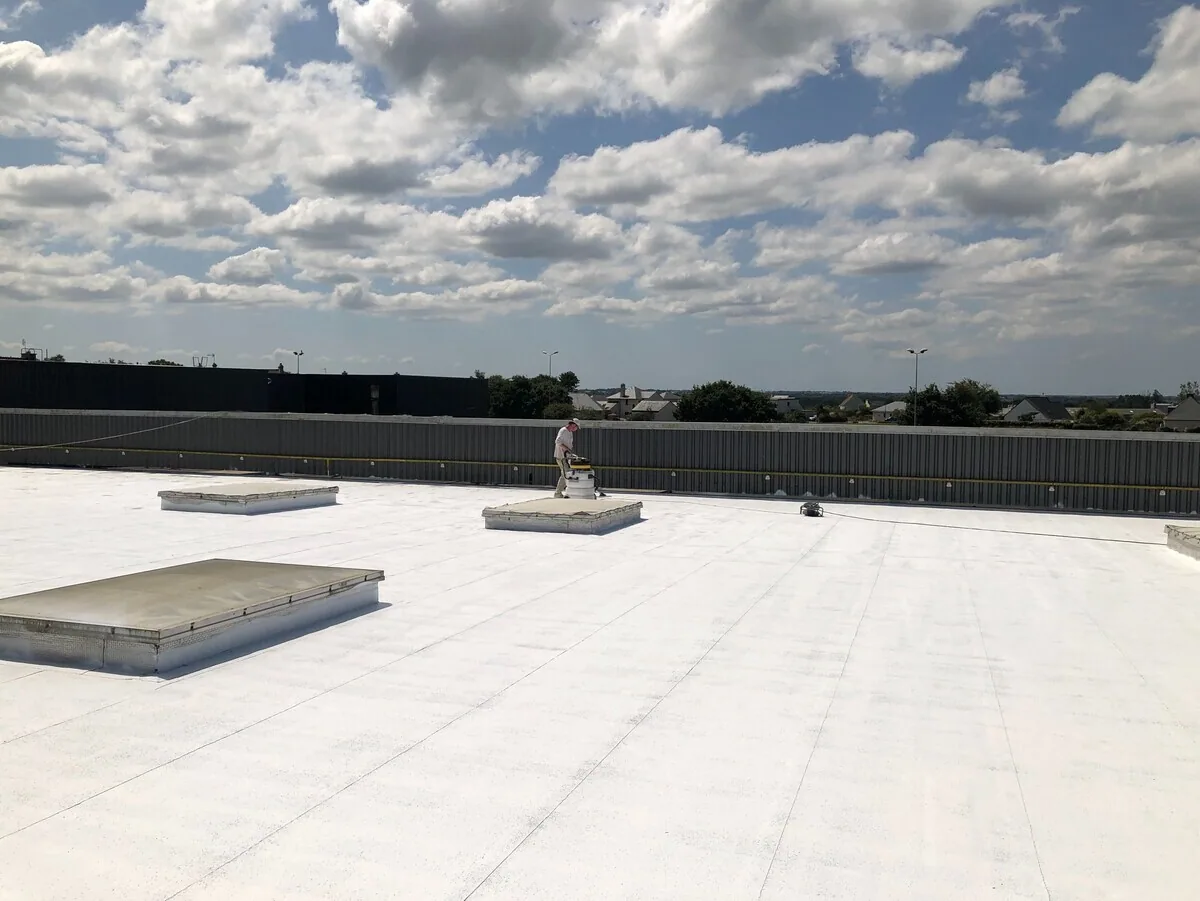
Richardson's spring storm period can bring heavy rain, hail, and wind to the DFW area. We schedule the repair with a weather plan and close the opening before leaving the roof. If water is active, an emergency visit can provide temporary protection while a permanent patch is prepared. The follow-up should include a test or inspection of the finished repair and a check for any moisture that spread under the membrane.
Heat also matters for adhesive and weld work. Richardson July and August mean daily highs exceed 95 degrees, so the material and surface need to be suitable for the repair method. We check temperature and moisture conditions at the roof rather than assume a patch can be installed at any hour. If access, lift placement, or a production schedule limits the window, we include that constraint before the crew is dispatched.

Separate the Immediate Patch from Broader Work
If punctures appear in several zones or the membrane is brittle and repeatedly damaged, compare individual repairs with a larger replacement phase. A repair scope can address a known opening, while a replacement plan can include broader assembly and insulation work. Richardson applies local amendments to adopted building and energy-code editions; the project's scope determines which review applies. We confirm requirements before procurement.
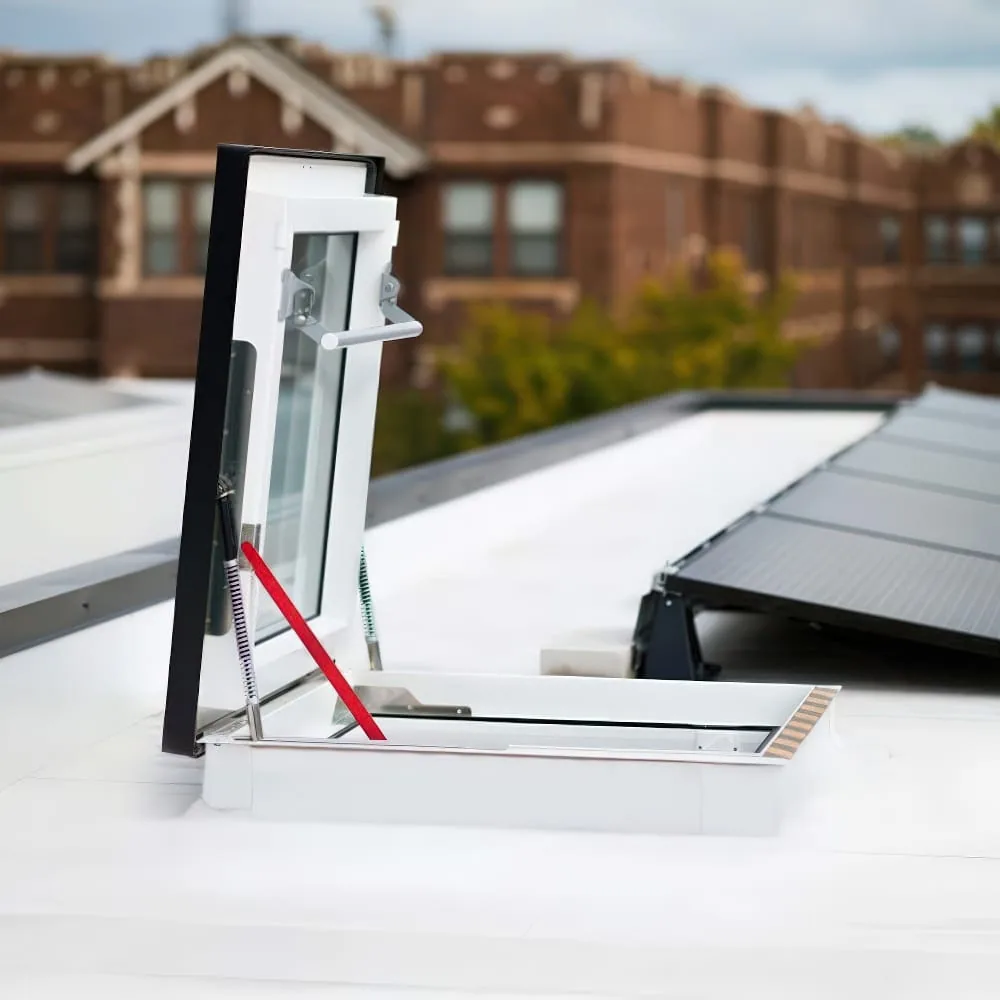
When the building has more than one access point, mark which hatch or ladder reaches the repaired section. Note any area that was not visible due to blocked access. That way, the next inspection can plan the right equipment and avoid treating an incomplete view as a clean roof record.
Record the opening before repair, the material installed, test result, roof zone, and any area left for follow-up. If a new puncture appears later, the owner can compare it with previous routes and service activity. A maintenance visit can look for loose tools, displaced walkway pads, drain debris, and other hazards. The building record should say which party controls equipment access and who will inspect after future work.
Related Roofing Work
Commercial Roof Inspection
Commercial Roof Seam Failure Repair
Commercial Roof Flashing Failure Repair
Rooftop Equipment Curb and Support Roofing
Questions About Commercial Membrane Puncture Repair
Can a small membrane hole cause a large interior leak?
Yes. Water can travel through insulation or along the deck before it becomes visible. We map the opening, check nearby seams and penetrations, and identify whether a test cut is needed.
How do you know what material to use for the patch?
We identify the roof assembly and surface condition first. The patch and preparation method must be compatible with the existing membrane and extend to material that can accept a secure repair.
Should a punctured area be covered with a walkway pad?
Only after the membrane and substrate are repaired and dry. We review the service route and support details before adding protection that could hide a remaining defect.
What if a roof technician caused the puncture?
We document the location and condition, then coordinate the repair boundary with the building contact and the service company. The roof scope remains based on observed damage and material needs.
When does repeated puncture damage justify replacement?
Consider a broader review if damage is widespread, the membrane is brittle, or patches no longer bond reliably. We document the affected zones before comparing the cost and timing of replacement.
Repair the Opening and Protect the Service Path
Share the leak location, roof access rules, and any recent rooftop work. We will inspect the puncture, check the adjoining assembly, and prepare a compatible repair scope.