
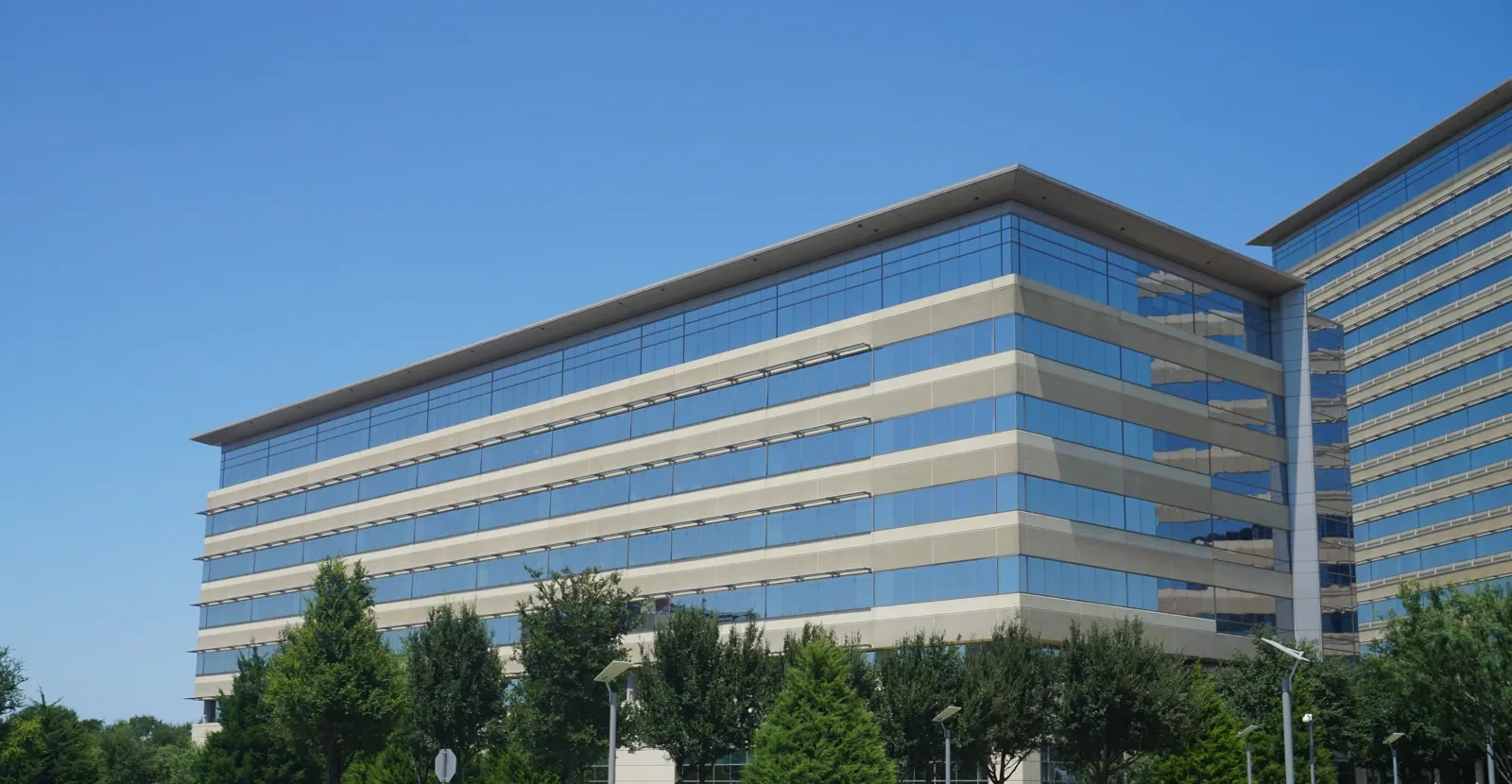
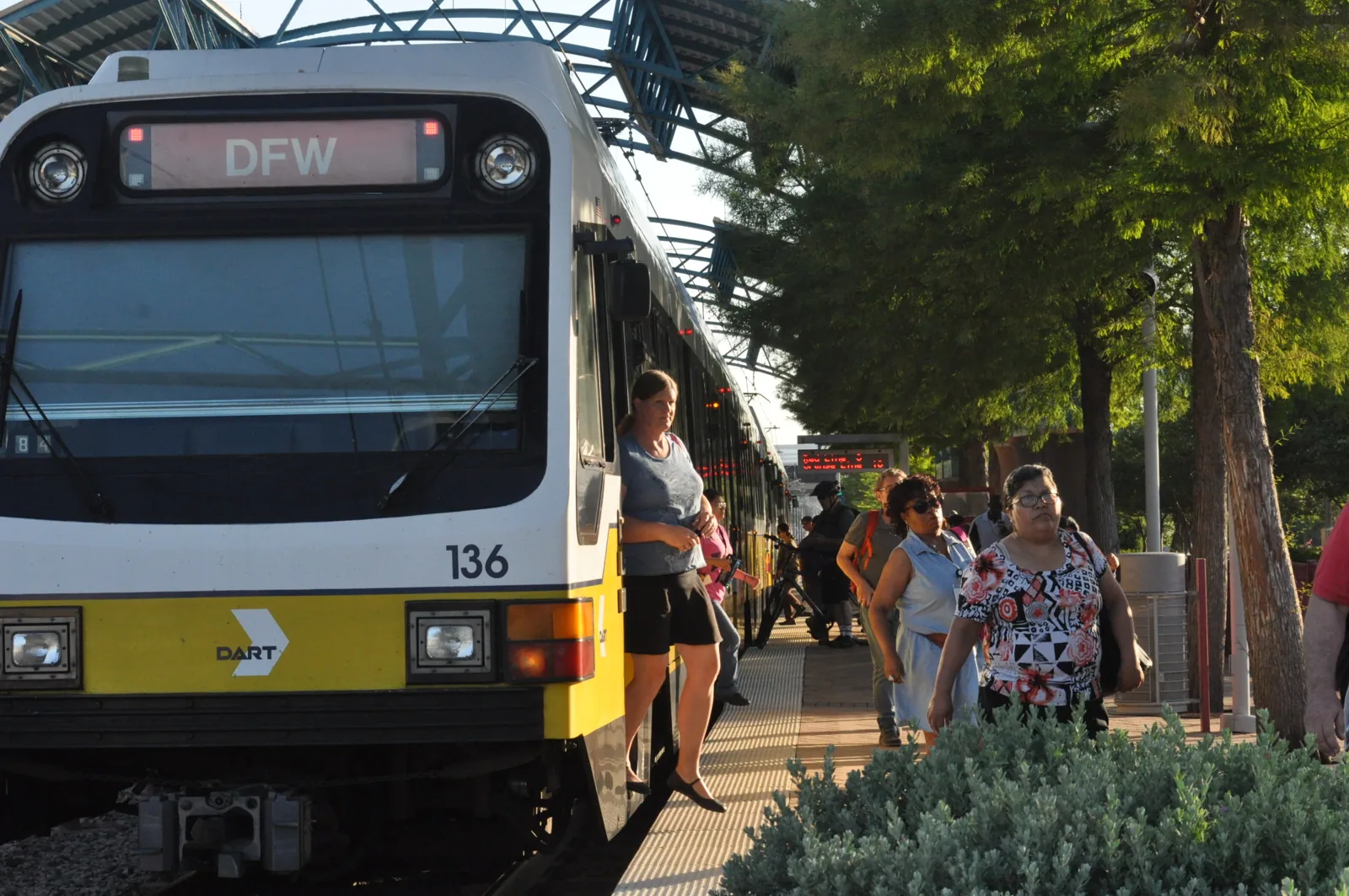
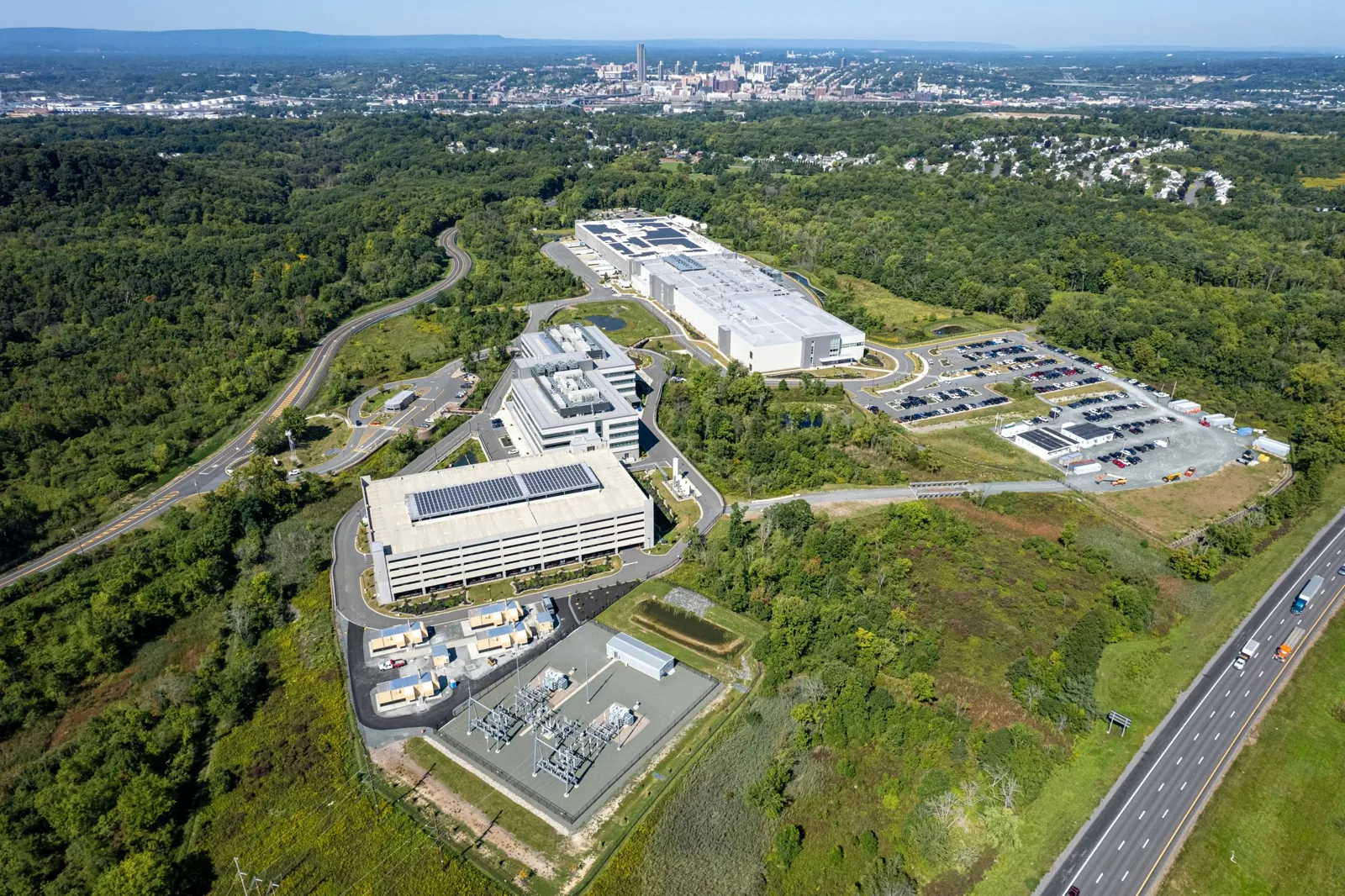
Roof planning near Arapaho Center needs to account for existing industrial operations and a station area with redevelopment plans. The DART station is one of Richardson's four light-rail stops; DART identifies an industrial area beside it in the Telecom Corridor. The city and DART have also described station parking and transit-center redevelopment as part of Richardson Innovation Quarter. We inspect the current property first and keep future plans separate from its present roof scope.
Request a Roof Assessment
All fields are required.
Commercial Roofing in the Arapaho Center Station Area, Richardson, TX
Inspect Before the Site Plan Changes
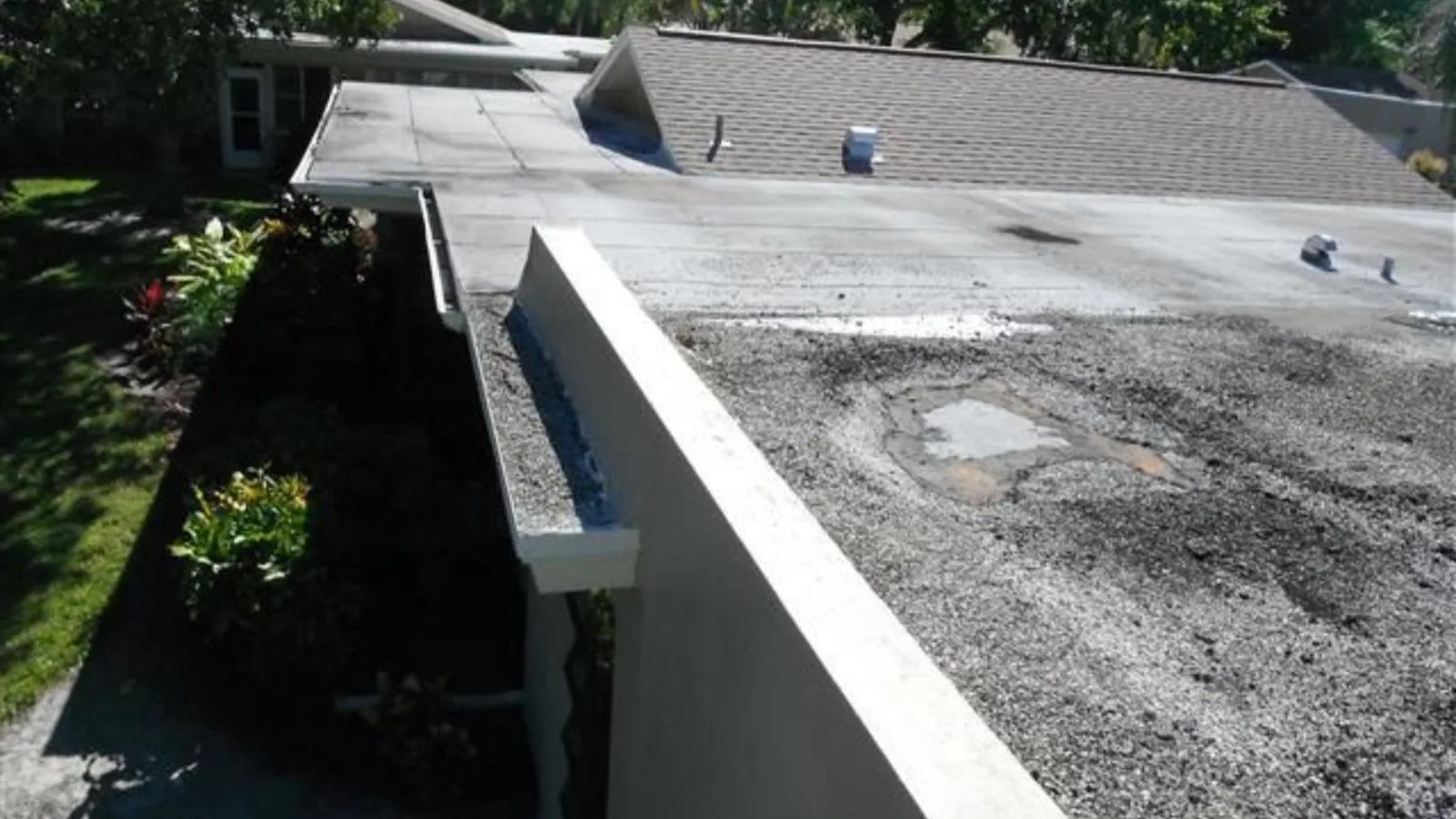
Document Today's Roof Before Redevelopment
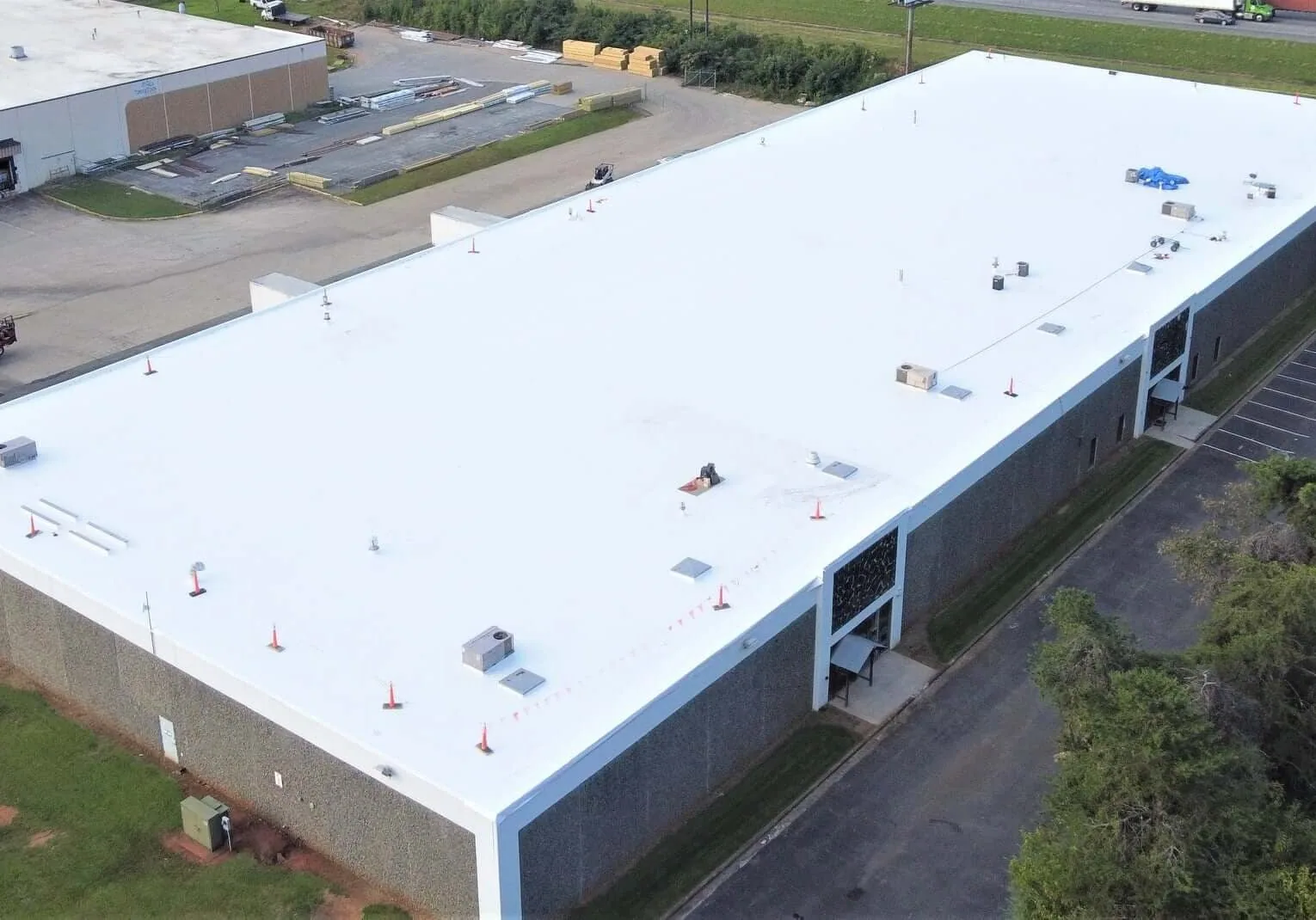
An existing industrial roof may be affected by equipment, access routes, prior repairs or a new project phase, but those conditions must be observed. We identify the membrane or panels, seams, attachment, drains, edge metal and rooftop curbs. A commercial roof inspection makes the current condition available for a maintenance choice or a redevelopment meeting. If the roof cannot be reached during an initial visit, that limit is noted rather than filled with an assumption.
Industrial operations can have equipment shutdown requirements and controlled access. We confirm the property contact, allowed work hours, lift route, staging, interior protection and any roof restrictions before scheduling. A photo condition record helps a facilities lead locate each finding and assign the next decision to maintenance, ownership or the project team.
Redevelopment may change traffic, staging or the use of the station-area properties, but a planning concept does not establish when a given parcel will change. We price current repair separately from authorized future work. For new curb openings or equipment relocations, the proposal identifies the roofer's flashing scope and the other trade's responsibilities before anyone cuts into the membrane.

Coordinate With Industrial Work
A roof visit may need to align with active production, deliveries or equipment service. We confirm which roof zones are safe to access, whether operations need a shutdown and which interior areas cannot be exposed to dust or water. If roof work uses a shared drive or loading path, the site contact approves staging and debris removal. These requirements affect labor and duration even when the roof quantity is modest.
For a leak, we start with the room or equipment area, timing and status of water entry. We inspect seams, parapets, drains and penetrations near the reported path, then determine whether moisture has moved into insulation. Active exposure may call for emergency roof service after a safe access route is confirmed. The permanent scope follows with the repair boundary and any test still required.
A commercial roof repair is defined by preparation, compatible materials, tie-in and adjacent conditions left untouched. If testing shows wet insulation or recurring failure in several zones, we show why a larger project may be justified. That keeps an urgent production-area leak from turning into an unbounded replacement recommendation.
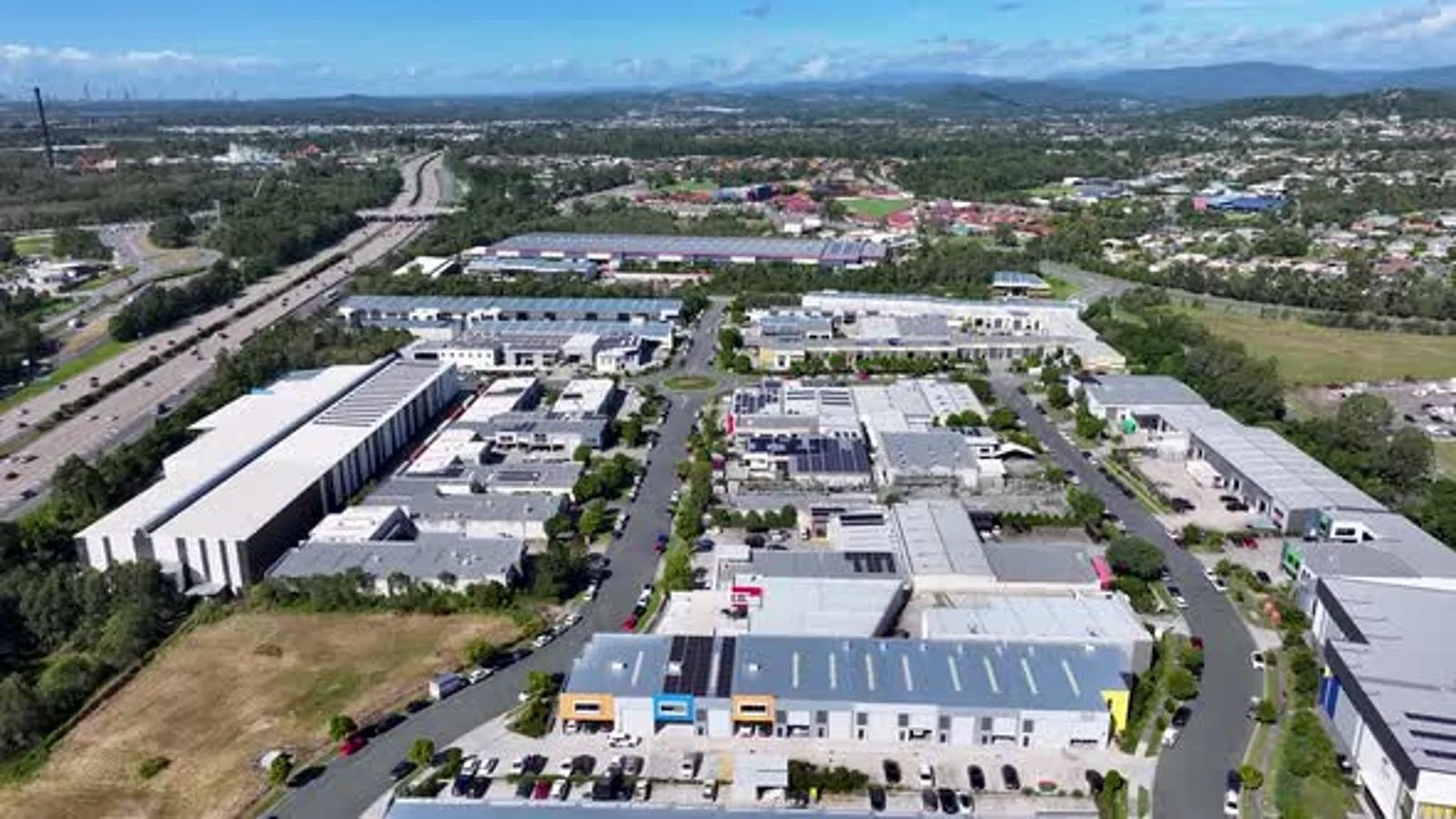
Keep Current Service and Future Work Distinct
A recover or coating may be reasonable only when the existing roof supports the additional system. We check layers, attachment, deck, moisture, drainage, height and substrate compatibility. A recover evaluation states which findings permit another layer and which rule it out. If replacement is needed, the estimate separates tear-off, substrate assumptions, insulation, cover board, flashing and equipment coordination.
For a replacement over active operations, we phase work by zone and set a daily watertight boundary. The proposal lists staging, waste removal, shutdown assumptions, equipment moves and interior protection. Hidden deck damage receives a price method and approval point. Ownership can compare those costs with the planned redevelopment schedule without treating unapproved future work as a present requirement.
Richardson's permit standards draw from locally amended 2021 building, existing-building and energy code editions. The review follows the actual roofing and construction scope. If redevelopment changes drainage or penetrations, we need the current drawings and detail responsibility before procurement. This keeps a roof system decision coordinated with the intended building work.
Plan the Secure Close-In
Richardson's summer daily highs average near 96 degrees in July and August. Heat affects work hours and membrane handling. Spring is the DFW region's main season for severe-weather frequency. We limit the open roof area to what the crew can secure in a shift and note how a weather delay changes the plan. Industrial equipment and sensitive interior areas below are included in that close-in review.
A severe-weather report in the metroplex does not show that a station-area roof is damaged. We inspect the specific roof and document the visit date, visible displacement, punctures, seams or leaks. A storm roof inspection records the observed condition and the repair options supported by it. Cause and timing remain distinct questions when the surface alone cannot resolve them.
Drainage and overflow paths are checked before a roof is coated or recovered. We look for blocked outlets, failed flashing, ponding and areas where a modified layout could change water flow. A drainage repair scope should identify the confirmed defect and adjoining tie-in. That detail matters where future site work could alter discharge or access to an outlet.
Use the Record in the Capital Discussion
Richardson Innovation Quarter includes technology startups, corporate research, manufacturing, education and other business uses. The Collins/Arapaho area is also identified in the city's comprehensive plan as an innovation and transit-oriented district. These local contexts can inform a portfolio schedule, but they are not a substitute for an Arapaho Center roof inspection. A Richardson IQ roof visit or Collins/Arapaho scope gets its own quantities and site access plan.
Closeout states what zones were repaired, which materials were installed, what photographs document the work and what condition remains. When a later redevelopment contractor needs roof access, the record shows the completed tie-in and the point where responsibility transfers. This prevents previous flashing work from being mistaken for an open item or a new penetration from being assigned to the wrong trade.
Send the property, operational limits, current leak history and redevelopment status. We will inspect what exists and return a repair or replacement scope tied to that condition, with the work boundary and assumptions stated. The owner can then place immediate service beside a future project without mixing the two budgets.
If a public project team or private owner needs a decision memo, the roof record can distinguish immediate leak control, scheduled repair and future coordination. We state the decision date, access assumption and any item awaiting design input. That makes the recommendation useful at a capital meeting without implying that redevelopment scope is final.
Related Roofing Work
Commercial Roof Inspection
Commercial Roof Condition Reports
Emergency Commercial Roof Repair
Commercial Roof Repair
Questions About Arapaho Center Station Area
Does the redevelopment plan mean roofing work should wait?
Not by itself. The current roof may need immediate service regardless of project timing. We document existing conditions and separate authorized near-term work from future scopes that have not been designed.
How do you schedule roof work around industrial operations?
We confirm access controls, shutdown needs, delivery routes, work hours and the daily watertight boundary with the facility contact. The estimate states the operational assumptions that affect labor and duration.
Can a station-area roof be assumed to use an industrial roofing system?
No. The industrial context does not identify an individual roof assembly. We inspect the actual membrane or panels, attachment, drains and repair history before recommending a system-specific correction.
What should the owner provide before a new curb is installed?
Provide current equipment and roof details, structural coordination and the installation schedule. We identify the flashing scope, tie-in material and responsibility boundary before the membrane is opened.
How should current roof work be recorded before redevelopment?
Keep the zone map, installed material, dated photos, test results and any conditions left outside the scope. We include the handoff boundary so the next project team can identify what was repaired and what must be restored after new work.
Inspect Before the Site Plan Changes
Share the property, operations schedule, current roof issue and known redevelopment milestone. We will inspect the roof and return a scope that separates existing repairs from planned work.