

A flashing leak starts at a transition, not always at the ceiling stain it creates. Water can pass at a wall, curb, pipe, drain, or roof edge, then travel before it appears indoors. We inspect the connection, identify how the material failed, and price a defined repair for Richardson, TX. The scope should address the transition and the adjoining roof surface, not just the visible opening.
Request a Roof Assessment
All fields are required.
Commercial Roof Flashing Failure Repair in Richardson, TX
Find the Open Transition Before It Spreads
Trace the Water to the Roof Transition
We start with the room, leak timing, and any recent work near the roof. Then we inspect base flashing, counterflashing, termination bars, sealant, metal edges, curbs, and penetrations around the likely path. A roof inspection can compare those details with photos and earlier repairs. If the flashing is loose but the membrane remains intact, the correction may be localized. If the membrane or substrate is damaged too, the scope needs to extend into that assembly.
We note whether the transition is exposed to direct runoff, equipment service traffic, or a roof-to-wall movement joint. Those conditions affect access, material selection, and the boundary between roof and exterior-wall work. If another contractor owns part of that connection, we identify the handoff rather than assuming the roofer can alter the wall. A short pre-work review can settle this before the roof is opened.
Water may move sideways beneath a coping cap or along a wall before reaching the interior. We check the transition above and beside the stain, including corners and changes in height. At a parapet, the repair needs to keep water from entering behind the membrane or running under the cap. At a curb, the flashing must account for equipment movement and water shedding. The estimate should state which detail is included and what adjacent area remains outside the repair.
Identify What Let the Detail Open
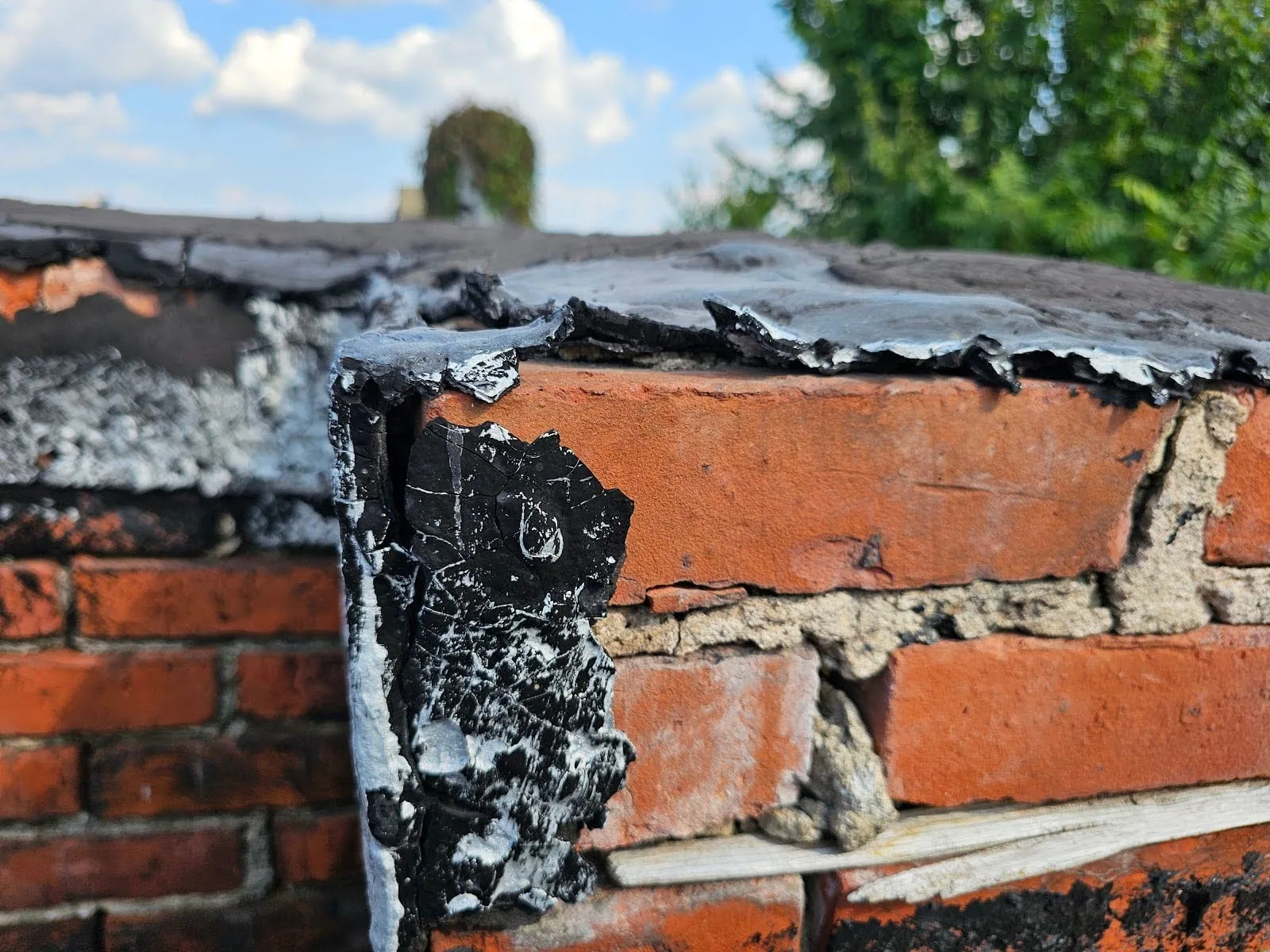
Flashing may fail because sealant has split, metal has pulled away, a termination has loosened, or another trade disturbed the connection. Heat cycling, wind movement, standing water, and repeated service visits can all affect a detail, but inspection establishes which condition is present. Richardson's July and August mean daily highs exceed 95 degrees. We check exposed transitions for hardened sealant, shrinking, or movement, then distinguish those signs from a puncture or impact.
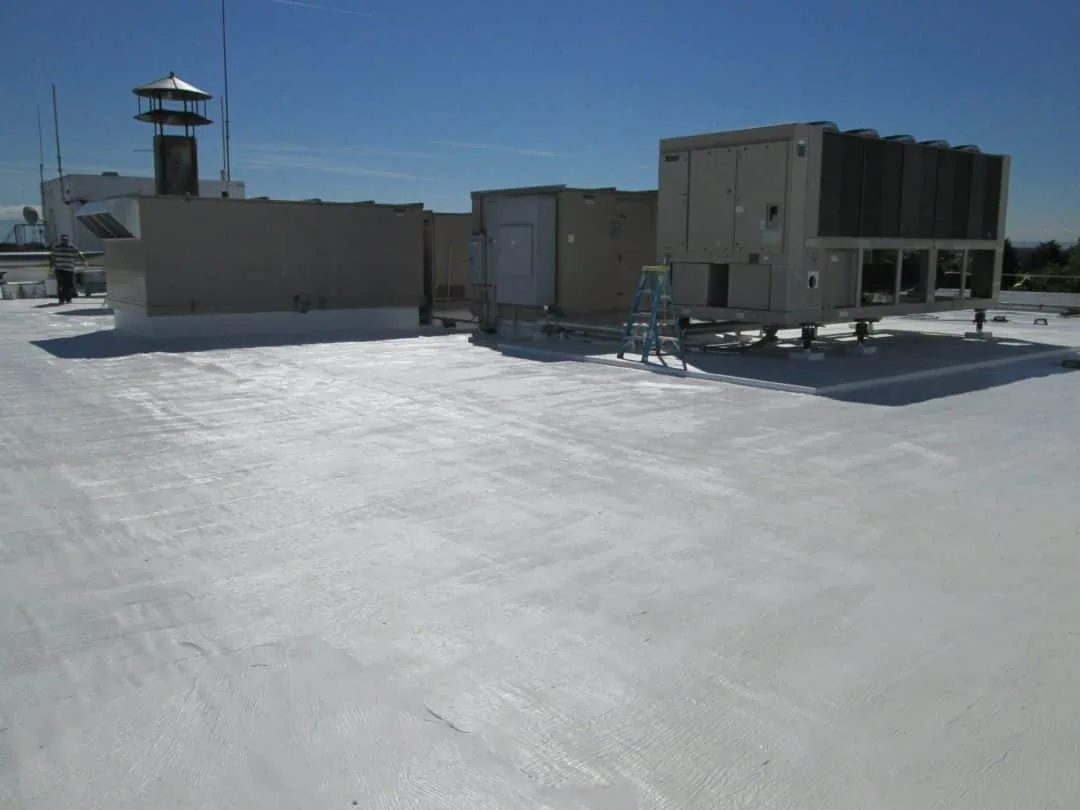
Rooftop units and piping often bring multiple layers of responsibility. We inspect the curb, support, membrane turn-up, counterflashing, and nearby fasteners together. A curb and support review can coordinate a flashing correction with a mechanical reset. If a seam has also opened, a seam repair may be needed beyond the wall or curb detail. We do not close one opening over an adjacent defect that will keep feeding water.
Plan the Repair Around Occupied Space
Lakeside Campus contains office buildings along US 75, and CityLine combines offices, medical space, hotel, apartments, retail, park, and civic uses. Those examples show the range of occupied property around Richardson, but they do not identify a building's flashing system. A Richardson service area still needs its own access, roof, and interior-protection review. We confirm whether the work sits above tenants, equipment, a loading area, or a public route before choosing a repair window.
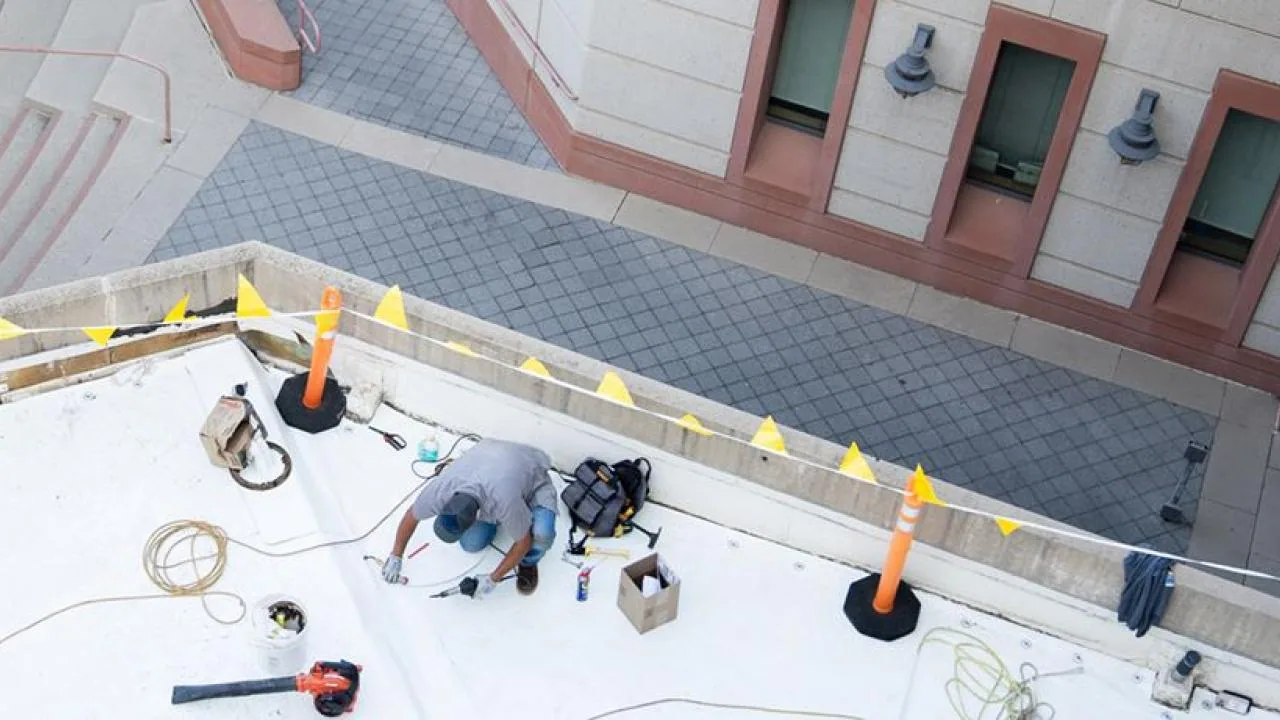
When flashing is open above occupied space, temporary interior measures may be needed while the roof detail is prepared. An emergency visit can limit active water entry, then a permanent scope can name material, fastening, sealant, substrate preparation, and closeout. Schedule lifts, deliveries, and any noisy work with the building contact. If another trade must move a unit or sign, set the handoff before the new flashing is installed.
Use Compatible Materials at the Transition
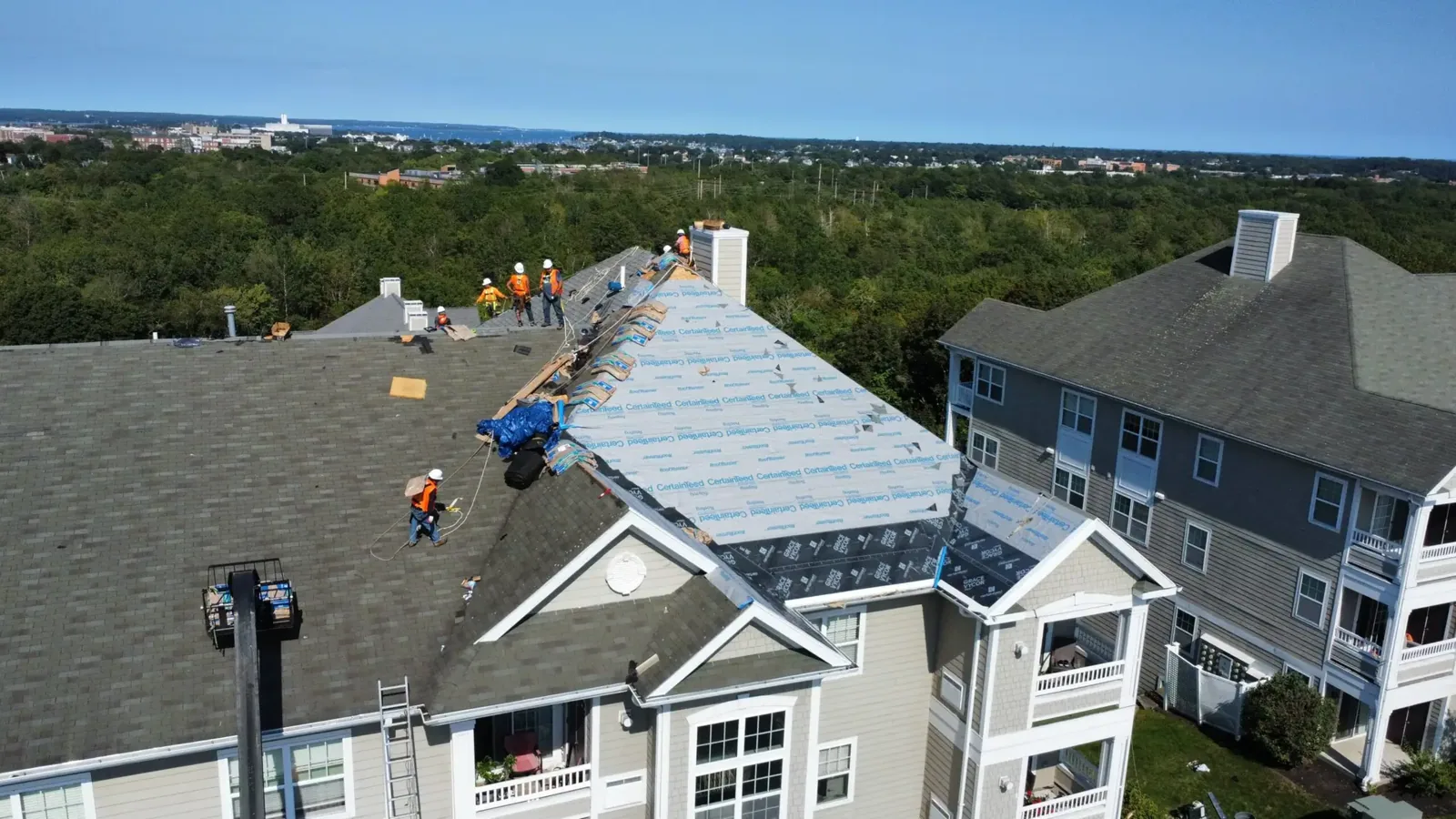
A proper correction removes failed material, prepares the substrate, and installs a compatible flashing detail that can handle movement and weather. The attachment and termination depend on whether the roof is membrane, metal, or another assembly. We confirm the system before selecting patch material. Where a nearby seam needs work, the scope should show whether the new flashing ties into a repaired field area or stops at a sound termination. Include any lift permit or tenant access requirement in the schedule before confirming the repair date. State who will provide the final wall-side approval. Save that approval in the closeout record.
Cost varies with roof height, access equipment, the length of transition, wall preparation, and the amount of membrane that must be removed to reach sound material. We list those quantities separately so an owner can compare a focused repair with a broader reroof allowance.
Metal counterflashing and flexible membrane flashing solve different transition problems. The scope should identify which component is being removed, whether the wall surface can accept new attachment, and how the termination will shed water. Where the wall material cannot be disturbed, describe the approved restraint or sealant detail before the crew stages the repair. A detail that relies only on a surface bead may not correct a loose or poorly lapped assembly.
A replacement phase may be preferable if flashing failures repeat across multiple walls and curbs or the membrane no longer provides a stable tie-in. A recover should not bury loose metal, split sealant, or wet substrate. A flashing correction that changes insulation or the roof assembly may require a different city review than a surface repair. We check the adopted local requirements against the final detail before releasing materials.
Record the Repair and Recheck the Detail
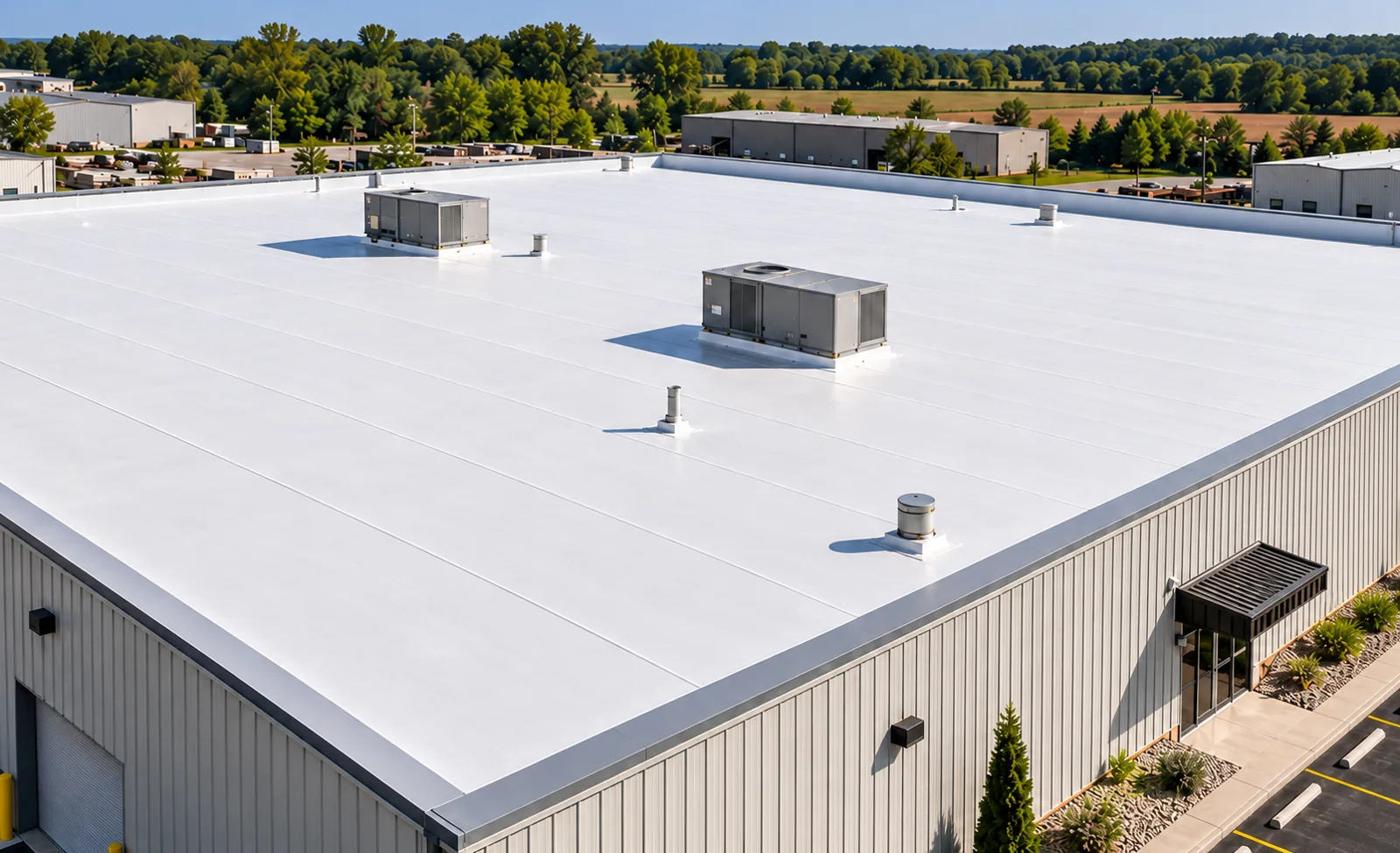
Closeout photos should show the failed transition before work, the prepared surface, the installed flashing, and the finished connection. We note material, repair date, roof zone, and any condition left for a later project. The owner can then distinguish the new detail from an earlier patch. A maintenance visit can recheck terminations, sealant, drains, and equipment curbs after other trades complete service work.
For an occupied building, the manager also needs to know when barriers can come down and whether any interior protection remains. Tie that release to a completed inspection of the repaired transition, not only to the crew leaving the roof.
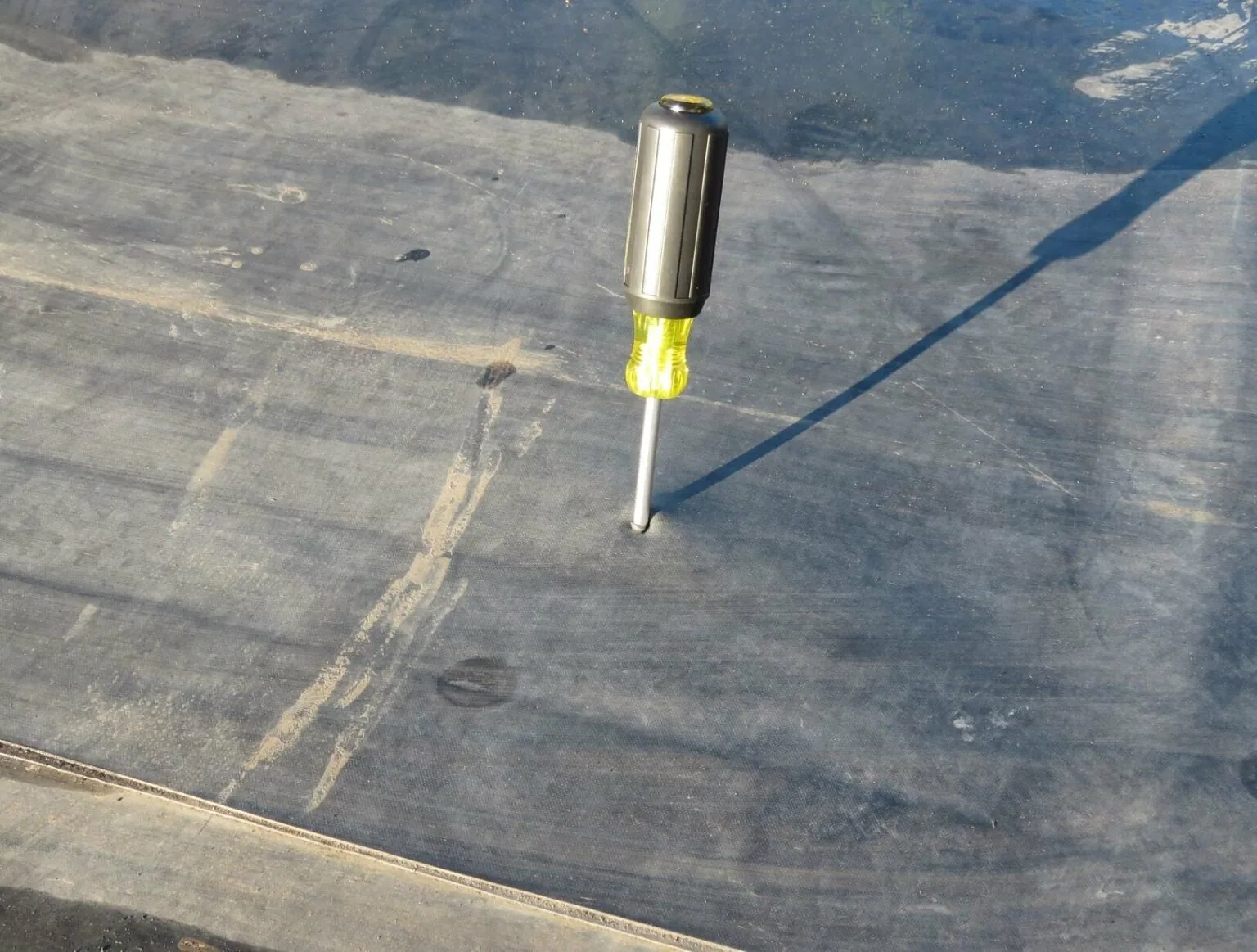
If the leak returns, record when it appears and whether wind or rain was present. That report can help determine whether the original connection failed again or water is entering at a different transition. A puncture review can be useful if equipment traffic or tools may have affected the adjoining membrane. The follow-up scope should remain tied to observed conditions and preserve the repair history.
Related Roofing Work
Commercial Roof Inspection
Rooftop Equipment Curb and Support Roofing
Commercial Roof Seam Failure Repair
Richardson
Questions About Commercial Roof Flashing Failure Repair
Can roof flashing be repaired without replacing the whole roof?
Yes, when the failure is localized and surrounding membrane, metal, and substrate remain sound. We inspect the tie-in and extend the repair only as far as the observed defect requires.
Why does water show up far from a flashing leak?
Water can travel beneath a membrane or along a deck before reaching the interior. We compare the stain with walls, curbs, penetrations, drains, and earlier repairs to trace the likely path.
What if an HVAC contractor moved the curb?
We inspect the curb, support, flashing, and membrane after the unit move. The roof scope should identify which trade resets the equipment and who completes the final watertight detail.
What should a flashing repair proposal include?
List the transition, material, fastening, substrate preparation, adjoining membrane work, access, interior protection, and closeout photos. Include the process for concealed damage.
When is repeated flashing failure a replacement concern?
Repeated openings at multiple transitions, widespread wet material, or an unstable roof surface can point to a larger assembly problem. We document the affected locations before recommending a capital phase.
Find the Open Transition Before It Spreads
Share the building, affected room, leak timing, and any recent rooftop work. We will inspect the flashing path and prepare a repair scope tied to the actual detail.