
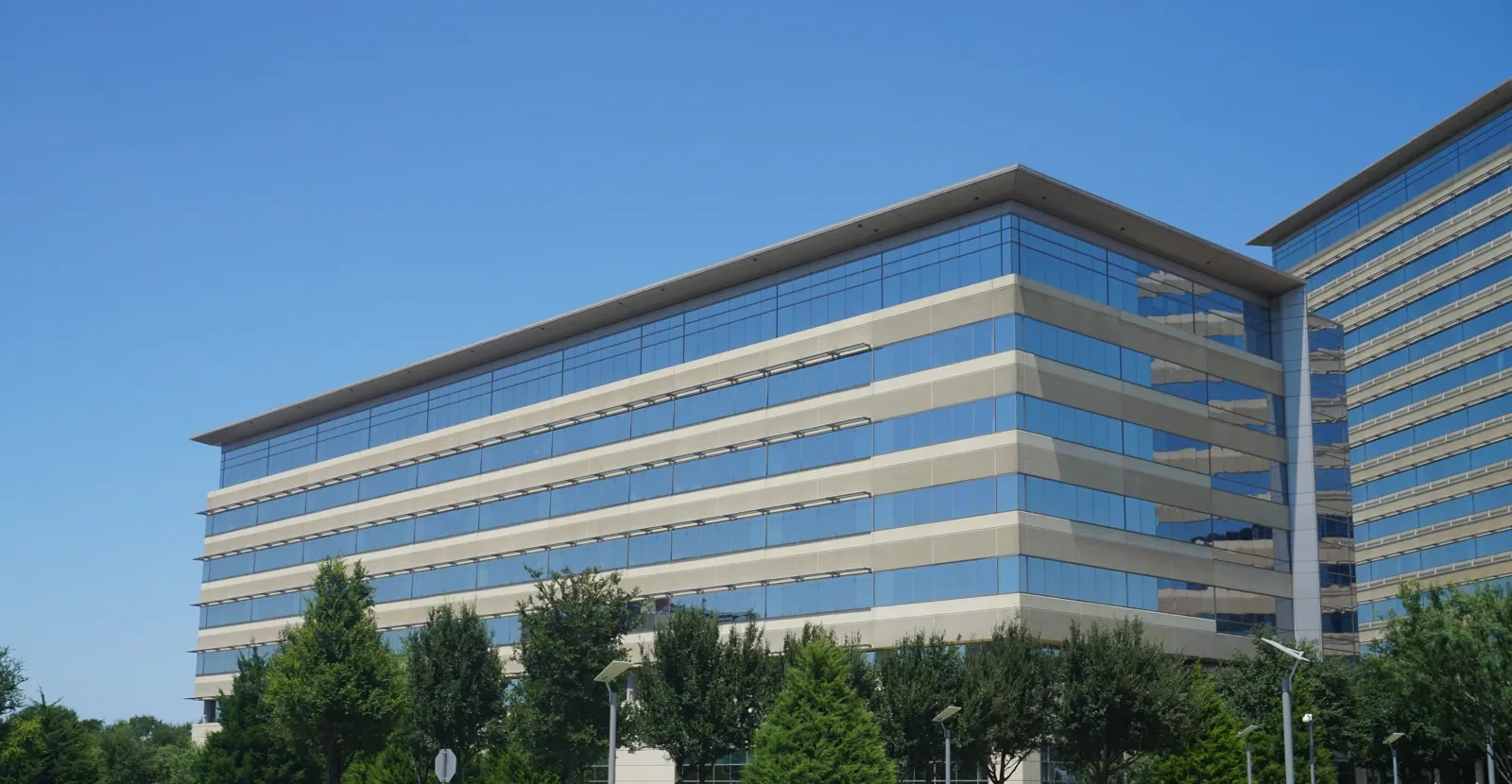
An open roof seam can admit water along a long joint even when the membrane surface looks intact. The right repair depends on how the seam separated, whether it can be re-welded or sealed, and what lies beside it. We inspect commercial roof seams in Richardson, TX, document the failure, and scope a compatible repair with a clear limit for any adjacent material that needs testing.
Request a Roof Assessment
All fields are required.
Commercial Roof Seam Failure Repair in Richardson, TX
Find Why the Seam Opened
Test the Joint Before Choosing a Patch
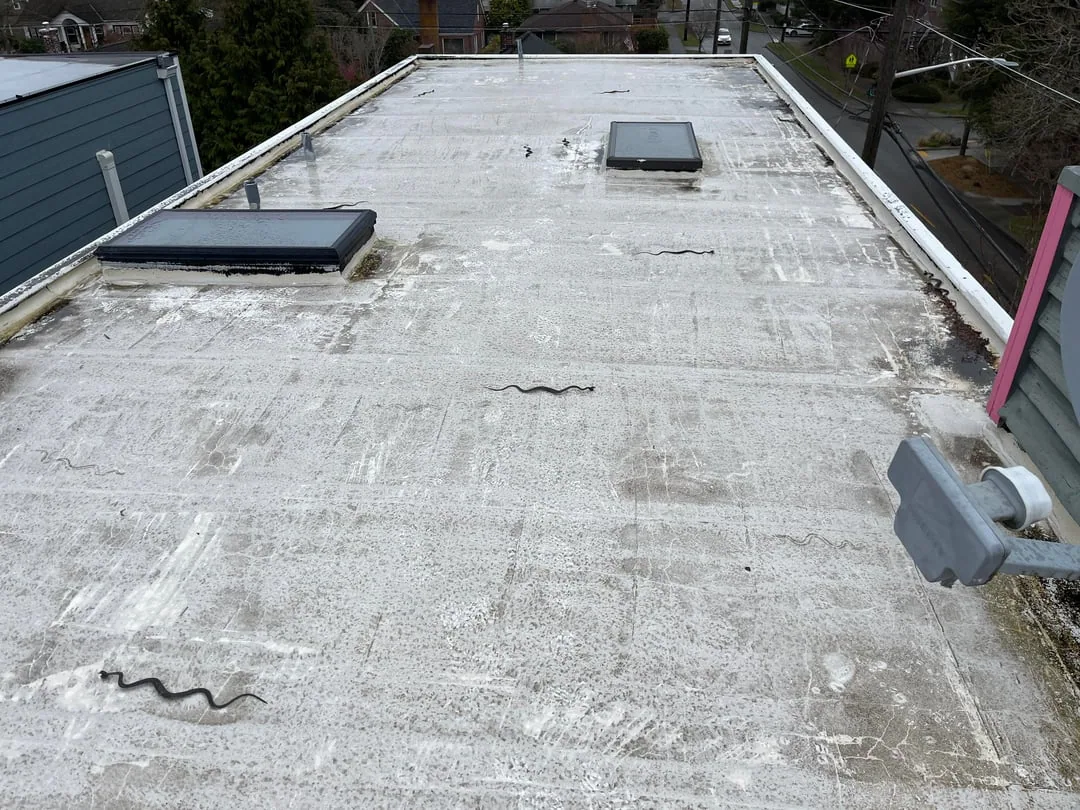
We inspect the seam along its length, not only at the visible opening. The membrane may have lost weld, adhesive, or pressure at a lap, termination, corner, or transition. We check for dirt, moisture, incompatible patches, wrinkles, and movement that could affect a repair. A roof inspection can record the separation, nearby patches, and roof-zone location so the next crew can find the same detail. Leave those limits in the written work order. Confirm the work area before access is restored. Save the final photos.
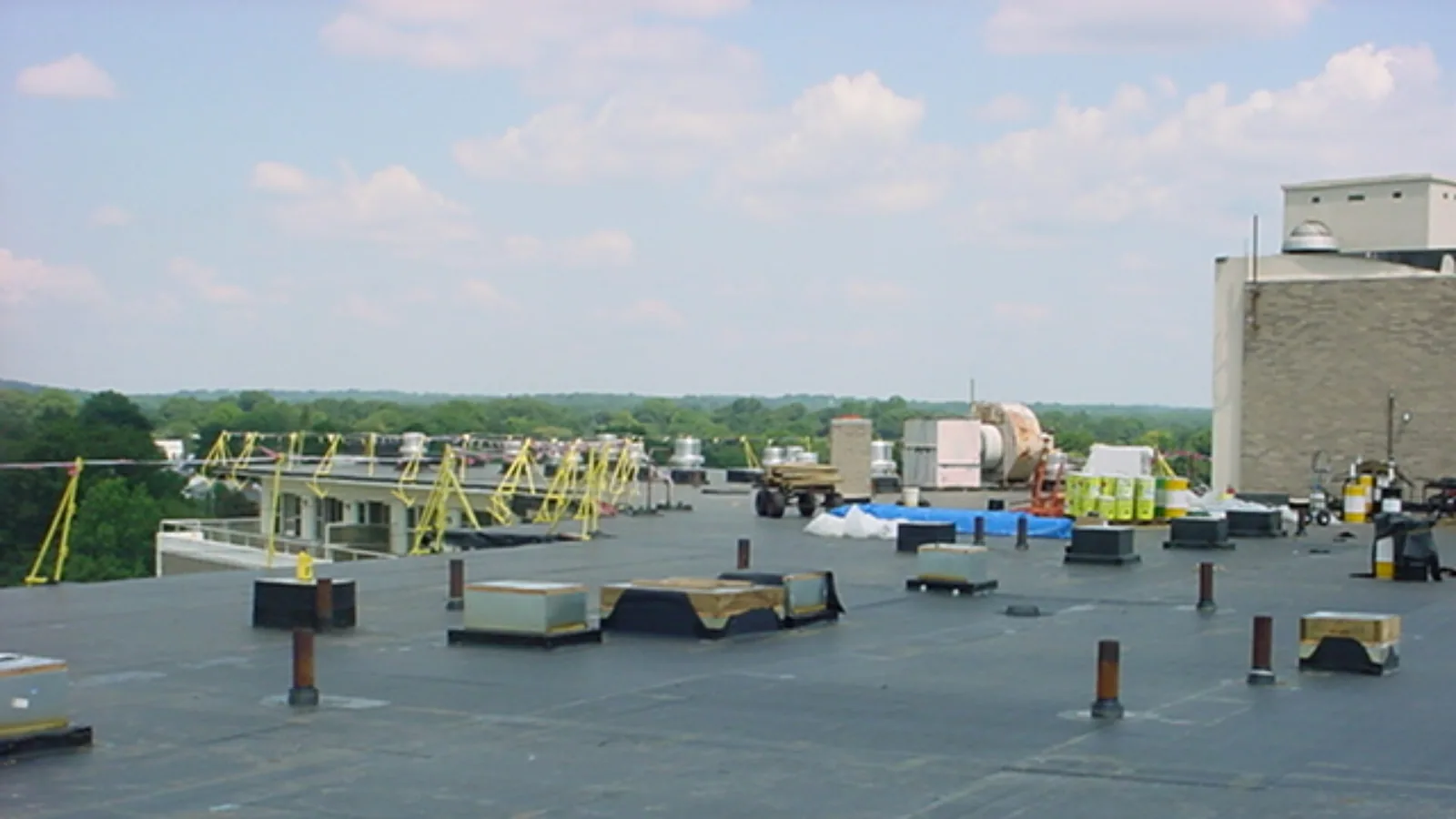
Access can affect the repair method and cost. Long roof runs may require several safe tie-in points, while work above occupied rooms needs temporary protection below. Confirm where materials can stage, whether a roof hatch is available, and which facilities contact can approve an added section. If a test weld fails because the surface cannot be prepared, stop and document the condition before changing the proposed method.
On thermoplastic systems, a test weld can show whether the existing membrane is clean and workable. On other assemblies, the appropriate treatment may depend on surface condition and product compatibility. We identify the roof system before proposing a material. If the seam sits beside failed flashing, a flashing correction may be needed to restore the full transition. A strip over a seam is not a durable fix if the underlying joint remains contaminated or loose.
Follow the Seam Pattern Across the Roof
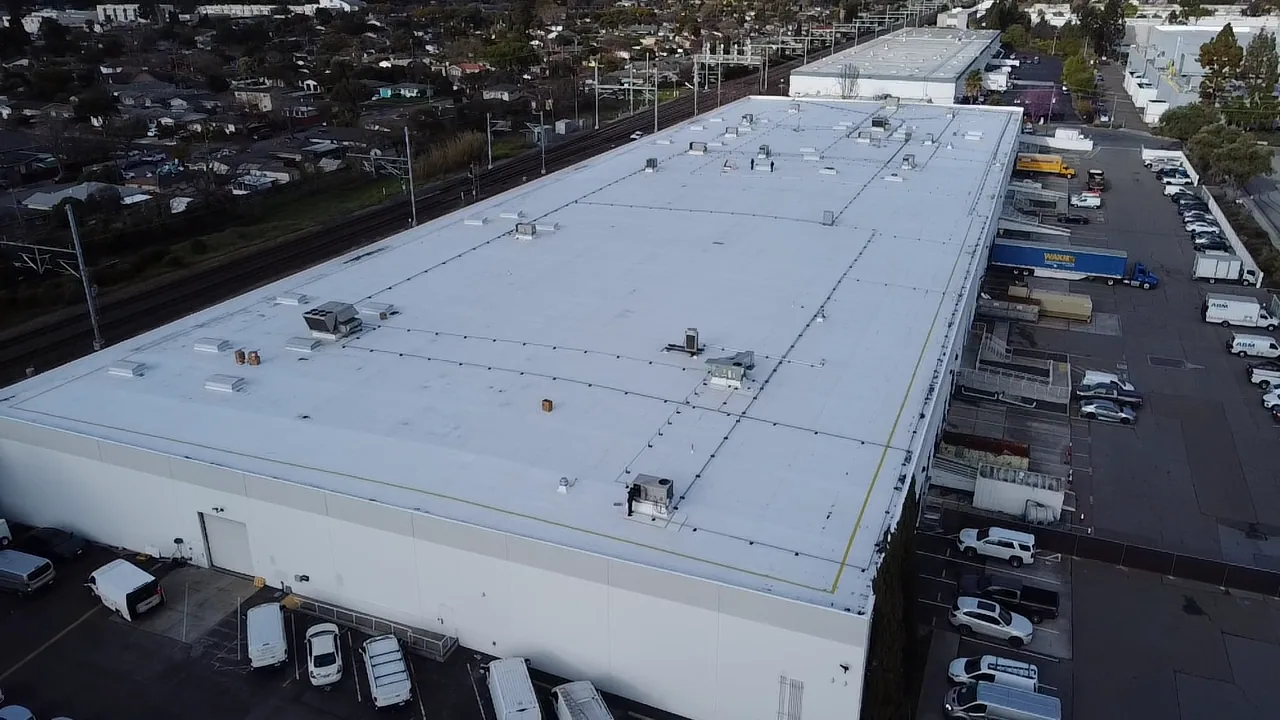
A single open lap may result from a localized installation defect or later disturbance. Several failures in the same direction can point to a broader problem with attachment, movement, or an earlier repair method. We mark each opening on a roof plan and check adjoining rows, edges, and drains. The scope should identify how many seams were inspected and where the repair stops, so a small patch is not mistaken for a full survey.
Seam direction and exposure can also help prioritize the work. A joint near a roof edge or a transition that moves with temperature may need a different repair detail than a lap in a protected field area. We record whether the failure repeats at corners, penetrations, or previous patches. If a larger section must be tested, mark the location and state how the opening will be closed before the crew moves to another zone.
Richardson Innovation Quarter includes research, manufacturing, education, and technology uses. CityLine includes office, medical, hotel, residential, retail, civic, and park activity. These settings have different access patterns, but they do not reveal which roof assembly a building uses. A property near the Innovation Quarter needs a system-specific inspection. We confirm roof type and seam condition on site before sizing material or scheduling work.
Protect the Interior While the Joint Is Open
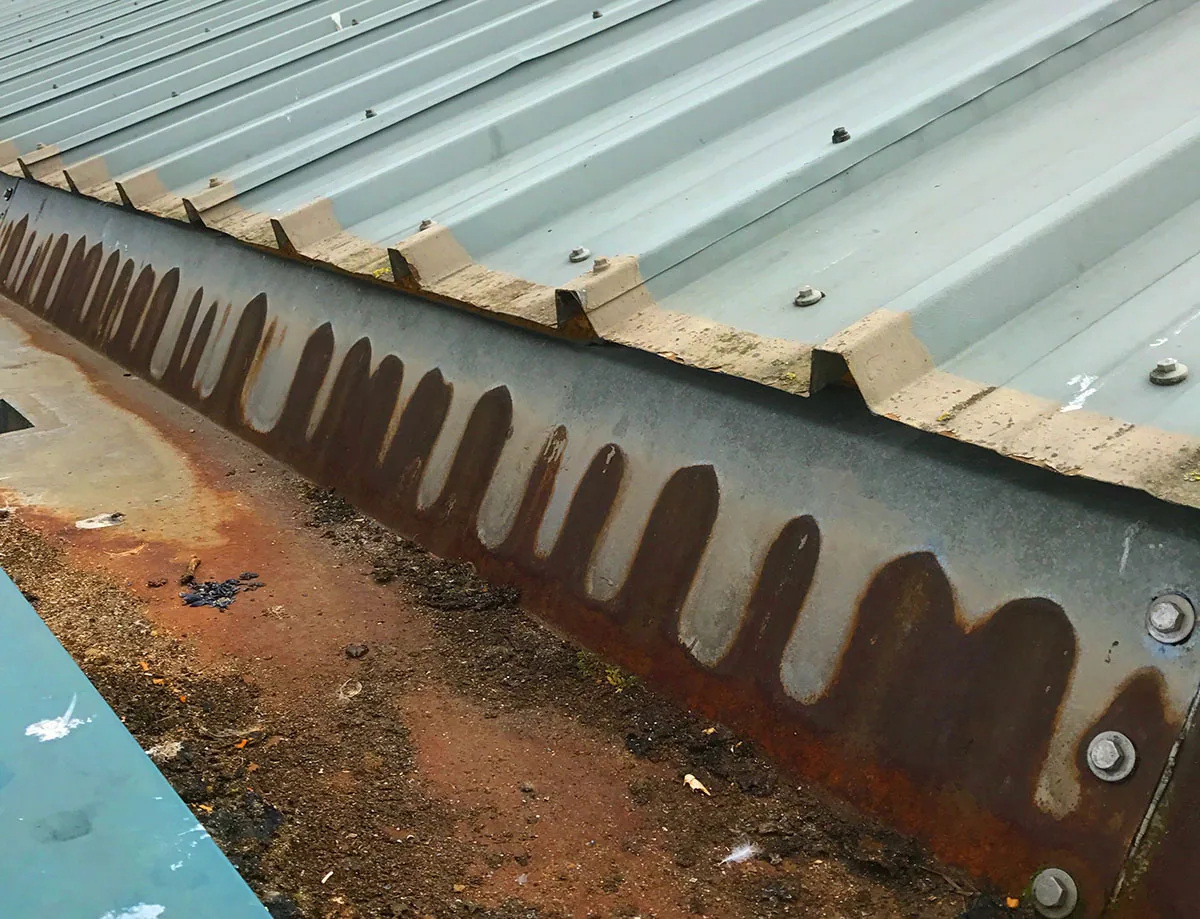
If water is active, first protect the rooms and equipment below the seam and identify a safe access route. We can apply temporary protection while we prepare a permanent correction. An emergency visit should name whether the opening is covered, the repair remains temporary, and when a follow-up inspection is due. Keep interior reports with the roof map so the team can confirm whether the water path changed after the joint was secured.
Check nearby penetrations, curbs, and roof-wall transitions because water may travel away from an opening. If a puncture or abrasion intersects the seam, a membrane-puncture repair can be included only after the damaged area is mapped. Do not close a test area over wet insulation without defining how the assembly will be dried or removed. The estimate should state what is visible and what requires a test cut.
Use the Repair Method That Matches the Membrane
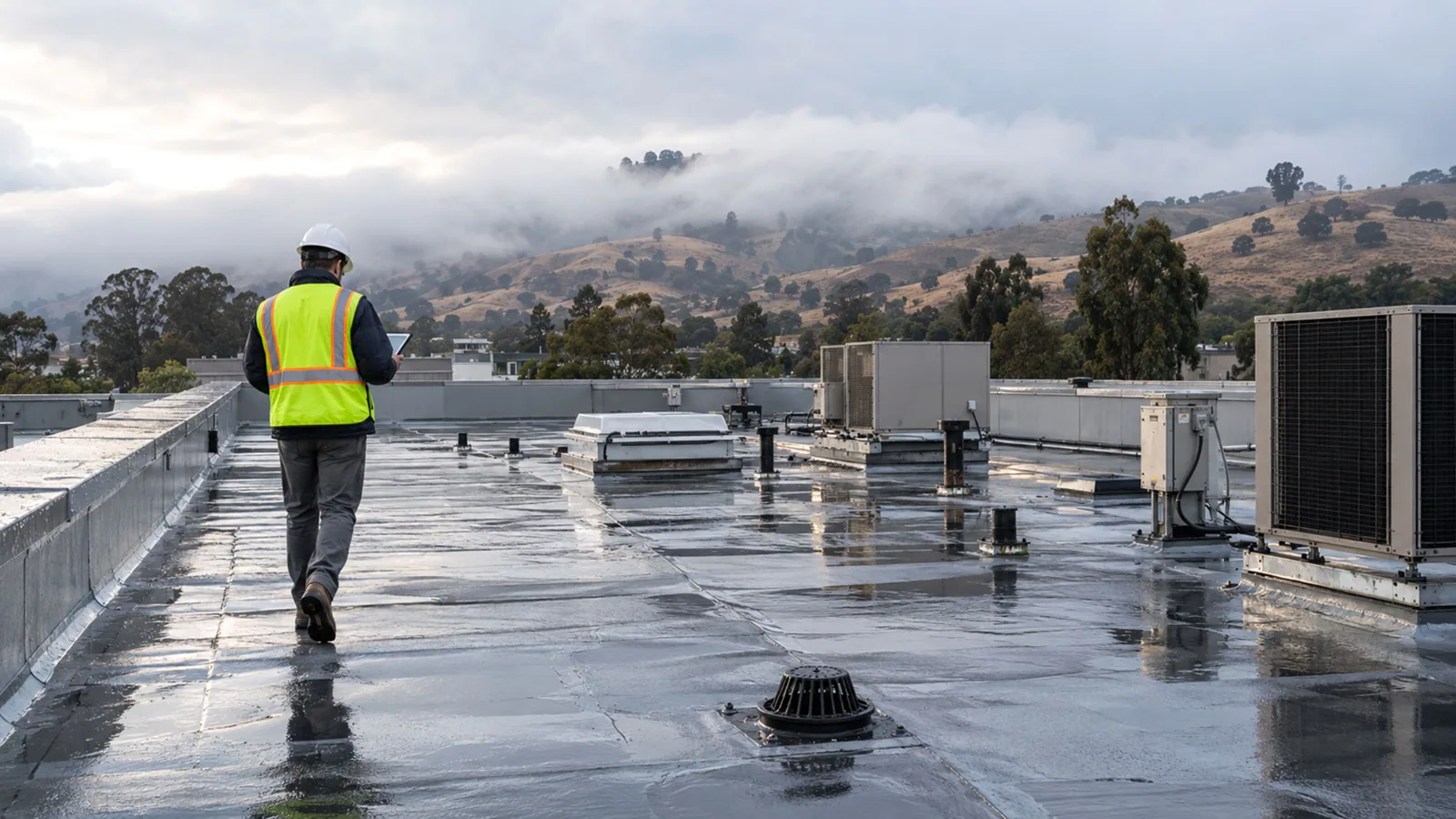
For a weldable membrane, remove contamination, prepare the surface, and heat-weld compatible material under controlled conditions. We check the finished lap with an appropriate probe or test method. For an adhered or asphaltic system, use a repair method designed for that assembly and its surface condition. Where several seams have separated or the surrounding roof is brittle, an isolated strip may not restore reliable service.
Repair conditions matter. The membrane must be dry, the surface prepared, and ambient conditions suitable for the selected method. We set a test area where useful and verify the completed lap before the shift ends. If the joint remains contaminated or water is present beneath the membrane, remove enough material to reach a stable boundary rather than covering the symptom.
Cost depends on seam length, access, roof height, membrane compatibility, surface preparation, and how much material must be removed. A repair proposal can show labor and materials by zone, while a replacement option can account for broader deterioration, insulation, equipment, and edge transitions. Richardson's adopted building and energy-code editions carry local amendments; the selected work determines the city review. We confirm applicable permits before materials are ordered.
Check the Repaired Seam After Close-In
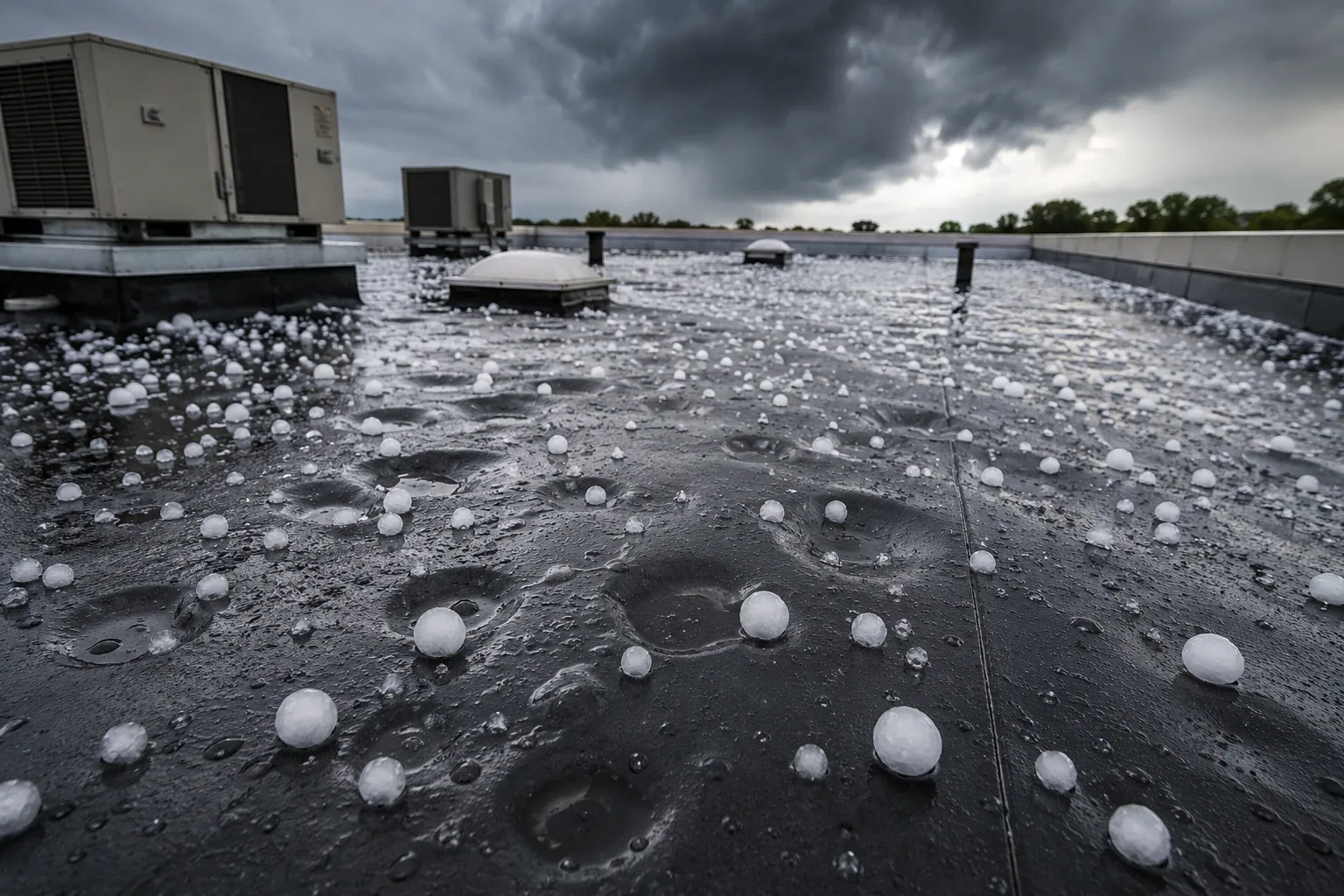
Closeout photos should show the opening before repair, the prepared edge, the new tie-in, and the finished lap. Record the membrane type, repair material, date, and any nearby seam that was not included. If HVAC or other service work crosses the roof later, inspect the path for tool cuts or disturbed material. A maintenance visit can recheck seams, curbs, drains, and earlier repairs after the next rain.
Record any seam that showed wear but did not need immediate work. That gives the owner a clear follow-up list and prevents later inspection from treating an earlier observation as a new failure.
Summer heat in Richardson tests exposed joints over time, while DFW spring weather can bring heavy rain and wind. We plan access and material handling around those conditions, then document the actual repair. A CityLine property may require coordination around shared pedestrian routes or deliveries, but its seam condition must be inspected independently. If water returns, report the location and date so the repair area can be compared with the original map.
Related Roofing Work
Commercial Roof Inspection
Commercial Roof Flashing Failure Repair
Richardson Innovation Quarter
Emergency Commercial Roof Repair
Questions About Commercial Roof Seam Failure Repair
How can you tell if a commercial roof seam is repairable?
We test the joint, check adjacent material and moisture, and identify the membrane type. A clean, secureable edge may allow a localized repair; brittle or widespread separation can call for a larger scope.
Can a seam be patched without replacing the roof?
Yes, if the surrounding assembly supports a compatible correction and the opening is limited. We inspect nearby laps and transitions so the repair does not stop at an unstable edge.
Why did the seam open after another contractor worked nearby?
Tools, equipment movement, or temporary lines can damage a joint. We compare the seam with the service path and previous photos, then document what the inspection supports.
What should a seam repair estimate include?
List the seam length and roof zone, preparation, compatible material, testing, access, temporary protection, and nearby conditions excluded from the repair. Include a process for concealed moisture.
When should repeated seam failures trigger a replacement review?
A pattern across multiple roof zones, widespread wet material, or a membrane that no longer holds a repair can justify broader evaluation. We map the pattern before comparing capital options.
Find Why the Seam Opened
Share the roof type, leak location, prior repair history, and access window. We will test the seam condition and prepare a repair scope with a defined boundary.