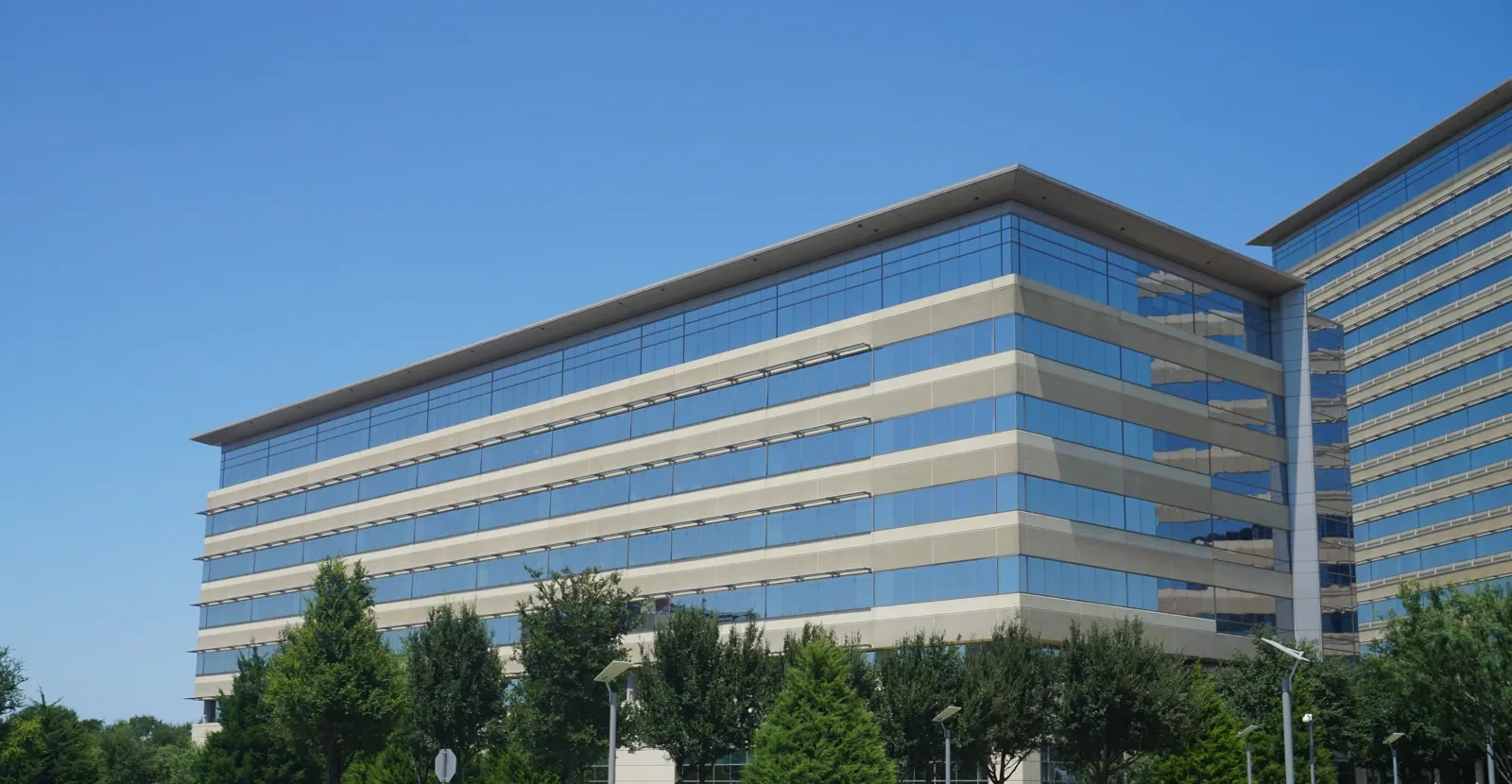
A roof can change the acquisition reserve without changing the purchase price. Before buying or refinancing a commercial property in Richardson, TX, a roof survey should separate visible condition from assumptions about remaining life. We inspect accessible areas, review available repair records, and identify where testing could change the scope. The buyer or lender receives a practical picture of near-term work, unresolved exposure and likely capital decisions.
Request a Roof Assessment
All fields are required.
Commercial Roof Due Diligence Surveys in Richardson, TX
Schedule the Survey Around Diligence
Set the Survey Boundary Before the Walk
We confirm which buildings, roof levels and access points are included, who can authorize entry, and when occupied spaces can be protected. Available plans, maintenance history, prior proposals and leak reports help organize the visit. We do not infer the roof system from a brochure or neighboring building. If a roof section cannot be accessed, the report identifies it so the buyer can account for the limitation.
Richardson Innovation Quarter contains technology, manufacturing, research and education organizations, while CityLine mixes commercial, medical, residential and civic uses. Those districts indicate the variety of properties in the market, not the condition of the asset being acquired. Each survey ties observations to the address and roof zone identified by the client. Access around equipment, tenants and loading areas is confirmed with the site contact before the inspection date.
A commercial roof inspection documents the visible assembly and details. Where moisture is suspected, an infrared survey may help target additional testing. The survey states which method was used, what areas it covered, and whether a selective opening was performed. Visual review and testing are different evidence; the report keeps that distinction clear.
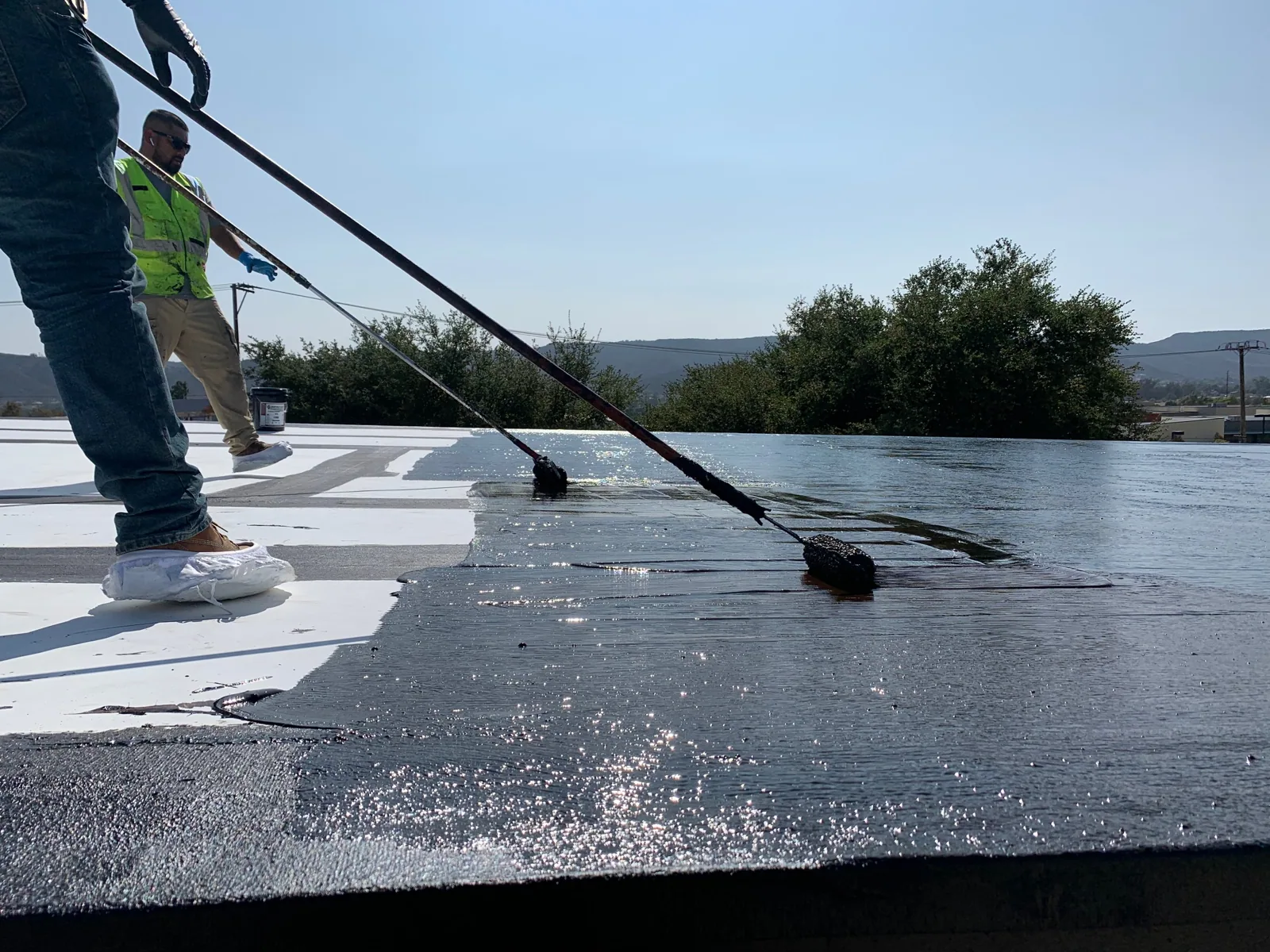
Separate Defects From Capital Questions
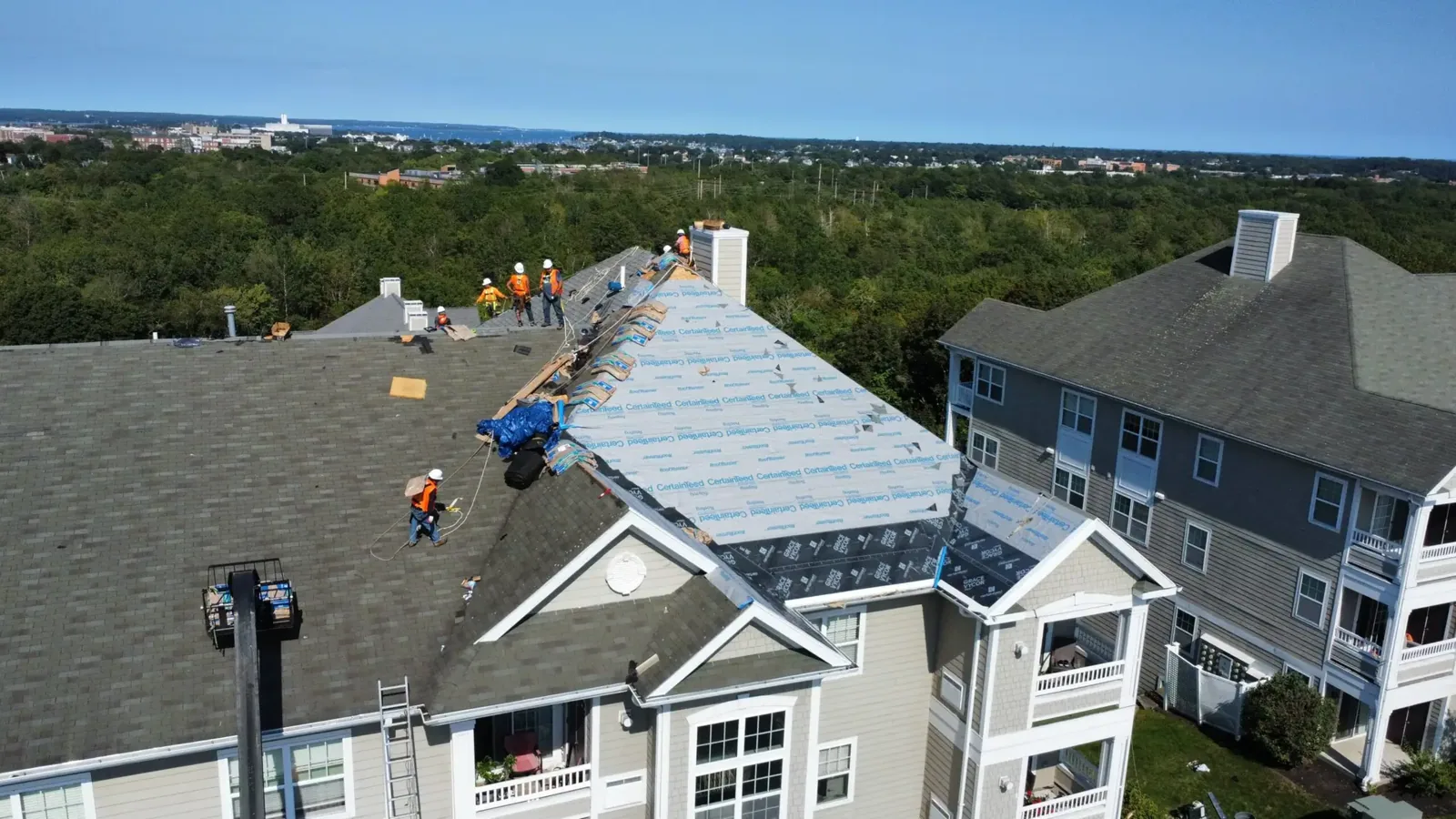
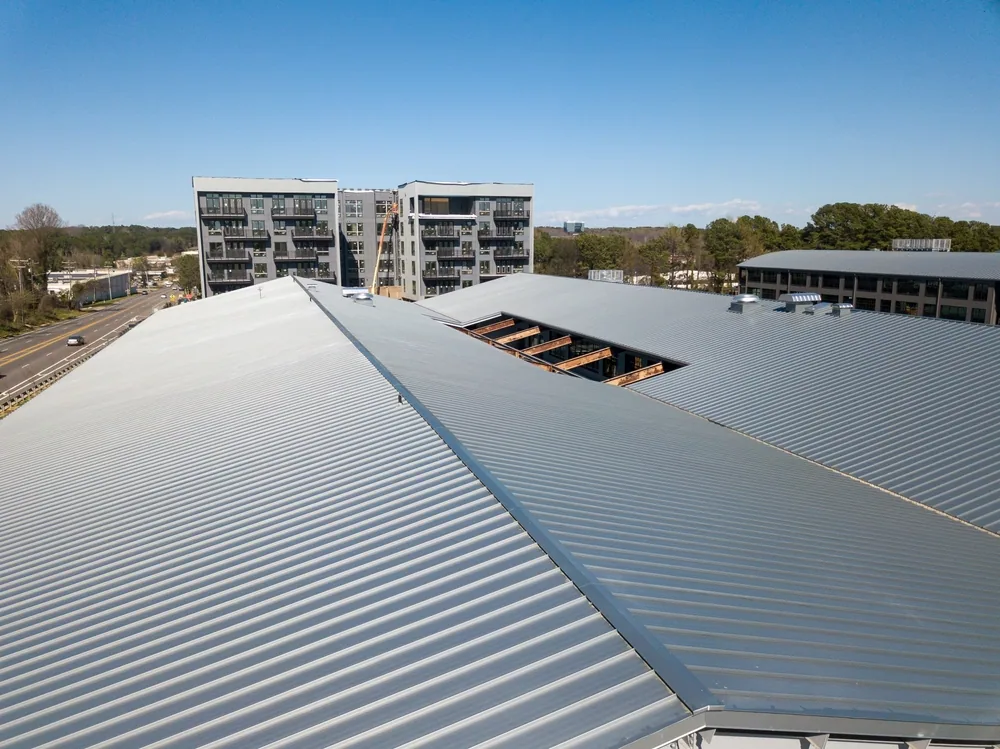
During the walk, we check field condition, seams or panel joints, edges, walls, penetrations, rooftop equipment, drainage, prior patches and signs of water entry. A localized defect may support a repair reserve. Multiple failed details, widespread moisture or unstable attachment can justify a larger investigation. We photograph the issue and its roof location, then describe what the buyer can reasonably conclude from the accessible evidence.
Interior reports help locate potential water paths but do not prove the roof opening. Water can move beneath a membrane before it reaches a ceiling. If the leak path remains uncertain, the survey identifies what additional testing could clarify it. The report also notes issues that require another trade, such as a mechanical equipment condition, without blending that estimate into roofing costs.
The resulting list separates immediate protection, near-term repair, testing, maintenance and possible replacement. A drainage finding may call for correction or further review; an open seam may need a defined seam repair. A replacement scope is only included when observed conditions support comparing that option.
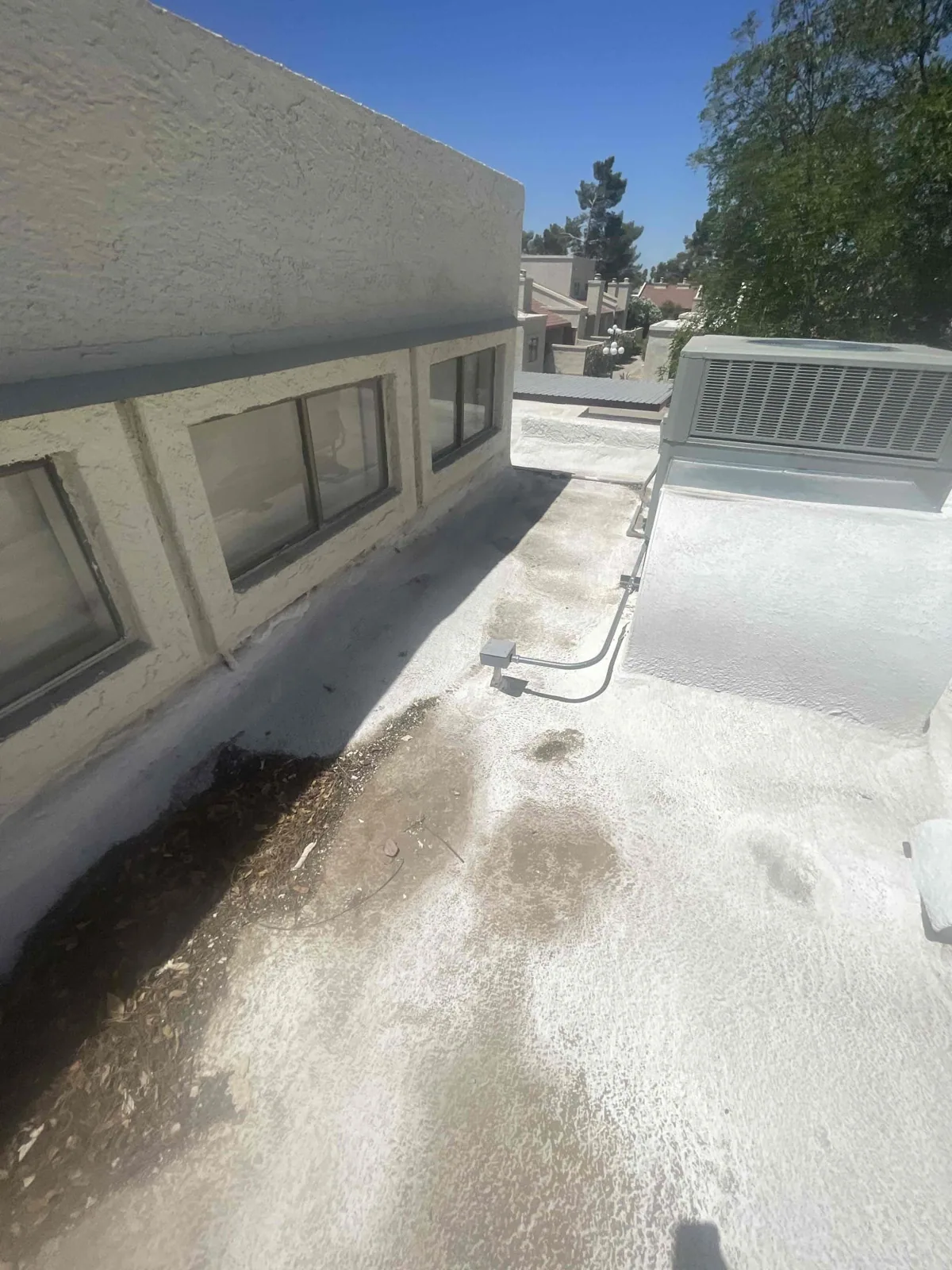
Price the Conditions That Could Change the Deal
Acquisition teams need costs tied to a scope, not one broad number that hides assumptions. We identify observed quantities, access requirements, temporary protection, removal, insulation, deck exposure, drainage, edge details and equipment coordination where relevant. Concealed conditions remain a risk item until testing or construction establishes them. The reserve can then distinguish known repair work from a contingency tied to a specific unknown.
Richardson’s July and August average daily highs are near 96 degrees, and severe thunderstorms peak in spring across DFW. Those patterns can inform inspection timing and seasonal exposure, but they do not establish this building’s remaining roof life. We describe observed wear and current water paths. If the transaction timeline falls near a severe-weather period, the buyer can decide whether a post-event inspection or early protection should be included.
When comparing a recover with replacement, we review layer count, attachment, moisture, drainage height and system compatibility. A recover assessment can identify those prerequisites; if they are not confirmed, the estimate should show that limitation. A capital plan can place the required work against the buyer's hold period and funding plan, without presenting an unsupported service-life promise.
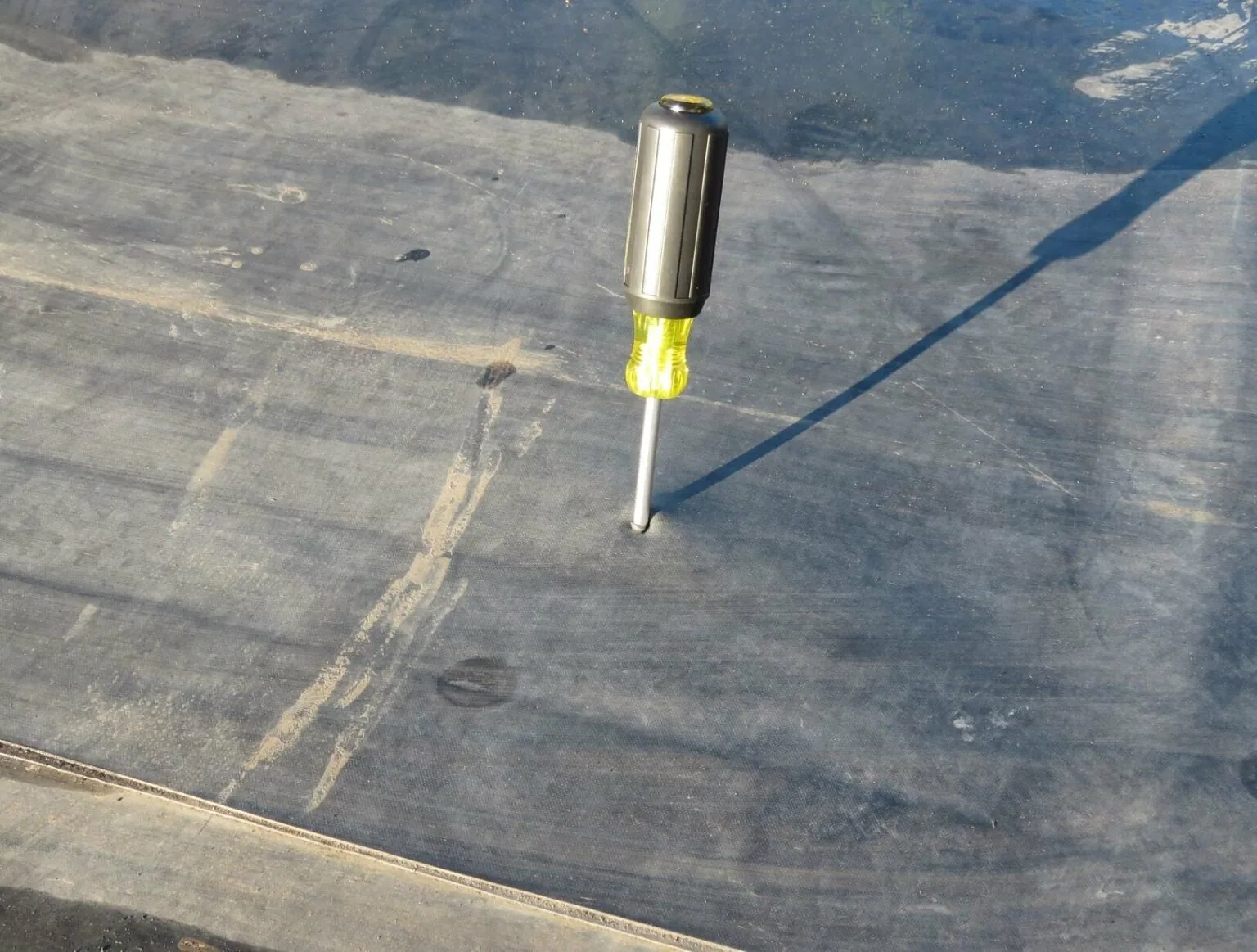
Fit Findings to the Transaction Calendar
Survey timing often has a hard boundary. We coordinate access to roof hatches, tenant areas and mechanical spaces, then prioritize areas that can change the transaction decision. If a full inspection is not possible before a financing or diligence deadline, the report states what was completed and what remains. The buyer can request access, a test opening or a reserve for the missing information before closing.
For multi-building transactions, we separate every structure and roof zone. One building may be suitable for routine maintenance while another needs prompt repairs or a design review. CityLine's mix of office, medical, retail, housing, hotel and civic uses shows why a common district setting does not make properties interchangeable. The client decides whether the survey includes each building, but the report does not roll one roof's findings into the next. We identify the inspection date, roof zones reached, active water, prior repairs, and any access constraint that could affect a follow-up. If the transaction needs an answer before testing is possible, we separate the known repair allowance from the unresolved exposure and state what access or opening would narrow it. That distinction gives the buyer a fair basis for negotiation and a clear first step after closing.
We can make the handoff easier with a photo-indexed report and an asset record for ongoing ownership. If the buyer chooses repairs before closing, a measured repair scope can identify the work, limits and open assumptions separately from the survey.
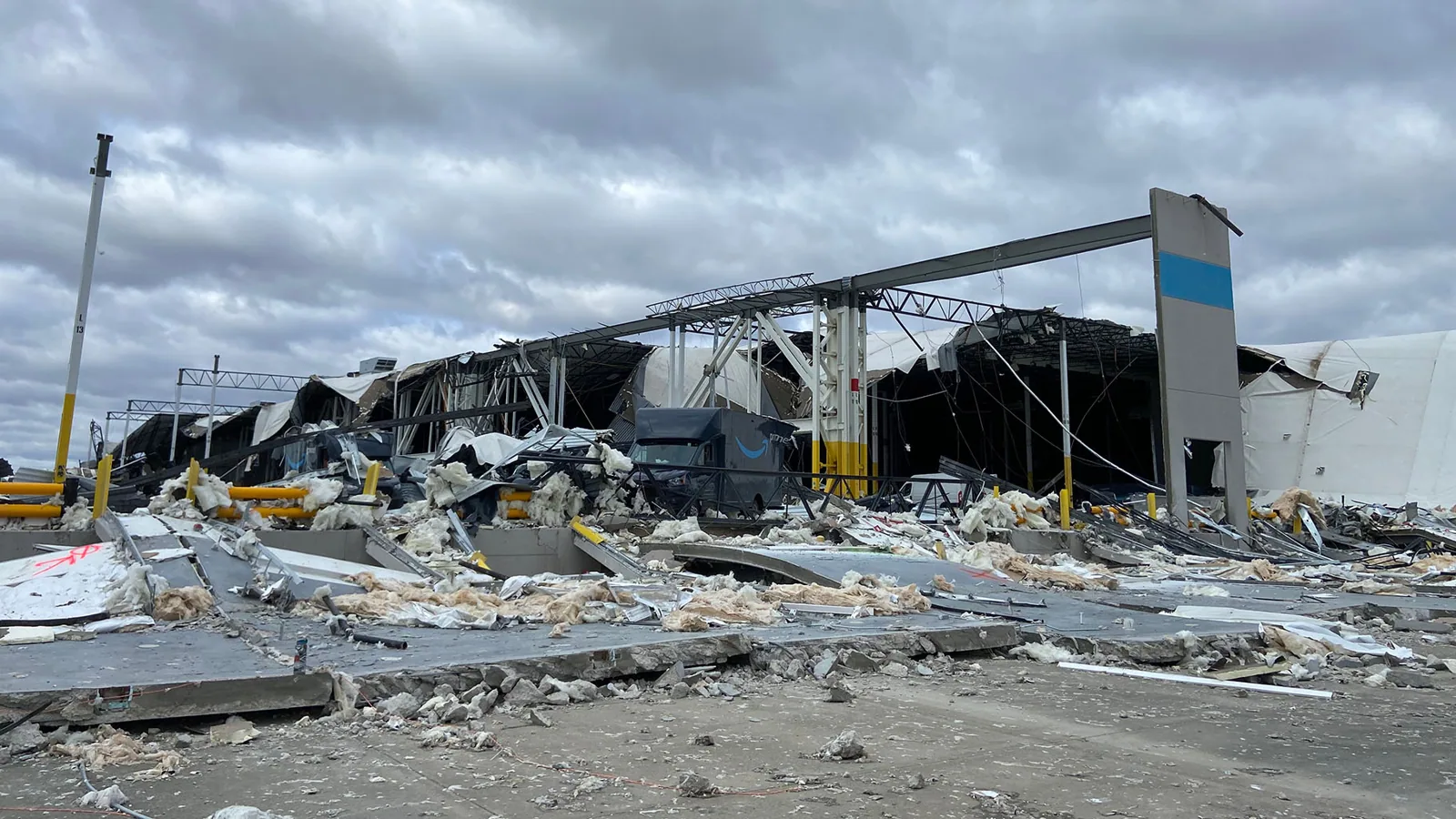
Give the Buyer a Defensible Roof Record
The deliverable should include survey date, weather conditions noted during the visit, roof areas reached, observations, photos, repair priorities, cost drivers and limitations. We identify what was not inspected and which conclusions require testing. The survey does not certify the roof, predict future performance or replace engineering review when the structure is in question. It gives the buyer a traceable basis for deciding what to ask next.
Richardson’s 2021 code package carries local amendments. If the buyer is weighing replacement or new insulation, we flag the likely city review as a transaction milestone and confirm the exact path against the selected work. We connect it to the work option being considered, so a small repair is not burdened with unrelated project assumptions.
After the transaction, a maintenance visit can establish a baseline for the new owner and track repairs as they occur. Tell us the properties, diligence deadline, known leak history and access conditions. We will return a roof-by-roof survey that distinguishes current findings from questions still open to investigation.
Related Roofing Work
CityLine
Commercial Roof Inspection
Commercial Ponding Water Roof Repair
Commercial Roof Seam Failure Repair
Questions About Commercial Roof Due Diligence Surveys
Does a due diligence survey certify the roof's remaining life?
A survey describes visible conditions, records reviewed, test results and limitations. Remaining-life decisions depend on assembly, maintenance, concealed conditions and owner assumptions that should be stated separately.
Can the survey be completed during a short acquisition window?
We can prioritize the buildings and roof areas most likely to affect the transaction, subject to safe access. Any omitted or inaccessible area is clearly listed so the buyer can request more review or carry an appropriate reserve.
Will you provide one repair number for the property?
Each option can be priced against a defined scope. The report separates observed work from concealed conditions and testing so an estimate does not appear more certain than the inspection supports.
Can you inspect several buildings in one transaction?
For a multi-building transaction, we label each structure and roof zone separately, then summarize portfolio priorities. A condition at one structure is not transferred to another without its own evidence.
What records should the buyer provide before the survey?
Useful items include roof plans, prior repairs, leak reports, warranties, maintenance logs, open proposals, and access contacts. We identify missing records and do not treat an absent document as proof of roof age or condition.
Schedule the Survey Around Diligence
Send the property list, access contact, known leak history and transaction deadline. We will define the survey boundary, inspect accessible roof zones and return findings tied to the decision date.