
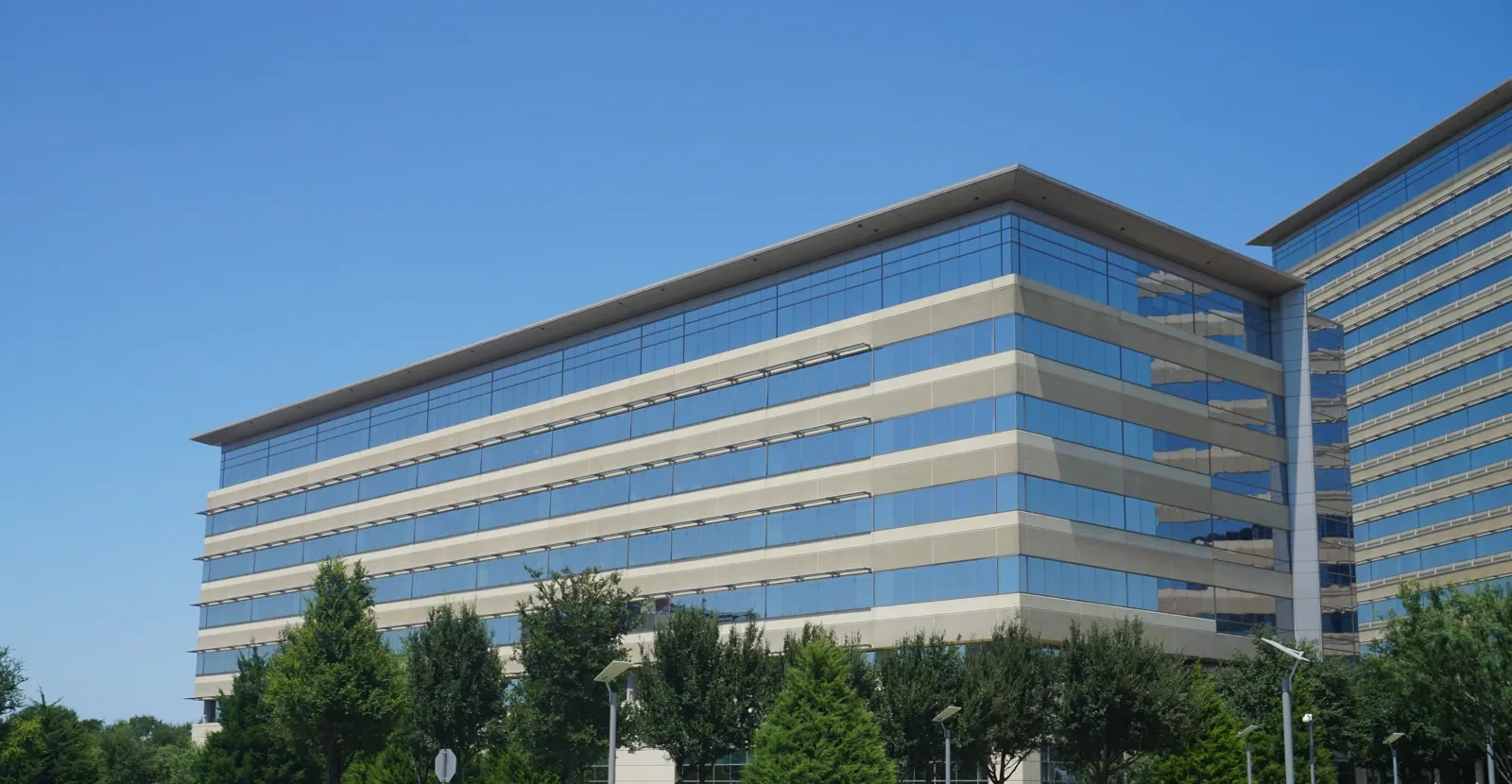
Water that remains after rain can signal a drainage problem, a deflection, a clogged outlet, or a roof layer that no longer sheds water as designed. The repair starts with measuring where it collects and what supports the area. We inspect commercial roofs in Richardson, TX, trace the water path, and price the work that corrects the observed cause instead of treating every shallow pool as the same failure.
Request a Roof Assessment
All fields are required.
Commercial Ponding Water Roof Repair in Richardson, TX
Trace the Water Before It Spreads
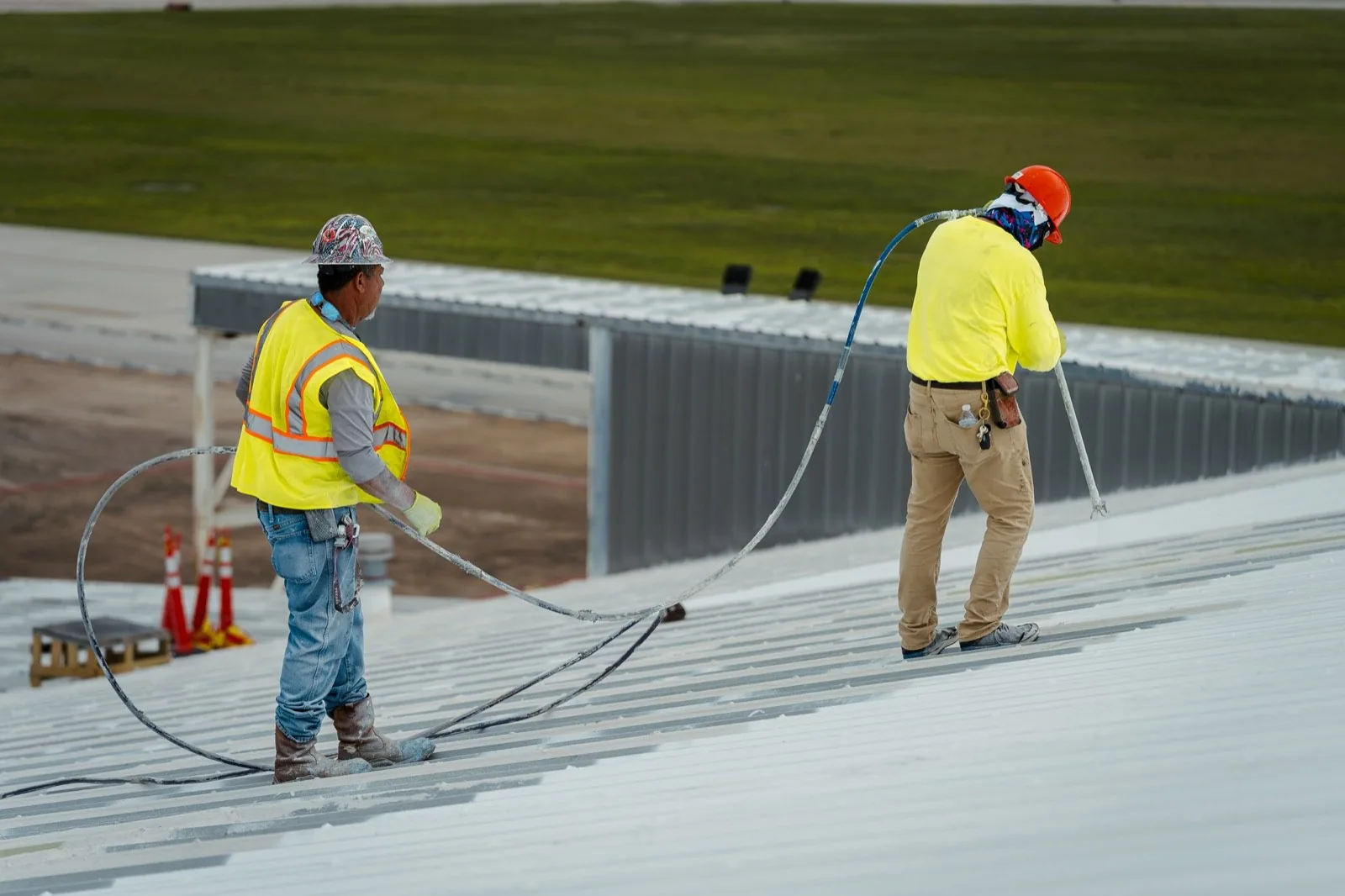
Map the Low Area and Its Outlet
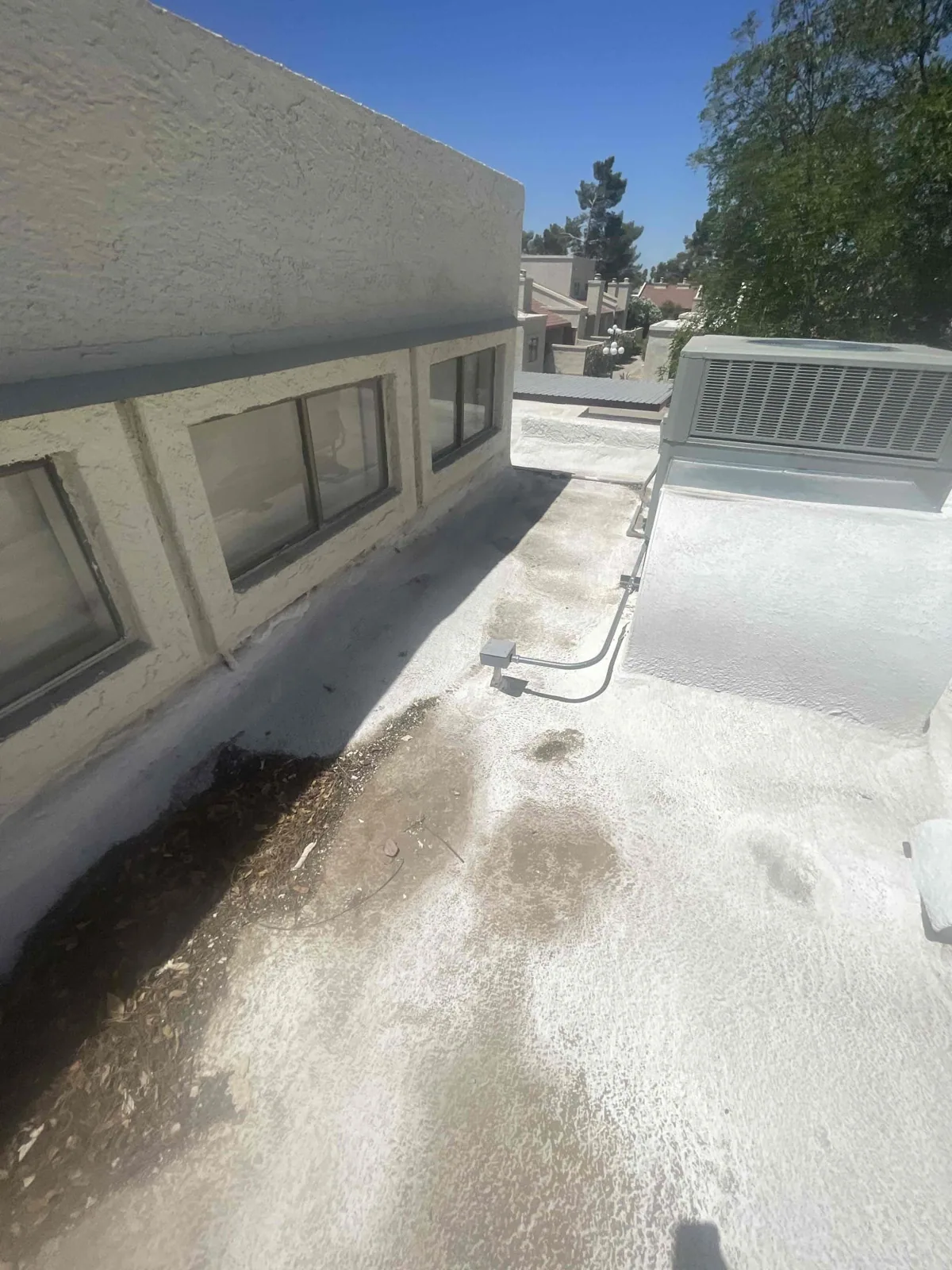
We note the depth and spread of standing water, how long it remains, and whether the area sits near a drain, scupper, wall, curb, or roof transition. Debris at a strainer may be the immediate obstruction, but the basin or piping may also need review. A drain and scupper inspection can identify blocked outlets, poor overflow paths, and details that need correction. We check the roof surface after water has cleared as well as during the reported condition.
Interior evidence can help locate the affected zone. We compare ceiling marks, moisture reports, and previous repairs with roof conditions, but the stain may not sit below the low point. If the building has several roof elevations, keep the water map tied to the right level and outlet. A roof inspection can document slope, drains, flashing, seams, and possible membrane damage before a correction is priced.
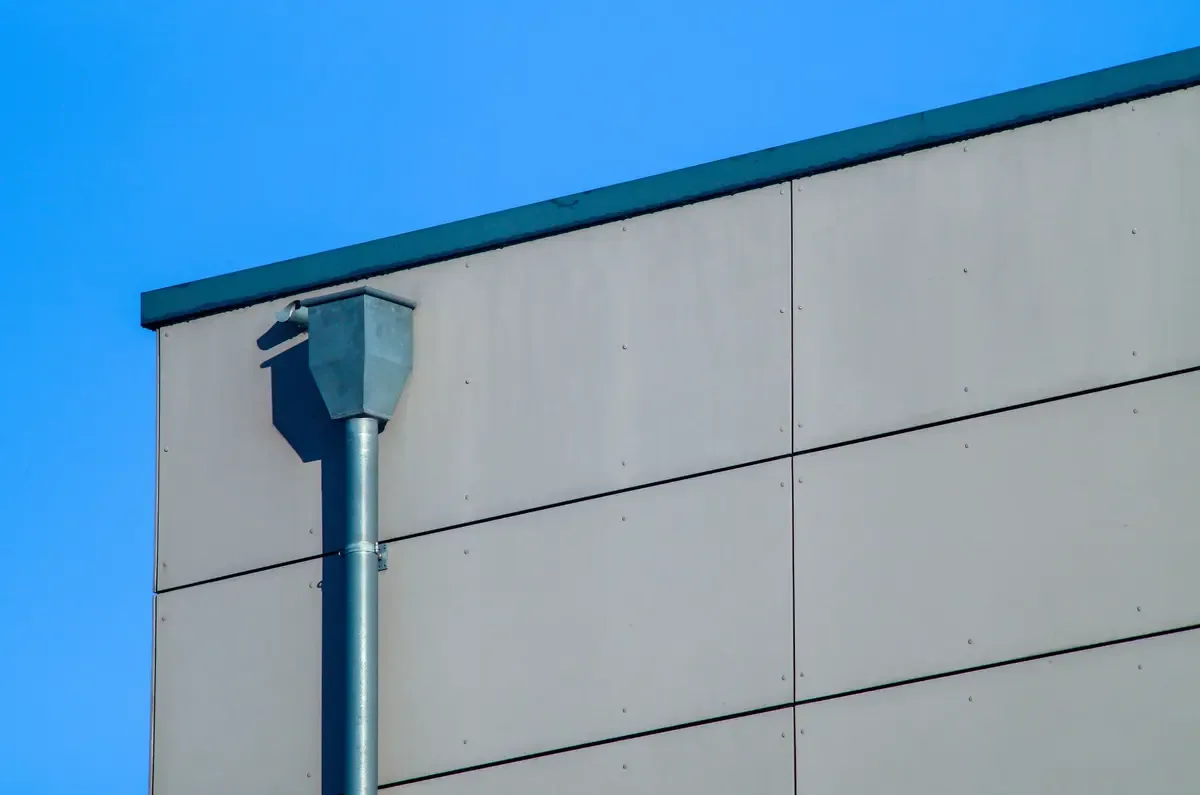
Separate Drainage from Structural Movement
Water may remain because an outlet is blocked, a drain bowl is too high, a scupper is restricted, or the roof surface has a low area. A deflecting deck or saturated insulation can also change drainage. We look for cracks, soft areas, membrane splits, displaced flashing, and evidence of movement. We do not recommend adding a tapered layer or changing elevations before the cause and existing assembly are understood. Where the condition suggests structural movement, the owner may need an engineer to review it before roofing work proceeds. Note whether the surface was dry at the time of the return visit.
We also ask when the water first appeared and what changed before it did. A new unit, a recent recover, a moved drain cover, or a repair near the low point can alter the path. The project file should distinguish a temporary blockage from a persistent slope or deck issue. Where a field measurement is useful, we record the location and method so a second inspection can compare the same area.
Richardson Innovation Quarter includes research, manufacturing, education, and technology uses, while CityLine mixes offices, residential, medical, retail, hotel, and civic spaces. These local districts contain different types of occupied buildings, but their use does not reveal the roof slope or structure. A CityLine property needs its own inspection and drainage map. We identify actual roof conditions before selecting a repair approach.
Choose the Correction That Restores Flow
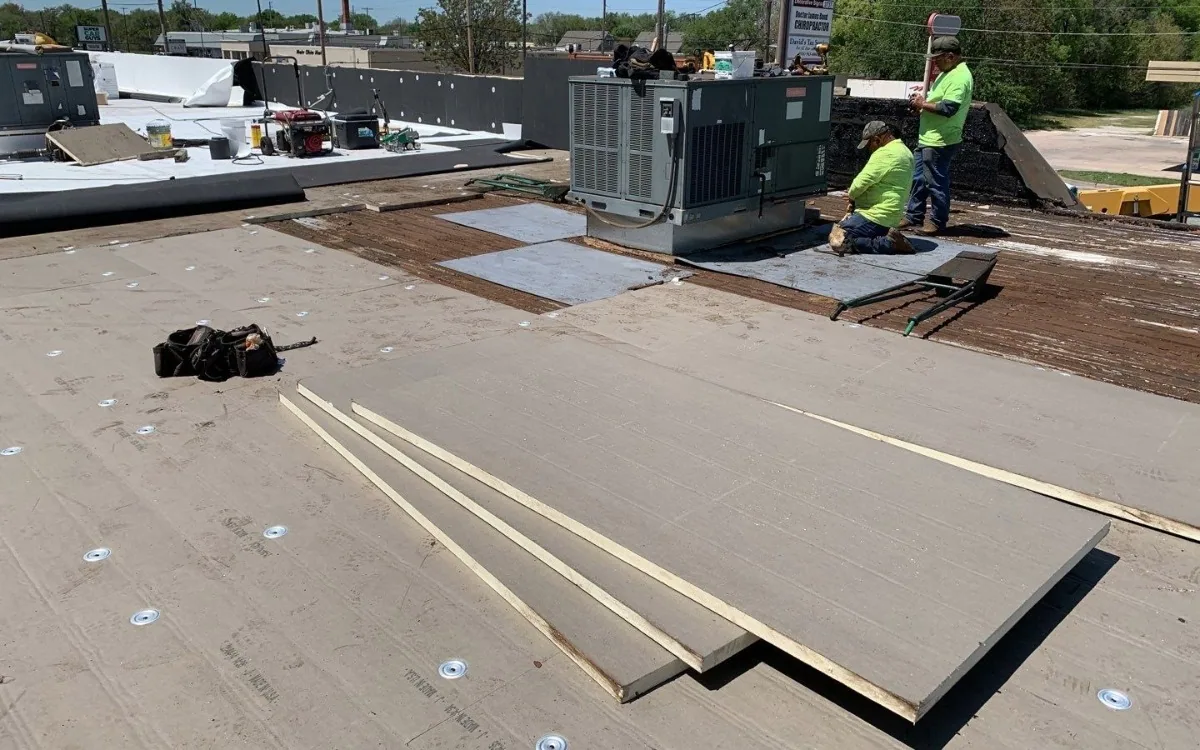
If debris blocks a sound drain, cleaning and checking the outlet may be sufficient. If the bowl, strainer, overflow, or connection is damaged, replace or repair that component and confirm the water path. Where a low area reflects uneven insulation or prior patch buildup, the correction may require removal and a tapered assembly. We price the work by roof zone and include the transition to existing materials. A flashing repair may be required where ponding reaches a wall, while seam repair can address an opening found near the collected water.
Correcting ponding can involve more than moving water at the surface. The repair may need to reset the drain bowl, rebuild a curb transition, replace wet insulation, or adjust the outlet to match the finished roof height. We verify the new path at the transition to the existing roof and note how the overflow works if the primary drain is restricted. Those details belong in the scope because they affect service access and future inspections.
Before adding a recover layer, confirm the existing assembly is dry and attached, drains remain at usable height, and overflow protection continues to function. The new layer should not trap moisture or make an outlet harder to maintain. If the roof has broad deterioration or repeated water entry, a replacement scope can address the assembly and drainage together. The decision should follow the inspection evidence, not the appearance of a pool alone.
Account for Richardson Rain and Heat
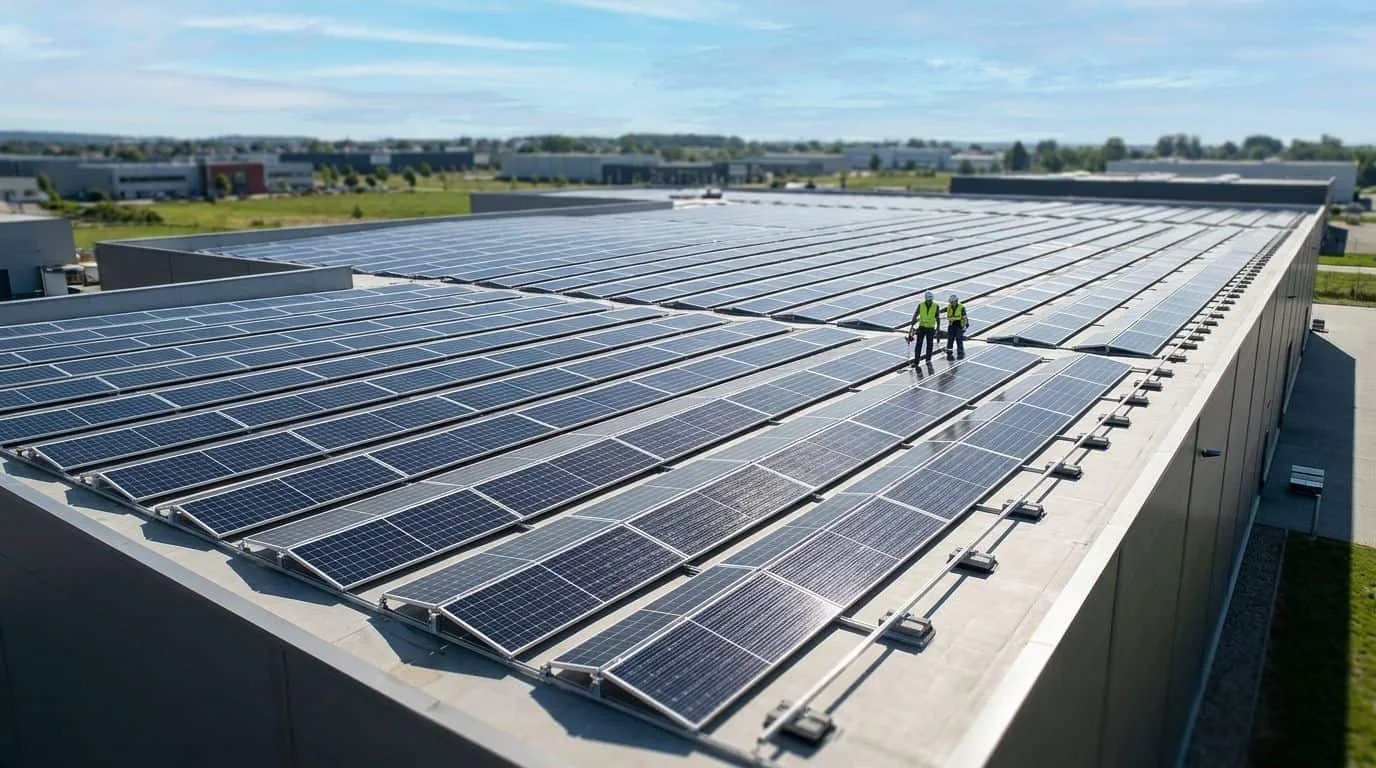
DFW rainfall and thunderstorm activity are strongest in spring. Richardson's July and August mean daily highs exceed 95 degrees. Heat can age exposed flashing and sealant, while heavy rain reveals where outlets or overflow paths fail. We schedule roof openings with a close-in plan and check the site after a relevant event. Regional weather does not show whether a particular roof has drainage damage; inspection records the actual condition. The closeout also records final drain and overflow clearances for the next service visit.
For drainage work, the city review turns on the proposed correction and any change to roof height or insulation. We confirm the applicable locally amended code requirements before releasing materials. The estimate should identify cleaning, repair, testing, new material, interior protection, and any structural review as separate work items. That makes it easier to compare a targeted drain correction with a larger roof project.
Verify the Water Path After Repair
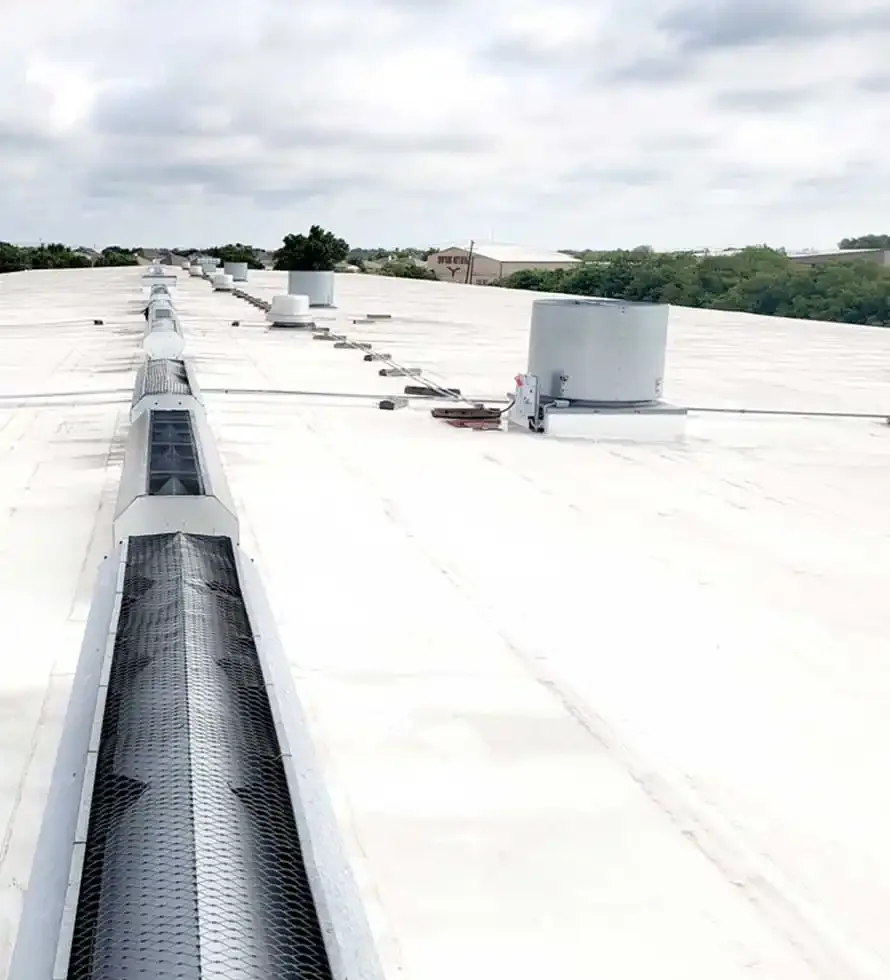
Closeout should state what changed: outlet cleaned, strainer replaced, scupper modified, membrane patched, or low area rebuilt. We photograph the completed detail and record the date, material, and roof zone. If the repair depends on an owner maintaining the drain, define the access point and inspection responsibility. A maintenance visit can recheck drains, overflow routes, seams, and earlier repairs after the next significant rain. Include the next inspection date in the handoff to building operations. Keep the information with the repair photographs. Include a roof-zone label.
Keep the drain map with the roof record and give the facilities contact a simple check list for the repaired outlet. A photo before and after the work can show whether debris was removed or a component changed.
If water returns, note the date and time, duration, and area affected before the surface dries. That follow-up can show whether the original outlet remains obstructed or whether water is entering from another detail. For an active interior leak, an emergency visit can protect the space while the roof is reinspected. Keep new findings separate from the first repair invoice so the next scope addresses the condition that changed.
Related Roofing Work
Commercial Roof Drain and Scupper Service
Commercial Roof Inspection
CityLine
Commercial Roof Flashing Failure Repair
Questions About Commercial Ponding Water Roof Repair
Is standing water always a roof leak?
No. Water may remain without entering the building, but a blocked outlet, low area, or membrane defect can create risk. We inspect drainage and roof details before pricing a correction.
How long should ponding water remain before I call?
Report water that remains beyond the normal drain-down period, especially if it reaches a wall, curb, or previous repair. We will check the outlet and nearby membrane rather than assume one cause.
Can you add a new layer to correct a low spot?
Only after confirming the assembly, moisture, attachment, drain height, and overflow path. The correction must move water without trapping a wet layer or reducing outlet performance.
What should be included in a ponding-water repair estimate?
Show the mapped area, drain or scupper work, membrane repair, elevation changes, testing, access, and the process for hidden deck or insulation conditions.
What if water remains after the drain is cleaned?
We recheck the bowl, outlet connection, overflow, roof slope, and assembly for movement or wet insulation. The next scope should target the remaining cause rather than repeat the same cleaning.
Trace the Water Before It Spreads
Share the building, where water remains, how long it lasts, and any interior reports. We will inspect the drainage path and price a correction tied to the observed cause.