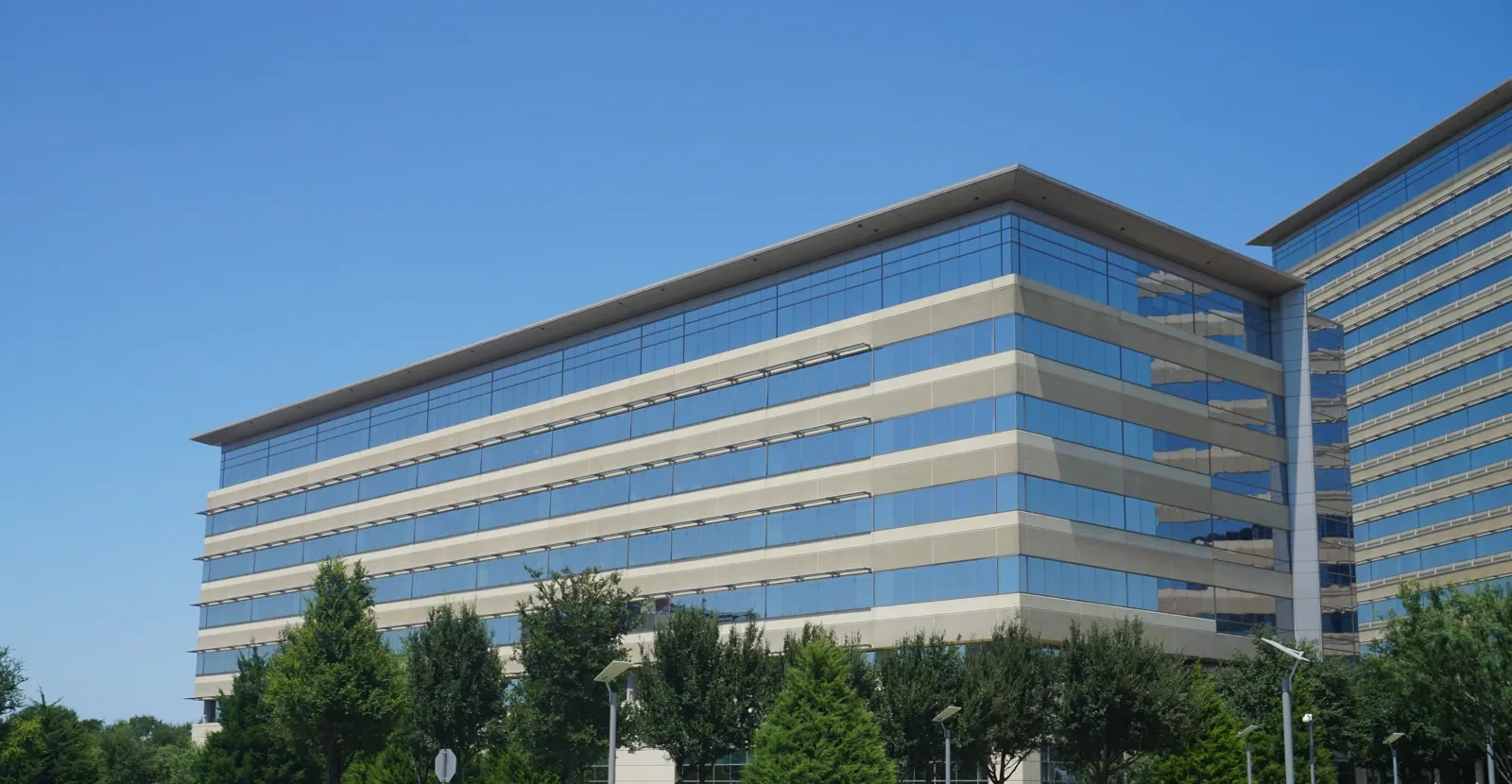
Commercial roofs in Wylie serve supply-chain, logistics, warehousing, precision manufacturing, and window and door manufacturing businesses. Roof work has to account for deliveries, equipment, production hours and a safe daily close-in. Wylie's city limits extend into Collin, Dallas and Rockwall counties, and FM 544 and SH 78 connect toward President George Bush Turnpike and US 75. We verify the property and its actual roof before setting quantities or a schedule.
Request a Roof Assessment
All fields are required.
Commercial Roofing in Wylie, TX
Set the Roofing Window Around Operations
Inspect for the Failure That Changes the Budget
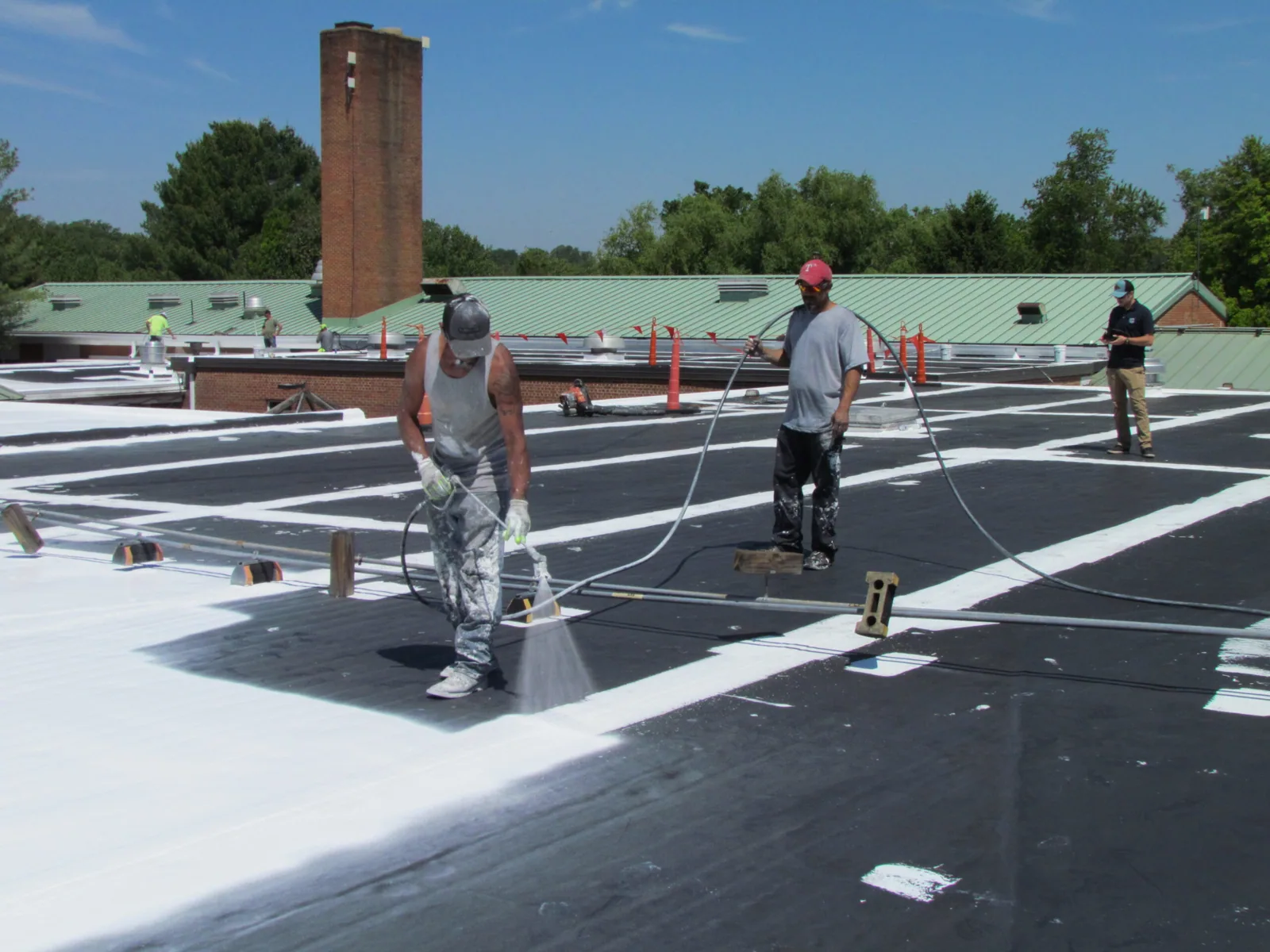
On a warehouse or manufacturing property, we record membrane or panel type, attachment, seams, drains, edge metal and equipment curbs. We check where prior patches meet the existing assembly and whether water has reached insulation. A commercial roof inspection gives the owner a zone map and separates visible repair needs from conditions that need testing. The local industry mix is context, not proof of what a particular roof contains.
A leak can disrupt storage, production or electrical equipment even when the roof opening is small. We start with the interior report, date and active-water status, then trace the likely path through seams, walls and penetrations. A photo condition report ties findings to their roof locations and gives operations a record to use during shift handoff.
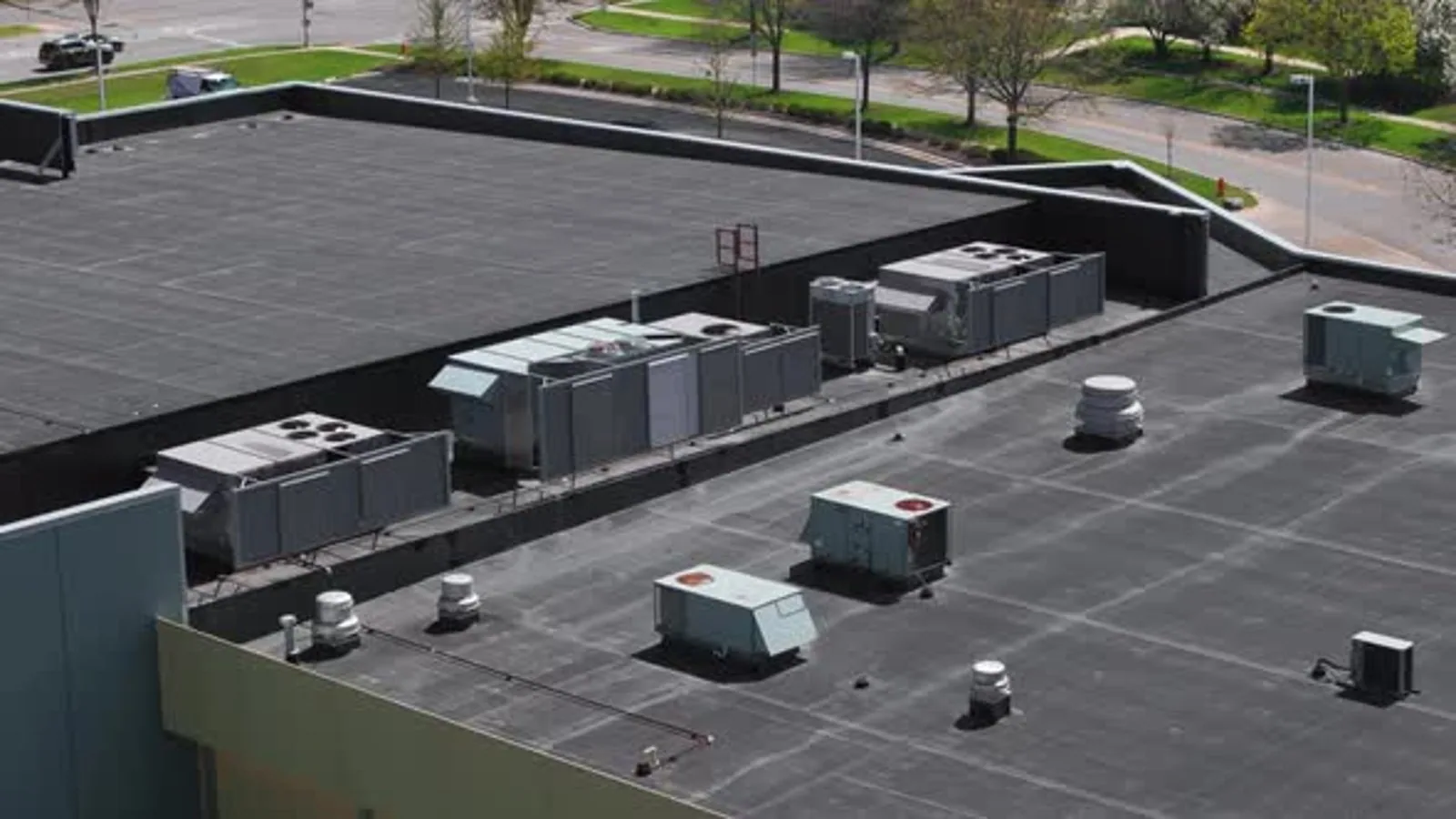
Manufacturing roofs may have rooftop exhaust or service equipment, but we only include those details when they are present. We examine curb corners, fasteners, flashing and access around the unit. If the mechanical schedule includes moving equipment, the proposal names who resets it and who restores the roof. That boundary keeps an equipment change from leaving a new opening outside the roofing scope.
Keep Logistics Moving During Roof Work
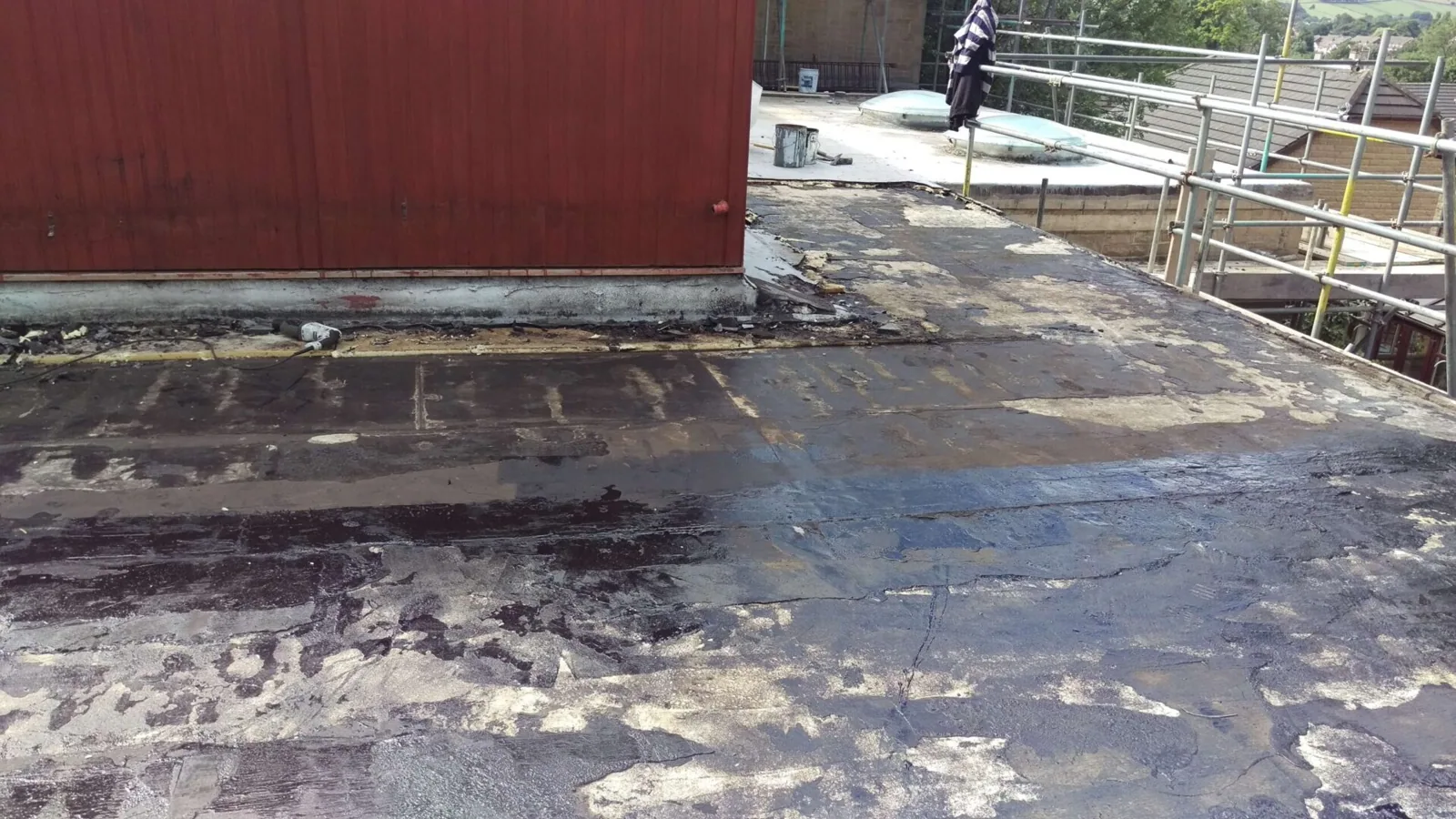
FM 544 and SH 78 connect Wylie to regional routes, but truck access still depends on the individual property's driveway, turning area and loading schedule. We confirm lift position, material drop, trailer circulation and the route for removed roofing before mobilization. A project that blocks a dock or employee entrance needs a defined window. The estimate names any off-hour labor and temporary traffic controls required to keep operations moving.
A current leak can be handled through rapid roof stabilization once the access route is cleared and conditions allow safe work. That first step protects product and equipment; it does not settle whether a repair or replacement is the right long-term choice. A commercial leak repair then states the affected zone, preparation, material tie-in and any adjacent area that remains untested.
If a repair can be isolated and nearby material is sound, it may preserve serviceable roof. Repeated leaks, wet insulation or loose attachment may make a larger scope more practical. We compare the cost of a bounded repair with a replacement window and say what the smaller option leaves in place. Operations can then weigh roof spending against shutdown time and production commitments.
Compare Repair, Recover and Replacement
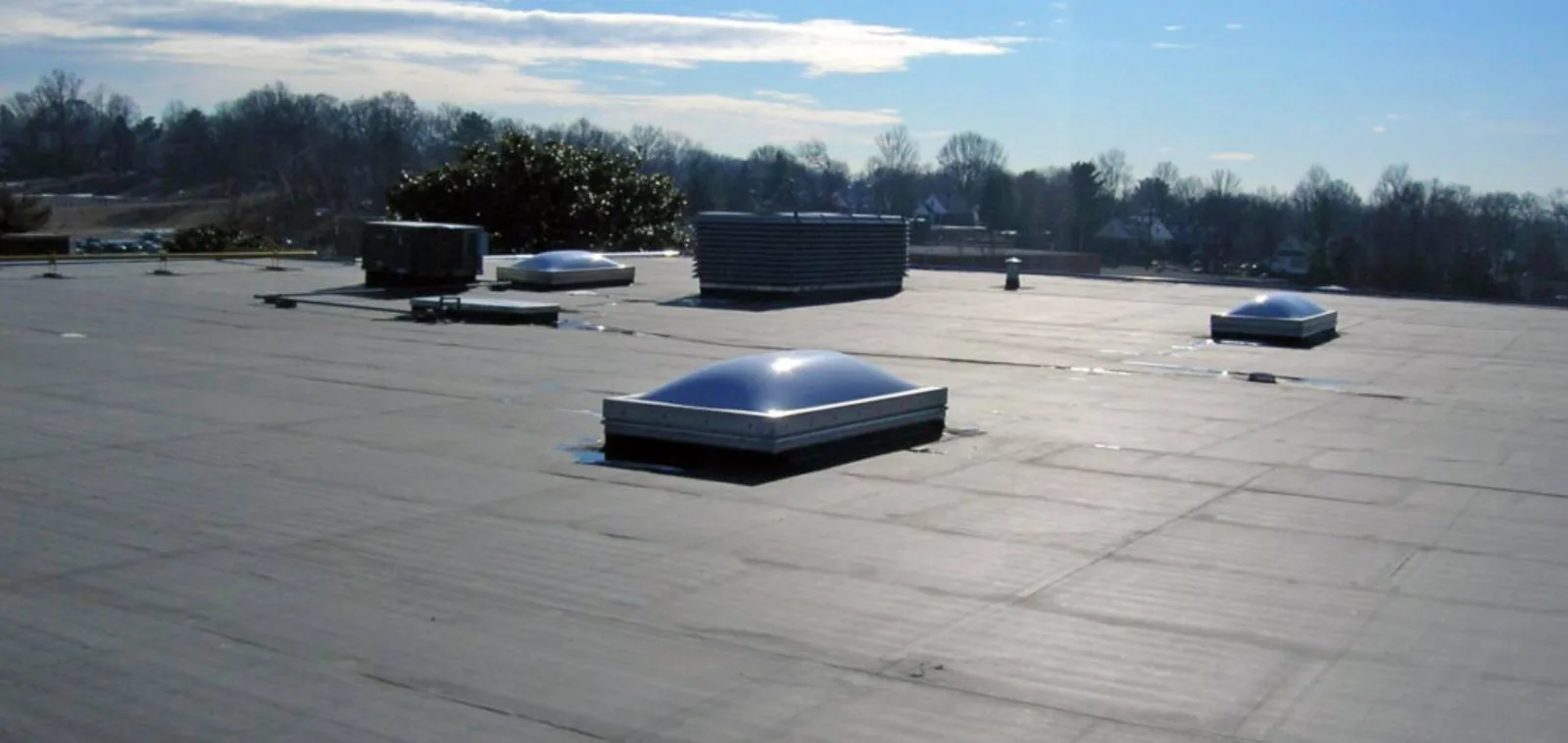
We test whether the present surface is dry, secure and low enough to accept another layer, and whether edge and drain details will still function. A recover evaluation records the limits and the work retained below. If the inspection finds a conflict, we compare repair and tear-off instead.
Replacement pricing lists tear-off, disposal, deck assumptions, insulation, cover board, membrane, flashing, edge metal, equipment work and close-in. If concealed deck damage may change quantities, we set an approval point and a unit price. The proposal identifies the part of the roof that stays in service during each phase. This makes it easier to plan around stored inventory and production activity.
For Wylie properties in different counties, permitting and review should be confirmed against the property's jurisdiction and the exact project scope. We check the local requirements before ordering materials. The same roof system can require different coordination when structural changes, new curbs or equipment relocations are involved. The written scope identifies those dependencies and avoids treating county boundaries as a roof-condition fact.
Set the Work Window for North Texas
Richardson and the DFW region experience July and August average highs near 96 degrees, with severe-weather frequency reaching its peak in spring. We plan hot-weather work for suitable hours, protect staged materials and keep the open section within what the crew can close before leaving. A forecast delay should not leave a warehouse or production area exposed to an unsecured roof.
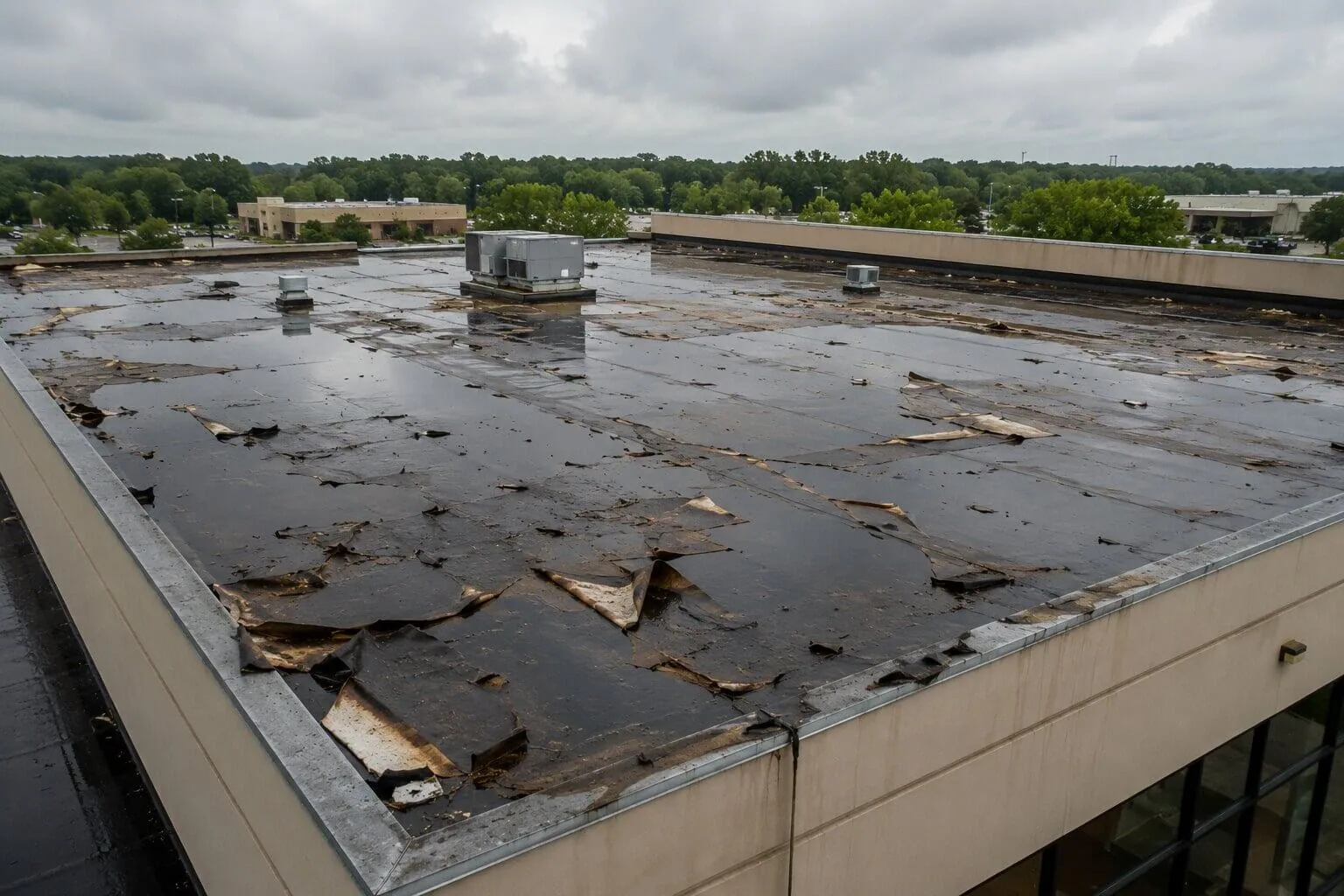
A regional storm report does not prove damage at a Wylie facility. We inspect the actual membrane or panel, record the date and photograph visible punctures, displaced trim, open seams or water entry. A storm roof inspection can give ownership a dated condition record. Cause and timing remain separate where the roof evidence cannot establish them.
Drainage is checked along with the membrane. We inspect outlets, scuppers, overflow routes and low areas for blockage or failed flashing. Water remaining near a seam can prolong exposure and complicate a repair. If a component is confirmed as the problem, drainage repair names the outlet and tie-in included. The close-in plan considers rain protection for both the repaired area and nearby equipment.
Keep the Site and Scope Connected
Wylie has both a planned warehouse and distribution project along Highway 78 and established employment parks. Those areas are at different project stages. A Logistics Park roof review uses current plans, while a Wylie business park inspection starts with the assembly already on the building.
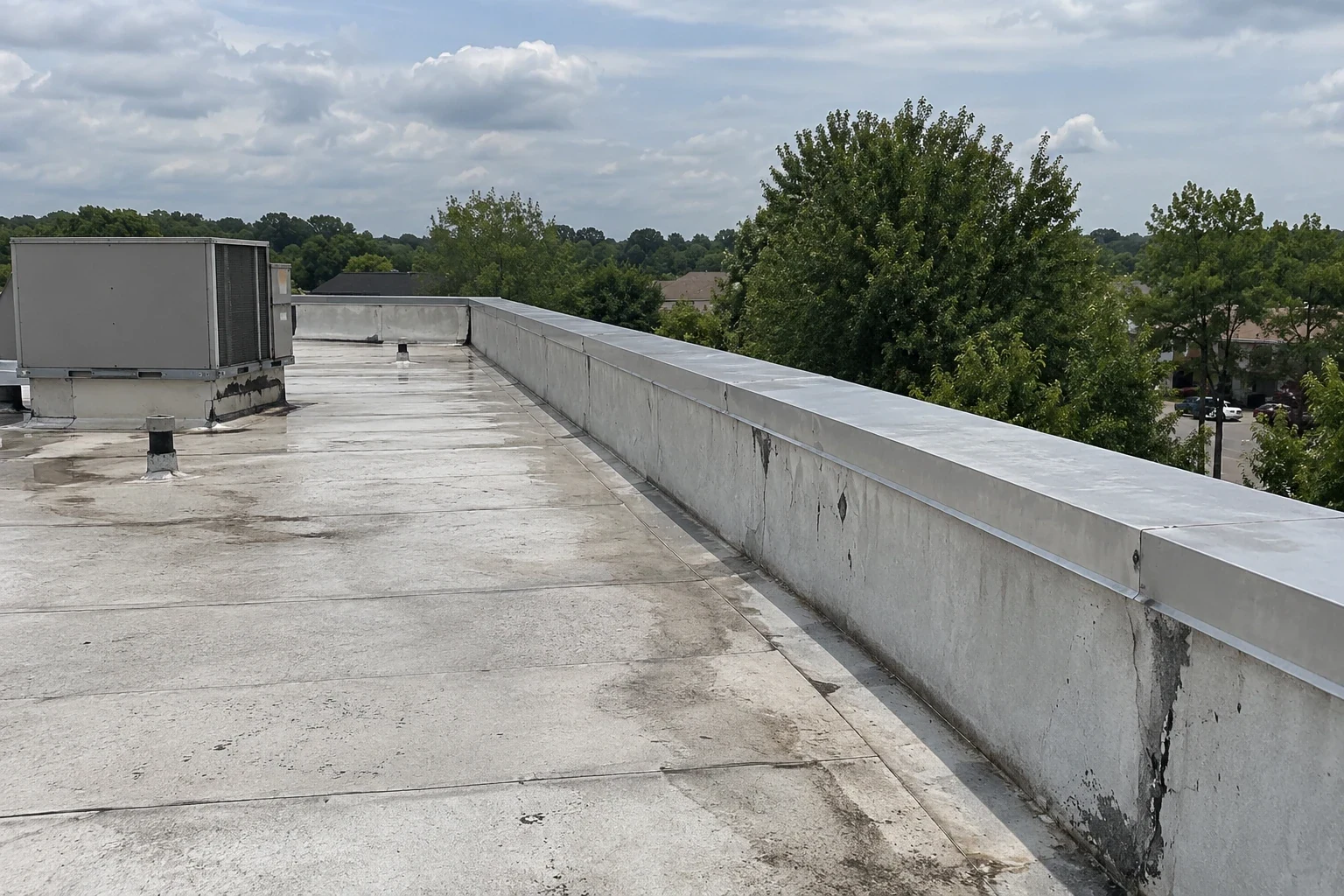
At handoff, we map finished areas, identify the installed material and attach dated images, then list any finding that remains excluded. If a later trade changes an exhaust curb or conduit, the record shows where the roofing tie-in ended and what needs restoration. That helps a facilities lead distinguish completed work from a new opening that occurred after the roofing visit.
Share the site, delivery schedule, leak record and the date you need a decision. We will measure the affected zones, document access constraints and identify any test that must precede final quantities.
When comparing estimates, separate roof quantities from access labor, equipment resets, interior protection and temporary cover. Ask which roof sections stay in service each shift and what triggers an owner approval if the deck opens in poor condition. We put those assumptions on the scope so operations can plan around the project instead of discovering a new restriction after materials arrive.
Related Roofing Work
Commercial Roof Inspection
Commercial Roof Condition Reports
Emergency Commercial Roof Repair
Commercial Roof Leak Repair
Questions About Wylie
How do you keep a Wylie warehouse operating during reroofing?
We sequence work by roof zone, confirm dock and truck routes, and set a daily watertight boundary. The plan identifies which loading or production areas need protection and when any short access restriction occurs.
Does Wylie's manufacturing base tell you what roof system a building has?
No. The industry mix does not establish an individual assembly. We inspect the membrane or panels, seams, attachment, drainage and prior repairs before recommending a material-specific scope.
What is needed before a roof leak repair can be priced?
A site walk, interior report, leak timing and roof access let us define the affected zone. If moisture or concealed deck condition could change the repair, we identify a test or approval point before adding work.
Can roof work be coordinated around deliveries on SH 78 routes?
We confirm the property's actual driveway, staging area and loading hours. Regional highway access does not determine a specific site's truck path, so the work plan uses the routes approved by the property contact.
When should a Wylie owner compare repair with replacement?
Compare them when failures recur across zones, moisture extends into insulation, attachment is unstable or edge details are deteriorated. We show what repair would address and what risk remains outside that boundary.
Set the Roofing Window Around Operations
Share the facility, access route, active leak reports and decision date. We will inspect the roof and return a scope that reflects production and logistics constraints.