
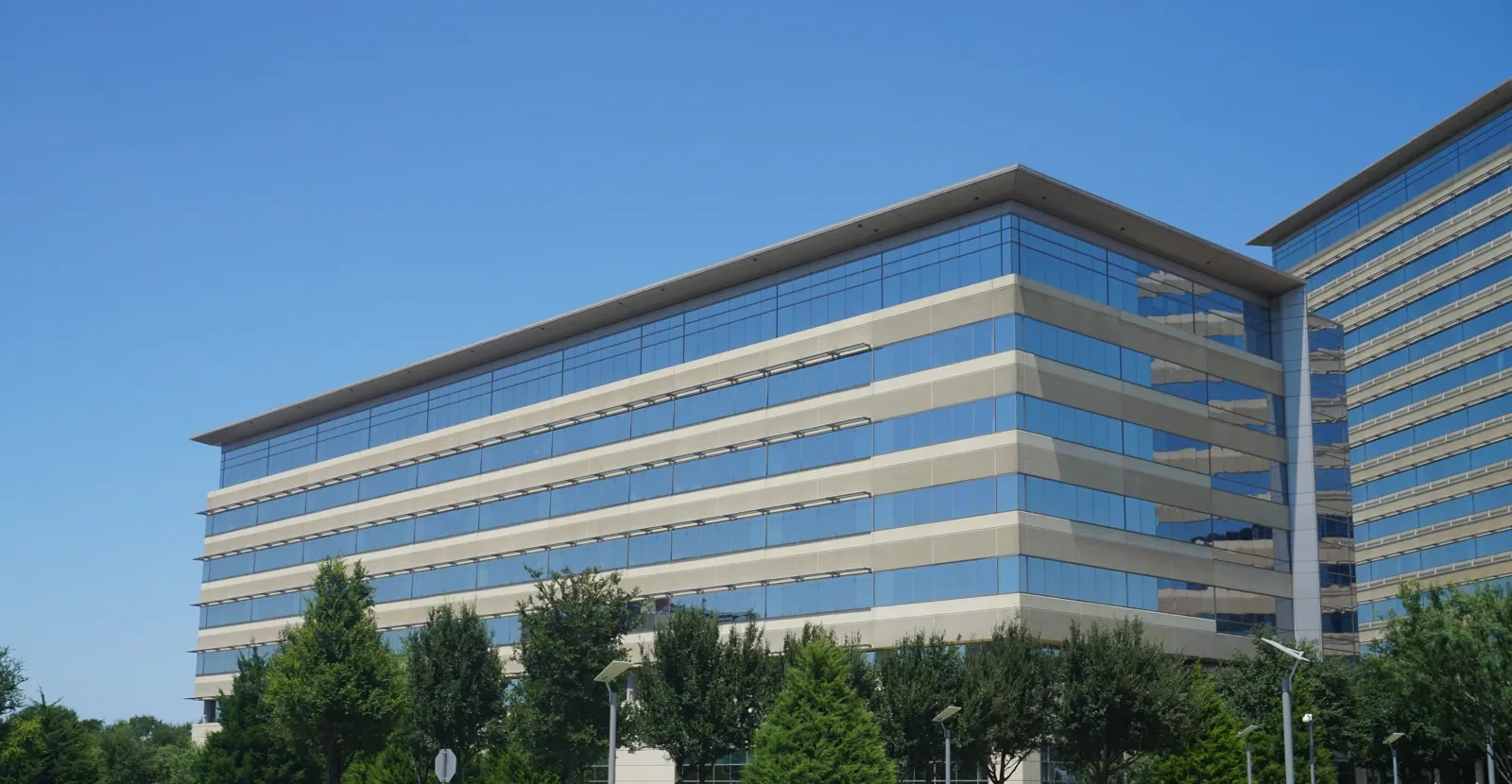
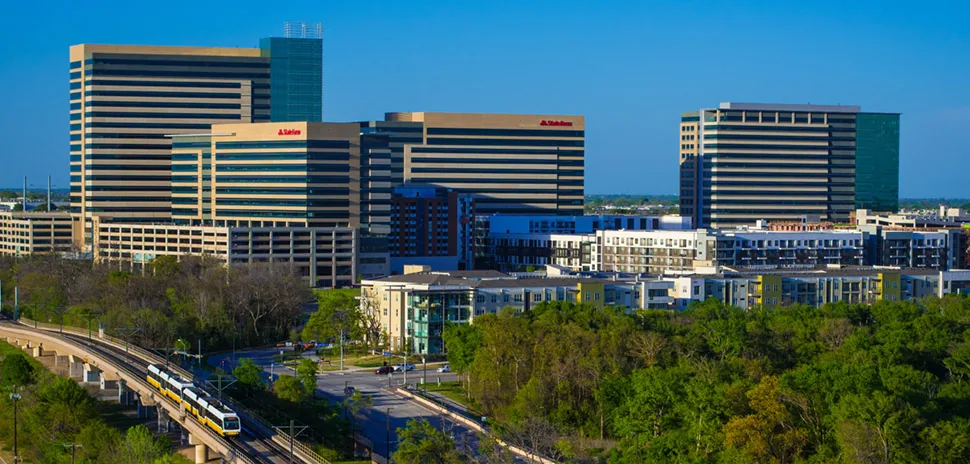
A roof project in Collins/Arapaho can involve an existing property, a development schedule or both. Richardson's comprehensive plan names the area as a transit-oriented development and innovation district. The city completed its district study and land-use regulations in 2018 and 2019, while DART describes Arapaho Center Station as a gateway into the area. We inspect the actual property and keep current roof conditions distinct from district planning.
Request a Roof Assessment
All fields are required.
Commercial Roofing in the Collins and Arapaho Innovation District, Richardson, TX
Bring the Roof Scope Into the Project Schedule
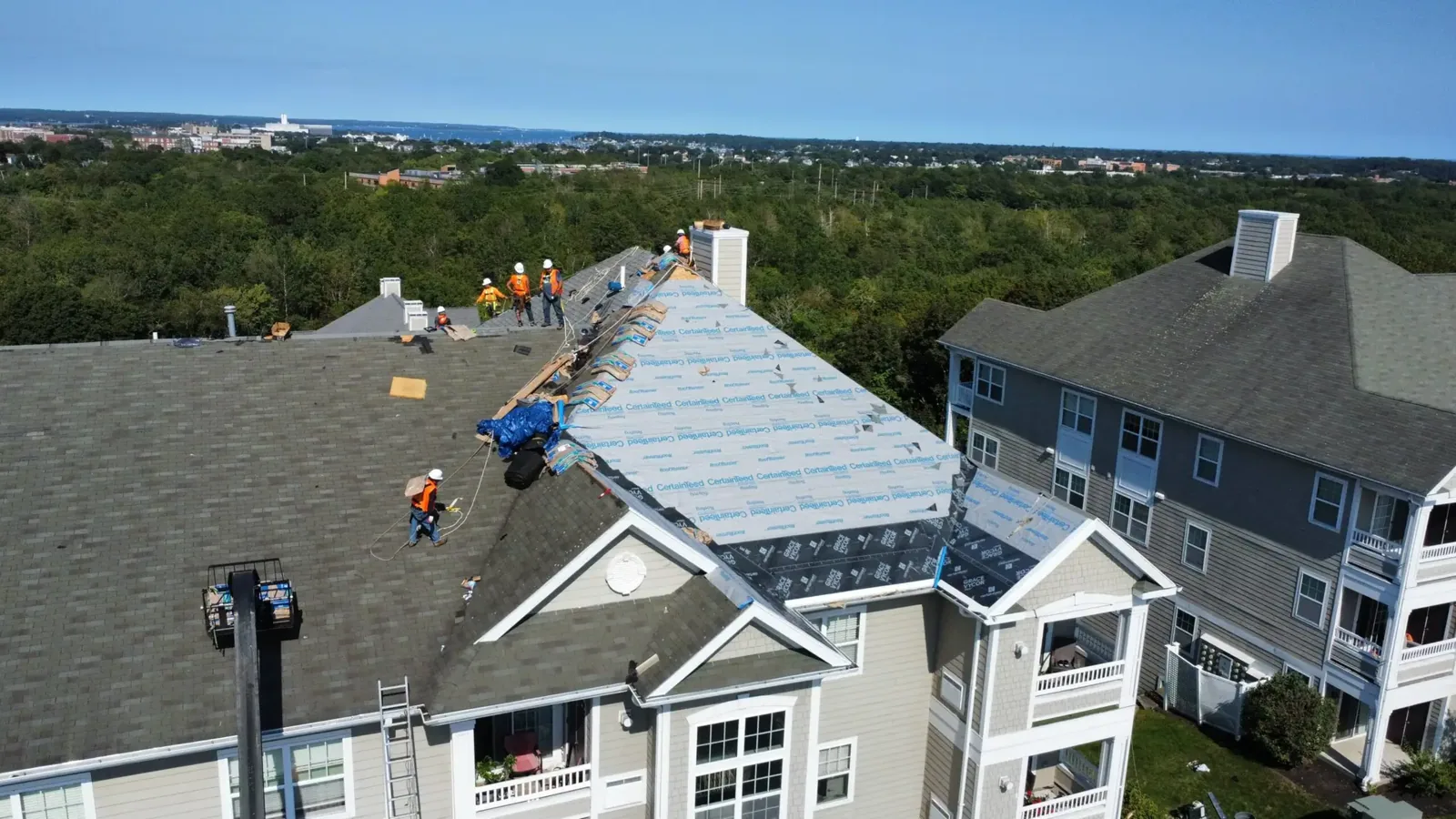
Put the Existing Roof on the Record
Before budgeting, we identify the assembly, attachment, edge details, seams, drains, curbs and previous repairs. We also note areas we could not reach and whether moisture testing could change the next step. A commercial roof inspection gives a facilities lead a roof-zone map for maintenance or redevelopment review. The district's innovation designation does not identify the roof system at an individual building.
Transit access may help a person reach the district, but material delivery, equipment staging and roof access remain property-specific. We confirm gate and loading rules, lift position, debris route and operating hours with the building contact. A photo condition report makes each finding traceable to the correct roof section and states which limitation affected the inspection.
The land-use regulations may influence future project design. If a planned addition changes a parapet, drainage pattern or rooftop equipment layout, we review authorized drawings before the roofing scope is set. We do not price unapproved design concepts as though they were built conditions. The owner receives a current repair recommendation and a separate list of the roof details that future design needs to resolve.
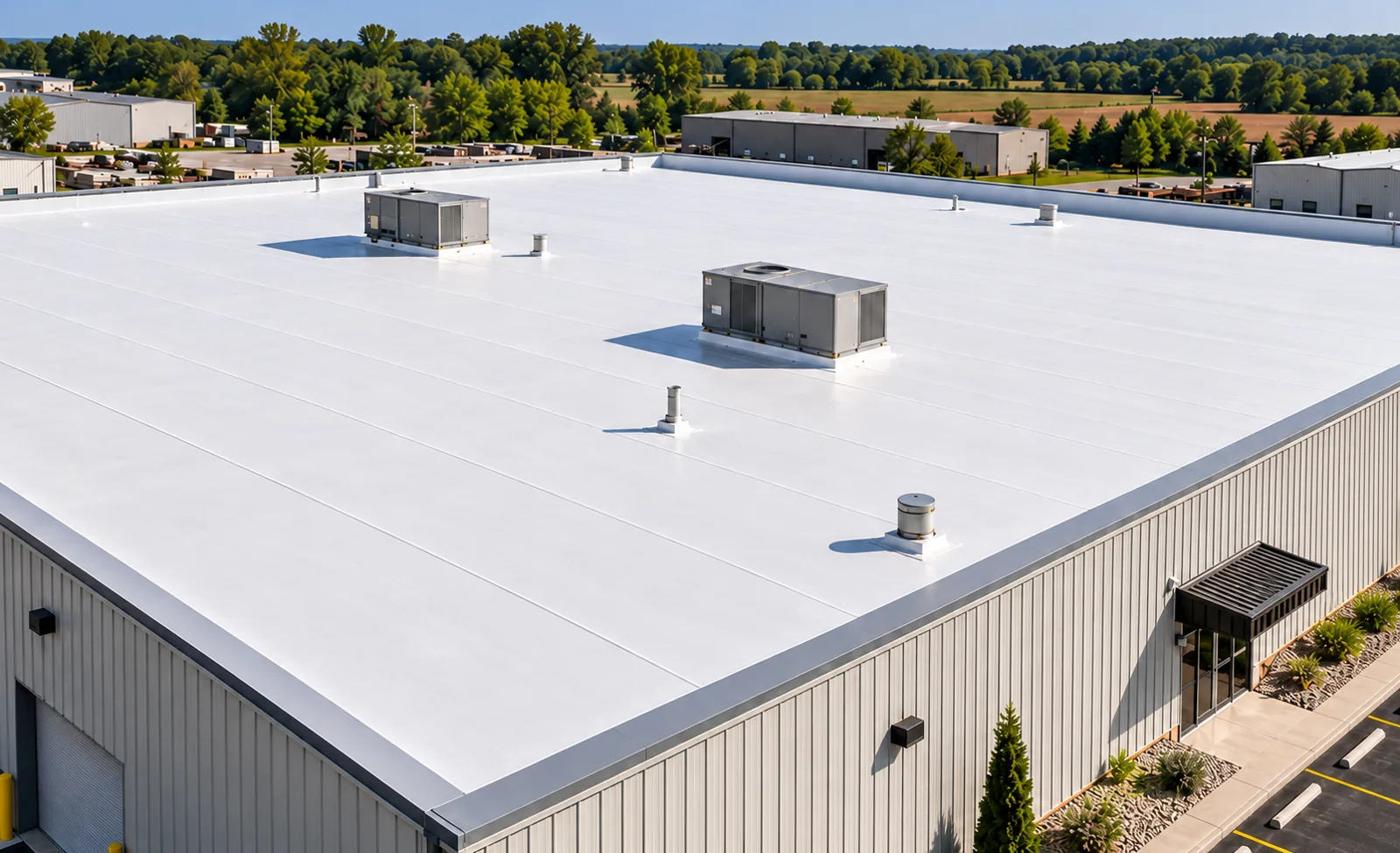
Coordinate With Station-Area Access
Arapaho Center is one of Richardson's four DART light-rail stations and has an existing industrial area nearby in the Telecom Corridor. Operating properties may require a defined access window, equipment shutdown or controlled loading. We confirm whether work can occur while the facility remains active. If the location needs a restricted shift, the estimate identifies that cost and the length of the closure.
When water is active, we protect the interior and trace its path through seams, flashing, drains and rooftop transitions. The leak's interior location can differ from the roof opening. Emergency roof service can stabilize an exposed area after safe access is established. The permanent repair scope identifies its exact roof zone, material tie-in and any adjacent area left for further testing.
A commercial roof repair is a bounded correction when the surrounding assembly remains sound. If failures recur or wet insulation spreads, we compare that work with broader remediation. The owner sees what a repair addresses, what it does not and what additional evidence would change the decision. That avoids confusing an urgent leak response with a complete roof lifecycle plan.
Price the Present and Future Separately
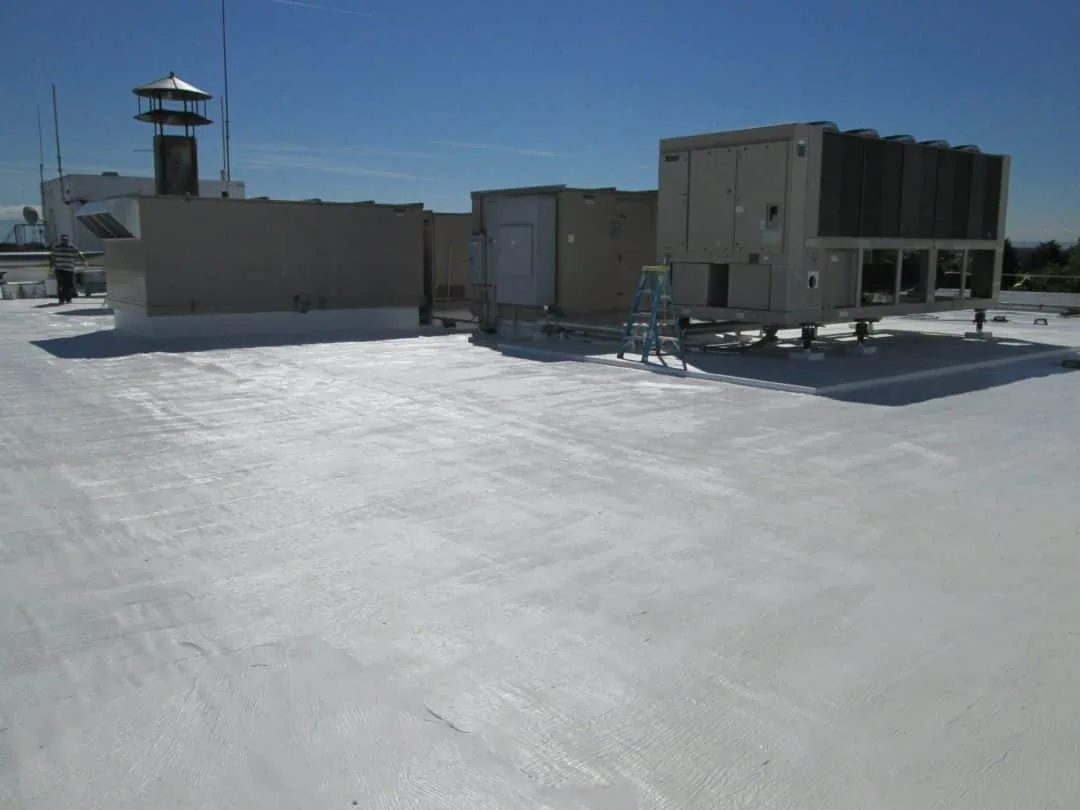
Replacement scope sets out tear-off, deck assumptions, insulation, cover board, new membrane, edge metal, penetrations, equipment movement and daily close-in. Hidden conditions receive a unit price or approval trigger. A recover must first pass checks for layer count, moisture, attachment, deck and drainage; a recover review identifies the conditions that support or rule out the option.
Richardson adopted 2021 building, existing-building and energy code editions with local amendments. Permit requirements follow the actual roof work and any structural or mechanical change. We review the intended assembly and details before materials are ordered. If development plans later alter drainage or a roof edge, those revisions need a separate scope and coordination point.
Richardson IQ spans 1,200 acres and includes startup firms, corporate R&D, manufacturers and education institutions. Arapaho Center is described as a gateway into Collins/Arapaho, but each location requires its own site walk. A Arapaho Center roof inspection or Innovation Quarter property review should not inherit this property's quantities or access assumptions.
Make the Close-In Plan Weather Ready
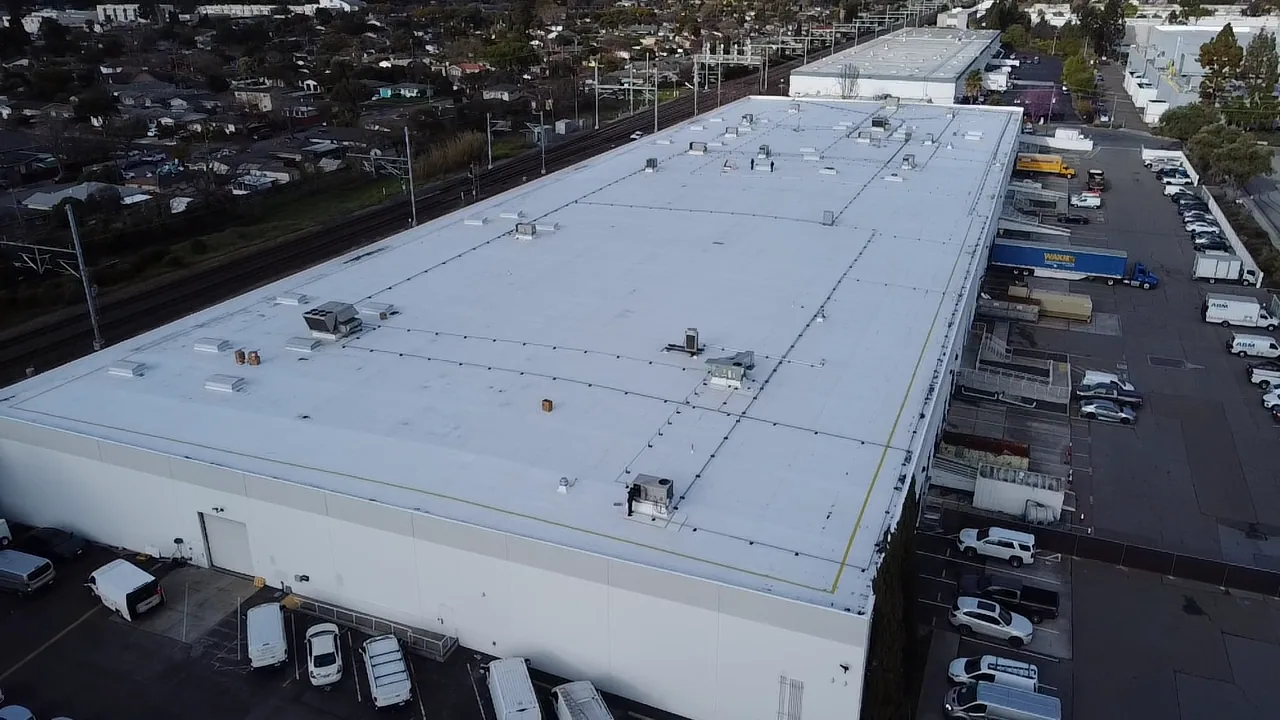
Richardson's July and August average highs reach around 96 degrees. Heat affects surface preparation, crew timing and the hours an opened section can remain exposed. Spring is the DFW area's most active season for severe weather. We sequence roof work so each section can be protected before a shift ends and state the weather limit that would delay a phase.
A storm report for Dallas-Fort Worth does not confirm damage at a Collins/Arapaho property. We inspect the actual roof surface and document dated findings such as displaced edge metal, punctures or open seams. A storm damage assessment can show ownership what is visible and which repairs are supported. Cause and timing remain separate if evidence does not resolve them.
Drainage routes can also affect a roof's response to intense rain. We inspect the drain bowl, overflow, scupper and nearby flashing, then note whether water is retained or a detail is open. A drainage correction is included only when those components are part of the observed problem. This keeps the scope from assigning a corridor-wide drainage issue to one building without an inspection.
Carry a Usable Scope Into the Next Meeting
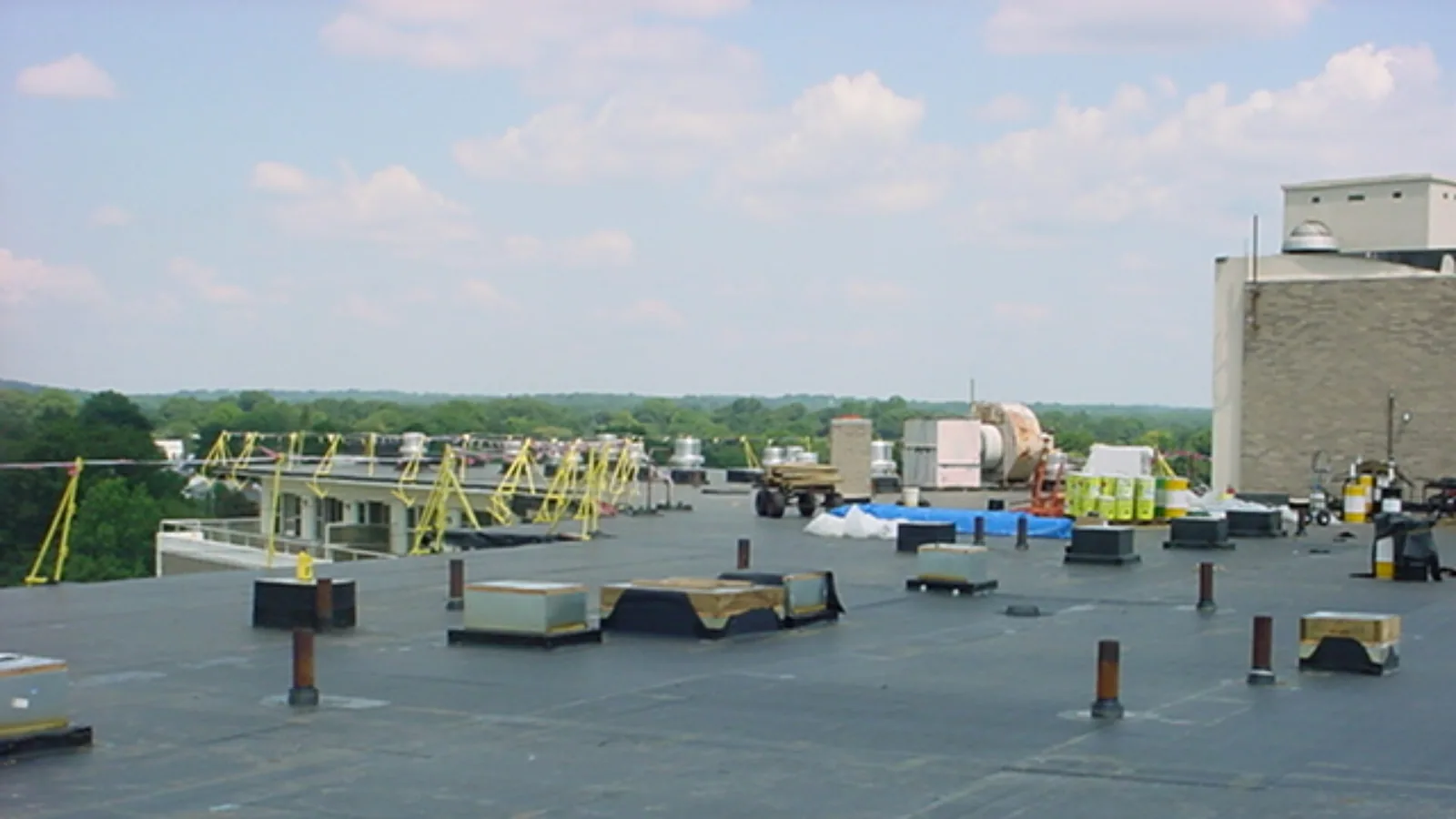
Ownership may need a repair number before a redevelopment decision is final. We state the current condition, immediate work and any portion that could change if plans advance. That gives the owner a near-term action without representing the future district plan as construction authorization. A roof capital review can place the repair beside later replacement or building work using its stated assumptions.
Collins/Arapaho connects with broader Richardson districts, including CityLine West between US 75 and the DART Red Line and West Arapaho along the city's civic and commercial corridor. A CityLine West roof visit or West Arapaho inspection receives a separate condition map even when one ownership group coordinates both.
Closeout records the material installed, zones completed, dated photos and unresolved items. If another contractor needs to add a curb or conduit, the record identifies the roofer's completed tie-in and the restoration needed after that new work. Send the property, access window, current leak report and decision date. We will return a scope that can be priced and scheduled against the actual roof.
Where the building remains active, the schedule should show when overhead work begins, how the crew secures the opened area and which access route remains clear. The proposal also identifies who approves work beyond the measured repair. Those limits make it possible to compare a lower initial bid with the operating burden and the work that remains for another phase.
Related Roofing Work
Commercial Roof Inspection
Commercial Roof Condition Reports
Emergency Commercial Roof Repair
Commercial Roof Repair
Questions About Collins and Arapaho Innovation District
Does the Collins/Arapaho plan describe an approved roofing project?
No. The district's study and land-use regulations guide future development but do not establish a roof scope at a particular property. We inspect current conditions and price future changes only from authorized plans.
How do you handle roofing beside active transit or industrial uses?
We confirm property access, loading, staging, work hours and any operational restriction with the site contact. Transit proximity does not determine where equipment or materials may be placed.
Can a roof repair be completed while the facility stays active?
We plan sections, protection and a secure end-of-shift condition, then identify any closure or shutdown needed for safe work. The estimate shows the operational limits that affect schedule and labor.
When should the owner compare recover with replacement?
Compare those options after checking existing layers, moisture, attachment, deck, height and drainage. We show what a recover leaves in place and what replacement can address through tear-off.
What should be included in a roof handoff before redevelopment?
Include completed zones, materials, dated photos, access limits and responsibility for future penetrations. We identify where later construction must restore the membrane so current flashing work is not confused with an open item.
Bring the Roof Scope Into the Project Schedule
Send the property, existing roof concerns, access rules and development milestone. We will inspect the roof and set a current scope with future dependencies identified separately.