
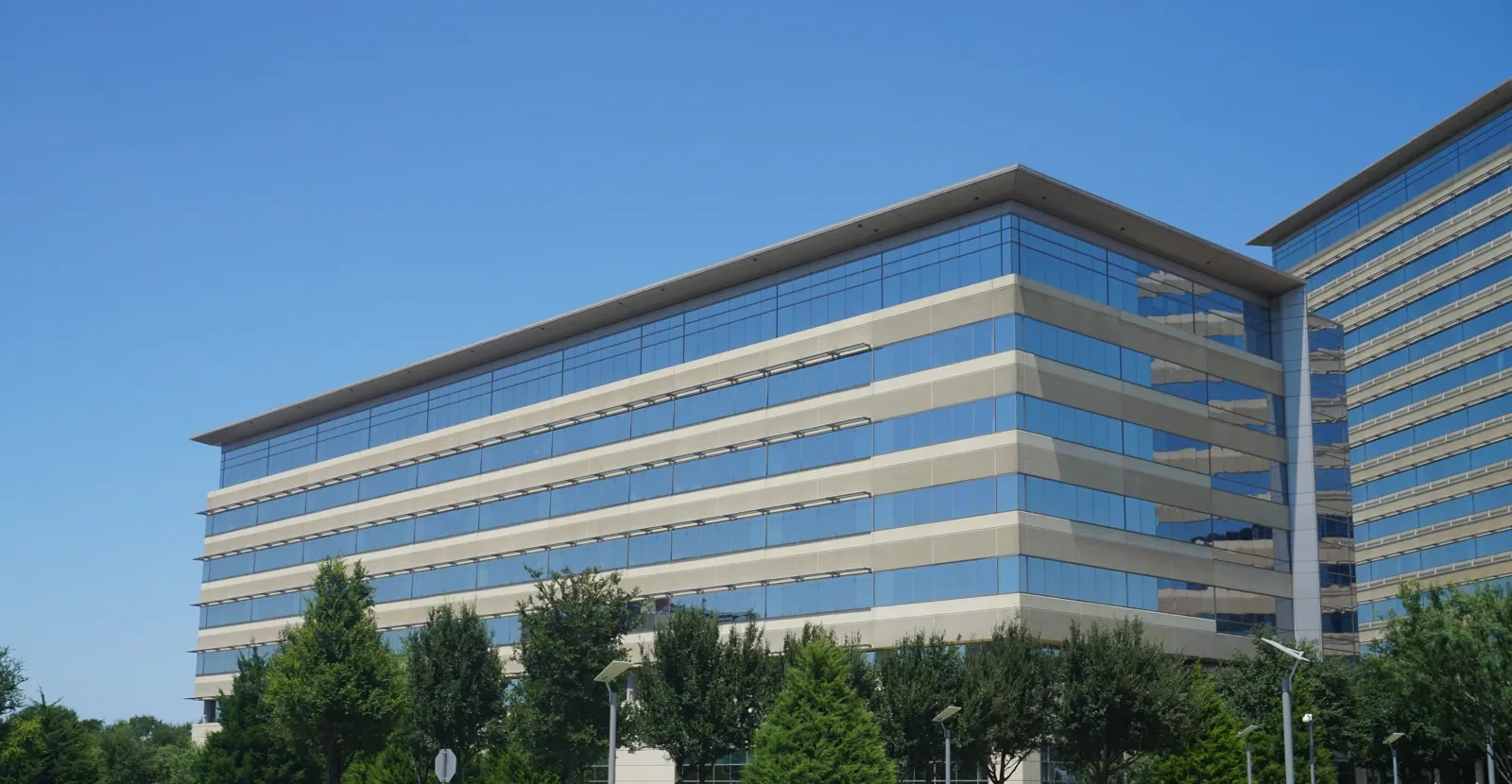
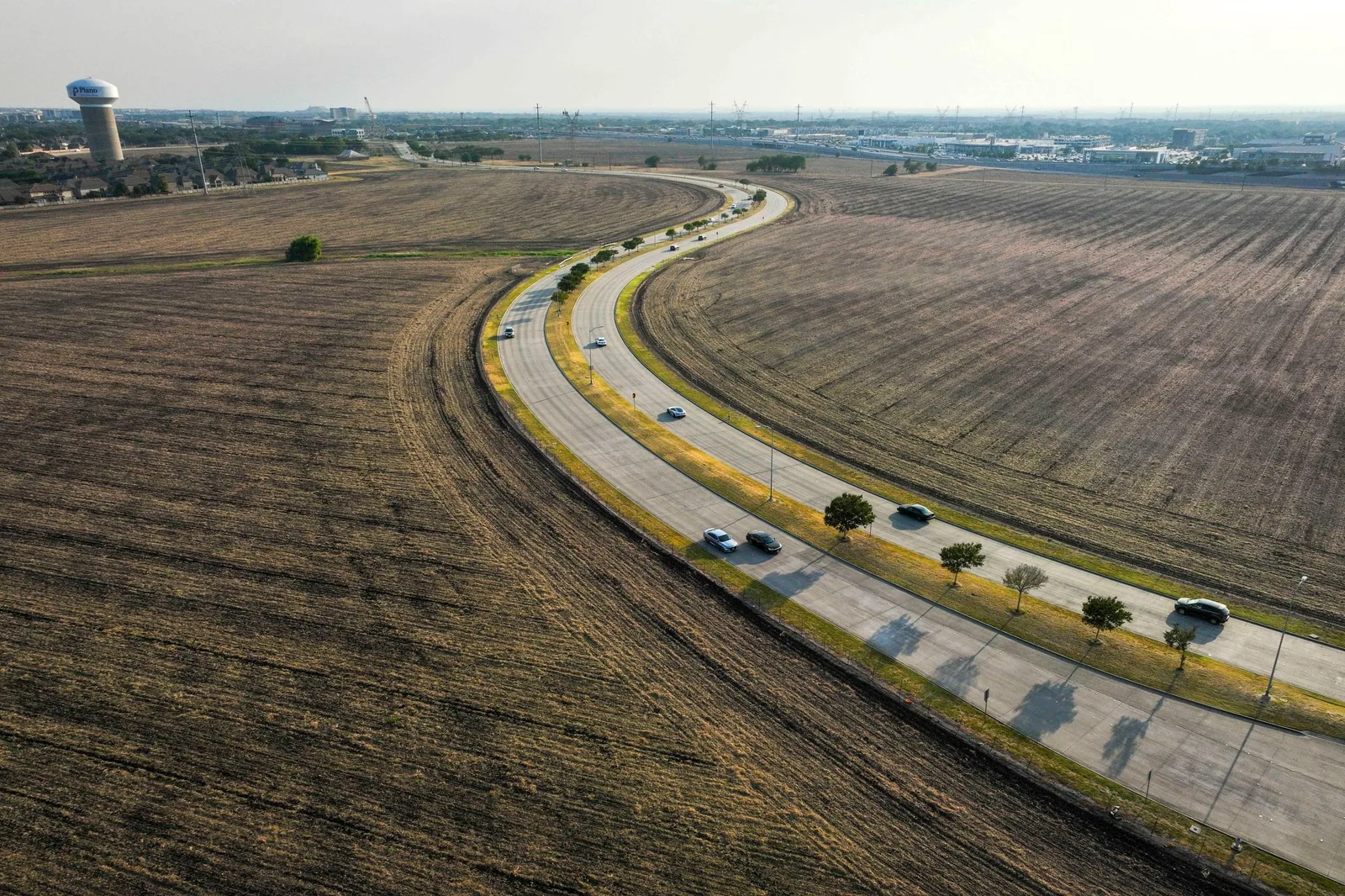
Belt Line and Plano Road bring different retail roofs into one Richardson planning area, but each property still needs its own access plan and inspection. Richardson describes Belt Line and Plano Road as an approximately 178-acre area around the two roads' intersection. The city's vision includes neighborhood-serving retail, office and services as well as uses serving a wider trade area. We inspect each building before setting the repair line or replacement plan.
Request a Roof Assessment
All fields are required.
Commercial Roofing in the Belt Line and Plano Road Area, Richardson, TX
Set the Scope Around the Actual Center
Treat Each Center as Its Own Roof
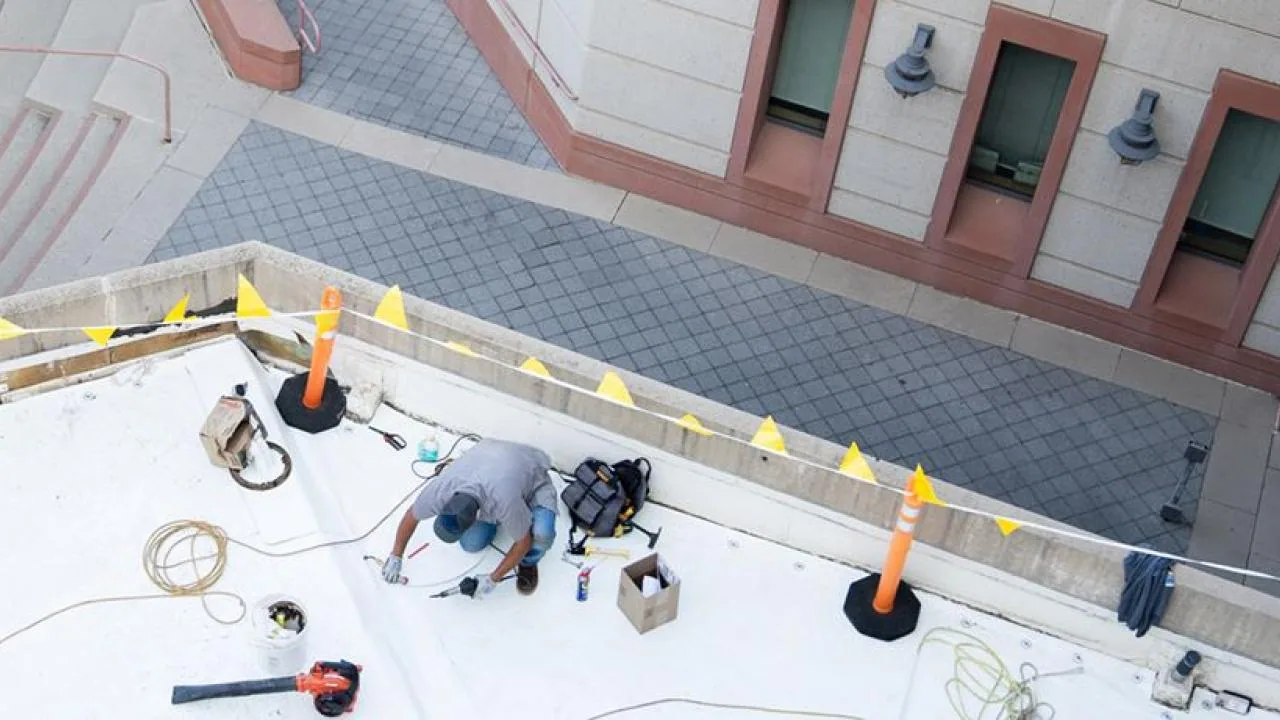
A large shopping center and a smaller retail property may have different roof assemblies, drainage paths and access limits. We identify membrane or metal type, edge conditions, seams, drains, rooftop units, prior patches and visible moisture. A commercial roof inspection divides findings by zone and gives the owner a baseline for service or capital planning. It does not use center size as a substitute for measurements.
Customer routes and deliveries influence staging. We confirm where a lift may stand, which entrances stay open and when loading activity is heaviest. If roof work is above a tenant that cannot close, the scope includes the protection and timing needs shared by the site contact. A photo roof report can help property management explain why a particular section is being repaired while neighboring roofs remain on another schedule.
Office and service uses are part of the city's future corridor vision, but planned uses do not describe every current tenant. Before adding a curb, conduit or exhaust path to roofing scope, we review actual plans and roof conditions. If the mechanical contractor will open the membrane, the proposal identifies who completes and inspects the tie-in. That responsibility line prevents a new penetration from becoming an unpriced leak concern later.
Protect Stores and Service Areas
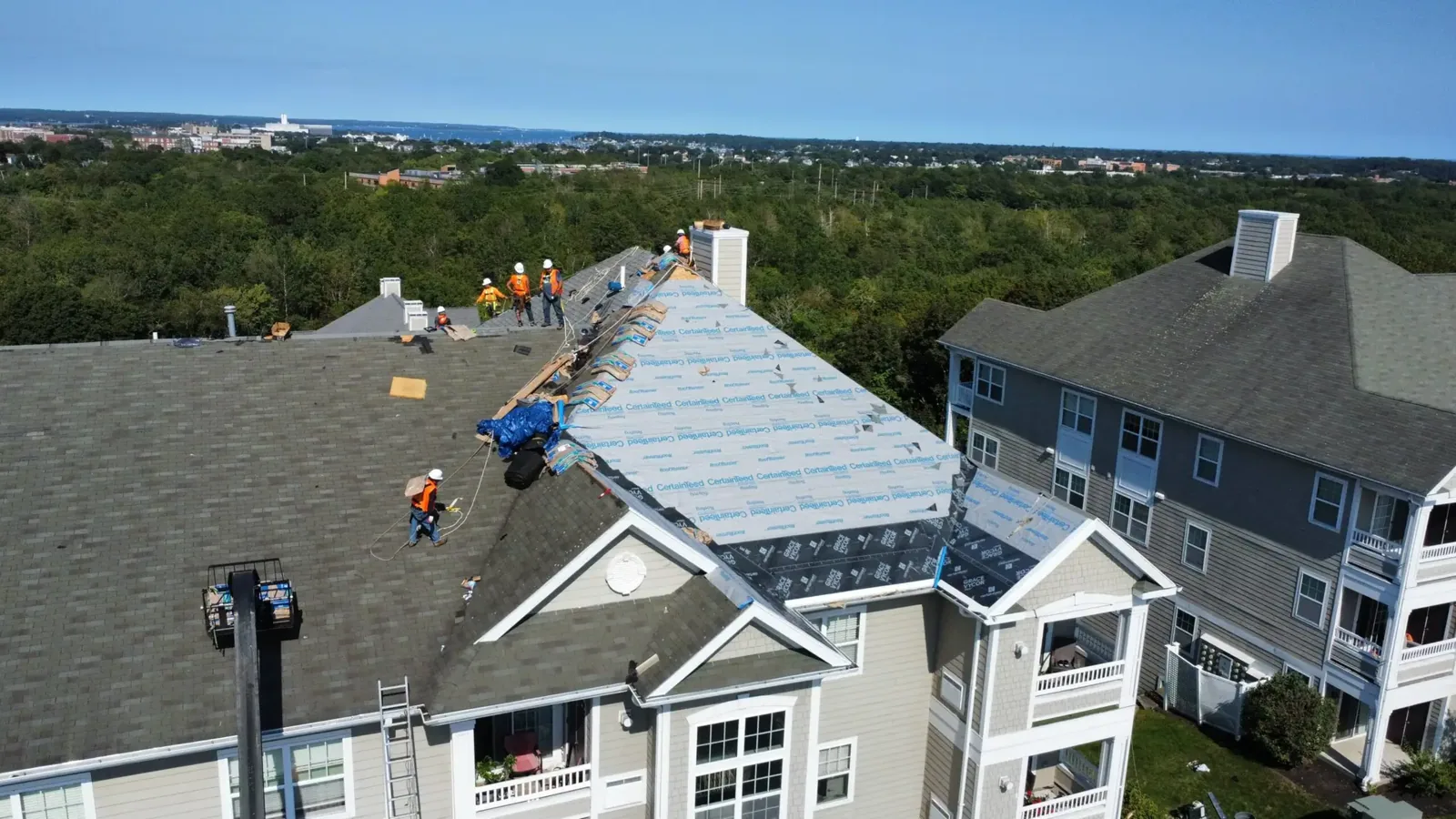
Work above retail can affect inventory, customer entry, signage, parking and deliveries. We agree on the staging boundary and daily close-in with the property contact, then identify any roof sections over sensitive areas. If a roof opening requires interior protection, we state what is covered and who moves equipment or merchandise. The estimate includes special access or off-hours work where the site's limits require it.
For a reported leak, we start with timing, interior location and whether the water remains active. We inspect the roof zones above and beside that area, checking seams, walls, drains and curbs for an entry path. A ceiling stain may be offset from the opening. Emergency roof service can stabilize active water after access is confirmed, then permanent work is priced on what the roof inspection establishes.
A commercial roof repair scope names preparation, compatible materials, flashing tie-ins and limits. If moisture extends into insulation or another zone, we identify testing rather than quietly broadening the patch. The owner can then compare a repair-only spend with a larger project that addresses the supporting evidence.
Match the Project to the Roof Condition
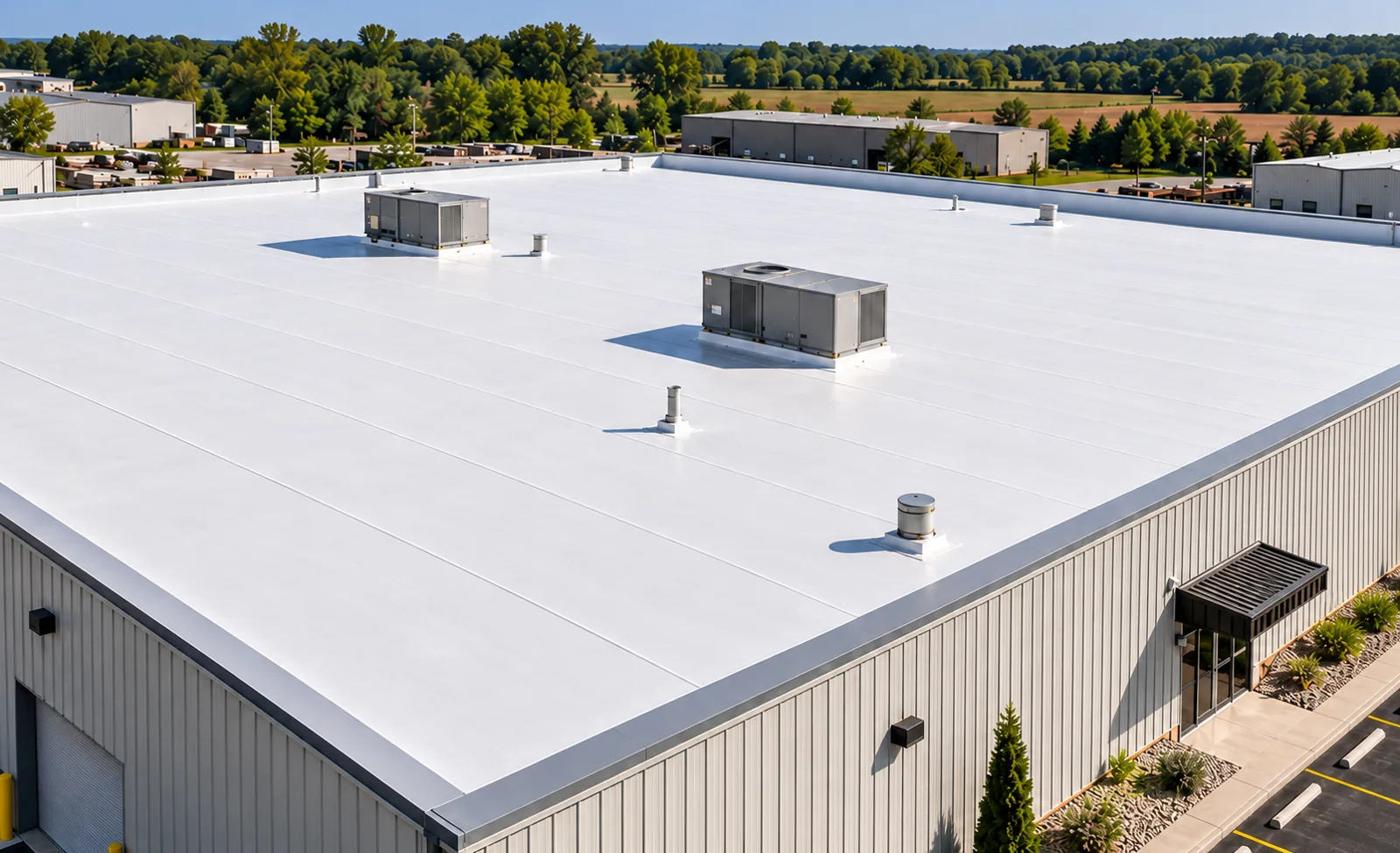
Recover can be an option if the existing roof layers, attachment, deck, moisture and drainage support another assembly. A recover review checks those requirements and flags height or edge conflicts. Wet insulation, unstable attachment or too many existing layers may rule it out. Where that happens, the proposal should compare repair with tear-off and replacement instead of offering an overlay as a default.
A tear-off estimate itemizes removal, disposal, substrate review, insulation and cover board, then lists membrane, flashing, perimeter metal and equipment resets. We set a secure close-in line by zone. For concealed damage, the proposal gives ownership an approval point and a way to price additional work once exposed.
Richardson's code review uses the locally amended 2021 building, existing-building and energy editions. The applicable permit requirements depend on the selected assembly and related structural or mechanical changes. We confirm that path before procurement. The corridor's future plan informs long-term discussion, but does not change a current roof's permit scope on its own.
Use the Forecast in Daily Close-In
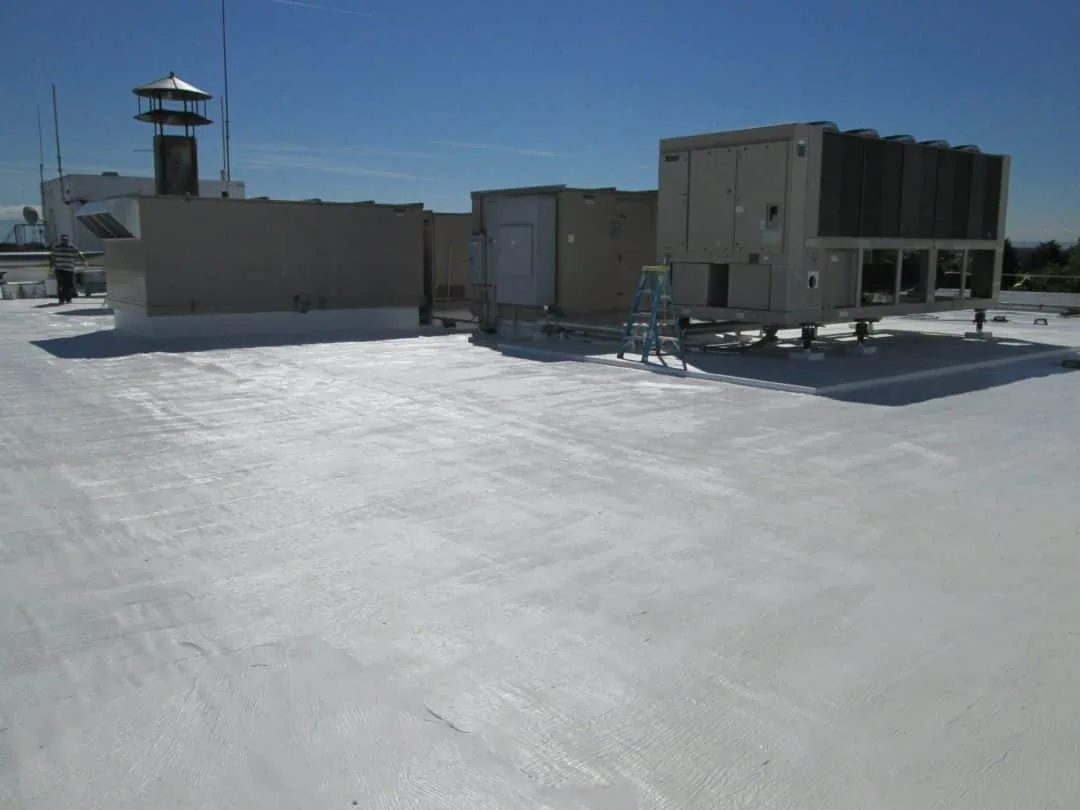
Richardson's July and August average highs are near 96 degrees. High temperatures affect crew hours, adhesive handling and the open-roof period. Spring is the DFW region's peak for severe-weather frequency. We plan deliveries and tear-off so each opened area can be secured the same day. Where a store stays open, the weather plan also covers customer entry, interior protection and debris movement.
Storm reports from other parts of the metroplex do not prove damage at a Belt Line and Plano property. We document the actual roof, inspection date and visible displacement, puncture or seam condition. A storm roof inspection can support repair planning with dated findings. We separate visible condition from event attribution when the roof itself cannot establish cause or timing.
Drainage performance should be checked on the roof, especially where water holds near a seam or curb. We inspect outlets, overflows and low areas, then identify whether the source is obstruction, slope or a failed detail. A drain and overflow repair is priced only for components that the inspection finds defective.
Set a Budget Boundary for Each Site
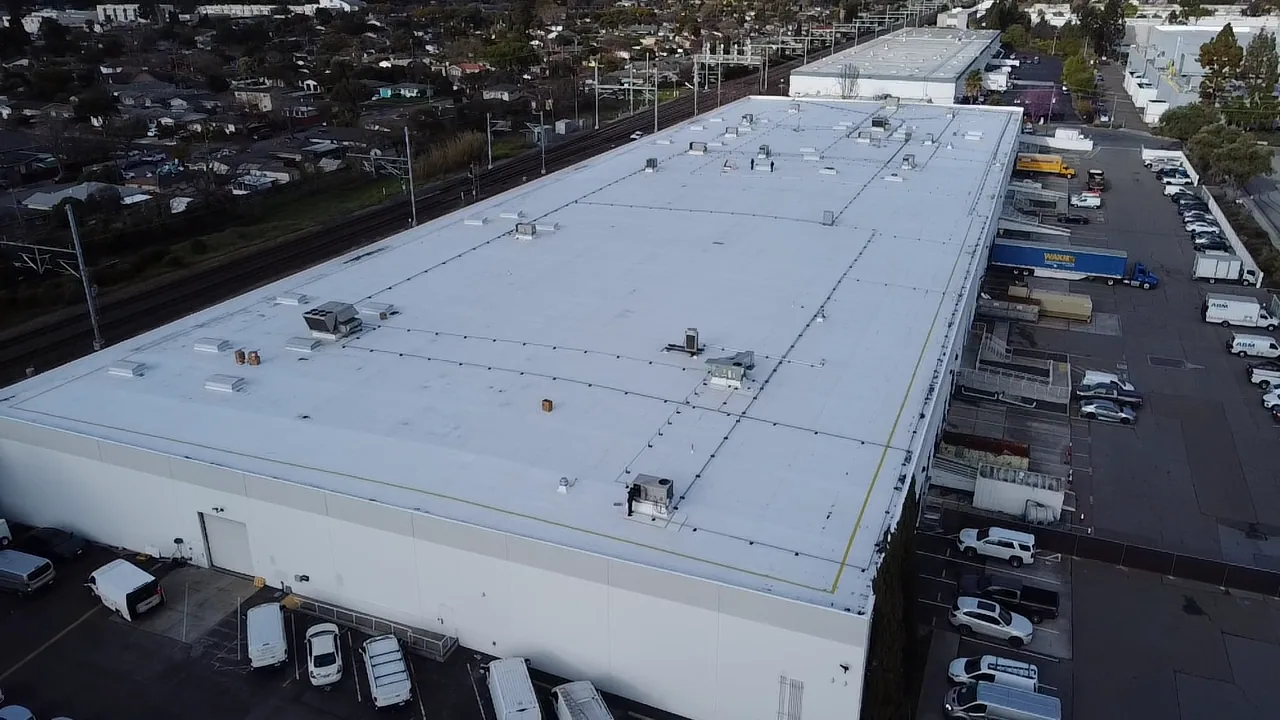
Belt Line and Bowser is a separate, lower-intensity commercial area along Belt Line Road; West Campbell follows a different neighborhood-serving retail, office and service plan. A Bowser-area roof inspection or West Campbell roof review should retain its own quantities, access assumptions and decision boundary even for one portfolio owner.
After work, we record the completed zones, installed materials, dated photos and condition left out of scope. We note whether a section could not be reached and what approval is still needed. If a second center needs work, its inspection starts a separate condition record. That allows a property manager to prioritize each roof using evidence rather than assigning the same allowance to all sites.
Send the property name, roof concern, access path, operating hours and decision date. We will inspect the assembly and return repair, recover or replacement options where supported. The estimate will state which work is urgent, what the scope excludes and what condition would change the next spend.
For each roof, the decision record should show whether water entry is active, whether a repair can be isolated and what remains subject to testing. It should also note which tenant or facility contact can authorize access. These details let management sequence several projects without turning a center-wide schedule into a single undifferentiated work order.
Related Roofing Work
Commercial Roof Inspection
Commercial Roof Condition Reports
Emergency Commercial Roof Repair
Commercial Roof Repair
Questions About Belt Line and Plano Road Area
Does the 178-acre area measurement indicate roof size?
No. It describes the planning area around Belt Line and Plano Road, not a parcel or roof measurement. We inspect each building and calculate quantities from the actual work area.
Can roof repairs be done without closing a retail center?
Often, with agreed staging, customer routes, deliveries and daily close-in. We identify roof zones above sensitive areas and include any after-hours or interior protection needs in the schedule.
How do you compare repair bids from several contractors?
Use matching roof zones and include preparation, compatible material, flashing, staging, protection, close-in and concealed-condition pricing. We state those assumptions so the owner can compare scope and timing together.
What if future office or service development is planned near the intersection?
We keep the current repair decision tied to the existing roof. Future changes enter the roofing scope when ownership provides plans for the specific property and authorizes those details.
When should drainage work be included with a roof repair?
Include it when inspection finds a blocked outlet, damaged scupper, failed overflow or related membrane detail. The estimate identifies the component and any adjacent repair needed for a continuous tie-in.
Set the Scope Around the Actual Center
Send the property, operating hours, roof concern and decision date. We will inspect the roof and return quantities, work window and scope limits for that site.