
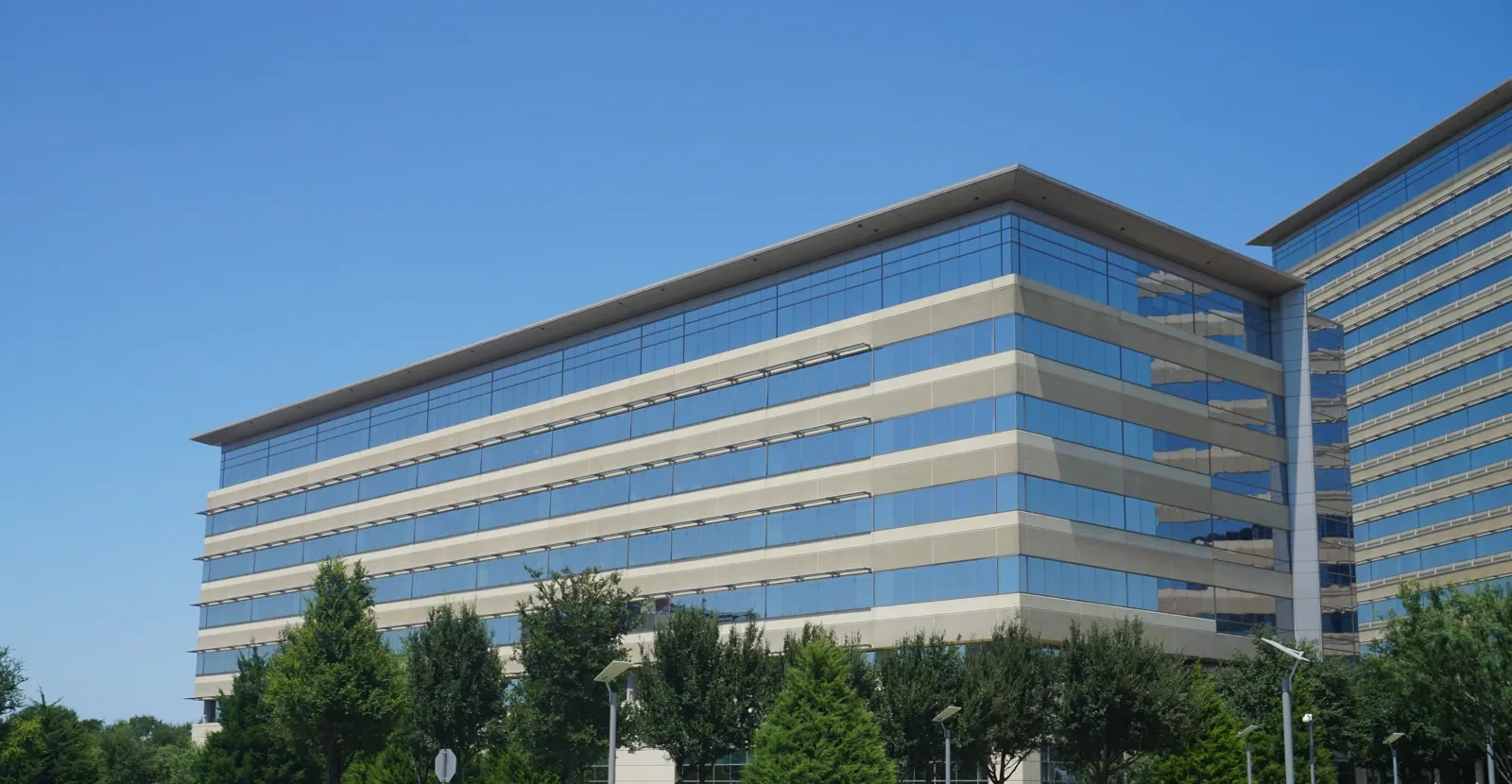
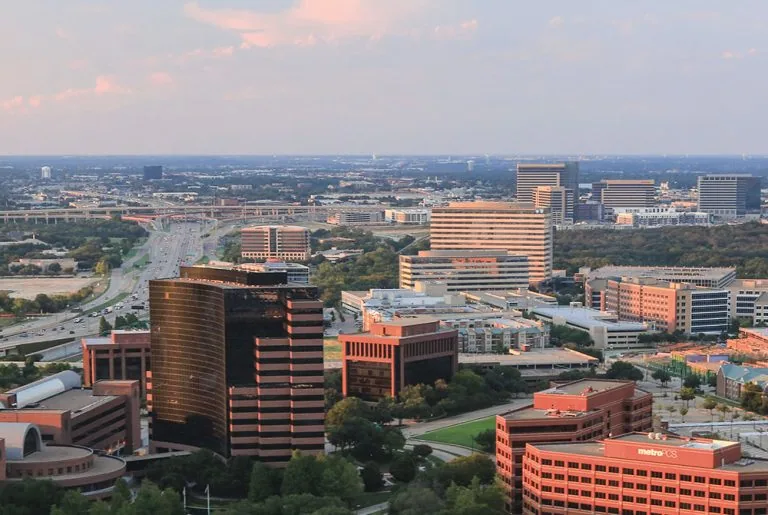
Roof access along Belt Line can be constrained by the active business below and the available staging area. Richardson's Belt Line and Bowser area covers about 25 acres between the Kansas City Southern Railroad and Frances Way, with retail, restaurants, auto-related uses and a plant nursery among the identified businesses. We inspect the actual roof and plan the work around property access. The corridor description does not establish an individual building's roof assembly or condition.
Request a Roof Assessment
All fields are required.
Commercial Roofing in the Belt Line and Bowser Area, Richardson, TX
Set the Roof Work Window
Confirm the Route Before the Crew Arrives
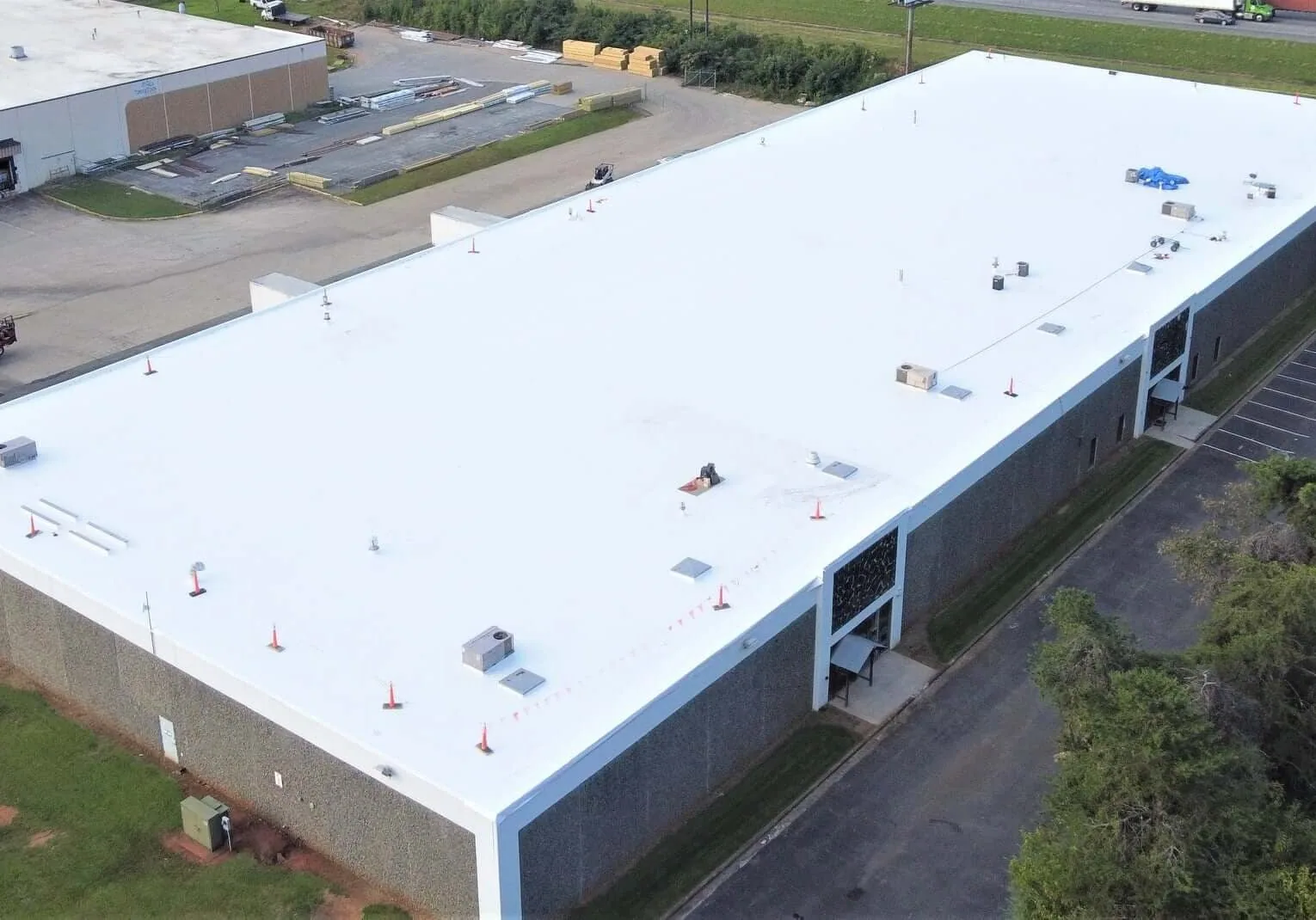
Retail deliveries, restaurant service and vehicle movement can compete with lifts, material trucks and debris removal. We verify the approved access route, staging footprint, active doors and work hours with the site contact. If a lift blocks customer parking or a service bay, the schedule identifies when that interruption occurs. Ownership can decide whether off-hour work is worth the added labor before the job begins.
We record the roof surface, edge metal, seams, drains, curbs, flashing and visible patch history. A commercial roof inspection locates each finding by zone instead of treating the roof as one line item. If a retail or shop tenant reports a leak, a photo condition report links the interior concern with the roof detail, recommendation and work boundary.
Auto-related use may involve rooftop exhaust or service equipment, but we do not assume those features exist at a particular building. We check the actual curbs, penetrations and vibration-related details. Where another trade has installed or will move equipment, the proposal identifies who restores the flashing. That scope line matters if roof and mechanical work happen on separate schedules.
Find the Repairable Area
A stain inside a shop or dining room can sit away from the entry point. We compare its timing with roof seams, parapets, drains and equipment transitions, then determine whether moisture has reached insulation. An interior patch can hide the symptom without stopping water above. For water that is still entering, urgent leak stabilization can protect the exposed area once a safe path to the roof is available.
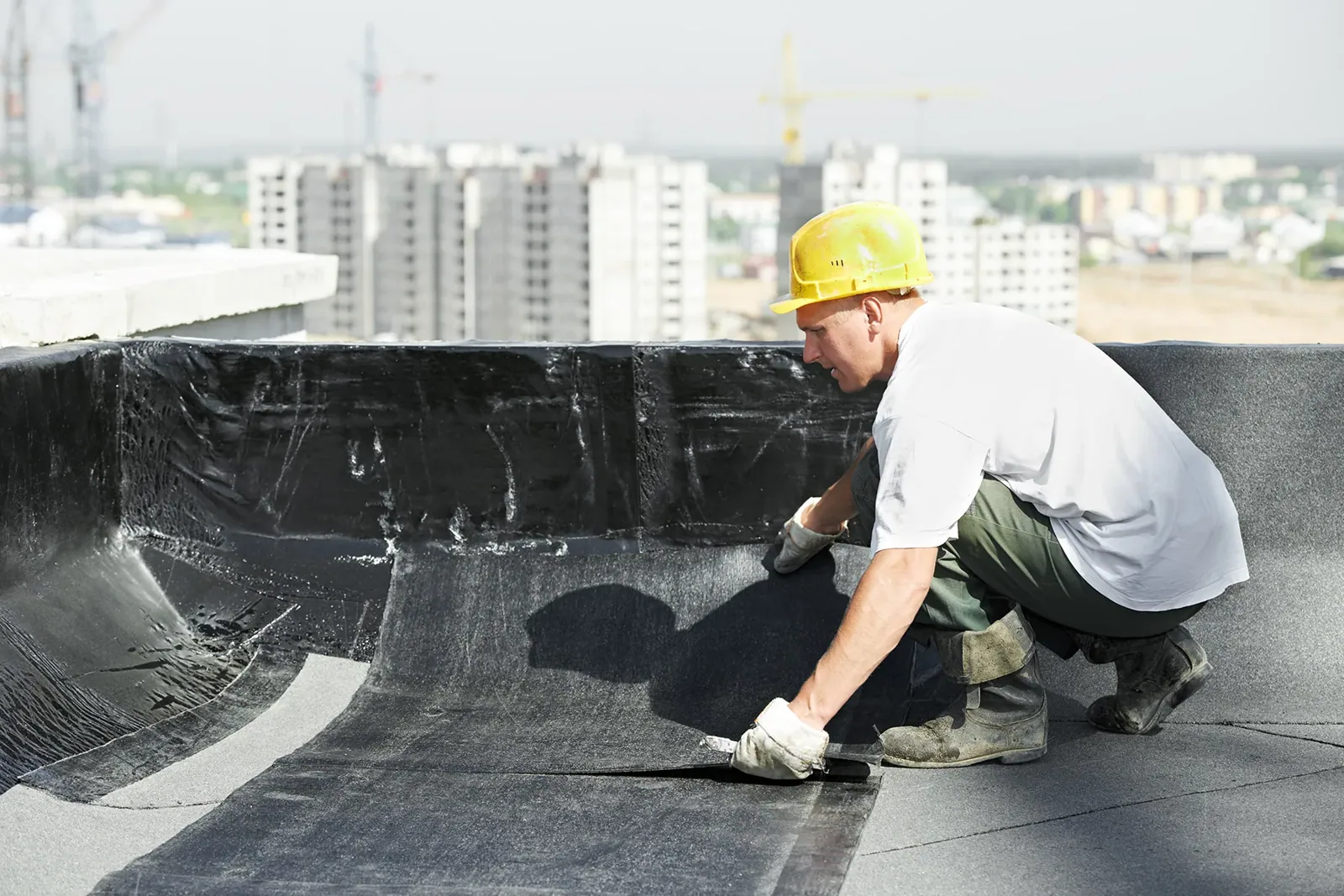
Permanent work names the preparation, compatible material, flashing tie-in and boundary of the repaired zone. A commercial repair scope can address a contained defect while leaving sound material in service. If testing shows wet insulation or failure across additional sections, the estimate lists those findings separately. The owner can then compare the cost of a defined repair with the effect of leaving adjacent conditions in place.
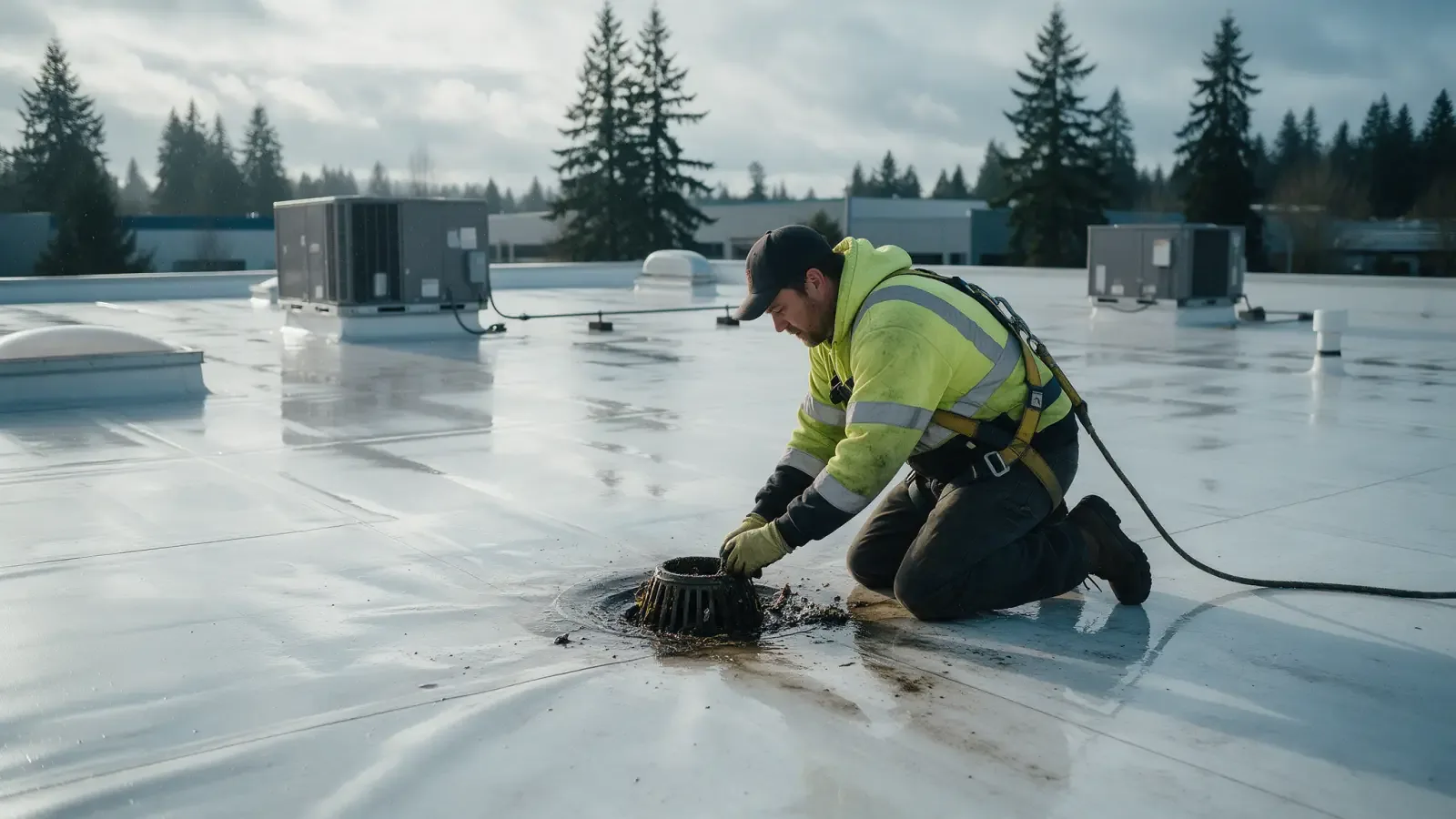
Drainage also deserves a direct look after heavy rain. We inspect drain bowls, scuppers, overflow routes and low areas for blockages or failed transitions. Water held near a roof detail can complicate an otherwise localized repair. If the outlet or flashing is the confirmed source, drain and scupper work can be priced with the adjacent membrane tie-in rather than appearing later as an open allowance.
Compare the Present Roof With Its Next Use
Richardson's future land-use vision for Belt Line and Bowser includes retail, office and service activity alongside lower-intensity housing. That planning direction is not a construction commitment for a particular parcel. We price the current roof condition first, then add future penetrations or expansion only when ownership provides plans and authorizes that work.
A recover is not a default answer to a budget limit. We inspect layer count, attachment, deck, moisture, roof height and drainage before considering another membrane. A recover evaluation identifies the conditions that support or rule out that path. If tear-off is the better option, its proposal separates removal, substrate assumptions, insulation, cover board, flashing and edge details.
Richardson's permit rules reference locally amended 2021 building, existing-building and energy standards. We confirm the approval path against the roof scope and any structural or mechanical work before material is ordered. If a tenant or future use changes a curb or exhaust route, that addition belongs in the coordination plan rather than being inferred from a general corridor vision.
Control the Open-Roof Window
Richardson's July and August highs average close to 96 degrees. Heat affects adhesive handling, surface preparation and the hours a crew can work productively. Spring is the DFW region's peak period for severe-weather frequency. We set the daily section so it can be secured before leaving and confirm how interior areas will be protected if a weather delay interrupts the work.
A metroplex storm does not establish that a Bowser-area roof has hail or wind damage. We inspect the property, document roof-zone findings and record the visit date. A storm inspection can support a repair decision by separating visible displacement or puncture from older wear where the evidence allows. The report does not claim a cause or date the roof cannot establish.
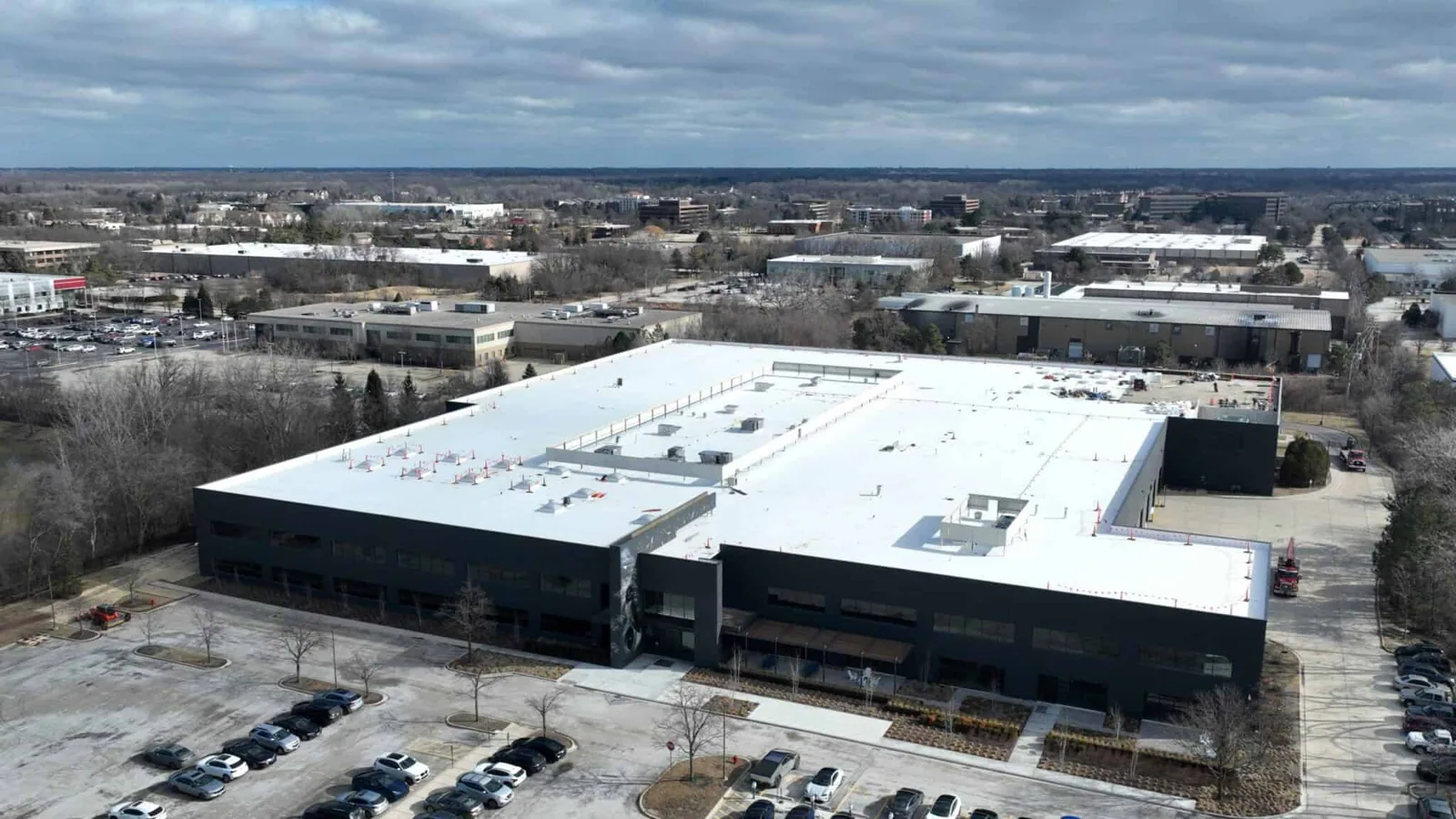
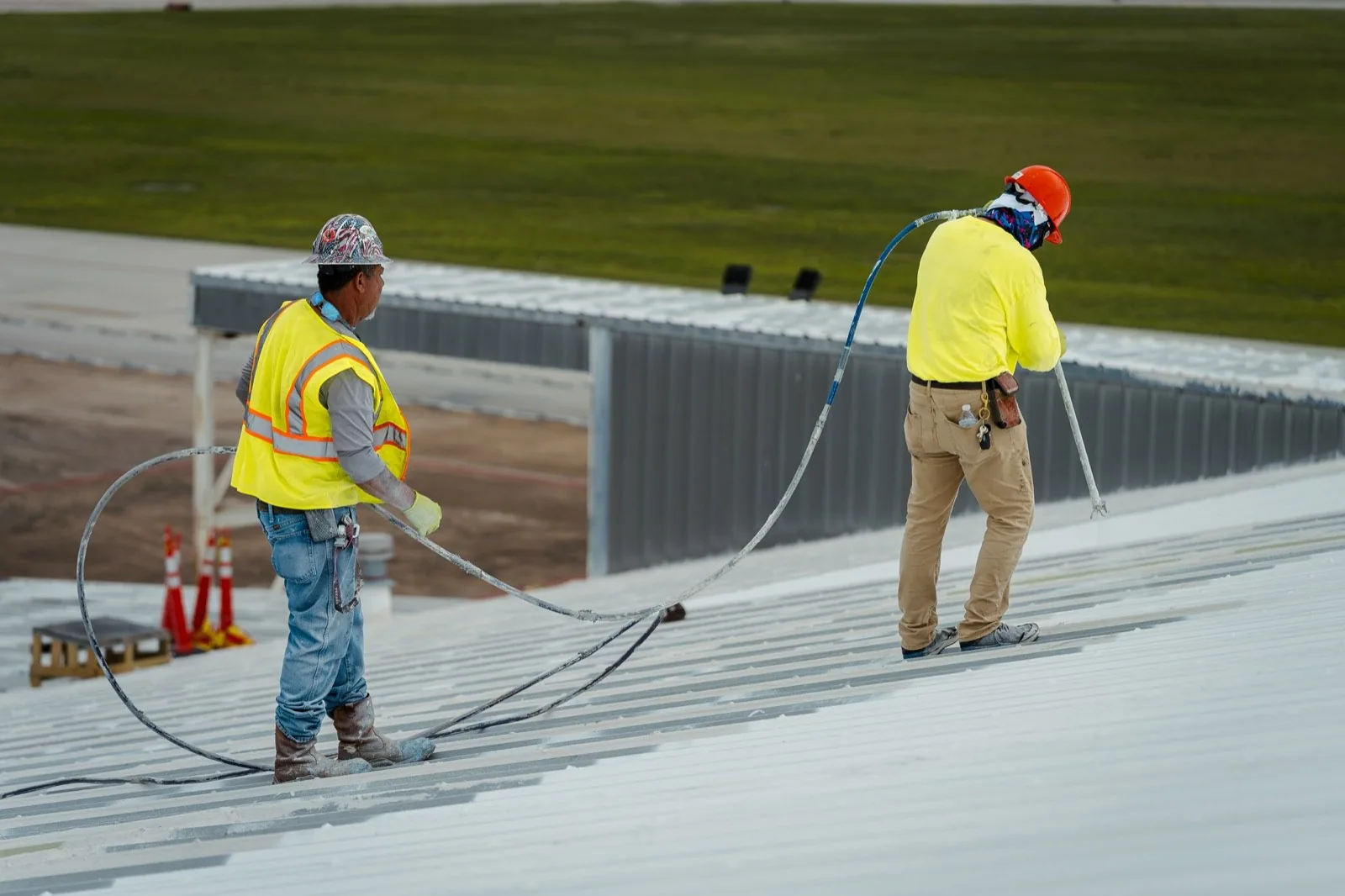
Replacement adds a larger exposure window than a patch. We phase tear-off, keep a secure edge, confirm material staging and state what happens if the forecast changes. Any work above a customer area or vehicle bay includes a plan for overhead protection and debris control. The owner sees the schedule assumption and can adjust operations before the crew mobilizes.
Keep Each Property's Scope Separate
The Belt Line and Plano Road area is a separate commercial district with both small and large retail centers. West Campbell contains restaurants, retail and small office buildings. A Belt Line and Plano roof visit or West Campbell inspection should receive its own condition map even when an owner controls more than one site.
Closeout records repaired zones, materials installed, dated photos and any area not included. It identifies roof access limitations and outstanding tests, so the next facilities contact can tell completed work from open items. If a different trade returns to an equipment curb, the record clarifies where the roofer's flashing work ends and what must be restored after that trade's work.
Tell us which property is involved, when water appeared, what access is allowed and when the owner needs a number. The inspection will identify the repair boundary, schedule constraints and evidence that could justify broader work.
Parking availability, waste removal distance and a work window that avoids a customer rush may add setup or labor. We list those items separately from membrane quantity. If a repair needs interior protection near a service bay or dining space, the estimate states what is included so management can approve the right operating plan.
Related Roofing Work
Commercial Roof Inspection
Commercial Roof Condition Reports
Emergency Commercial Roof Repair
Commercial Roof Repair
Questions About Belt Line and Bowser Area
Can roof work fit around Belt Line restaurant and retail hours?
We confirm customer entrances, deliveries, service traffic, noise windows and staging with the property contact. The work plan sets the daily close-in line and notes any lift or parking interruption before the schedule is approved.
Does the railroad boundary change a roof inspection?
It describes the area's location but does not establish roof access or property rights. We confirm the actual route and staging permissions with the building contact before planning a lift or material delivery.
What should happen when water appears above an auto service area?
We protect the space, trace the likely path through roof seams and penetrations, and inspect equipment transitions. The estimate separates immediate stabilization from the permanent repair and records any untested adjacent area.
Can a repair be priced before the roof is opened?
We can price visible conditions and identify what would require testing. If concealed insulation or deck damage could change quantities, the proposal sets an approval point and a unit-price method rather than treating unknown work as confirmed.
How do future land-use plans affect a current roof budget?
Planning direction can inform a longer capital discussion, but current work is based on the inspected building and authorized plans. We keep immediate repair separate from future changes that have not been designed or approved.
Set the Roof Work Window
Share the property, operating hours, access route and roof concern. We will inspect the site and return a defined scope with the repair boundary and schedule assumptions.