
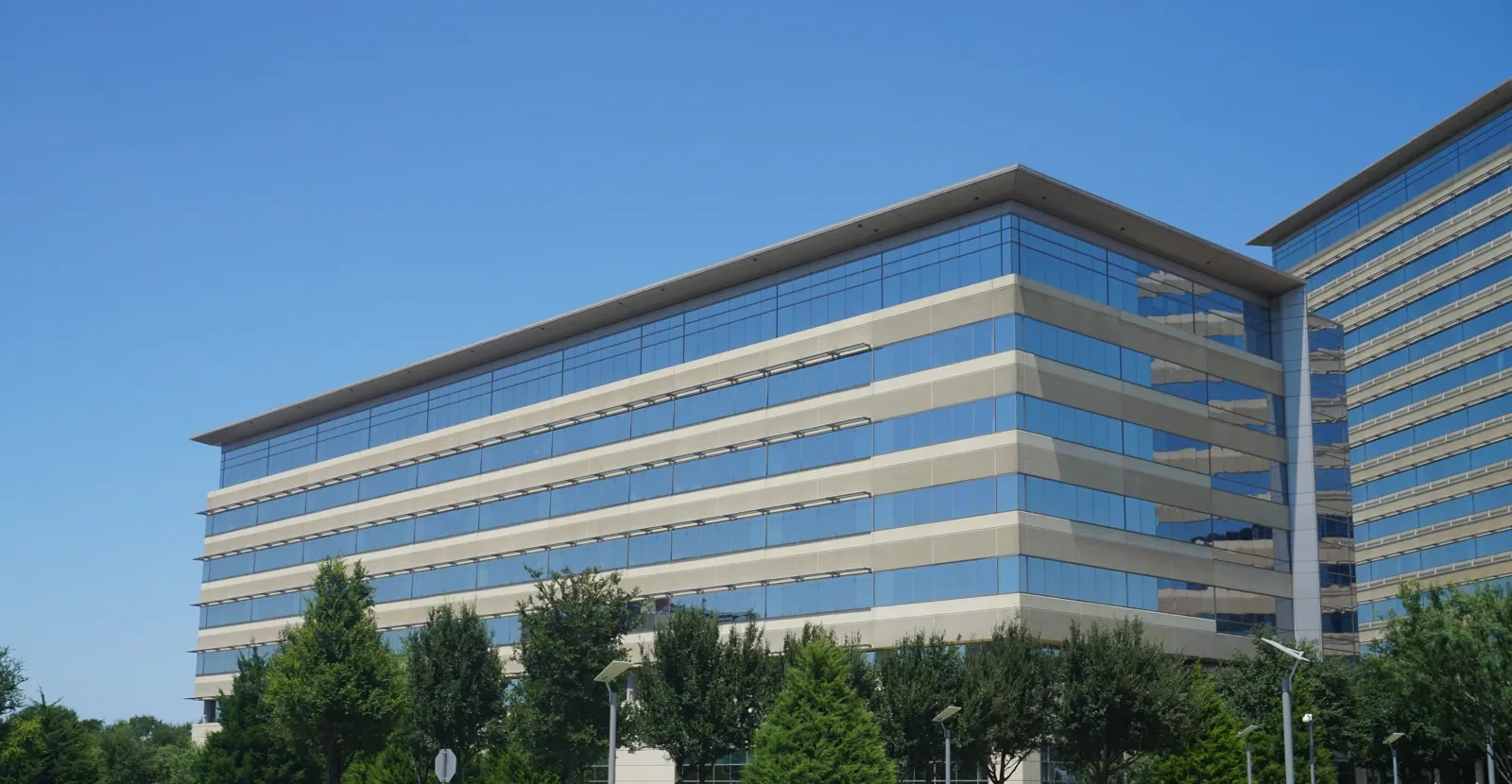
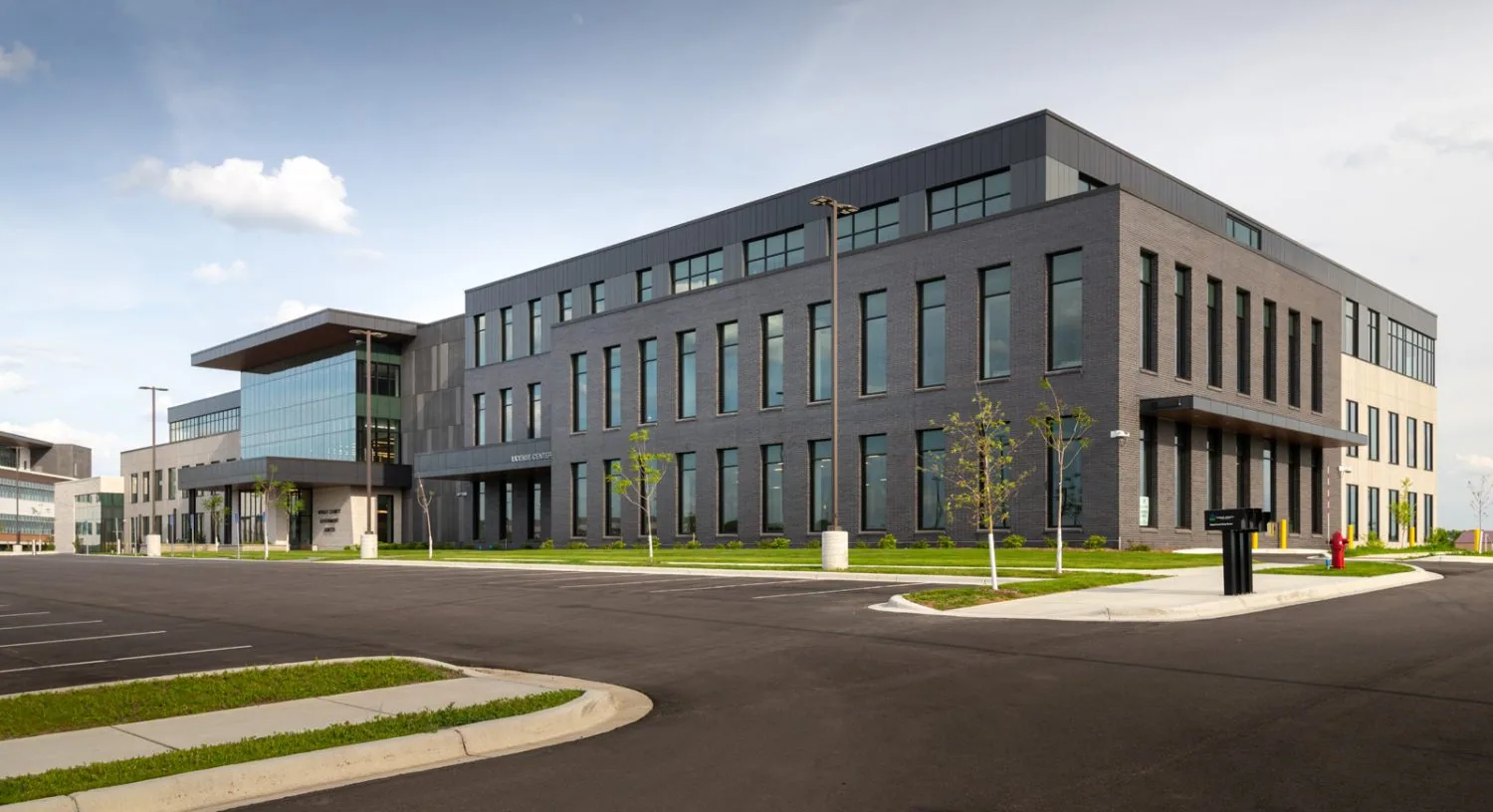
A government building roof project has to protect public service, staff work areas, and secure rooms while construction moves overhead. A leak near records, public counters, or communications can quickly change the work sequence. We inspect the assembly, map affected rooms, and set repair or replacement scope around the facility's access rules in Richardson, TX. The estimate should identify what can be confirmed, what requires an opening, and who approves changed work.
Request a Roof Assessment
All fields are required.
Government Building Roofing in Richardson, TX
Coordinate Roofing with Public-Service Hours
Keep Public Routes and Counters Open
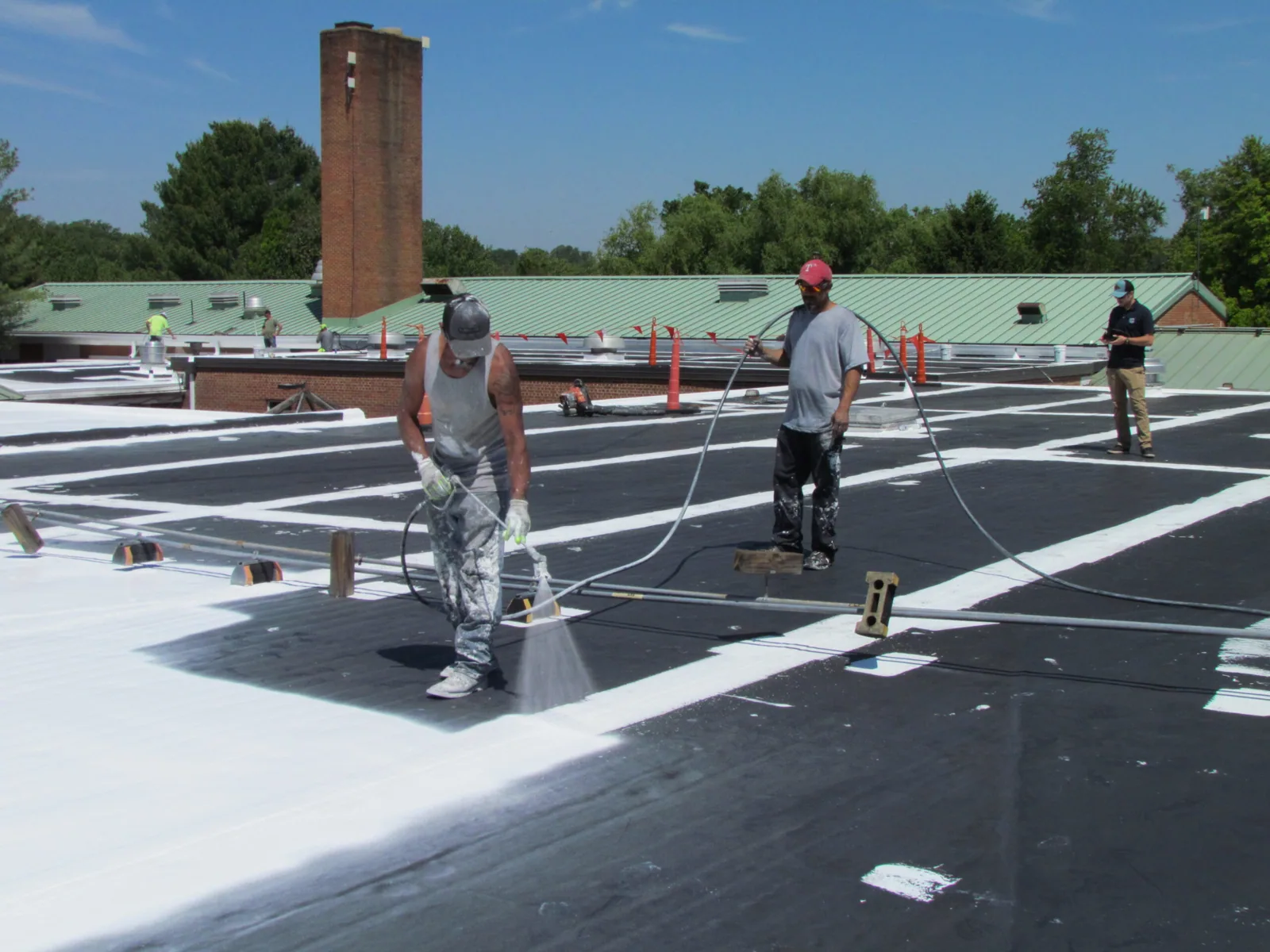
We identify which entrances, counters, meeting rooms, and staff areas sit beneath the affected roof. The manager may need to preserve public access while a lift or crew is on site. We map work zones and protection needs before opening material above records, electrical rooms, or occupied offices. If temporary relocation is necessary, the facility should know the expected window and the areas affected.
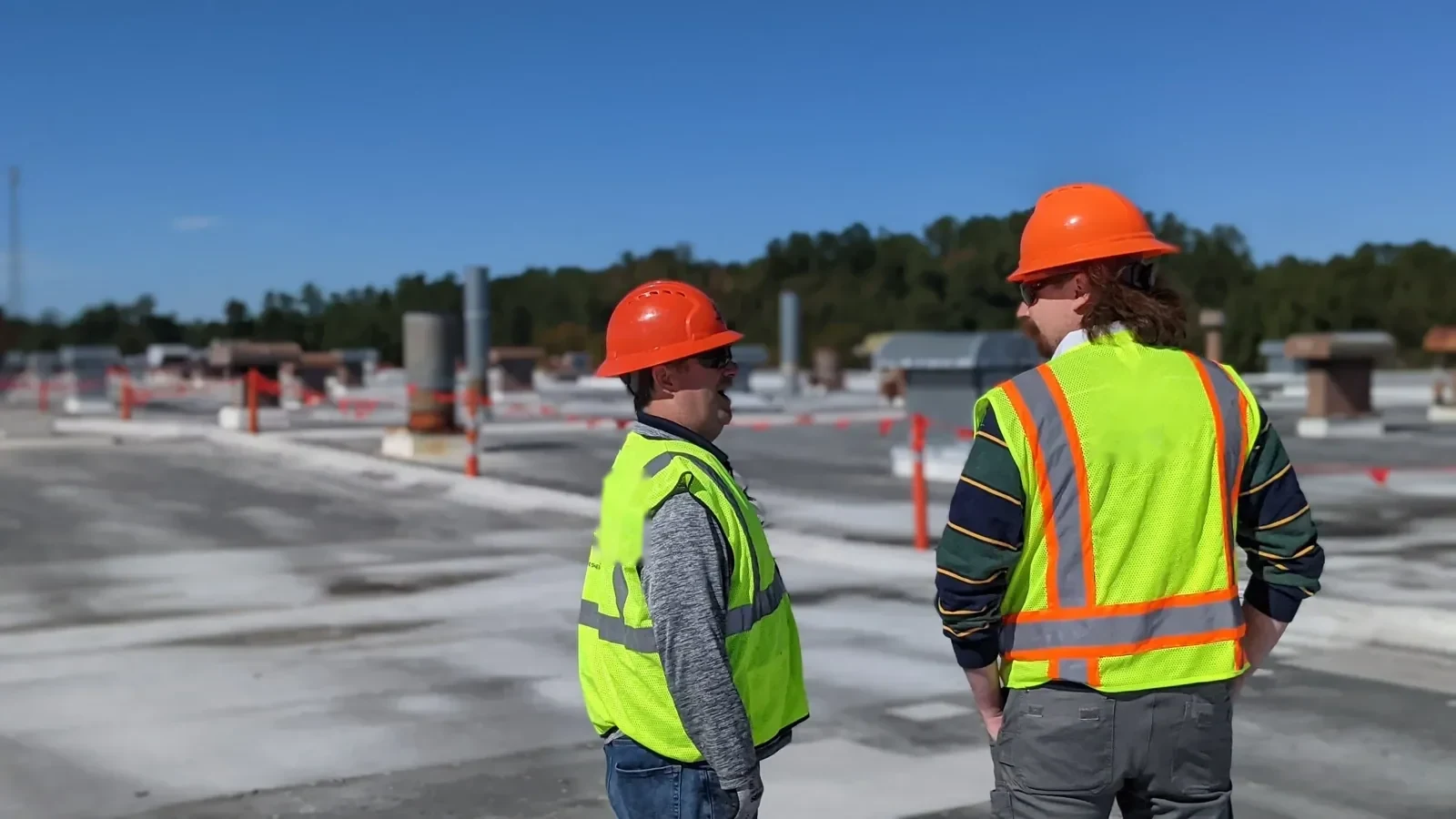
Security and operations may limit contractor hours, tools, photography, and access paths. We confirm the escort or sign-in process and where material can stage without blocking public routes. A roof inspection can document the system, leak path, and repair history before bid. If active water threatens a service area, an emergency visit can contain it while permanent work is defined. The work plan should identify who receives the daily update and which staff member can approve concealed repairs.
For public-facing facilities, coordinate temporary signs and accessible paths before equipment arrives. Put alternate entrances and daily reopening times in the work notice, then update staff when weather shifts the plan. This prevents a roof repair from becoming an unplanned service interruption.
Protect Records, Communications and Building Equipment
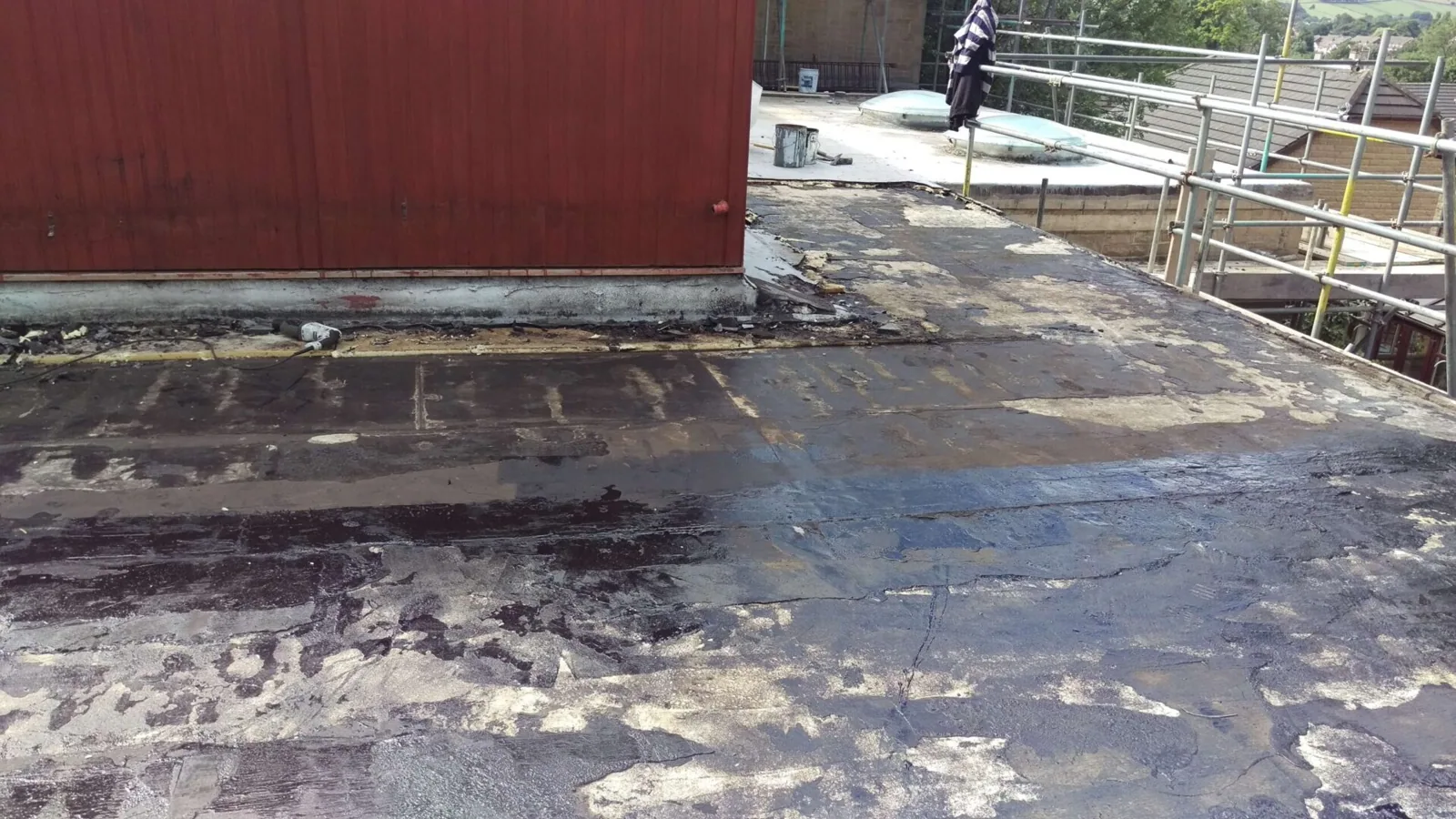
Municipal and public buildings can contain records storage, communications, server equipment, meeting spaces, and service counters. We identify those areas below the roof and coordinate interior protection before demolition. Rooftop antennas, HVAC units, exhaust, and other equipment need flashings and supports that remain accessible after roofing is complete. If equipment is being upgraded, align its schedule with membrane work so a new penetration does not compromise the finished roof.
Richardson CityLine includes office, medical, retail, hotel, apartment, park, and civic space. CORE District Downtown follows Main Street and blends historic character with newer commercial activity. These local facts show that public and civic activity is connected to active business districts, not that a particular building has any specific use or roof condition. A facility near CORE District Downtown still needs a site-level access review. A curb and support scope can coordinate antennas or mechanical changes with replacement.
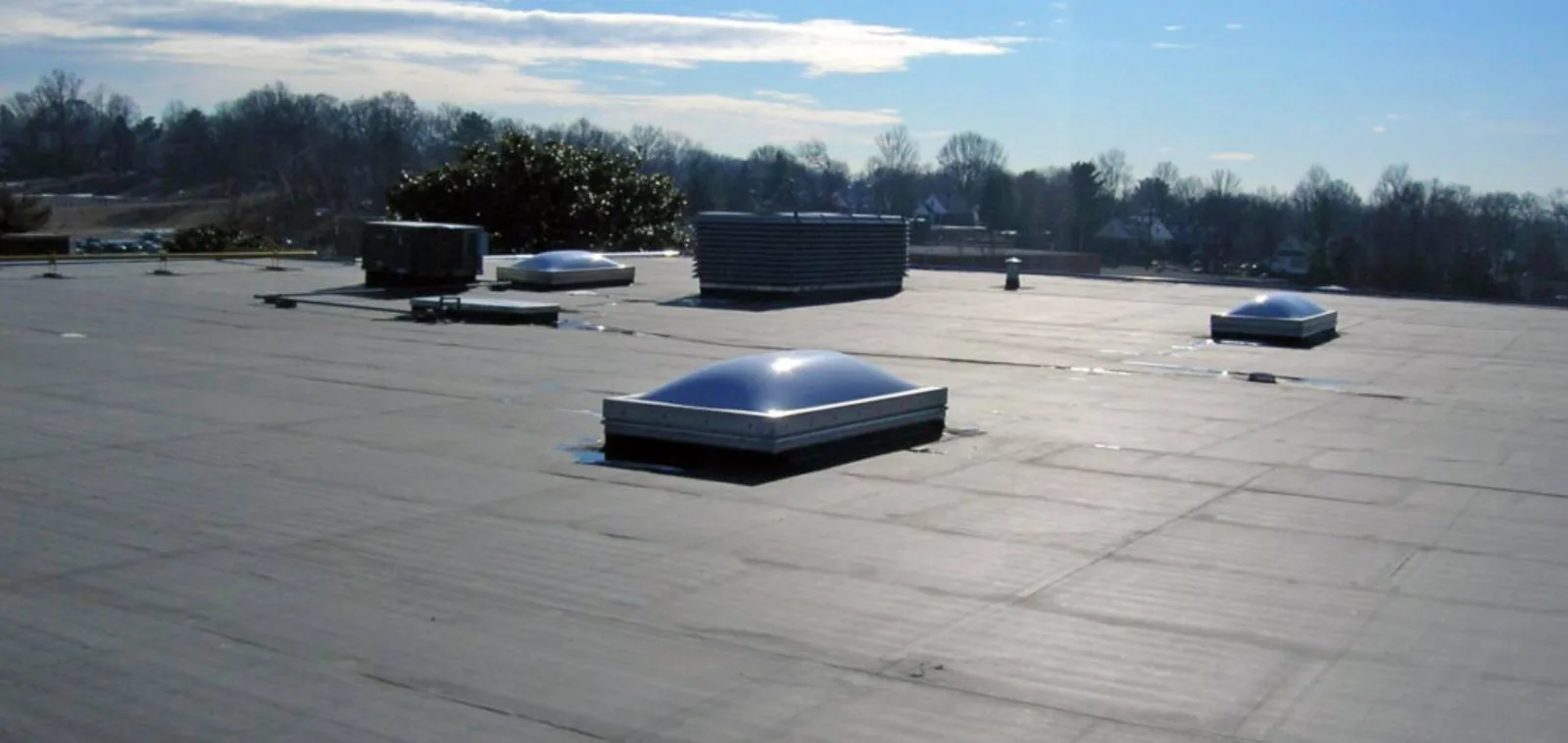
Check Drains and Public-Facing Edges
Leaks at parapets, windows, roof edges, drains, or mechanical penetrations can affect public areas even when the field membrane is intact. We inspect scuppers, overflow paths, coping, edge metal, and wall transitions. Water held at a blocked outlet can reach the interior, while a loose edge can admit wind-driven rain. A repair should address the full transition and state where the new work ends.
Richardson's commercial corridors connect through US 75, President George Bush Turnpike, Plano Road, Campbell Road, Arapaho Road, Greenville Avenue, and Belt Line Road. Delivery and crew access can vary across these routes; the facility walkthrough confirms gate rules and staging. A drainage review can identify outlet work, while perimeter corrections address metal and wall edges. If a building has an addition or public entry canopy, include that intersection in the field review.
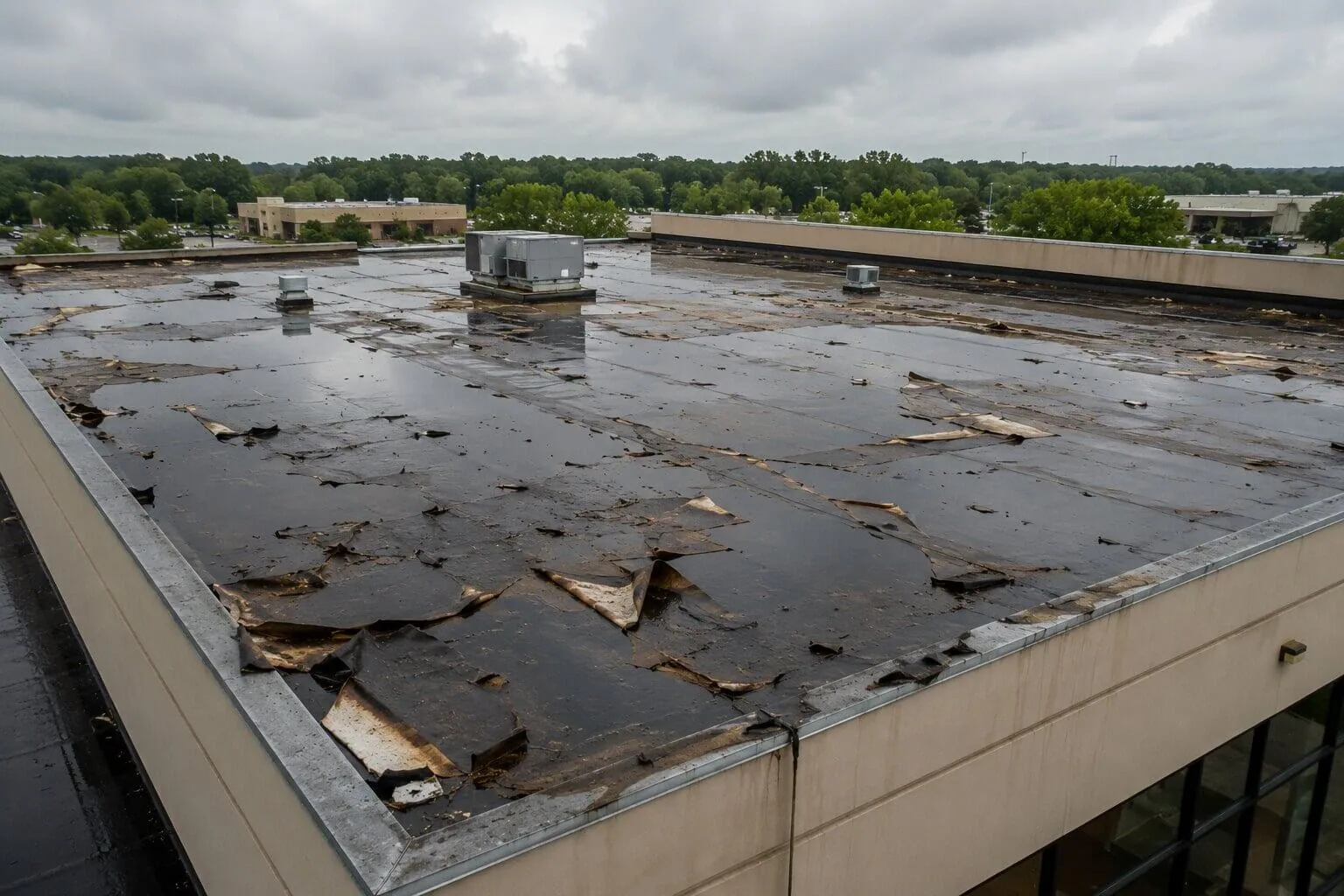
Set Emergency and Weather Procedures
Summer heat and spring thunderstorms across DFW can stress seams, flashing, coatings, and drainage. After a reported event, we inspect the actual property for punctures, displaced edge metal, open penetrations, and interior water. Regional severe-weather reports support readiness planning but do not confirm a particular public building was damaged. Staff should have a contact path to report water and restrict access to an affected area. Richardson has a documented 2019 tornado track near Audelia Road and Buckingham Road. That event supports continuity planning for the city; it does not determine conditions at another agency property. Preserve inspection dates, photographs, affected rooms, and temporary protection steps. A wind inspection can record current findings, with invoices and observations kept together if a covered event is under review.
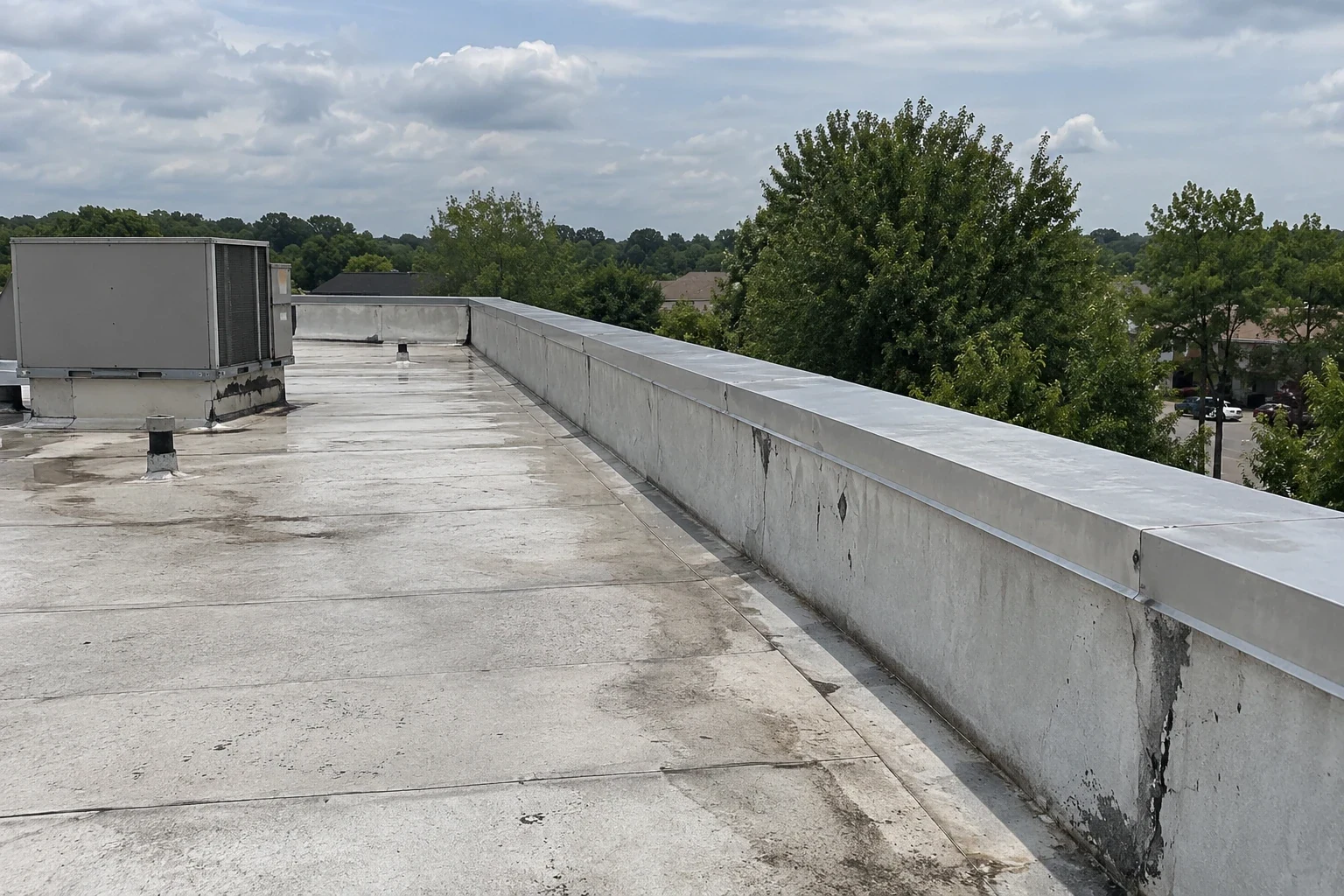
Document the Approval Path Before Procurement
City permit review follows the adopted code editions and local amendments that apply to the selected work. Changes to insulation, structure, or roof assembly can affect that review. Public agencies may also have procurement and internal approvals outside the permit process. We identify the two schedules separately before material delivery so construction does not start against an unapproved milestone. The estimate should identify removal, insulation, cover board, membrane, flashing, metal edge, drainage, interior protection, and disposal. State how concealed wet insulation or deck damage will be photographed and approved. A recover assessment can test whether the existing system may remain. Replacement planning can include access controls, phase limits, and closeout documents. A condition report can support budget review with a map of immediate and future work.
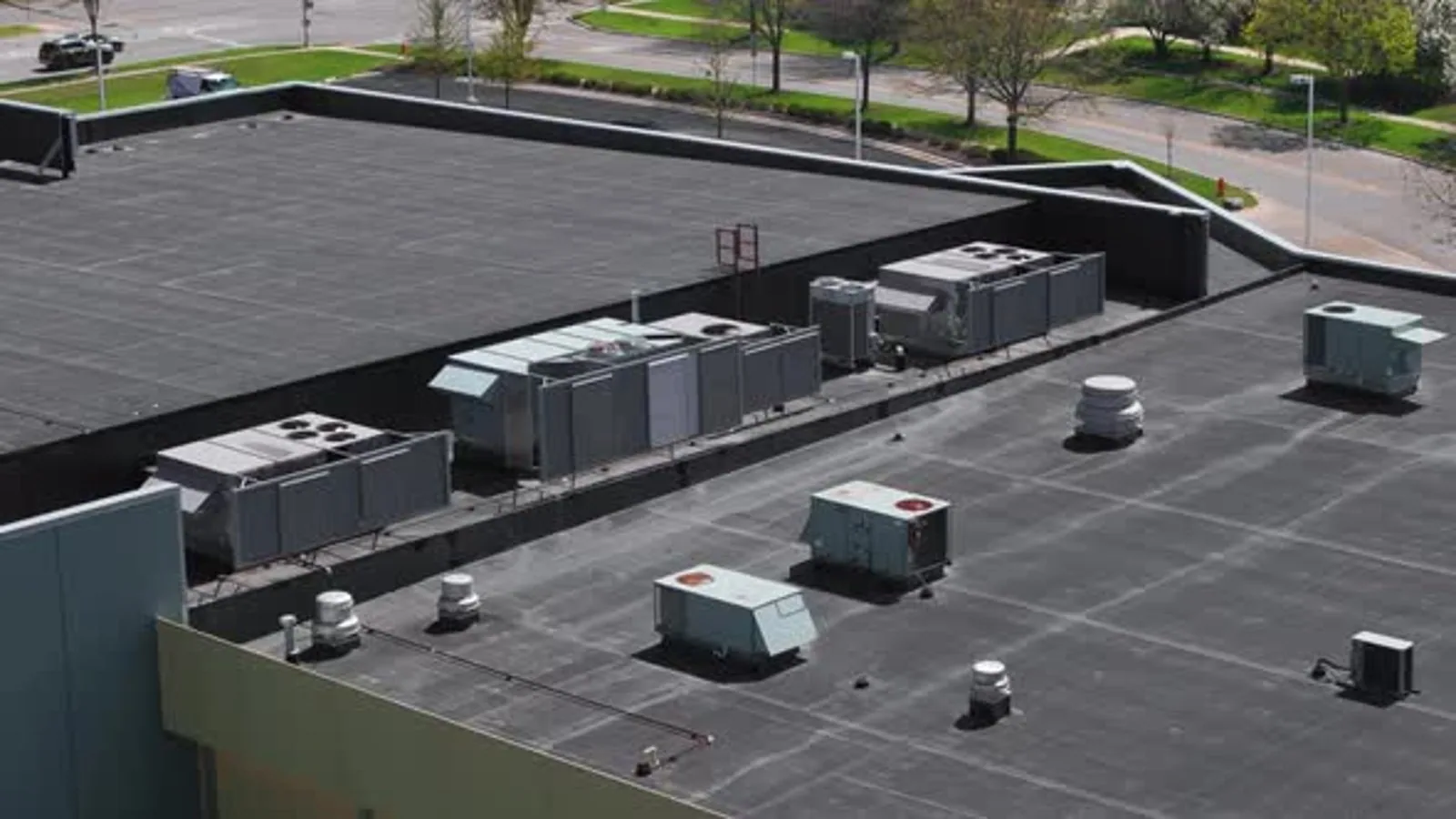
Schedule Construction Around Facility Hours
We coordinate noisy work, public meetings, deliveries, and essential services with the building manager. A phase plan should state which entrance remains open, where barriers sit, and how accessible routes are maintained. If work takes place outside public hours, confirm security, lighting, and who can grant access. The crew should know the facility's stop-work process if an urgent public-service need arises.
CityLine's combination of civic plaza, retail, apartments, offices, and medical uses demonstrates why neighborhood access can be active throughout the day. A project near DART stations may also need pedestrian and transit-adjacent staging review. We verify actual site conditions instead of assuming a route from the district name. Each phase needs a daily watertight close and a contact for approvals if tear-off uncovers additional damage. We also confirm which staff members can access temporary protection and how the facility logs a change before the next shift begins.
Leave a Maintainable Roof Record
Closeout should provide product information, photos, permit documents, drainage observations, repair details, and any restrictions on future roof access. Public-facility staff need to know which areas can support service traffic and which penetrations should not be disturbed. Keep the roof plan with building records so a later manager can locate drains, antennas, curbs, and prior leaks.
A scheduled maintenance visit can check seams, drains, metal edges, and equipment flashings between capital projects. Compare government building needs with office roofing or hospital roofing only when occupancy, security, and interior risk are similar. A current record lets the agency make the next roof decision from observed conditions and approval timing rather than a general age estimate.
Related Roofing Work
Commercial Roof Inspection
Emergency Commercial Roof Repair
CORE District Downtown
Rooftop Equipment Curb and Support Roofing
Questions About Government Building Roofing
Can government roof work happen while public services remain open?
Often, with controlled work zones, maintained public routes, and a schedule coordinated with the facility. We confirm access, security, meeting dates, and daily close-in requirements before mobilization.
How do you protect records or communications equipment?
We identify sensitive rooms below the work, map potential water paths, and set interior protection with facility staff. Rooftop antennas, units, and penetrations are included in the repair sequence.
What information should a public building roof estimate include?
Include assembly, drainage, access controls, protection, permit assumptions, procurement milestones, concealed-condition approvals, and closeout records. Separate confirmed work from items that require testing.
What should staff do after a severe storm?
Record affected rooms, secure any active leak area, and request an inspection of edges, drains, penetrations, and interior moisture. A regional report alone does not determine property damage.
Can a public building roof be replaced in phases?
Yes, when each phase can close securely and maintain public access. We map the work by roof zone, set daily termination details, and identify who can approve any extension after concealed damage appears.
Coordinate Roofing with Public-Service Hours
Share facility access rules, meeting dates, leak reports, and procurement timing. We will inspect the roof and prepare a repair or replacement scope with clear approvals.