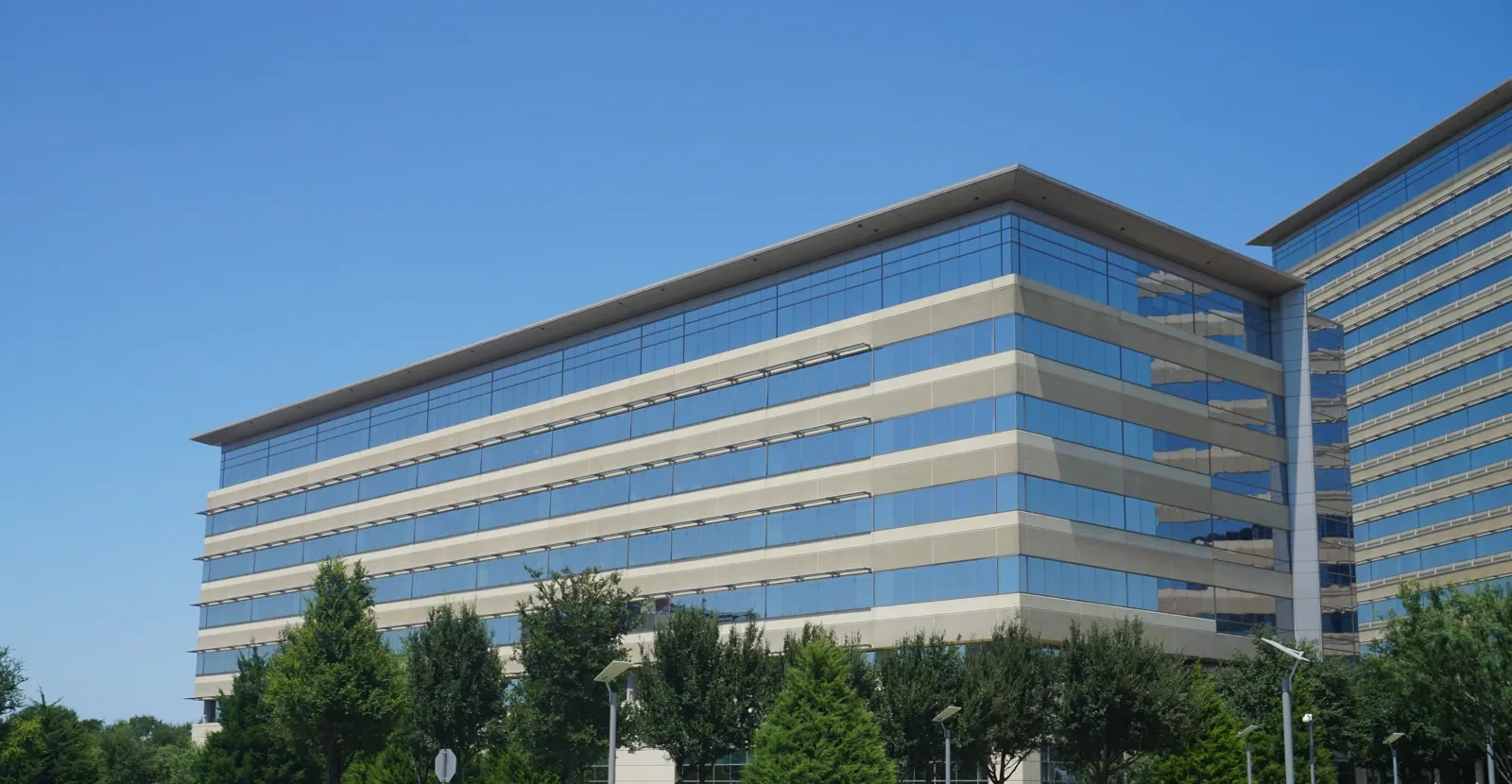
A SOPREMA product record does not settle whether a roof should be patched, restored or replaced. In Richardson, TX, we inspect the installed membrane or bituminous assembly, its flashings, drainage and previous repairs before pricing the work. The owner gets a boundary tied to the field condition, plus any testing or access step that could change the scope. Product selection follows that review.
Request a Roof Assessment
All fields are required.
SOPREMA Commercial Roofing in Richardson, TX
Review the SOPREMA Roof Before Selecting Work
Identify the Roof System in Place
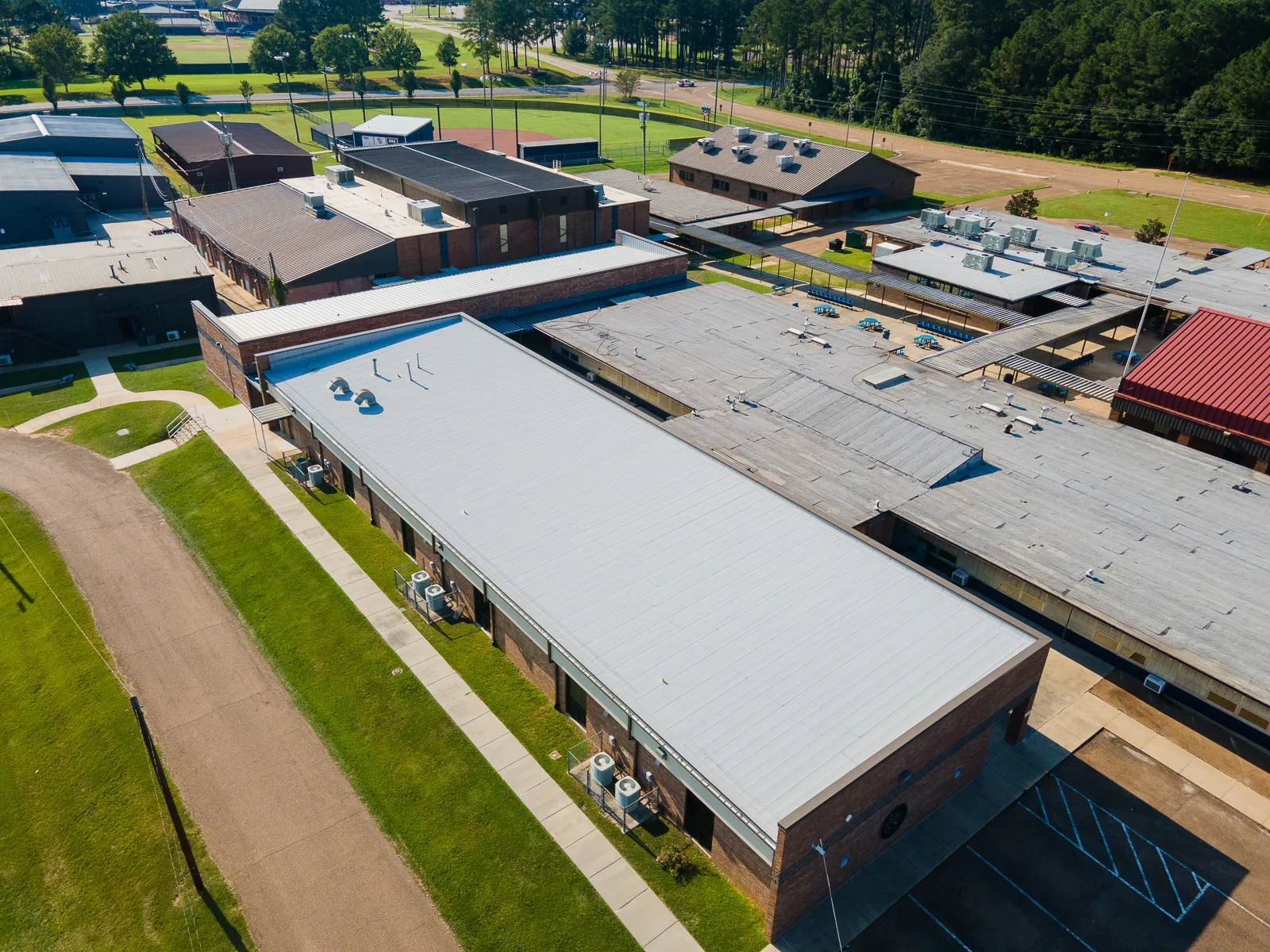
SOPREMA commercial products include modified-bitumen membranes and liquid-applied roofing systems, among other waterproofing materials. The existing roof may include work from more than one project. We compare available submittals and closeout records with the surface, laps, seams, flashing, attachment and repair history. If a specific product cannot be confirmed, we describe the assembly type observed and keep the product name unresolved.
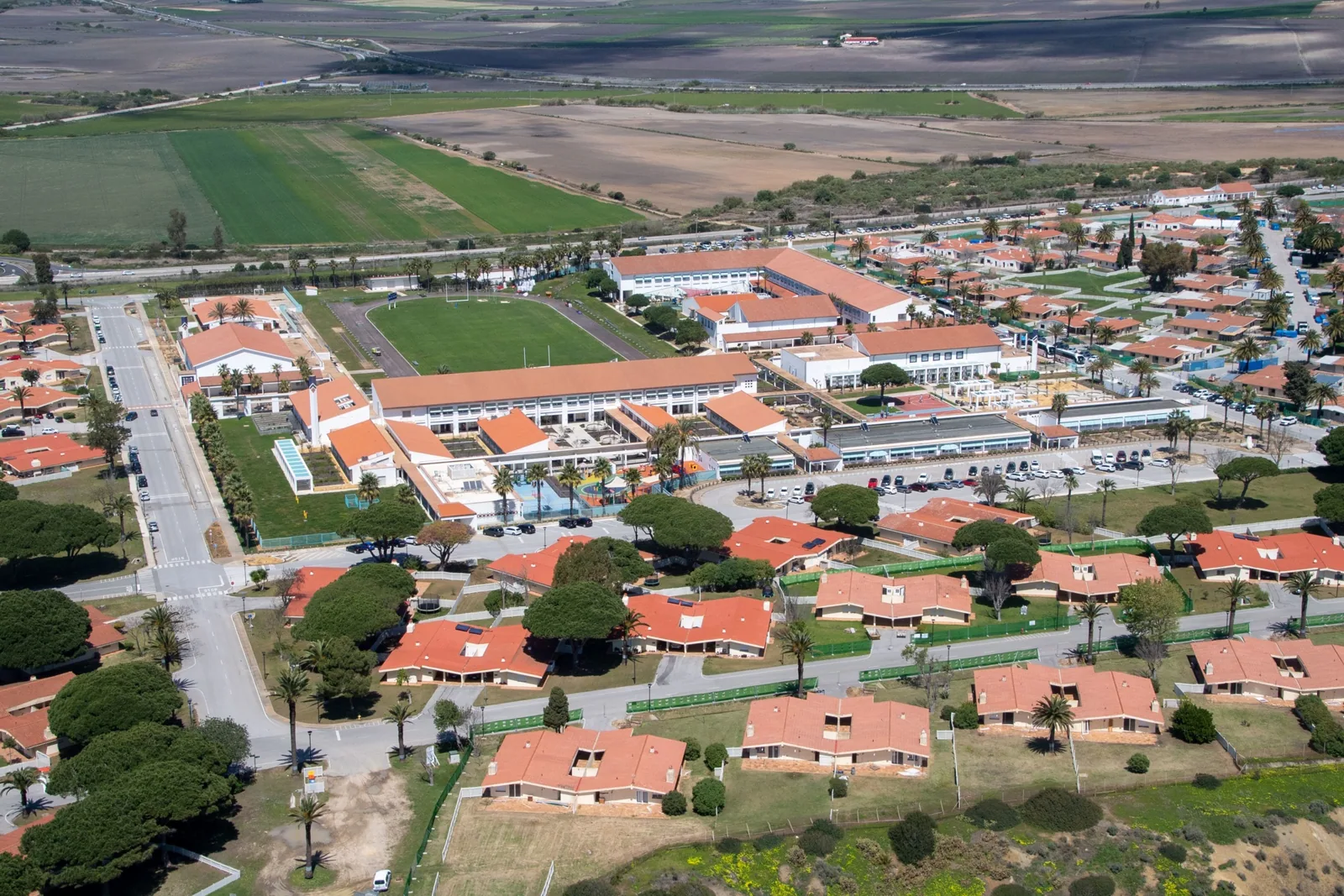
Richardson Innovation Quarter connects technology and manufacturing firms with research and education organizations. In CityLine, offices and clinics share a district with shops, lodging, homes and civic uses. Those places indicate different operating schedules, but not the assembly or condition of an individual property. The site contact confirms roof access, equipment activity and occupied hours. A Richardson IQ building gets a separate roof-zone record rather than inheriting assumptions from the district.
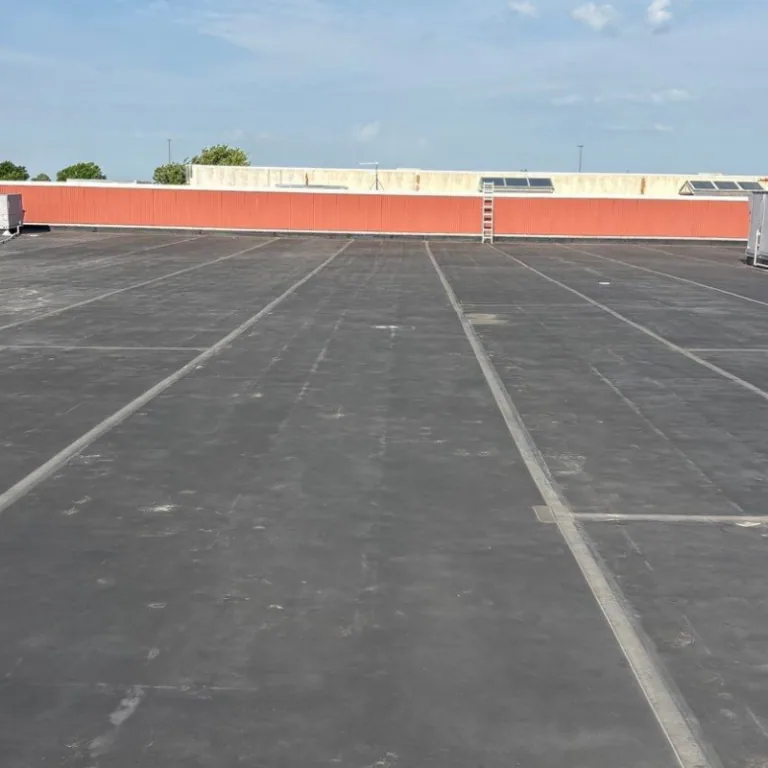
Modified-bitumen inspections check laps, surface wear, flashing transitions, blisters, penetrations and edge conditions. A liquid-applied assembly needs review of substrate, reinforcement, thickness where measurable, terminations and exposed wear. The repair detail must fit the installed system. A commercial inspection can map those conditions before the owner selects a material or restoration method.
Prepare the Repair Area Correctly
Water entry at a lap or penetration can affect more than the visible surface. We check nearby material, moisture evidence, drain paths and previous patches before setting the repair boundary. The proposal identifies how the substrate will be cleaned and prepared, which compatible membrane or liquid detail will be used, and how the tie-in reaches sound material. It should also state if a test opening or added drying time could change the work window.
If a membrane lap is separated, a seam repair may address the condition. A puncture or split in the surface needs its own material preparation and repair method. An itemized repair scope distinguishes those defects from wet insulation, flashing failure or drainage work so a patch does not hide a second problem.
Richardson's summer average highs approach 96 degrees, and spring storms are a key regional inspection concern. Heat can affect curing and roof access, but no climate fact proves that a particular coating or membrane has failed. We inspect the actual condition and plan the work at the system's required temperature and weather limits. A restoration assessment should define preparation and testing, not just name a coating.
Compare Restoration With Removal
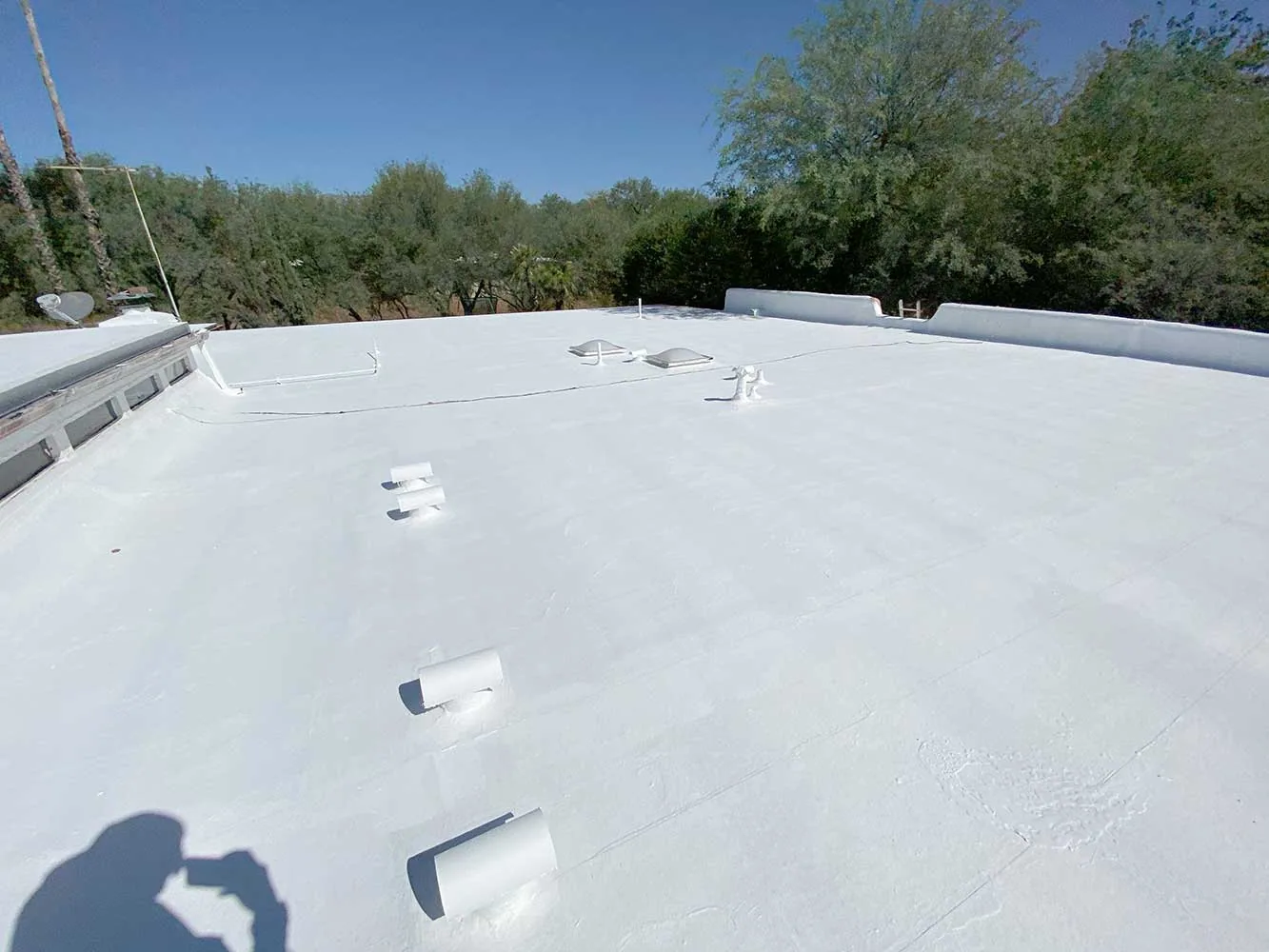
Restoration is considered when the existing substrate and assembly can support the selected system. We look for wet insulation, loose material, trapped contaminants, active leaks and incompatible repairs before proposing another layer. Drainage matters because a new surface does not correct a low area or blocked outlet by itself. If moisture testing is needed, the report identifies the locations and what additional opening could establish.
For an overlay, verify current layer count, attachment, deck condition, flashing height and compatibility with new work. If those checks do not support a recover, a replacement scope can define demolition, insulation, deck assumptions, edge metal, drainage and close-in. Ownership can compare both options with the same roof-zone boundaries, rather than choosing by first price alone.
A proposed change to roof assembly or insulation can lead to city review under Richardson's amended standards. We check that requirement against the chosen scope before ordering materials. We identify that question against the proposed scope before materials are ordered. A manufacturer detail, permit requirement and observed roof condition are separate inputs to the final work plan.
Protect the Surface During Application
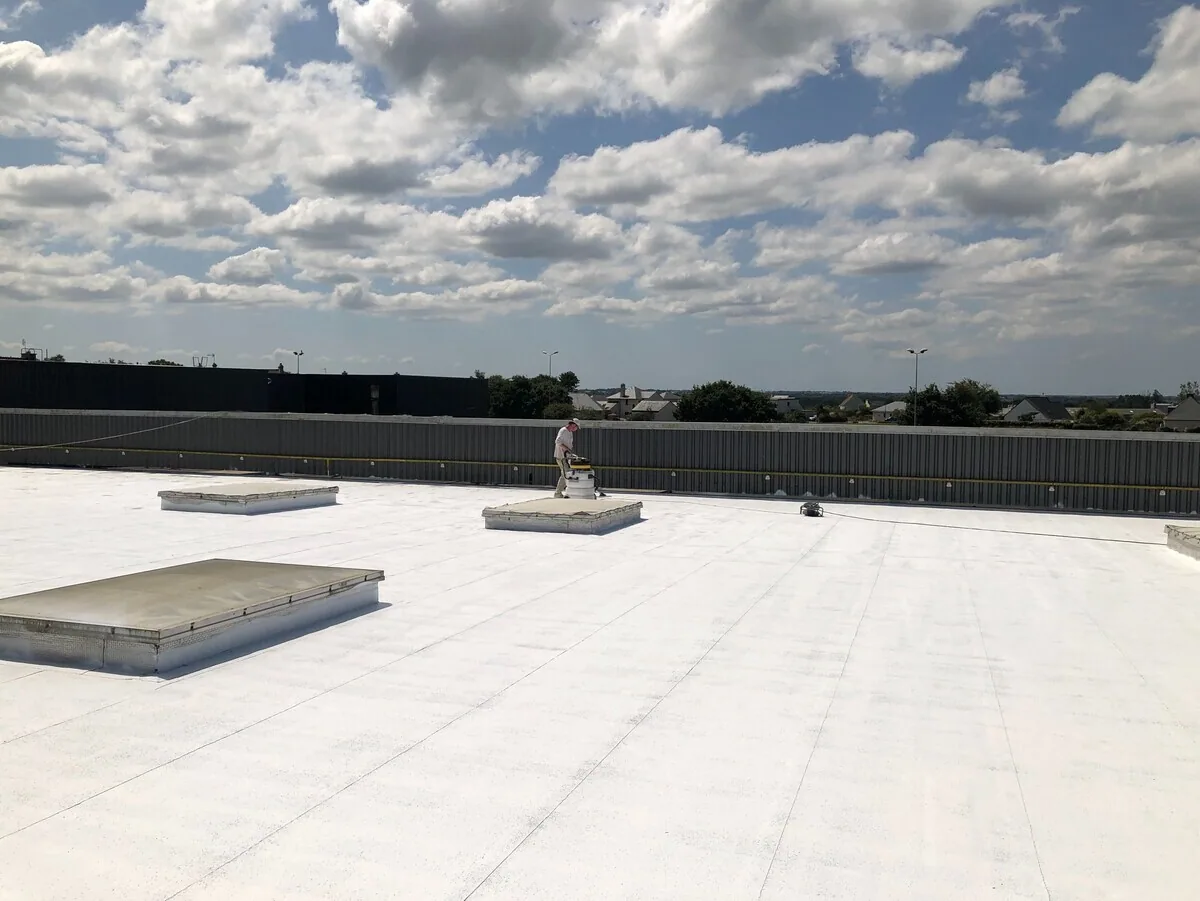
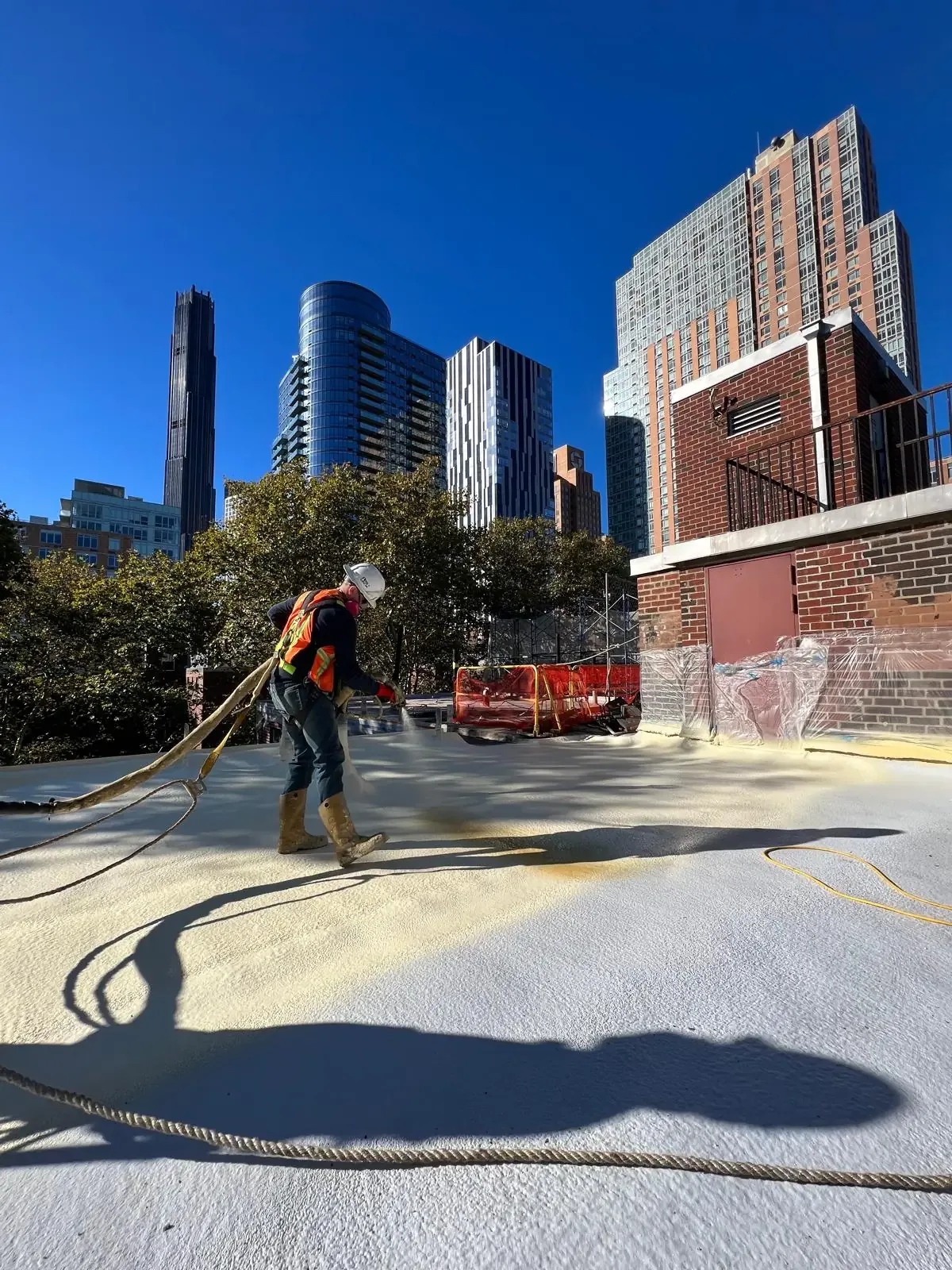
Surface preparation and application need a defined work area, compatible conditions and enough time to protect the roof before weather changes. We confirm temperature and moisture limits for the chosen product, stage materials without blocking drains, and set a close-in plan by shift. If the building stays occupied, the property contact identifies access routes, sensitive areas, tenant hours and any odor or noise restrictions.
CityLine's office, medical, retail, hotel and residential mix can create different public access and delivery controls. We confirm rules at the property before mobilization. Where active water needs a prompt response, an emergency visit can protect the opening while the permanent system scope is prepared. Temporary work is documented separately from restoration so ownership knows which condition remains unresolved.
We confirm whether roof drains remain open during staging and where containers or mixing equipment may sit. Wind can move lightweight materials, and foot traffic can disturb areas already prepared for application. The daily plan should identify a secure material location, a route that avoids finished work, and the point where crews stop if substrate or weather conditions change. Those details protect both the installed membrane and the schedule.
Closeout photos should show the prepared area, completed detail, transitions and remaining maintenance item. A maintenance visit can recheck drains and details after the material has cured. For a larger project, a phased work plan can reduce the open area while the building remains in service.
Keep Product and Repair Records Together
Owners may inherit a roof file with incomplete product records or work by several contractors. We label the property, system type when known, roof zone, inspection date, material installed, photos and items that remain open. If an invoice names a product but the roof evidence does not confirm it, the record distinguishes those sources. That helps the next manager avoid specifying repair material from an unsupported assumption.
Richardson Innovation Quarter and CityLine show the market's range of technology, office, medical and mixed-use activity. Neither district establishes that a particular building has a SOPREMA system. The property-specific record carries the condition and the next action. A photo-backed report can connect findings to the repair scope, while a capital plan tracks replacement timing.
If ownership compares alternatives, a Carlisle SynTec system or GAF commercial roof can be evaluated against the same deck, drainage and schedule requirements. Tell us what documents are available, which areas leak or show wear, and when the decision is due. We will return a scope that separates confirmed repairs from testing and future capital work.
Related Roofing Work
Richardson Innovation Quarter
Commercial Roof Seam Failure Repair
Commercial Roof Repair
Commercial Roof Coating and Restoration
Questions About SOPREMA Commercial Roofing
Can you repair an existing SOPREMA membrane without replacing the whole roof?
Yes, when the defect is localized and the surrounding assembly can accept a compatible repair. We inspect nearby laps, flashing and moisture before setting the included area.
What should be checked before applying a liquid roofing system?
Confirm substrate condition, moisture, cleanliness, reinforcement or detail requirements, drainage and application limits. We state which areas need preparation or testing before pricing the work. We record each preparation step and any area that remains outside the approved scope.
Does a SOPREMA product name tell you which assembly is installed?
It helps identify what a project record describes. Later work may have changed the roof, so we compare documents with visible layers, details and repair history.
When should ownership choose replacement instead of another restoration?
Replacement deserves comparison when moisture, attachment or deterioration extends beyond isolated areas, or the existing substrate cannot support another layer. We map those conditions and price separate boundaries.
Can you work around tenants during membrane restoration?
Often, with confirmed access, noise, odor, material-staging and close-in limits. We coordinate the work area with the property contact and keep each shift's roof boundary clear.
Review the SOPREMA Roof Before Selecting Work
Send the property records, reported roof condition and decision deadline. We will inspect the assembly, confirm what can be identified, and define repair or restoration options.