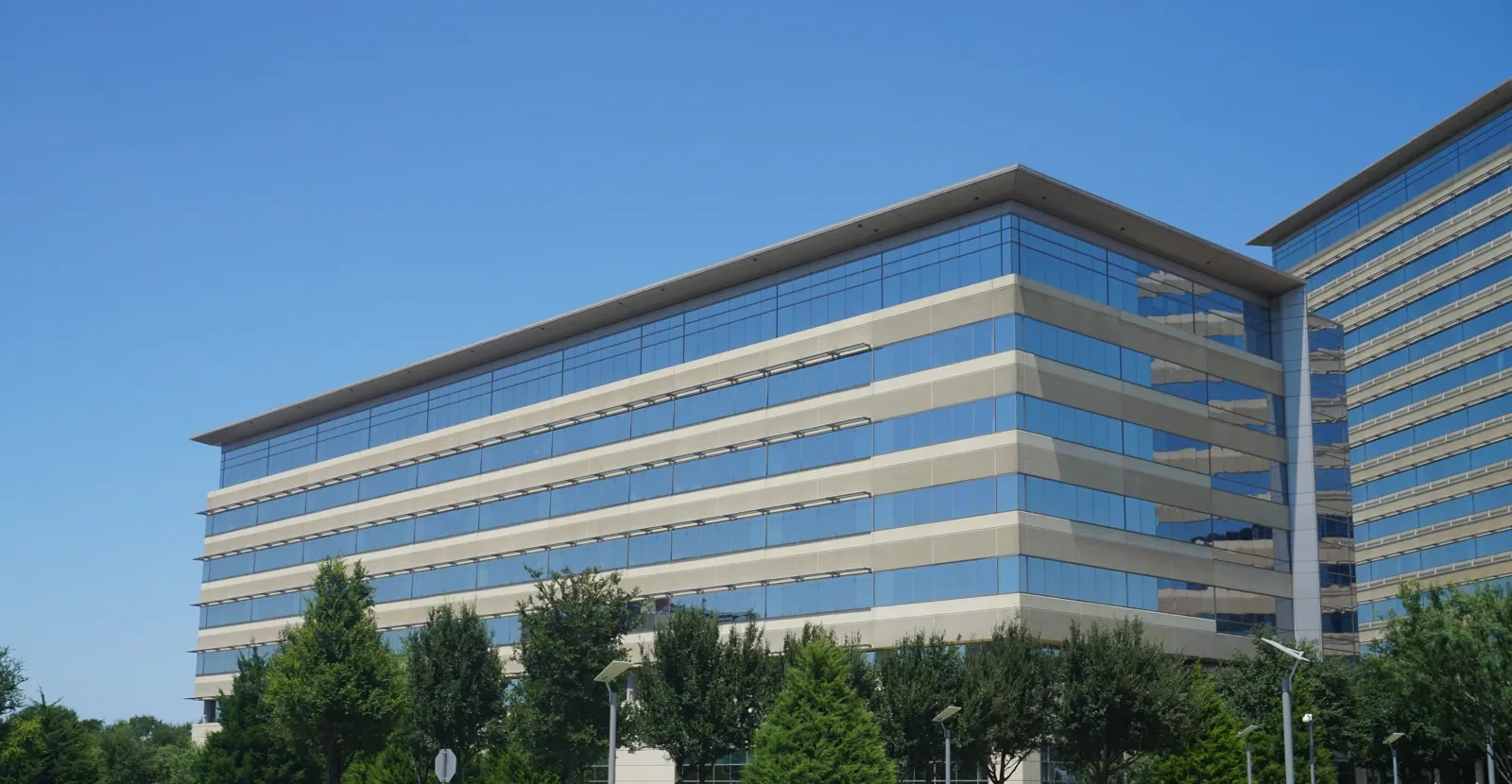
A roof leak at a hotel can reach guest rooms, meeting space, kitchens, service lifts, or back-of-house operations. The immediate scope has to protect guests while the owner decides whether the roof needs a repair or a larger capital phase. We inspect the affected area and plan access, noise, and close-in for hospitality operators in Richardson, TX. The proposal sets the work boundary and the schedule before guest services are affected.
Request a Roof Assessment
All fields are required.
Commercial Roofing for Hospitality Groups in Richardson, TX
Schedule Roof Work Around Guest Operations
Keep Guest Circulation Clear
Before work begins, identify lobby routes, accessible entrances, event rooms, kitchens, service service lifts, deliveries, and rooms below the roof section. We coordinate barricades and material staging with the hotel contact so guests do not cross an active work zone. If water reaches an occupied room, an emergency visit can protect the interior while permanent repairs are prepared. The plan should identify how staff receive schedule changes and when a closed area can reopen.
Ask the front desk and engineering team to agree on how room moves will be handled if a ceiling needs temporary protection. A roof contractor should not make guest-room assignments. The hotel identifies the alternative inventory, while our work plan identifies the roof zone, estimated duration, and conditions required before the room can return to service. Keep one point of contact for guest-facing updates.
Quiet hours and event calendars can be more restrictive than standard weekday access. We set lift movement, tear-off, and deliveries around conferences, weddings, check-in patterns, and food service. The hotel names the hours it can accept noise and the staff member who can approve temporary access changes. A roof project can be divided by wing or roof zone when transitions permit secure close-in, but room inventory and guest movement remain the operator's decision.
Inspect the Details Behind the Guest Complaint
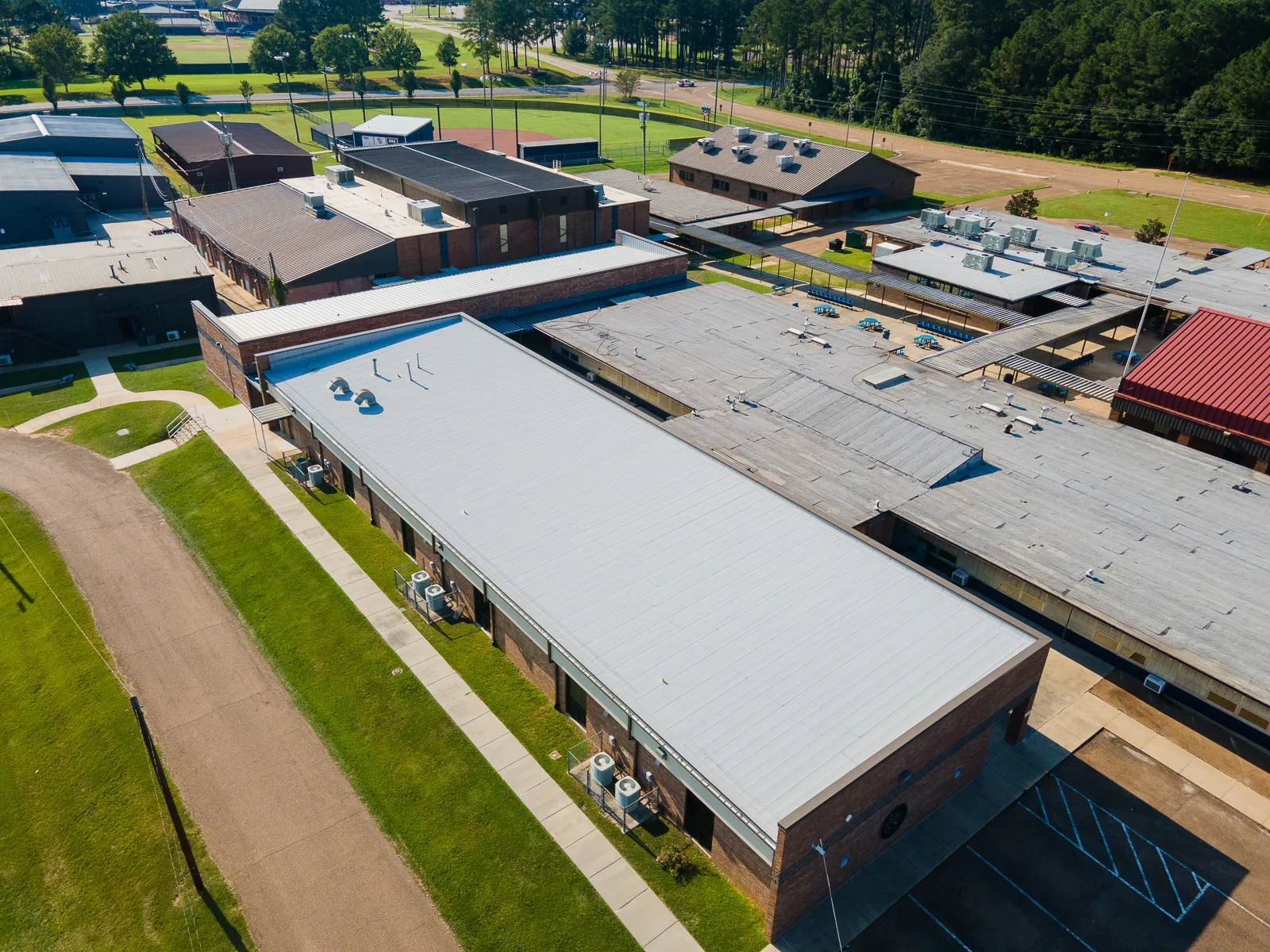
A ceiling mark is a starting point, not a roof diagnosis. We compare the reported room, timing, weather, and equipment above it with seams, drains, penetrations, walls, and prior repairs. A roof inspection can map the likely water path and show whether adjacent materials remain serviceable. If a rooftop unit, exhaust fan, or sign is involved, coordinate those systems before opening the membrane. A curb and support review can be included when equipment details affect the scope.
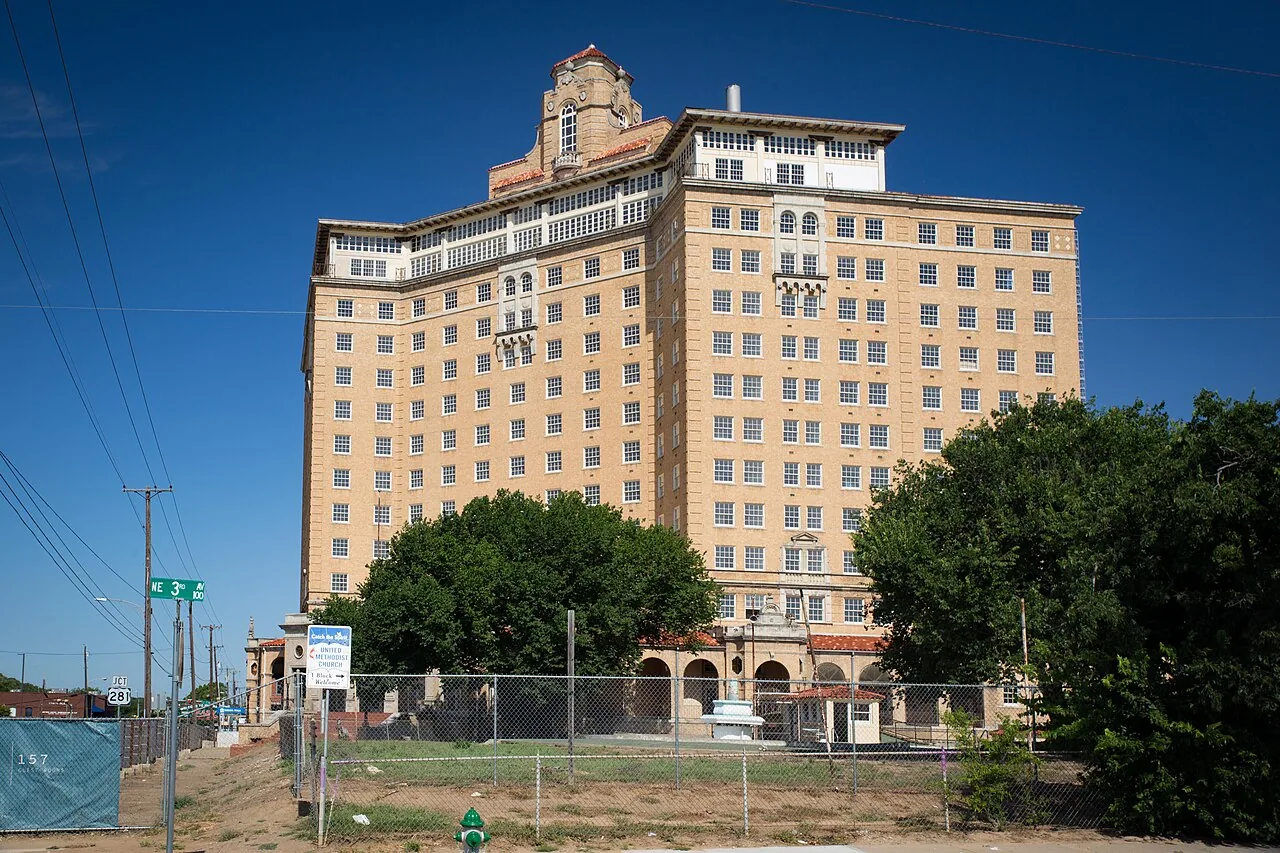
If the building has a pool, food service, laundry, or event space, those operations may depend on separate mechanical systems. We inspect the roof interface and note where water could reach equipment or an interior finish. The hotel team decides which spaces remain available. The estimate can then separate roof repair from any interior restoration that the property handles through another vendor.
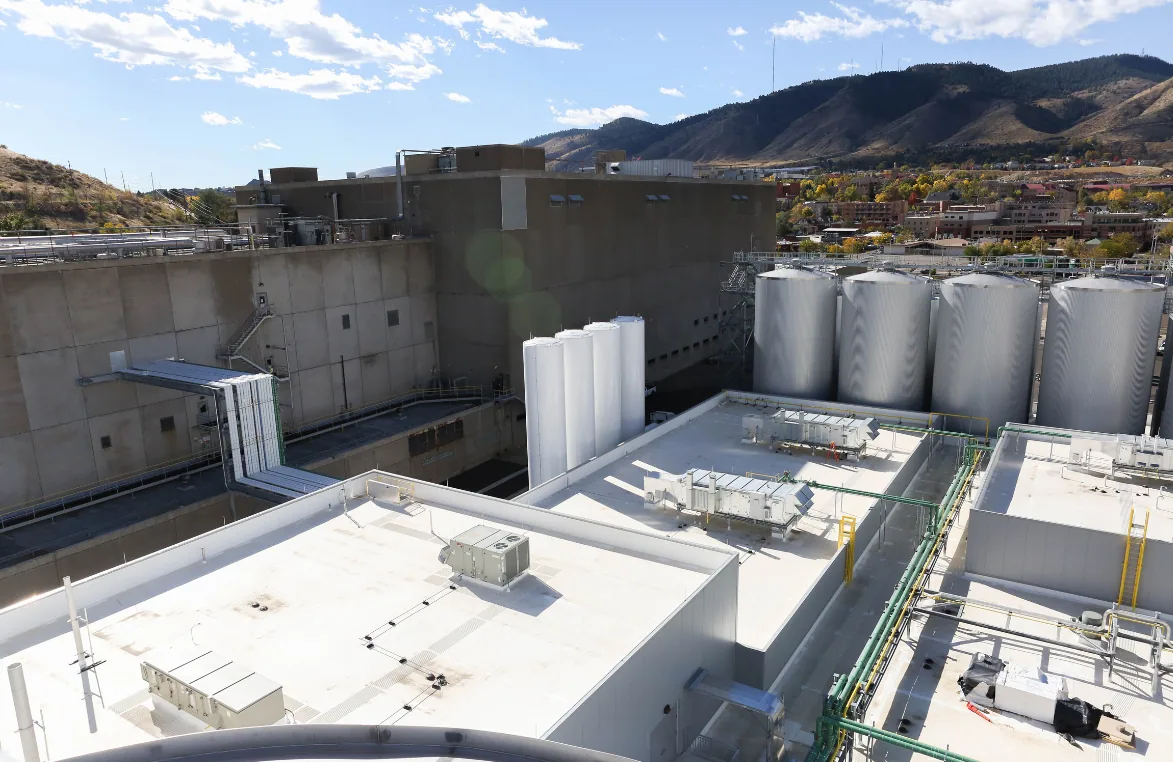
Hospitality buildings may have kitchens, laundry, pools, conference space, restaurants, parking structures, and mechanical rooms. We do not assume those features at a specific property; the manager identifies what is present and what must stay open. Drainage, overflow paths, parapets, and low areas need review where water can enter guest or service space. If a drain or scupper contributes to the problem, a drainage repair may be coordinated with flashing work.
Use Richardson Context Without Borrowing Conditions
CityLine has hotel uses among offices, medical space, apartments, retail, a park, and civic activity. That mix can put guest access, deliveries, and public walkways close together. A CityLine hotel property still requires a property-level roof and access review. The district description does not establish the roof system, guest count, or operating arrangement of any one hotel.
Richardson Chinatown is a commercial district along Greenville Avenue on the north side of Main Street. Food businesses and nearby service tenants can create shared delivery and guest-traffic questions, but hotel staff confirm actual routes. A retail or restaurant operator may share adjacent loading needs, and a property manager can coordinate tenant notices. We keep the roofing plan tied to the building and the event schedule.
Protect the Building Through Weather Changes
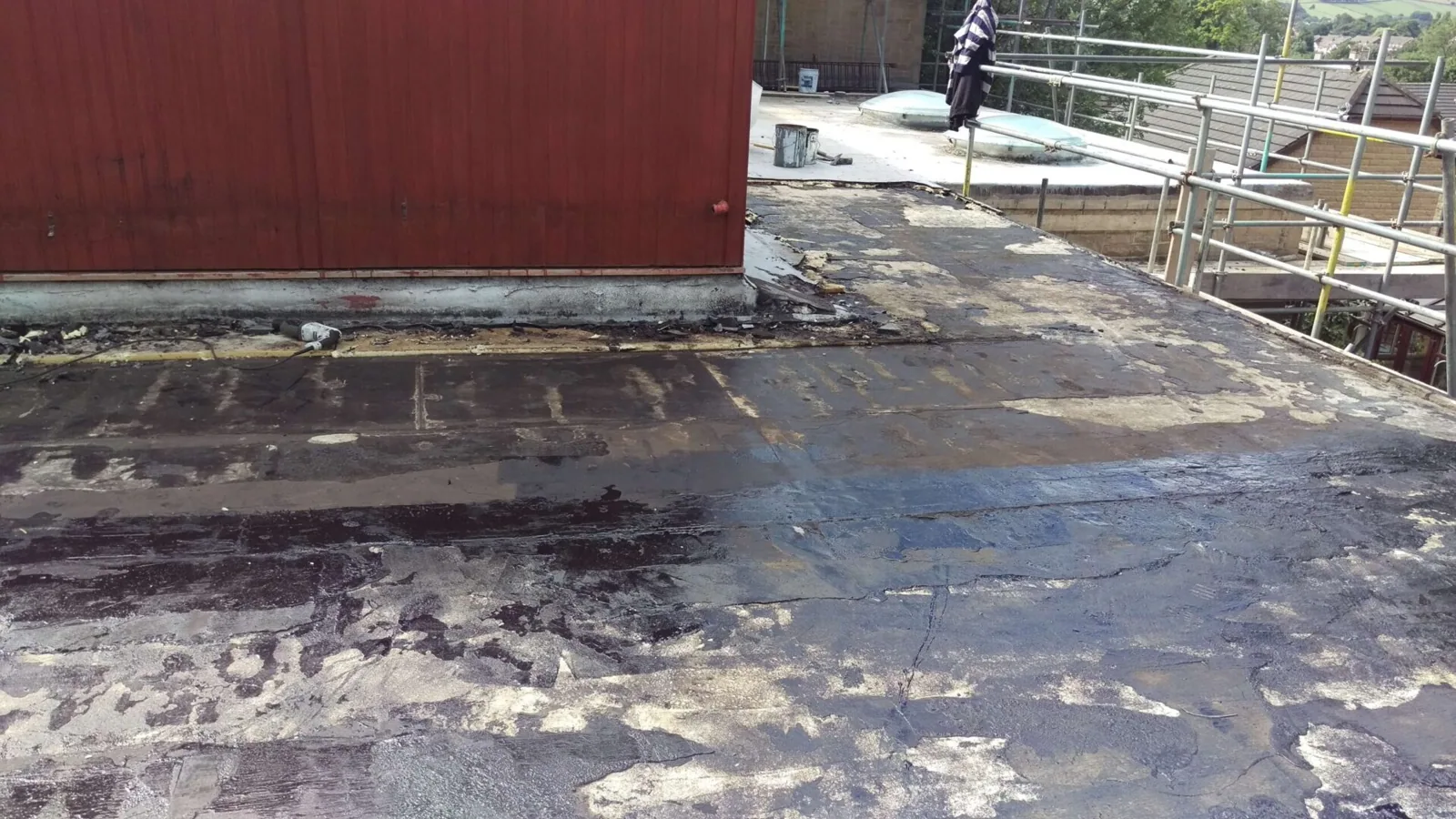
Richardson's July and August average daily highs exceed 95 degrees, and spring is the most active thunderstorm period in DFW. We account for heat and rain when setting tear-off size, temporary protection, and daily close-in. If weather forces a stop, the hotel should know which entrances, rooms, or event areas remain affected. After a reported storm, we inspect the actual roof for damage; a regional report does not establish a condition at a specific property. Keep that lead time visible when ownership reviews the budget. It reduces late schedule changes during turnover. Review it with operations and staffing.
Separate the date the building needs a decision from the date work can start. Procurement, room inventory, and event commitments may shift the available window. We can identify the lead time and any inspection step that must happen first, then show whether a short protective repair can bridge to the preferred construction period.
Cost drivers include access equipment, occupied-room protection, guest notices, noise limits, staging, disposal, mechanical coordination, and the number of phases. A localized defect may support repair if adjacent material remains dry and secure. Repeated leakage or broader moisture may lead to a phased replacement plan with a separate allowance for concealed conditions. Richardson applies amendments to adopted 2021 building and energy-code editions; project details determine the permit path, which we confirm before procurement.
Keep Property-Level Reports with Ownership
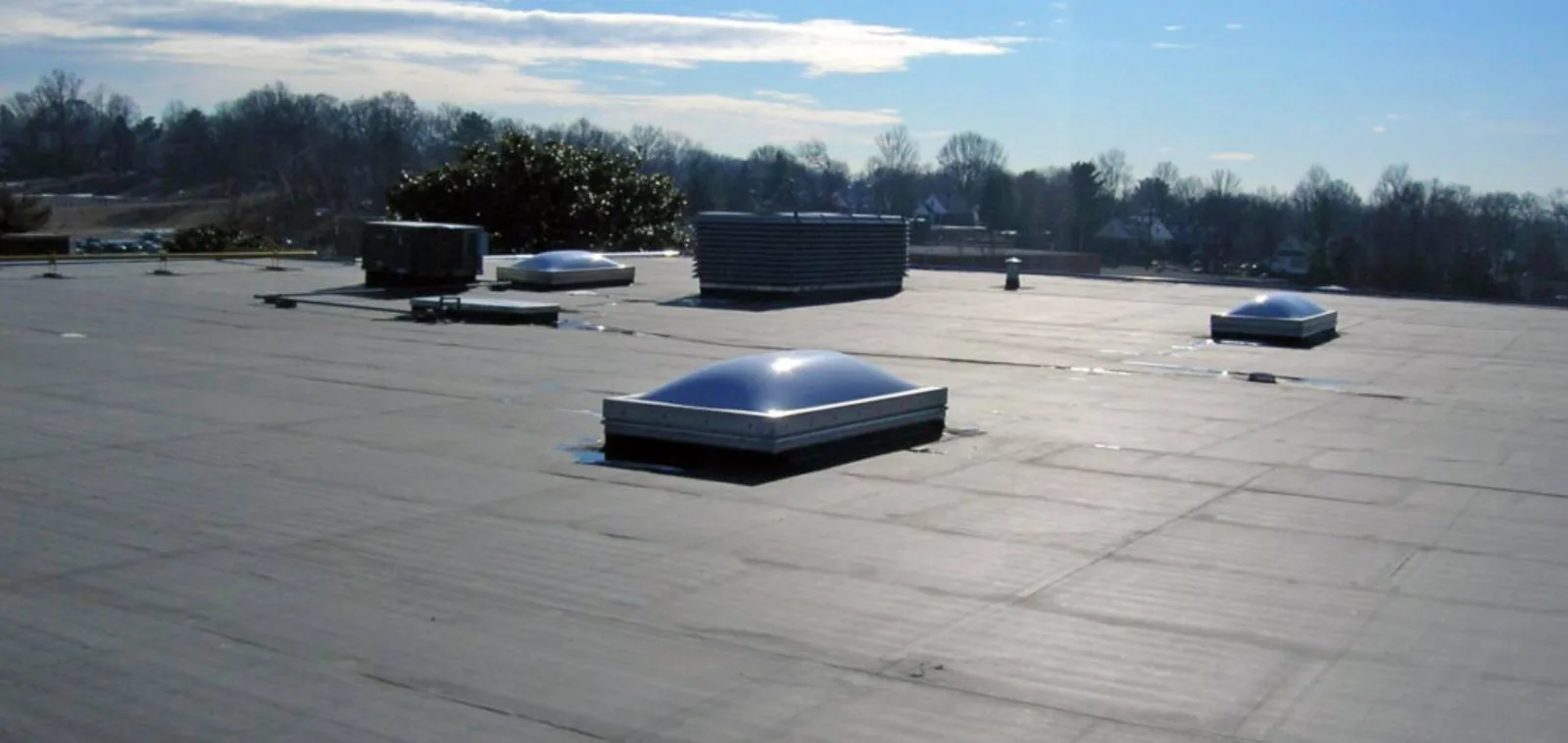
For a hotel group, use consistent report fields across locations but preserve each property's roof plan and history. Record the assembly if identified, repairs, drain and equipment locations, photographs, guest-impact limits, and remaining work. A condition report can support ownership review without assuming every asset has the same roof. A maintenance visit can check flashing, drains, seams, and previous repair lines between major capital projects.
For owners reviewing several hotels, report the repair deadline, remaining service risk, and next inspection date beside the property name. Avoid copying an access restriction or system type from a sister property. A comparable file helps ownership rank the capital plan while the individual roof records stay reliable.
Closeout should list work completed, materials, photos, zones not included, and any follow-up date. If another trade later services an HVAC unit or kitchen exhaust, attach that change to the roof record and review the flashing before the next season. The hotel's facilities lead can use the file to plan the next repair window and explain the remaining risk to the owner.
Related Roofing Work
Emergency Commercial Roof Repair
Commercial Roof Inspection
Rooftop Equipment Curb and Support Roofing
Commercial Roof Drain and Scupper Service
Questions About Hospitality Groups
Can hotel guests remain on site during roof repairs?
The affected zone and access routes determine whether the hotel can remain open. We coordinate barriers, deliveries, noise, room impacts, and secure close-in with the facilities contact before setting dates.
How should a hotel respond to a leak in a guest room?
Protect the room and notify facilities, then record when water appeared and any equipment or roof area above it. We inspect the roof path and separate temporary protection from permanent repair.
What roof details need attention near a hotel kitchen?
Inspect exhaust, fan curbs, piping, seams, drains, and rooftop access. Work should be coordinated with kitchen operations and any planned equipment service so the roof is not reopened later.
Can reroofing be scheduled around a conference or event?
Yes. We use the hotel event calendar to set noisy work, lift movement, deliveries, and room closures. The work plan also needs a weather contingency and daily stop point.
What belongs in a hotel roof capital plan?
Include inspection findings, repair boundaries, moisture or attachment concerns, access and guest protection, phase sequencing, permit assumptions, and the process for concealed conditions.
Schedule Roof Work Around Guest Operations
Share the Richardson property, event calendar, room impacts, and access rules. We will inspect the roof and prepare a repair or phased replacement plan for review.