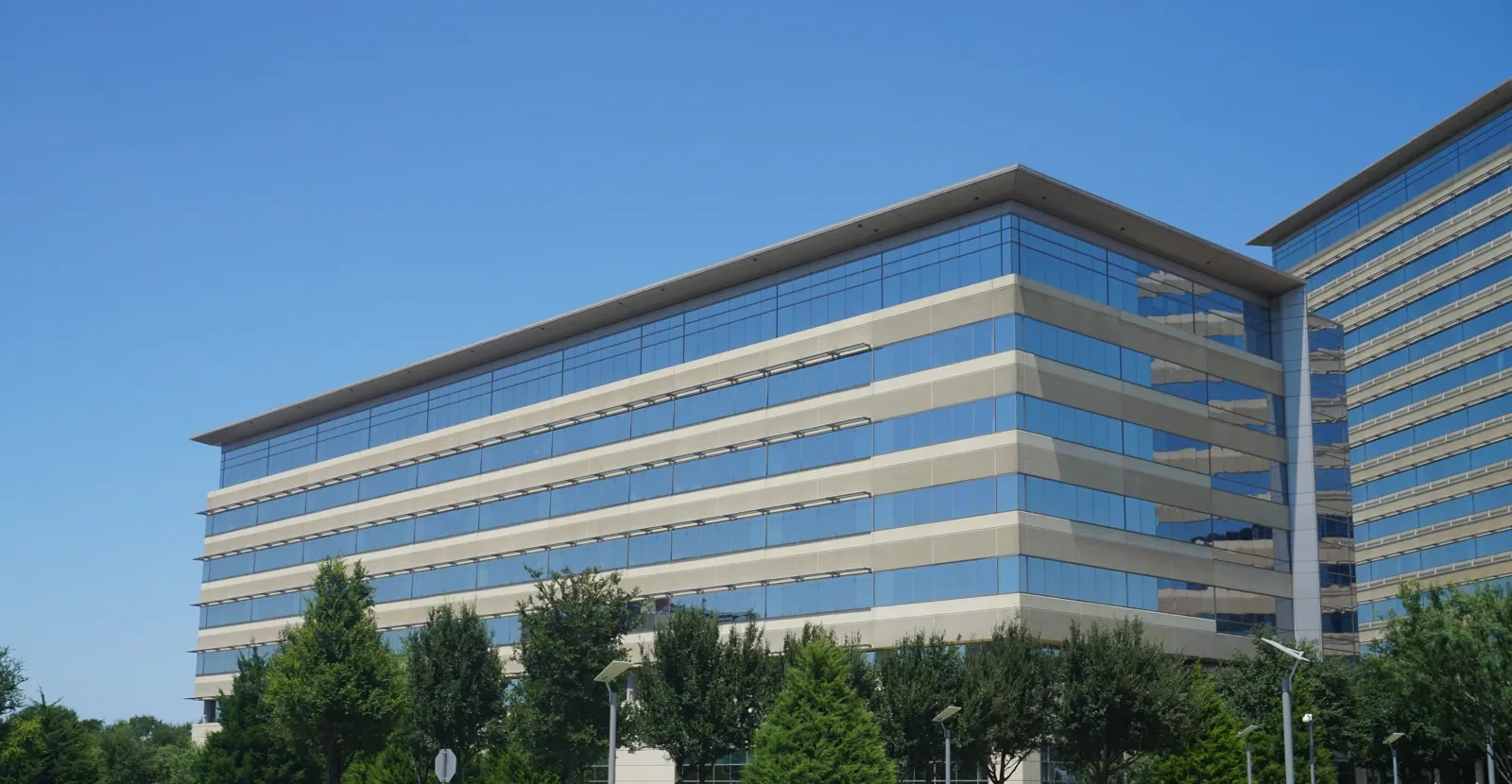
A chain operator needs a roof scope that travels well across locations while still fitting each store. A leak over a sales floor, kitchen, or stockroom can interrupt service and damage merchandise. We inspect the actual roof, identify the work zone, and prepare a repair or replacement scope for Richardson, TX. Each report names the property, affected interior, access window, and conditions that could change the price or schedule.
Request a Roof Assessment
All fields are required.
Commercial Roofing for Retail and Restaurant Chains in Richardson, TX
Build a Store-Level Roof Action List
Keep Customers and Staff Out of the Work Zone
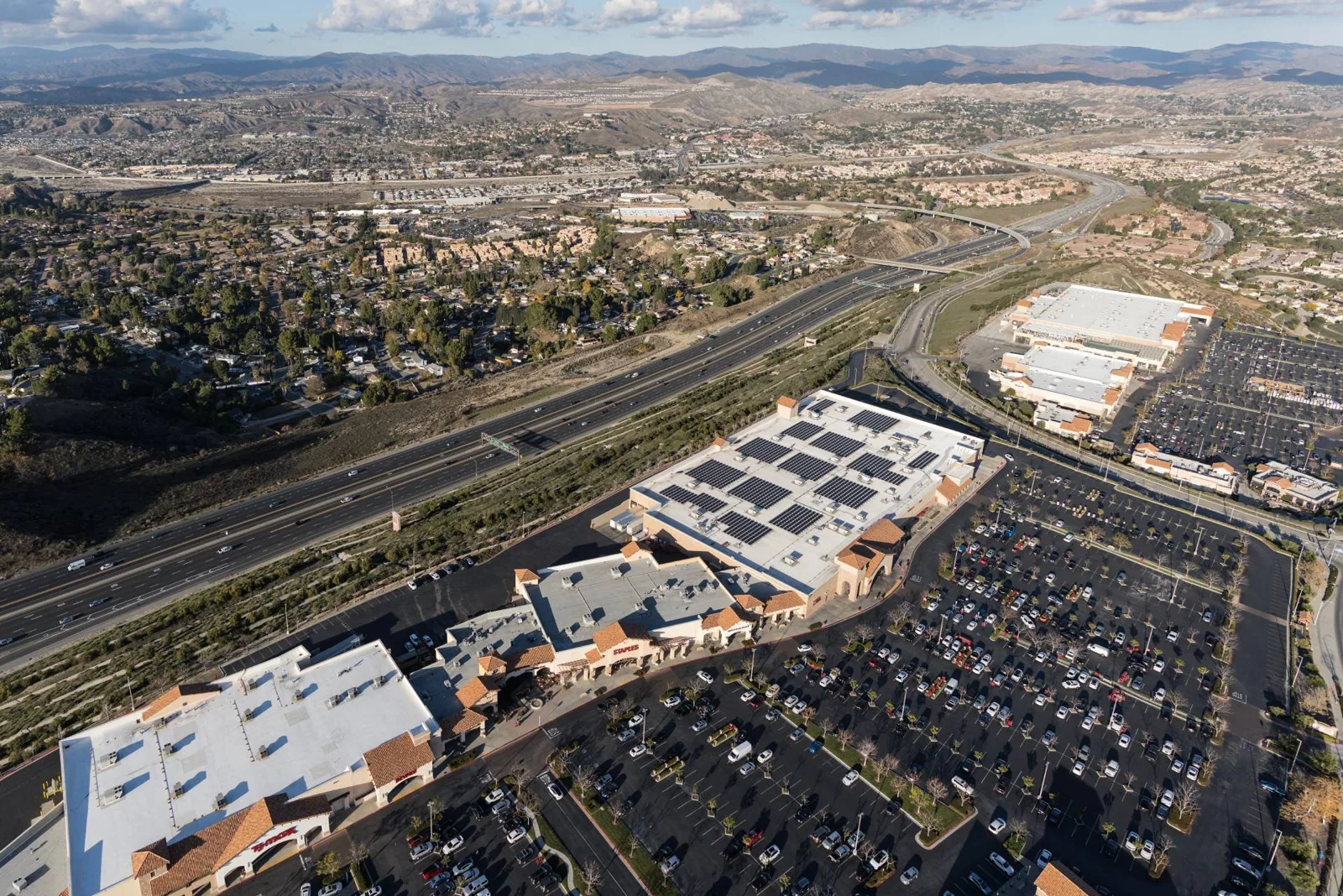
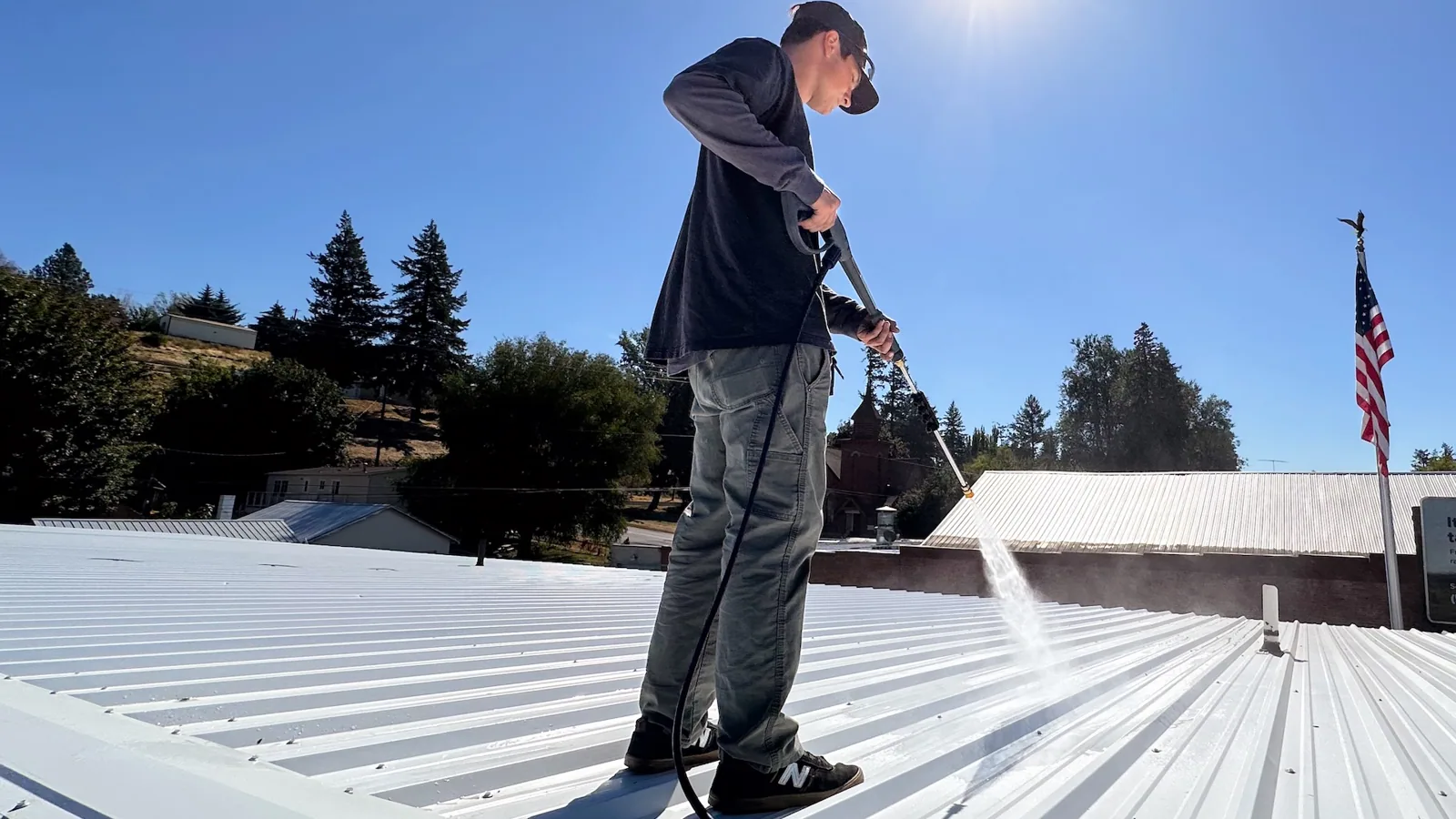
We start with opening hours, deliveries, customer entrances, drive lanes, outdoor seating, and the areas below the reported leak. A roof lift or material drop can affect parking even when the store remains open. The location manager identifies restricted hours and safe routes; the roofing plan defines staging, noise, and daily close-in. If active water is reaching merchandise or food-preparation space, an emergency repair visit can limit interior impact while permanent work is scoped.
Each manager should know who can authorize a temporary closure and who will reopen the sales or dining area. Confirm where equipment and materials can be placed without blocking fire lanes or customer parking. For drive-through sites, keep vehicle circulation in view when the crew schedules a lift. The contractor can set a safe roofing perimeter, but store operations controls public access and customer notices.
Chain standards may require consistent signage and customer communication, but the building's actual access arrangement governs each job. We coordinate with operations before moving equipment, closing a door, or restricting a loading area. A store should know what work will happen each day, how long the zone remains unavailable, and whom to contact if conditions change.
Keep Richardson Store Context Site-Specific
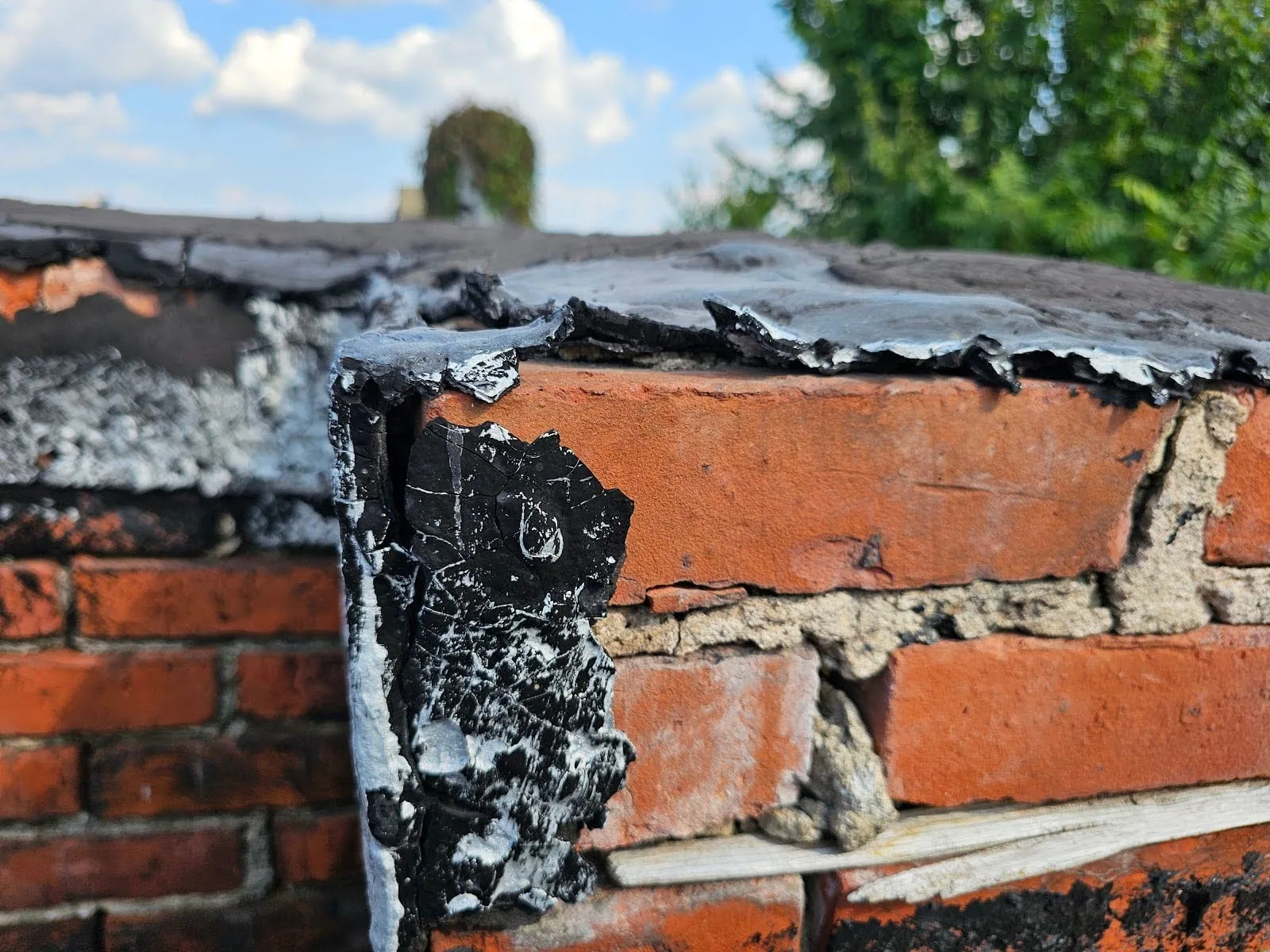
Richardson Chinatown is a mixed commercial district on Greenville Avenue, north of Main Street. Its food businesses and retail uses can bring delivery activity close to guest and pedestrian routes. A Chinatown-area location may need a different staging conversation than a suburban retail parcel. We confirm the route, property rules, and tenant schedule at the store rather than assuming they match another branch.
In downtown Richardson, the CORE District includes commercial buildings from different periods along Main Street. CityLine combines retail with office, medical, hotel, apartment, civic, and park uses. A CityLine district offers different shared-access questions; only the site review identifies the affected roof and safe working area. Keep any regional rollout tracker connected to each location's inspection date and findings.
Inspect Kitchen, Sign and Mechanical Interfaces
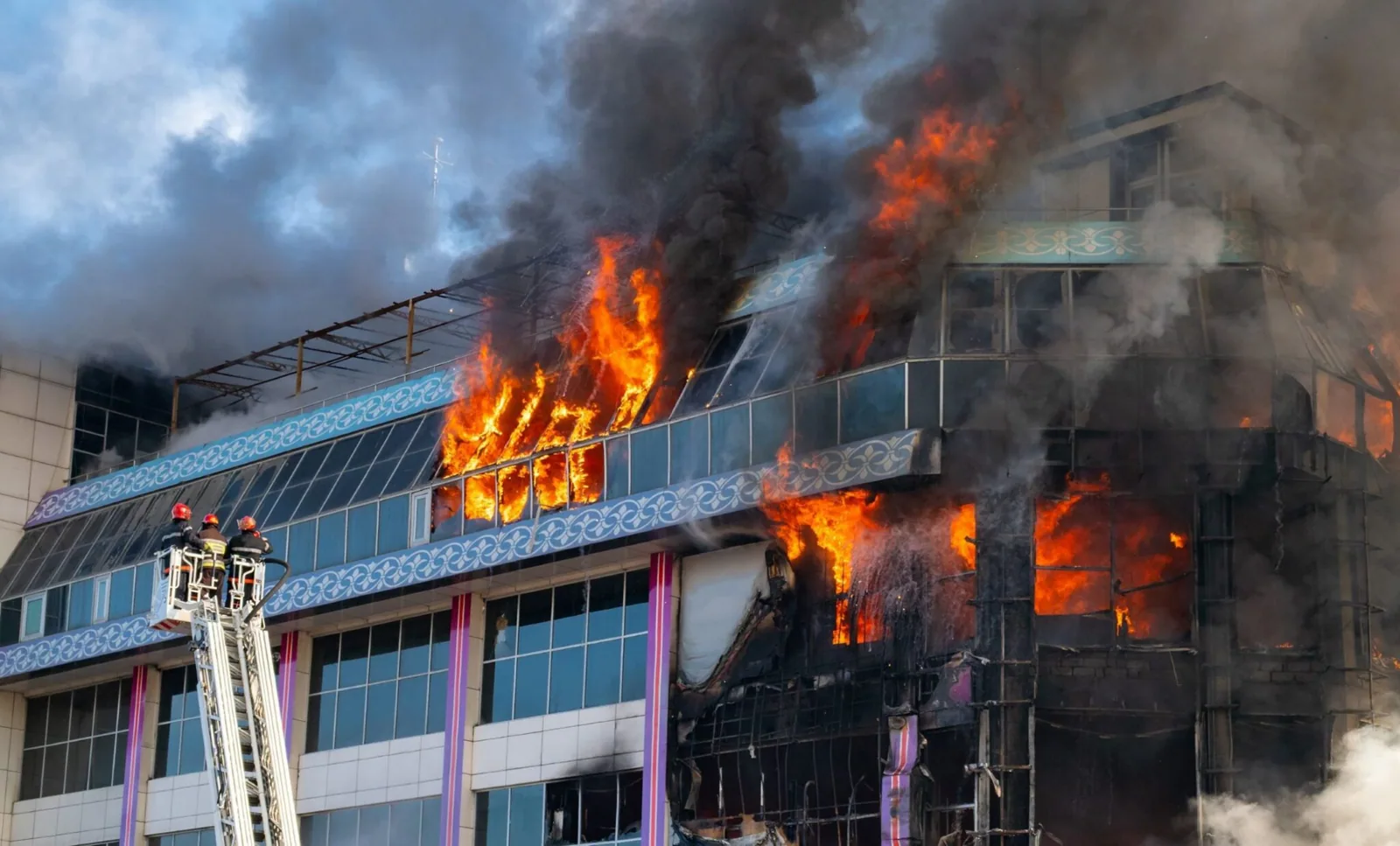
Restaurant roofs may have exhaust hoods, grease-laden discharge, fans, make-up air, plumbing vents, and refrigeration lines. We inspect penetrations, curbs, support frames, seams, and nearby drains for failed flashing or movement. A roof opening over the kitchen can affect air intakes and service, so schedule it with the operator. A mechanical support review helps coordinate roofing with planned equipment replacement.
Retail sites may also have signs, lighting, communications equipment, and rooftop units. Check whether a sign contractor or HVAC vendor will cross the roof before or after repairs. A roof inspection can document the existing conditions before another trade changes them. Drainage near parapets and low points should be checked when water appears inside near a storefront or stockroom. A drainage repair may need to be included if the outlet or overflow path contributes to the leak.
Standardize the Report, Not the Roof Assumption
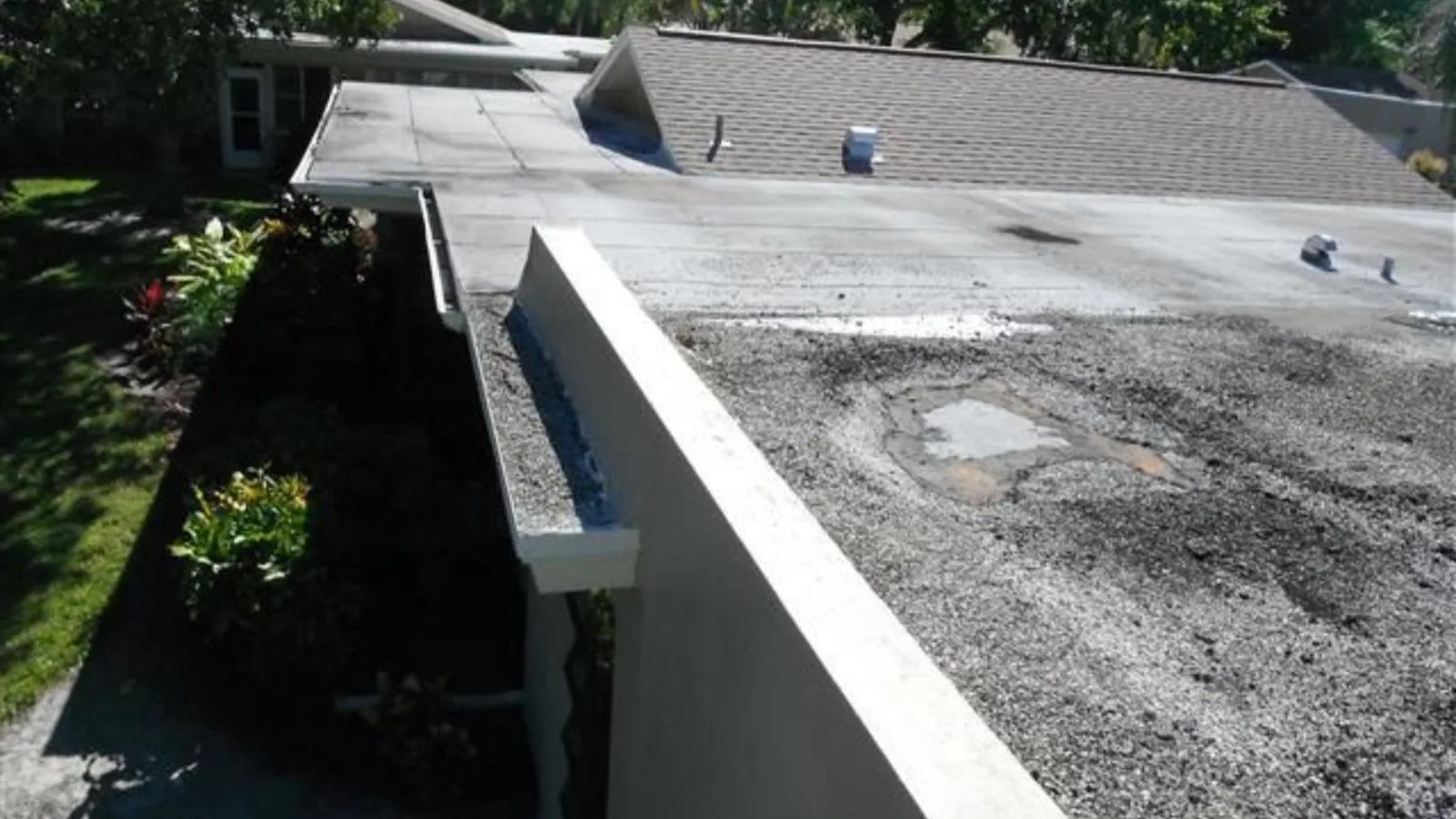
For several locations, use the same report fields: assembly if known, roof zones, drain status, equipment changes, active leak, prior repair, photos, and recommended next action. Keep building-specific facts separate. A 2019 roof replacement at one store does not establish the roof age at another, and a storm issue at one address should not be copied into the portfolio file. A condition report can give regional managers a consistent review while preserving each site's evidence.
Regional reports can summarize common needs, such as drain cleaning or replacement planning, but each site should retain its own inspection date and approval. Track deferred items so they do not disappear from the next store review.
For a multi-market chain, make the report easy to compare without forcing each building into the same roof category. Record whether the inspection was visual or included testing, whether access covered the entire roof, and whether equipment was operating during the visit. Mark estimates as based on observed quantities or pending test openings. That gives a regional manager a fair basis to compare bids while preserving the limits of each inspection.
Richardson's adopted 2021 building and energy-code editions include local amendments. The local permit path depends on the work and site details. We check it before procurement rather than copying an approval note from another market. A replacement plan can state the assembly, tear-off limits, insulation, edge details, drainage, temporary protection, store access, and closeout record. That gives a chain operator a repeatable comparison with local adjustments visible.

Coordinate Work with Store and Delivery Cycles
Spring is the strongest thunderstorm period in DFW, while Richardson's summer mean daily highs exceed 95 degrees. A roof schedule needs protection and secure close-in points if rain changes a workday. We inspect actual conditions after a reported event; a regional forecast does not determine whether a store roof is damaged. Define how the operator will report new water and whether stock or equipment needs temporary protection. The store manager should receive the final closeout status before reopening the area. Keep that update with the location repair file. Confirm that update before the next operating shift. Send the summary to the store manager before reopening.
When a location has a scheduled remodel, coordinate the roof work before signs, exhaust, lighting, or new rooftop units are installed. A store project can shift penetrations or staging areas, and the roof file should show which trade has final responsibility for each flashing detail. At closeout, provide one set of dated photos and a list of any remaining action to the regional facilities contact.
A maintenance visit can check drains, seams, exhaust flashing, sign supports, and earlier repair lines between capital projects. Property managers can share property rules and coordinate with other tenants. When lodging or food service is part of the chain, hospitality operations may have similar access demands, but each location's business hours and roof record remain separate. The regional office should receive a concise closeout summary after each job.
Related Roofing Work
Emergency Commercial Roof Repair
Richardson Chinatown
CityLine
Rooftop Equipment Curb and Support Roofing
Questions About Retail and Restaurant Chains
How can a chain compare roof conditions across multiple stores?
Use common report fields, then keep photos, roof zones, and repair history tied to each address. We can summarize priorities without carrying an assembly or storm condition from one property to another.
Can stores stay open during roof work?
The work zone, customer route, and hours determine whether partial operation is workable. We coordinate barriers, deliveries, lifts, and daily close-in with the manager before a date is set.
What should a restaurant report after a roof leak?
Send the room, time, weather, exhaust or refrigeration equipment nearby, and any affected food-service area. We inspect the roof path and distinguish membrane work from plumbing or condensate issues.
How do you keep a sign or HVAC project from damaging a repaired roof?
Coordinate the other trade before its work starts. We can review the penetration and support details, identify compatible flashing, and document the roof area for closeout.
When should a chain plan a full roof replacement?
Consider replacement when inspection shows widespread moisture, recurring leaks, failing attachment, or repeated repairs across roof zones. We document the evidence and phase the work around store operations.
Build a Store-Level Roof Action List
Send the Richardson address, store hours, leak reports, and upcoming equipment work. We will inspect the roof and return a location-specific repair or replacement scope for review.