
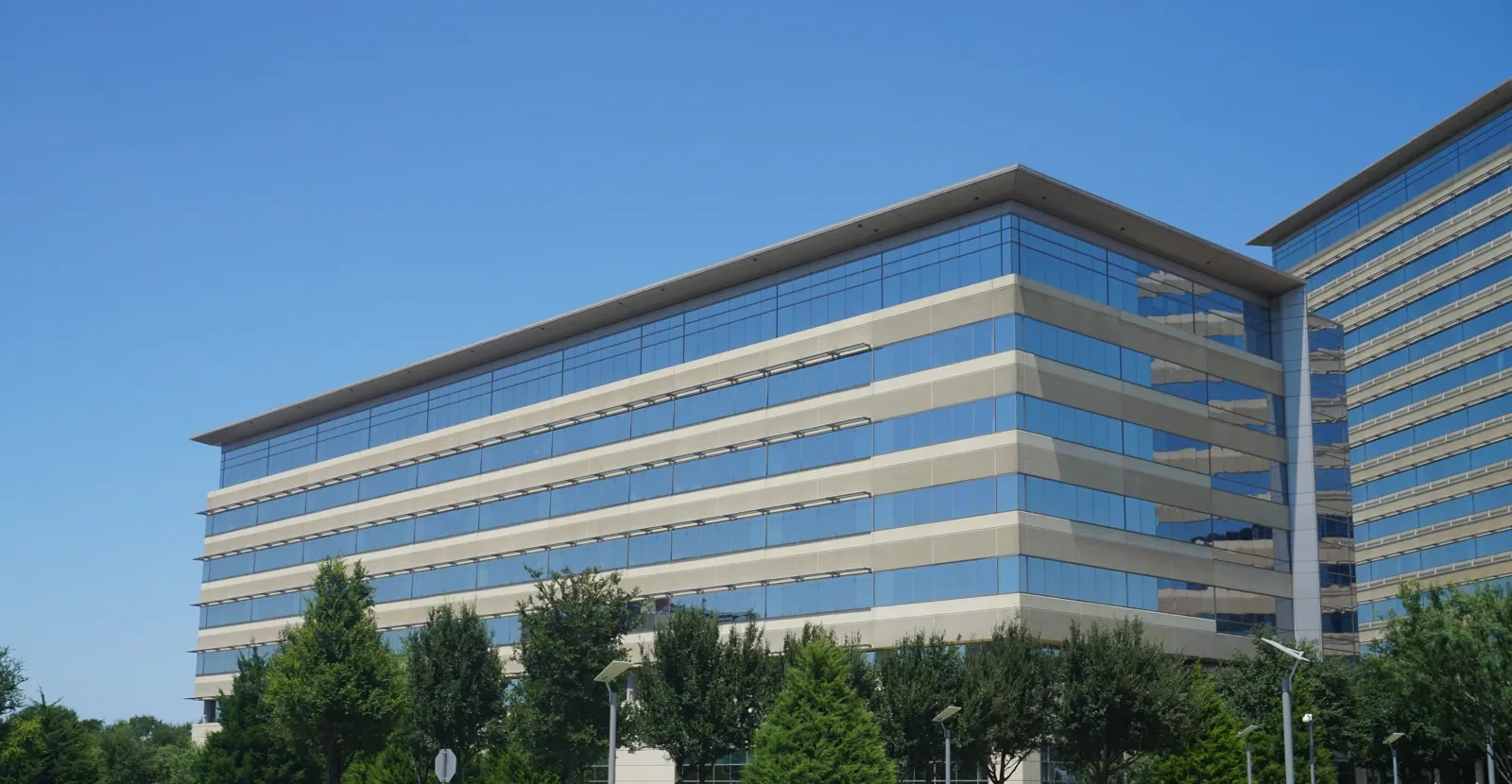
After a tornado warning or wind report, the first budget question is whether the roof has an opening that needs protection now. Regional storm information cannot answer that for a particular building. We inspect the membrane, metal, edges, rooftop equipment and interior reports in Richardson, TX, then separate urgent stabilization from permanent work. A dated photo record and a defined repair boundary give ownership something concrete to authorize, even while the replacement decision waits for a fuller assembly review.
Request a Roof Assessment
All fields are required.
Commercial Tornado Damage Roof Repair in Richardson, TX
Set the Storm Repair Window
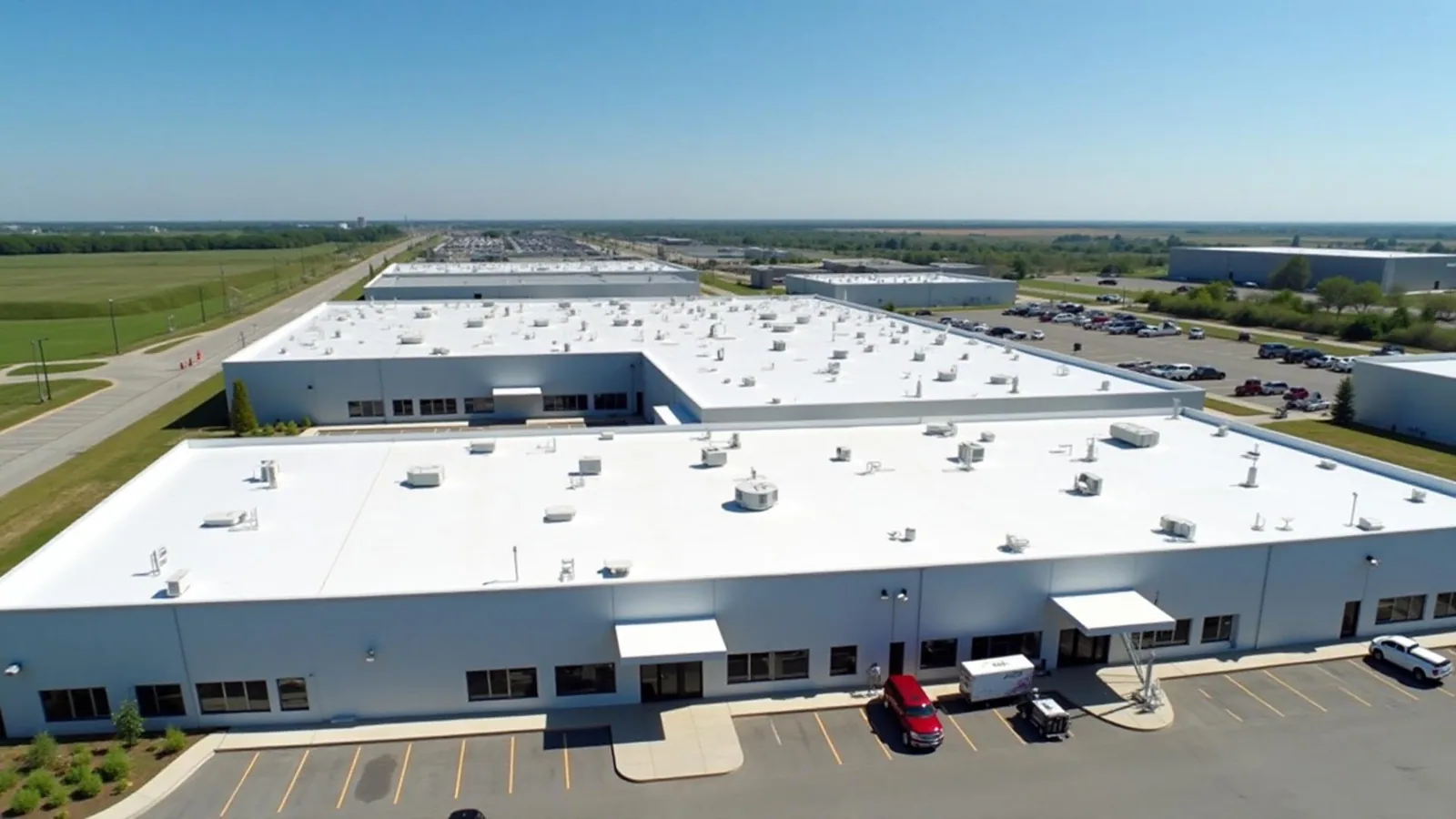
Start With the Exposed Area
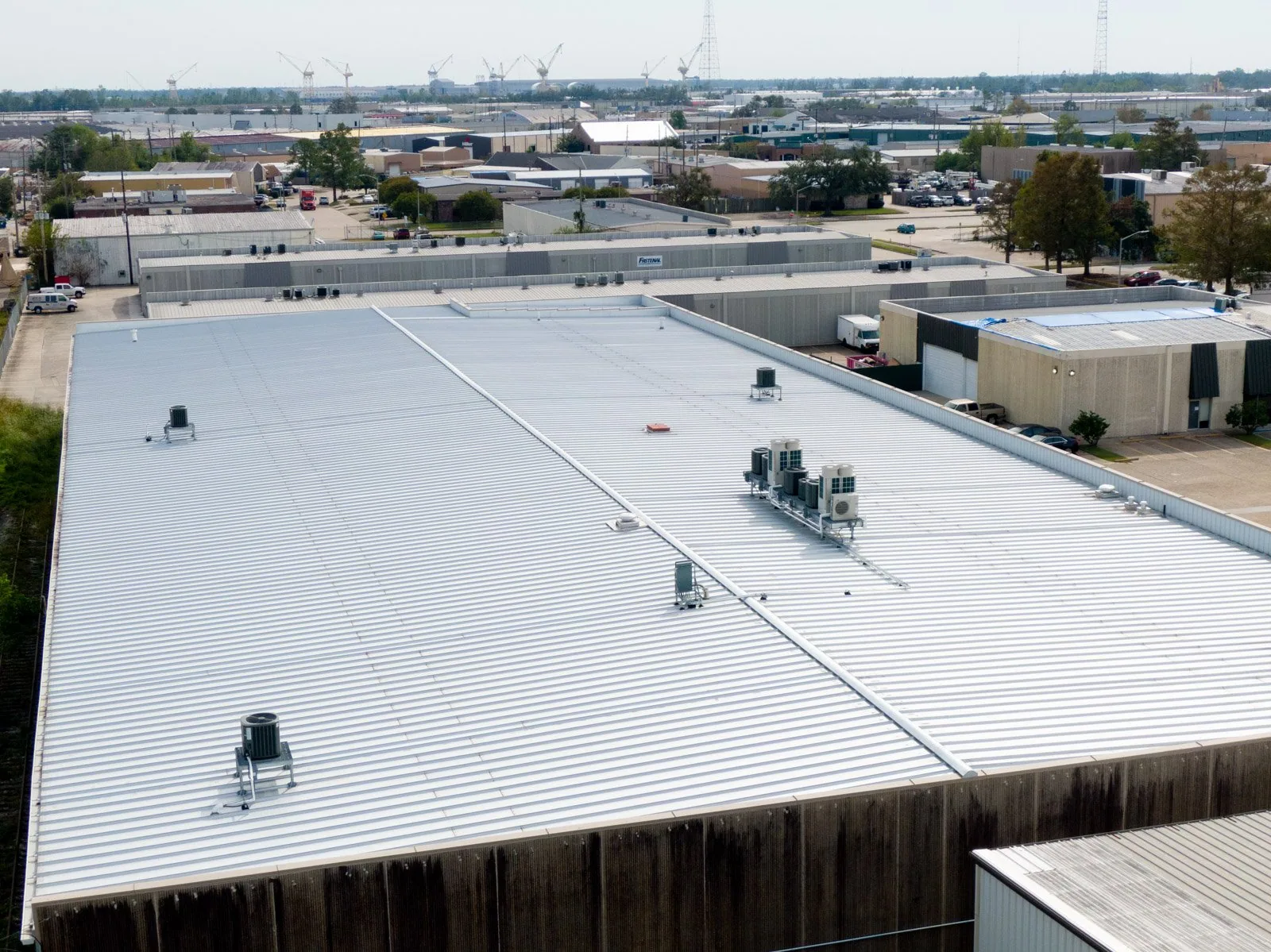
Wind can move edge metal, lift a membrane termination, shift rooftop equipment screens, or carry debris into a roof surface. We check the surrounding field, seams, penetrations, parapets, drains and transitions for openings or movement. Where the roof can be reached safely, we map each finding by section and photograph both the close detail and its location. A commercial roof inspection records observed conditions; it does not assume a storm report proves damage.
Interior symptoms help set priority. Active water above electrical equipment, an occupied office or a tenant suite may call for immediate protection. A displaced edge with no water entry may allow a measured repair window. We note what is wet, exposed or out of reach. If access or structural safety is uncertain, entry waits for the owner or appropriate authority to clear it.
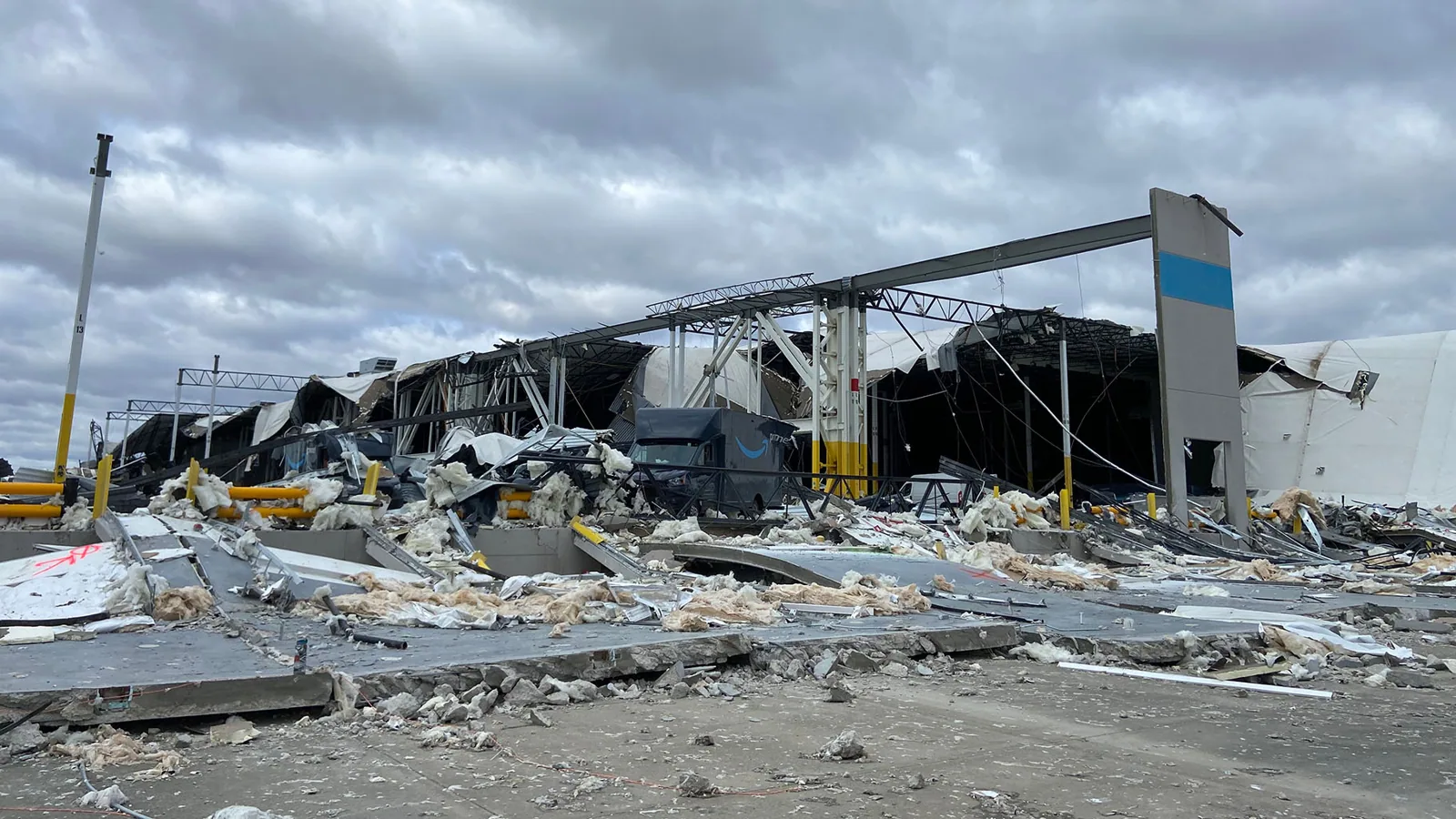
On October 20, 2019, tornado damage was recorded near Audelia Road and Buckingham Road in Richardson. That history makes post-storm inspection planning relevant, but does not establish damage at another property. For an office portfolio or a CityLine commercial property, we inspect the actual roof and its operating constraints.
Separate Temporary Work From the Repair
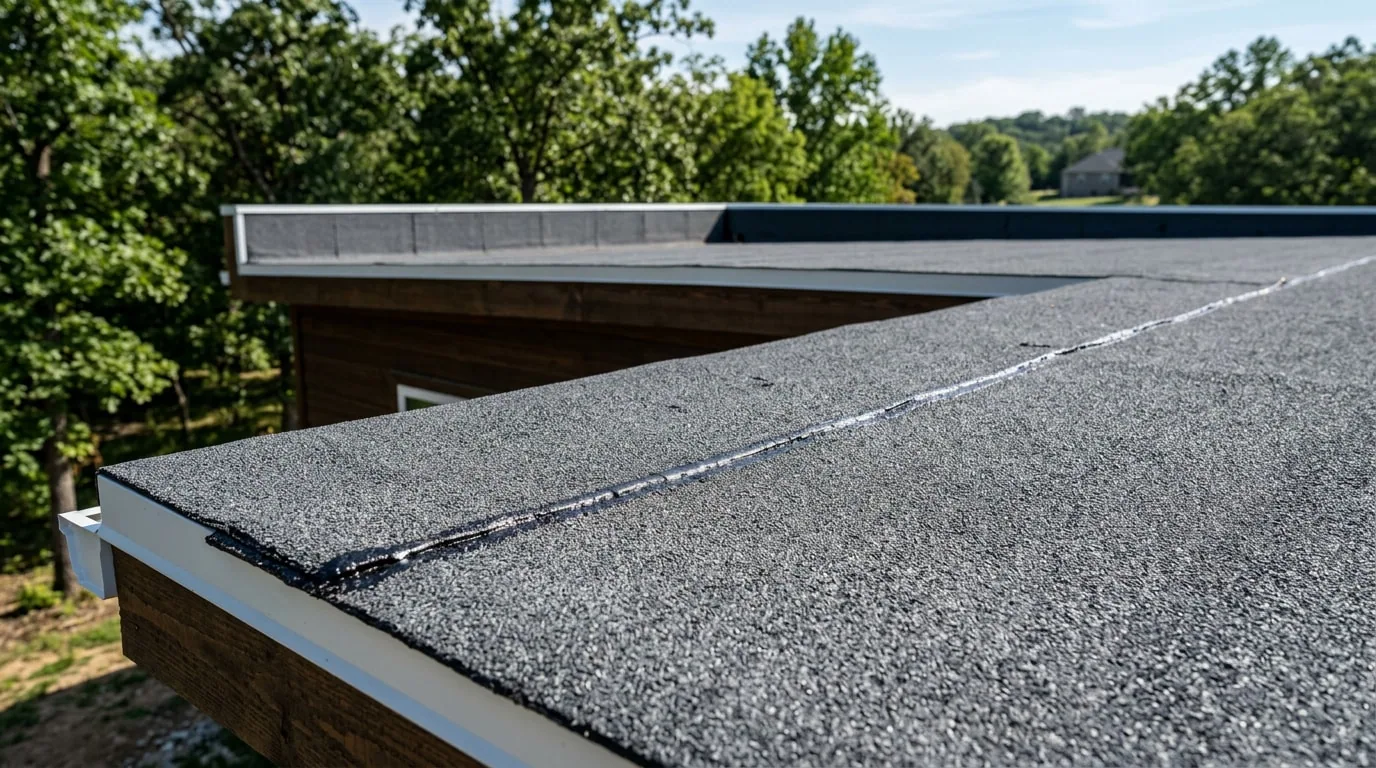
If a membrane is open or a roof edge has lost securement, temporary protection can limit additional water entry while the permanent scope is prepared. We identify the exposed boundary, the material used to cover it, and the weather limit of that measure. A temporary cover is not the final repair, and it should not hide wet insulation or a damaged deck from the next inspection. The work record should state what remains exposed and when the owner needs to make the next decision.
For active water, our emergency roof response can address the immediate opening after safe access is confirmed. We isolate the affected area, protect the interior below, and avoid broad demolition until the assembly can be evaluated. If damage crosses a seam or punctures a membrane, a membrane puncture repair or seam repair may be appropriate for the observed failure. Each line should name the roof zone, repair method and limit so emergency work does not become an undefined allowance.
Water may travel beneath a low-slope membrane before it appears indoors. A ceiling stain can be offset from the opening, and suppression or cleanup activity can complicate the path. We trace the route, inspect nearby penetrations, and use selective testing when surface inspection cannot resolve whether insulation is wet. If moisture extends beyond the immediate entry, the repair quantity changes. We mark that uncertainty before recommending a patch that could trap water in the assembly.
Price What the Inspection Supports
A focused repair can make sense when the damage is localized and the adjoining membrane, attachment and insulation remain serviceable. A wider scope becomes more likely when several roof zones show movement, wet material continues beyond the visible opening, or edge details have lost reliable attachment. We separate confirmed work from areas that need testing. For ownership comparing options, a measured repair scope and a replacement estimate should describe the same roof areas and assumptions.
Cost changes with access, roof height, debris removal, material availability, protection of active spaces, test openings and the amount of work that can be closed in during a shift. A storm-damaged roof over an occupied office may require phased access, while a building with fewer operating restrictions may permit a longer work window. We plan the open-roof boundary around the forecast and the crew's ability to secure the assembly before leaving. Spring is the DFW area's most active period for severe thunderstorms, so the daily sequence needs a weather contingency, not just a calendar date.
Building records also matter. A prior repair, recover layer or changed rooftop unit can affect how the new detail ties into existing material. We compare available records with what can be seen and state where concealed conditions could change the scope. Richardson adopted current building and energy-code editions with local amendments; the permit path depends on the work proposed. We confirm the applicable review before ordering materials or opening a larger area.
Keep the Building Running
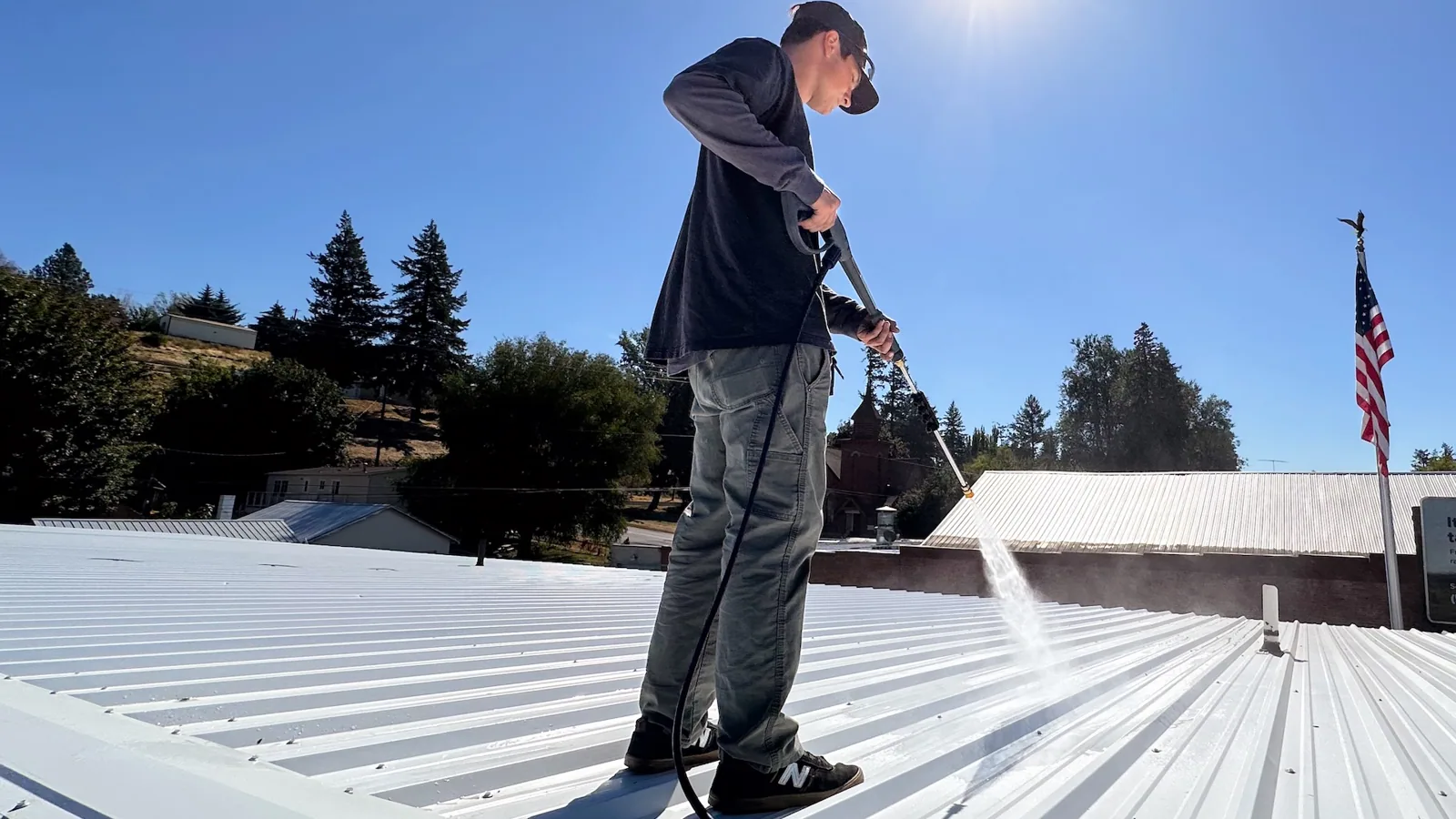
Work planning begins with the people using the space below. We identify tenant hours, loading activity, sensitive equipment, roof access points and areas that need protection. CityLine combines offices, medical space, retail, restaurants, apartments, a hotel and civic uses, so the property contact needs to confirm each building's access and operating limits. We set deliveries, noise periods and close-in windows around those conditions.
Richardson Innovation Quarter includes technology, research, manufacturing and education organizations. Before work starts, we confirm the access contact, material route and any area that cannot be interrupted. A critical room may call for a smaller work zone and earlier close-in. A phased occupied-building plan can set those limits without assuming every tenant needs the same accommodation.
For several buildings, group findings by roof, urgency and decision date, while keeping each property's photos and repair boundary separate.
Leave a Record for the Next Budget Review
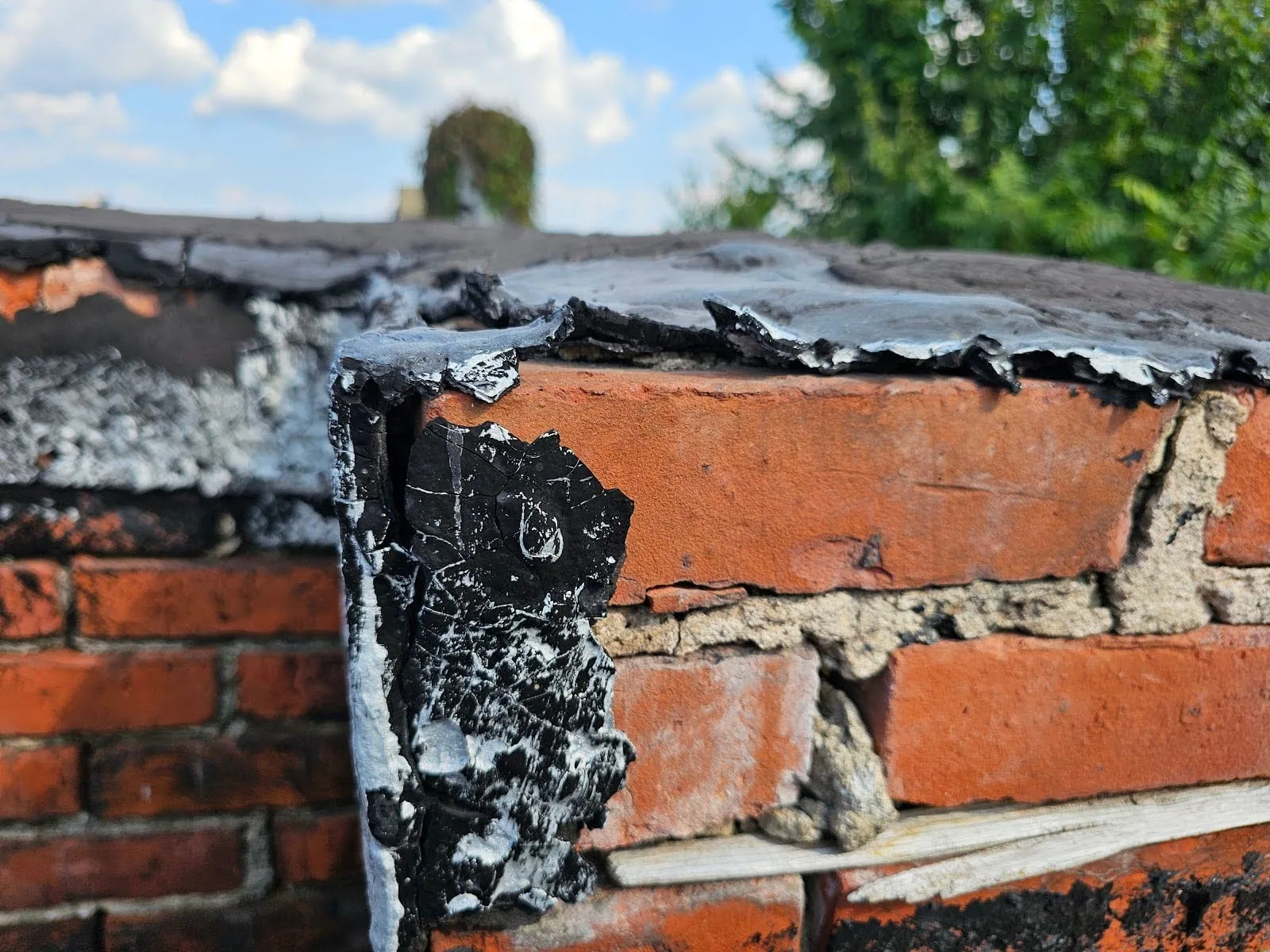
After permanent work, record the repaired section, materials installed, transitions completed, dated photos and any condition left outside the scope. The owner can compare that record with the first inspection and decide whether a follow-up check is needed. A planned maintenance visit can revisit the repair, nearby drains and edge details after weather returns. Broader deterioration can be separated into urgent protection and replacement timing.
Keep the storm date, access limits, temporary measures and repair quantities together. Photographs can support the roof portion of an insurer's file, but do not determine coverage. State what the inspection showed, what work was completed and what remains unresolved. That distinction helps a new manager avoid paying twice for a corrected item or treating an old condition as a new storm loss.
Set a decision deadline. We can inspect the accessible area, identify what must be secured before the next weather window, and price the permanent boundary separately. Tell us which building is affected, whether water is active, and when ownership needs a scope. The record can guide the repair line now and replacement timing later.
Related Roofing Work
CityLine
Emergency Commercial Roof Repair
Commercial Membrane Puncture Repair
Commercial Roof Seam Failure Repair
Questions About Commercial Tornado Damage Roof Repair
What should a building manager do before a tornado-damage roof inspection?
Keep people away from damaged ceilings and do not enter a roof area that has not been cleared. Share the storm timing, interior water reports, access limits and any known roof records. We use that information to plan a safe inspection and prioritize active openings.
Does the 2019 Richardson tornado mean a nearby roof was damaged?
No. The documented damage near Audelia Road and Buckingham Road describes that event and area. We inspect each property separately, record what is visible, and do not assign storm damage from a regional report alone.
When is temporary roof protection appropriate?
A cover or limited stabilization can help when an opening is exposed and access is safe. We define the covered area, its limits and the next inspection step, then price permanent repair after the assembly can be evaluated.
How do you decide between a repair and replacement after high winds?
The affected area, attachment, insulation, deck condition and condition of adjoining roof zones drive that choice. We map confirmed failures and identify where testing could change the quantity before comparing repair with a replacement scope.
Can the inspection happen while offices or tenants remain in the building?
Often, if safe access and interior protection are available. We coordinate roof entry, material movement, noise periods and any sensitive spaces with the property contact, then set a work boundary that can be secured during the planned shift.
Set the Storm Repair Window
Share the property, storm timing, current water conditions, access limits and the date ownership needs a scope. We will inspect the roof and separate immediate protection from permanent work.