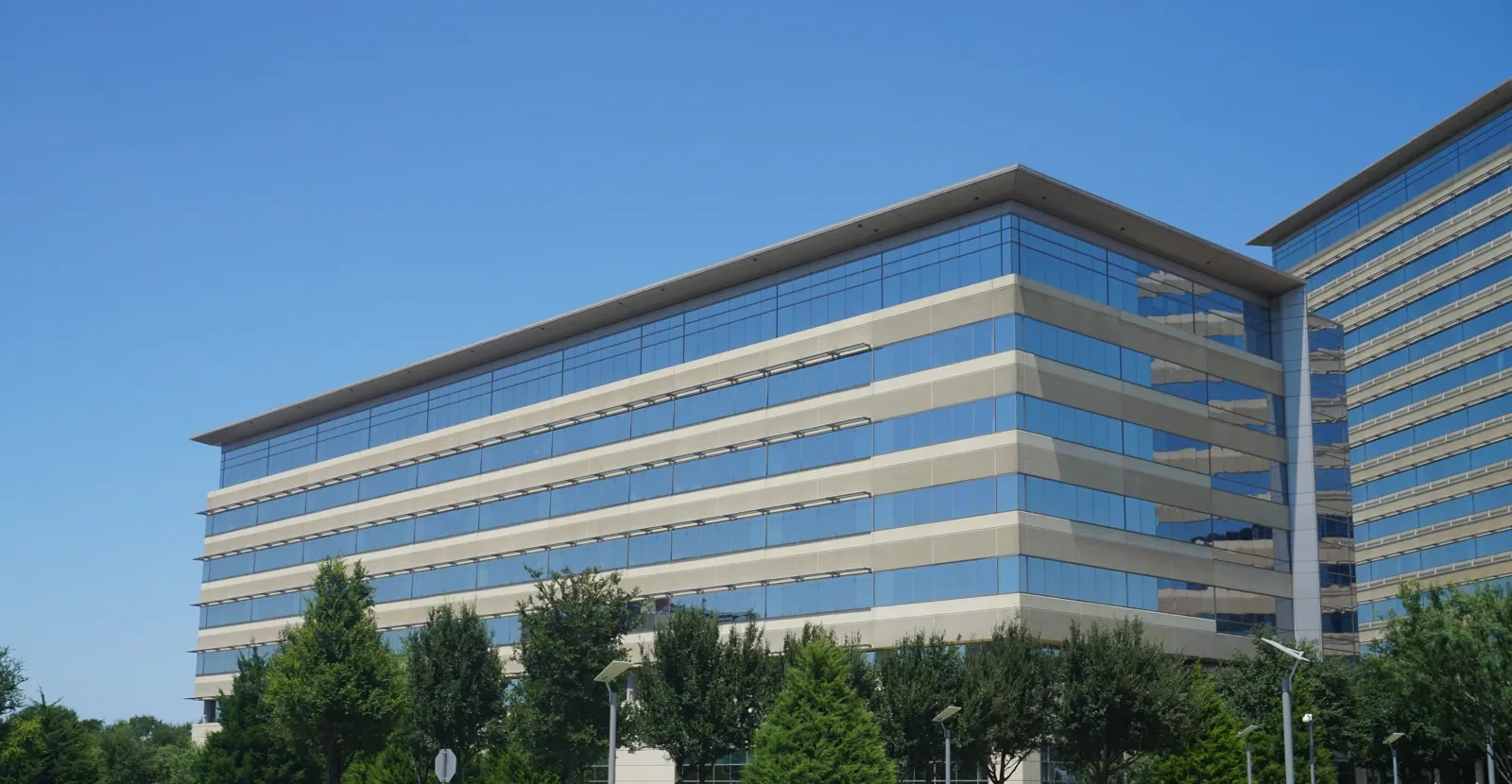
A hot roof can push an older repair toward a larger budget line. In Richardson, TX, summer heat cycles through membranes, coatings, sealants and metal details, but temperature alone does not establish failure. We inspect the surface and transitions, look for moisture below, and separate material aging from an active opening. Ownership can then decide whether to repair a defined area, plan a broader restoration, or include the roof in the next replacement window.
Request a Roof Assessment
All fields are required.
Commercial Heat and UV Roof Damage Repair in Richardson, TX
Set a Heat-Damage Review Window
Find the Detail That Has Changed
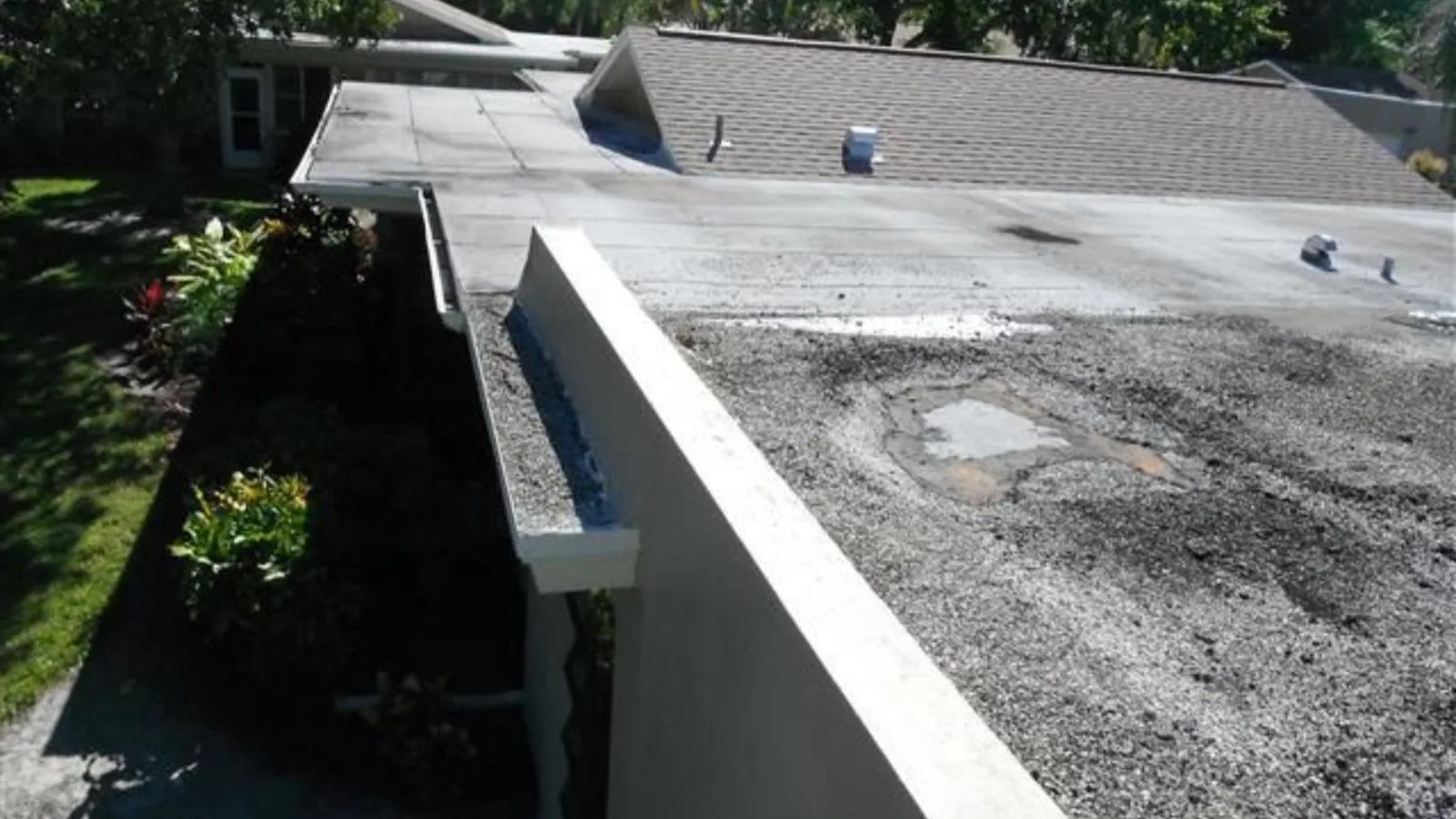
Heat-related deterioration can show as a brittle curb seal, a coating that has lost continuity, a membrane seam that no longer holds, or metal movement at a termination. We compare exposed and protected areas, check repair history, and inspect the details where water can enter. Sun fading alone is not a repair diagnosis. A roof condition inspection should state what changed, where it occurs, and what evidence supports the next step.
Dallas-Fort Worth summer afternoons average highs near 96 degrees. That heat makes material movement and rooftop work windows relevant, though it does not prove damage at one property. Richardson Innovation Quarter includes technology, manufacturing, research and education organizations. Their operations can require controlled roof access; the building itself still needs direct inspection. A Richardson IQ facility may need a planned entry window around its operations.
Separate Sun Wear From Other Roof Conditions
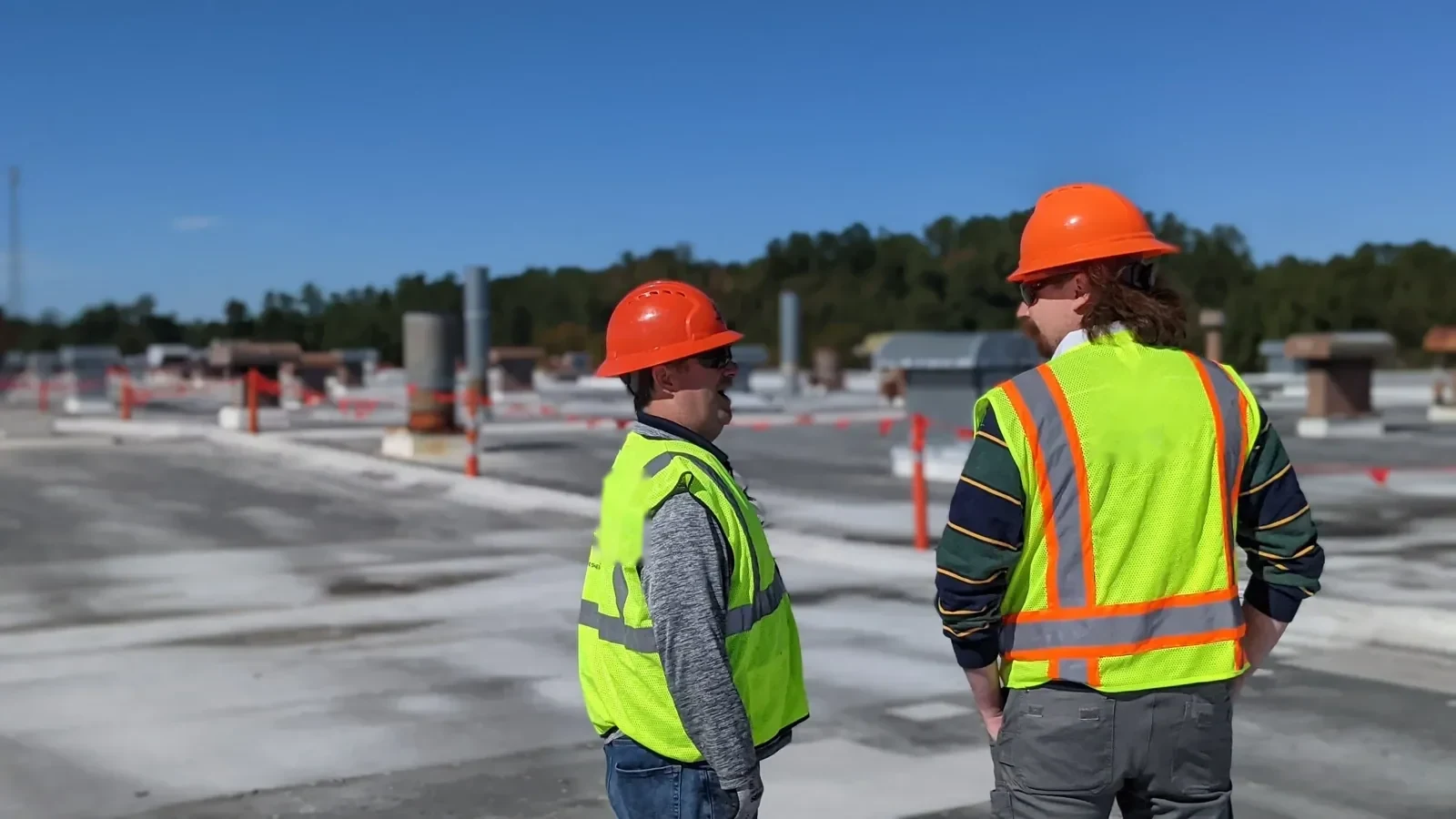
Heat works alongside age, ponding, foot traffic, equipment service and prior patching. A seam may open from movement or weak attachment; coating may thin where water stands; sealant can crack at a poorly prepared detail. We inspect the interface before choosing work. If moisture is suspected below an intact-looking surface, an infrared moisture survey can help target testing, with results read against the assembly and field conditions.
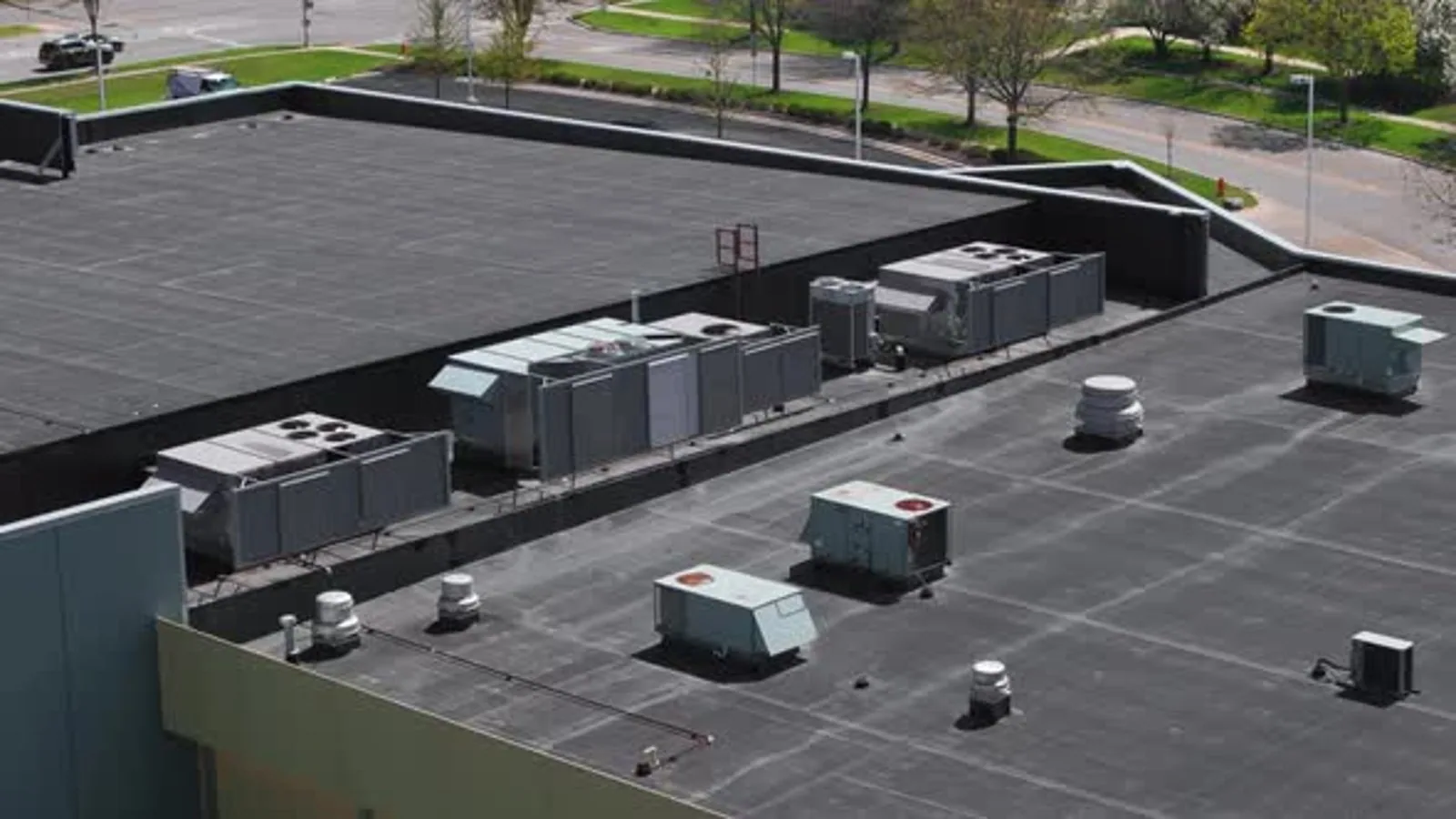
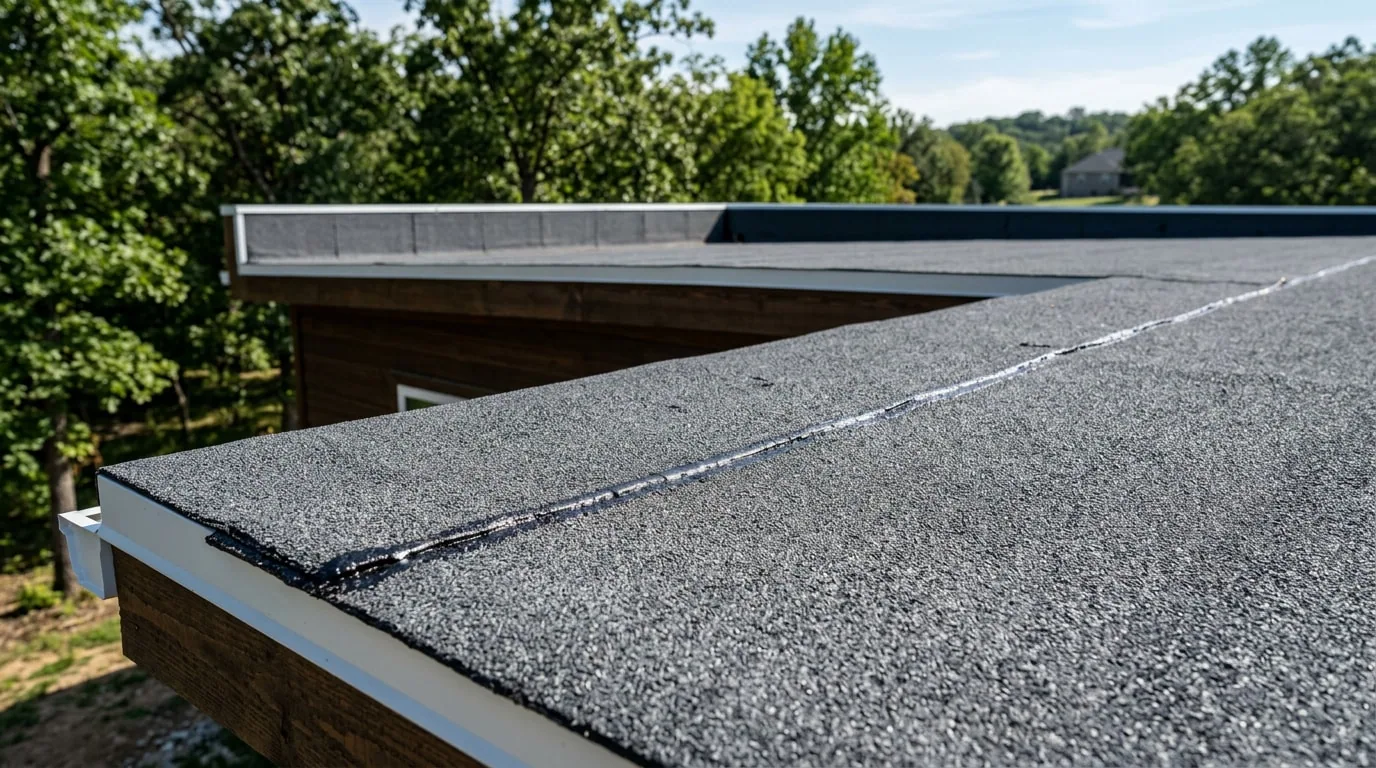
Single-ply roofs need checks at seams, corners, penetrations, terminations and attachment. Modified bitumen and built-up systems call for a review of splits, blisters, laps and exposed reinforcement. A TPO roof responds through different details than metal. Repair must fit the material, not just the symptom.
Water from an exposed detail can travel before appearing indoors. We compare interior reports with drains, curbs, wall transitions and low points. If a joint has separated, a seam repair may address it; a puncture calls for a different patch. We photograph the failure and nearby material so the owner can see why local work is or is not sufficient.
Keep a Repair From Hiding the Next Cost
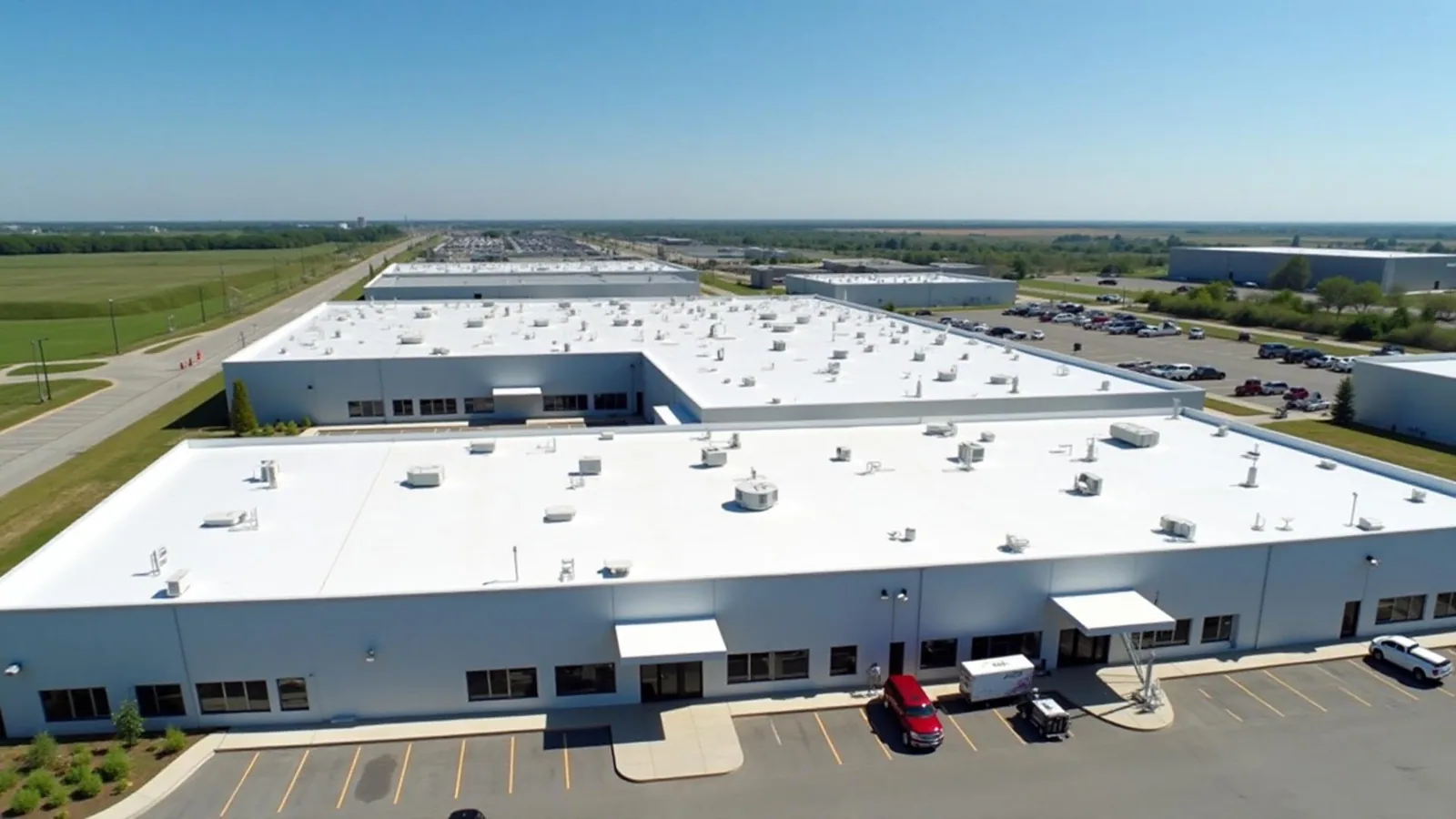
A repair is useful when it restores a defined area and the adjoining roof can still perform. We prepare the surface, use compatible material and detail the tie-in. If seams, penetrations or coating areas show similar breakdown, isolated patches may add mobilizations without changing the underlying condition. The assessment compares the repairable area with the surrounding assembly and identifies what evidence could change the recommendation.
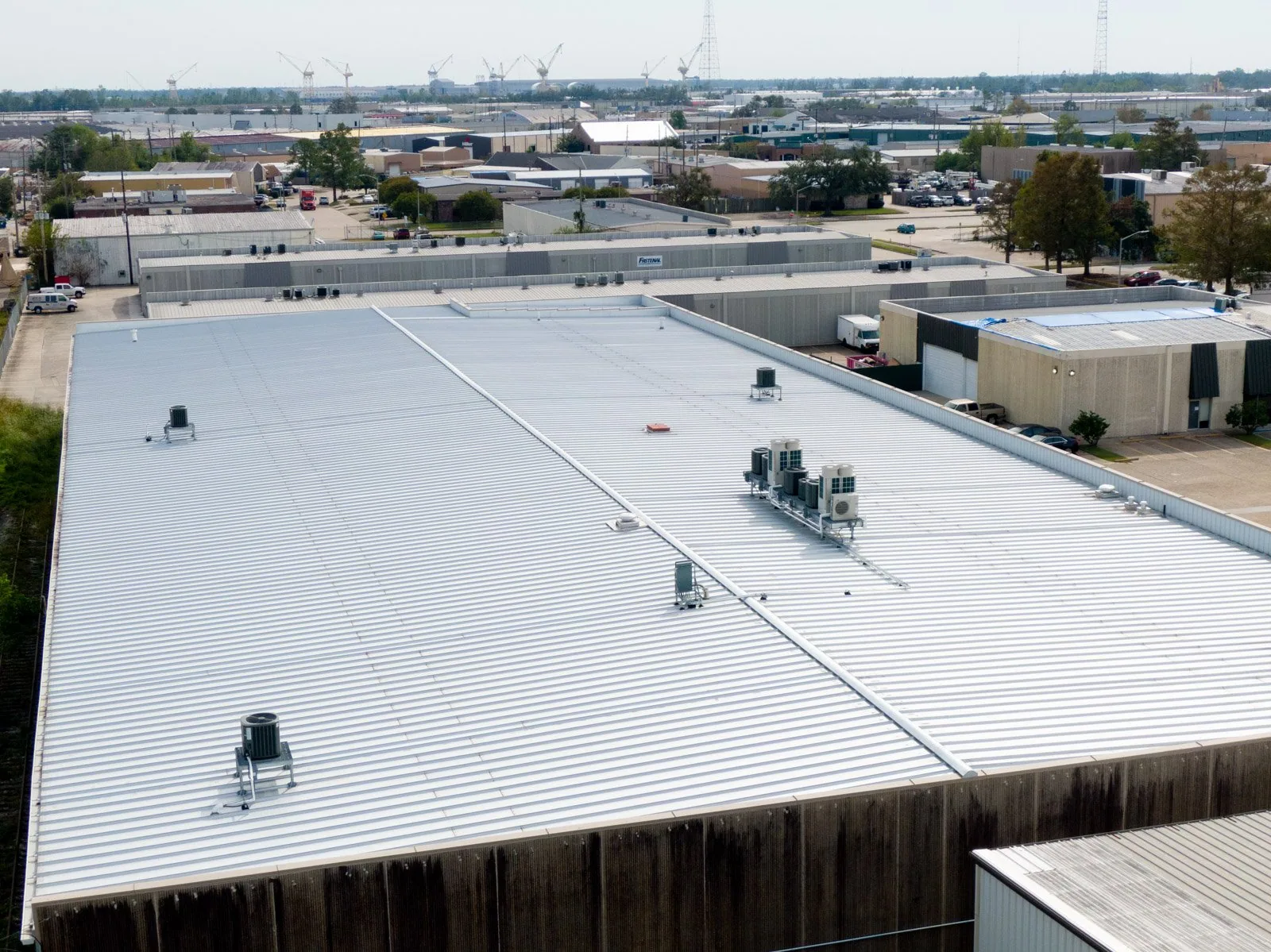
A coating restoration requires a clean, sound substrate and workable drainage. Coating over wet insulation, loose material, incompatible repairs or active leaks can hide rather than solve a problem. Where the assembly is dry and stable, a coating restoration review can compare preparation and detail work. Where failure extends into the assembly, a replacement scope can define removal, insulation, cover board and membrane as separate costs.
Cost and timing depend on access, preparation, roof height, equipment congestion, testing and the area that fits in an occupied-hours window. Summer work may favor earlier shifts and smaller zones. The owner should see repair limits and conditions that could add cost after an opening. A coating does not promise a fixed service life; condition and upkeep remain part of the capital decision.
Fit the Work to the Building Day
Heat affects the crew's work window as well as the roof. Each shift needs time to prepare the surface, complete a repair and protect the area. We confirm access, equipment routes, tenant hours and sensitive spaces below. Office, medical and technology operations may need controls for noise, odors or equipment protection. The property contact confirms those needs before the schedule is set.
At CityLine, offices, clinics, lodging and civic uses sit alongside retail and housing. We set delivery, staging and close-in plans with the property manager. If testing requires an opening, the report identifies what was examined and how it was restored. Phasing can limit the active work zone, but still requires building-specific coordination.
CityLine includes office, medical, retail, restaurant, apartment, hotel and civic uses. That mix makes roof access and interior protection a property-level decision. We agree on where to stage materials, which entrances need to stay clear, how deliveries move, and when a noisy task can happen. The same sequence also identifies how much roof can remain open during a shift. Those limits can change labor and timing, so we put them in the scope before work begins.
For multiple properties, photos and findings stay tied to the correct roof zone. Separate surface changes from confirmed openings, moisture findings and maintenance needs. That gives the next budget discussion clear options: repair, test further or schedule replacement. Facilities can revisit flagged areas after the hot season.
Choose the Next Spend With Evidence
When a roof shows heat stress, separate what is confirmed from what is only suspected. We mark active leaks, open seams, deteriorated flashing, suspect insulation and stable areas. If testing is warranted, the scope states where an opening will be made and what it can determine. That is more useful than a broad recommendation to coat or replace without measuring the affected assembly.
Before material ordering, we match the repair or assembly change to Richardson's locally amended 2021 code set and confirm the city review that applies. Replacement, insulation changes and a localized repair can raise different questions. For reflective systems, we still review drainage and detail compatibility rather than relying on color as a condition test.
Closeout records identify the area, preparation, material, transitions, dated photos and any open item. A maintenance visit can revisit the repaired detail and nearby drains. If a membrane is punctured rather than split, a puncture repair may be the right comparison. Tell us which property is under review and when the budget decision is due. We will connect the findings to that date.
Related Roofing Work
Commercial Roof Inspection
Richardson Innovation Quarter
Infrared Roof Moisture Survey
Commercial TPO Roofing
Questions About Commercial Heat and UV Roof Damage Repair
How can I tell whether summer heat has damaged the roof or only aged its surface?
Look for functional changes, not color alone. We inspect seams, flashing, fasteners, coating continuity and interior reports, then test further if moisture or attachment is uncertain. The report separates observed failures from cosmetic change.
Can a commercial roof be coated after years of sun exposure?
A coating is considered only when the existing surface is compatible, clean, dry and stable enough for preparation and adhesion. We check drainage, repairs, wet insulation and detail condition first, then price restoration separately from replacement.
Does a hot forecast mean the roofing work should wait?
Not automatically. Material requirements, surface temperature, crew safety and the time needed to complete and protect each area shape the work window. We plan the shift and open-roof limit around the system and site conditions.
What if a roof leak appears far from the visible heat-stressed detail?
We trace the water path across seams, penetrations, walls and low points instead of assuming the ceiling stain marks the opening. Photos and selective testing can clarify whether the suspected area connects to wet material below.
When is replacement a better budget choice than repeated heat repairs?
Replacement becomes worth comparing when similar failures recur, moisture or attachment problems extend across zones, or repair work no longer restores reliable boundaries. We document those conditions and price the defined alternatives.
Set a Heat-Damage Review Window
Tell us which building is showing wear, whether water is active, and when ownership needs a repair or replacement comparison. We will inspect the roof and define the next scope.