

After high wind, an owner needs to know whether the roof is open, what interior space is at risk, and how much work will stabilize it. We inspect the assembly, document displaced or damaged details, and separate temporary protection from permanent repair in Richardson, TX. The report identifies affected zones and what the crew can safely close before the next weather window.
Request a Roof Assessment
All fields are required.
Commercial Wind Damage Roof Repair in Richardson, TX
Document the Wind-Related Roof Condition
Secure the Roof Before Pricing the Full Repair
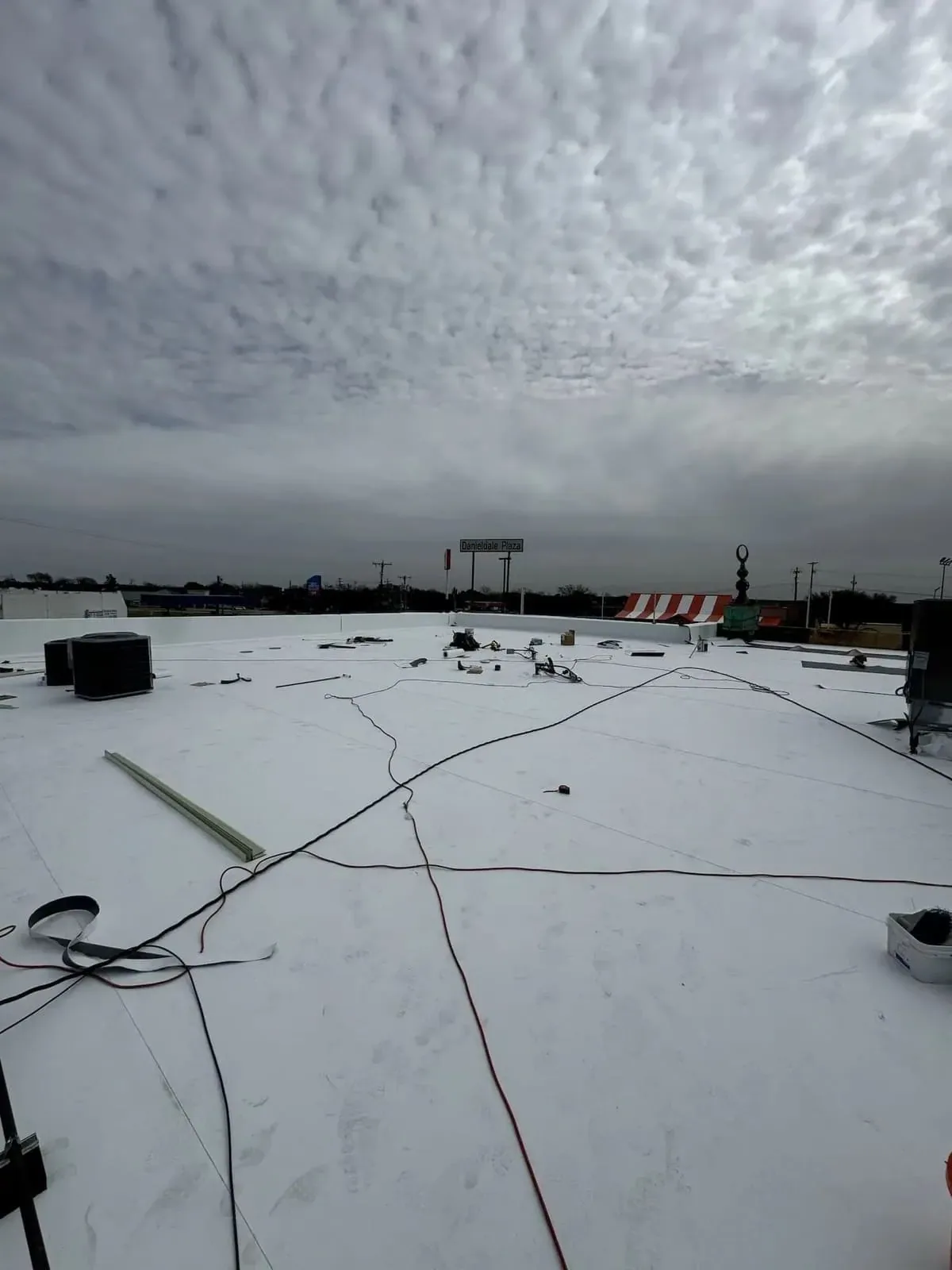
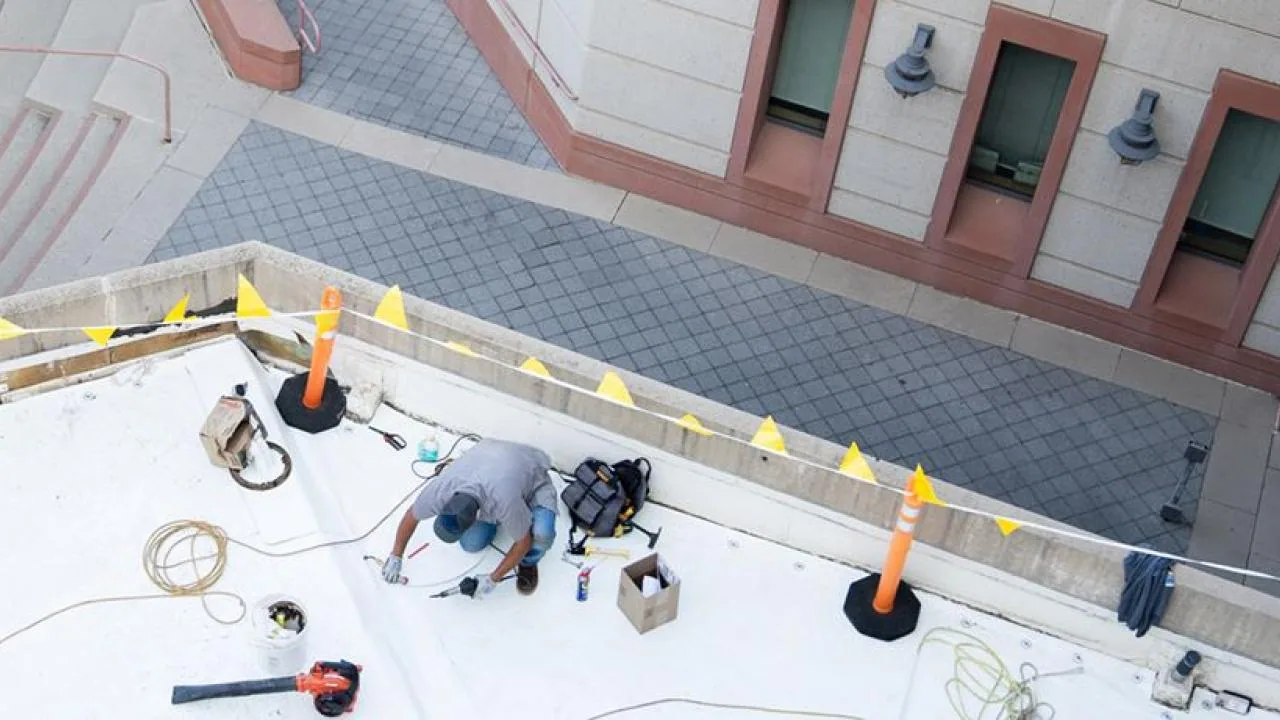
Start with loose metal, lifted edge details, missing membrane, open seams, and water entering occupied space. We check roof access and surrounding hazards before moving materials. A temporary cover or limited fastening repair may protect a building while the full scope is measured. An emergency roof response should identify what is secured now, what remains exposed, and how the next inspection will confirm a permanent repair boundary.
Keep people away from loose material and do not send staff onto a roof until access is confirmed safe. Record where water entered, whether it continued after the wind passed, and which rooms or equipment require protection. This timeline helps separate an active opening from older moisture. We can secure a limited area first, then return with the right access equipment to inspect adjoining seams and edge details before the permanent quantity is set.
Wind can affect one detail without damaging the entire roof. We inspect perimeter metal, corners, parapet transitions, penetrations, curbs, seams, and any area where equipment or debris may have struck the surface. A roof inspection can compare field conditions with interior reports and previous repair photos. We record what moved and where material remains attached instead of making a replacement recommendation from a single loose panel or ceiling mark.
Trace the Failure from Edge to Field
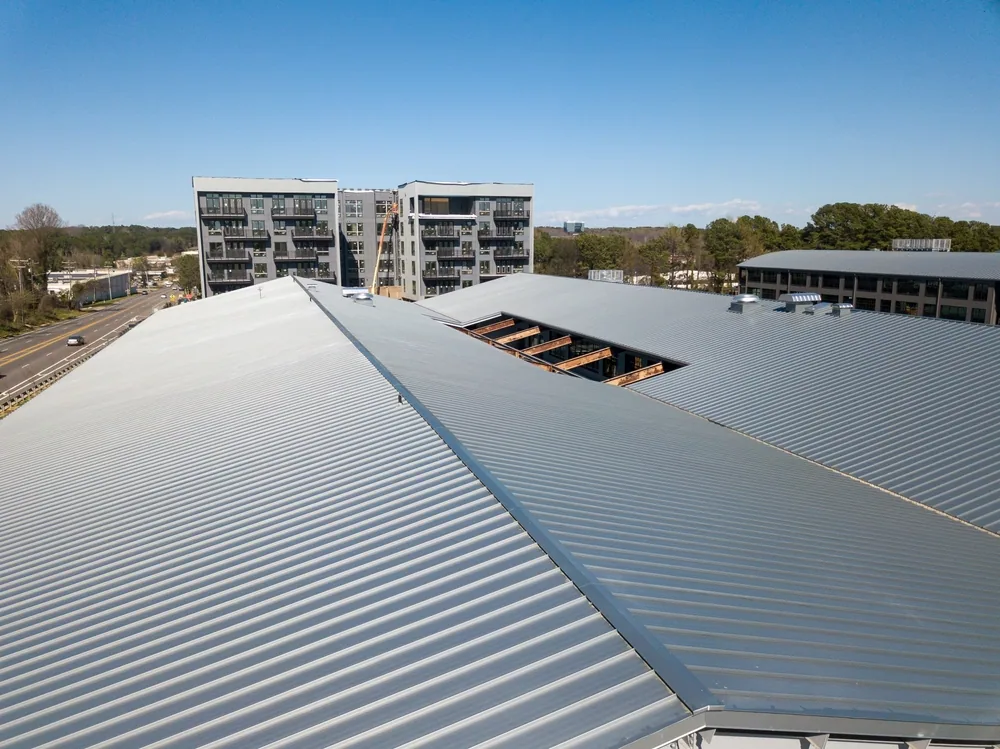
Wind pressure acts differently at edges, corners, walls, and rooftop obstructions. We inspect the attachment and transition details near the reported failure, then check adjoining zones for movement or water entry. On a membrane roof, that may include seams, termination bars, flashing, and the edge assembly. Metal systems need panel attachment, clips, fasteners, and closure details reviewed. Repairs should match the existing system and extend only as far as the observed condition requires.
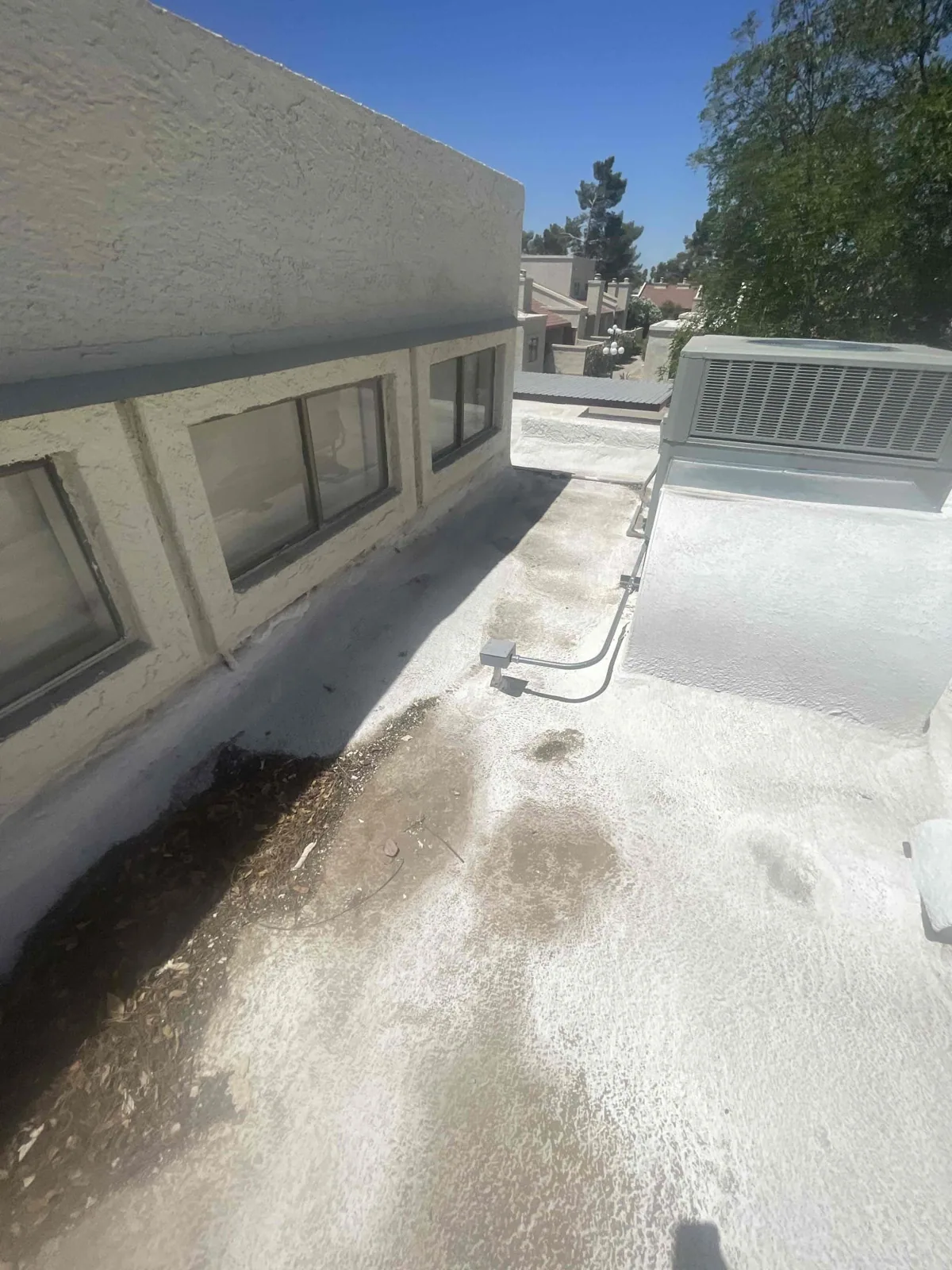
Rooftop equipment can change airflow and create another area to inspect. Check curbs, support frames, screens, conduits, and service paths for looseness or displaced flashing. A curb and support review can identify coordination needed before a mechanical contractor resets equipment. If a drain, scupper, or overflow was blocked by windblown debris, a drainage repair may also be necessary. We price each confirmed item rather than folding unrelated maintenance into a storm estimate.
Use Richardson Weather as a Planning Input
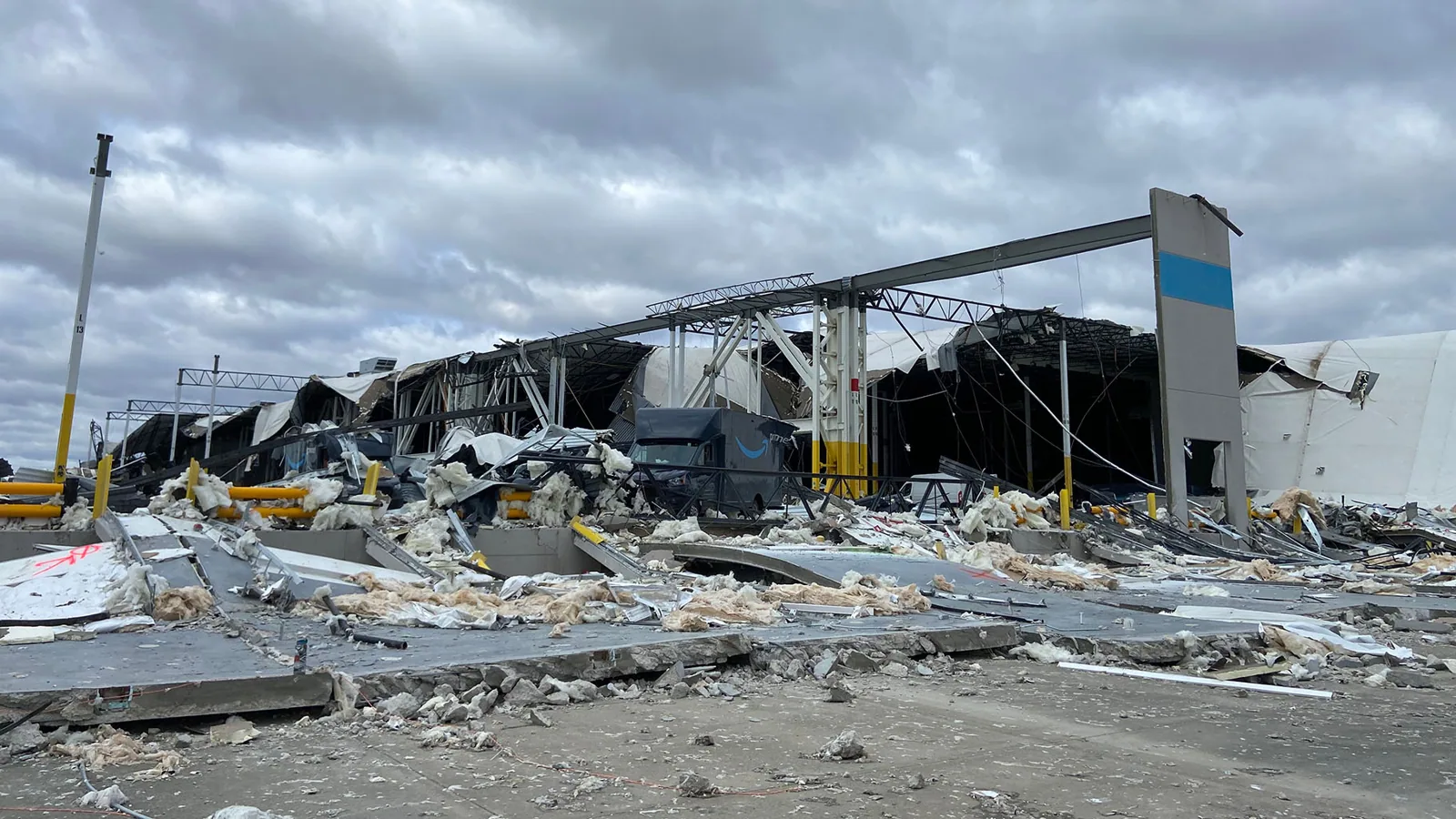
Wind, hail, flooding, and tornadoes occur somewhere in the Dallas-Fort Worth Metroplex in many years, but a regional event does not establish damage at every property. Richardson's October 2019 tornado track included damage near Audelia Road and Buckingham Road. That event is local preparedness context; it does not prove a separate building was struck. After a storm, we document site-specific signs such as displaced edge metal, open seams, punctures, or new interior water. A hail-related roof review can separate surface impact from wind displacement, while a tornado damage review can focus on broader debris and structural concerns when present.
Richardson Innovation Quarter includes research, technology, manufacturing, and education uses, and CityLine mixes offices, medical space, retail, hotel, apartments, park, and civic uses. These distinct settings bring different access and occupant considerations after a weather event. A property in the Innovation Quarter still needs its own inspection and work plan. We confirm who can authorize roof access, protect equipment or inventory below, and approve a temporary closure.
Choose Repair, Recover or Replacement from Evidence
A local wind repair can fit when the affected membrane or metal is isolated and the surrounding assembly remains serviceable. Repeated lifted edges, widespread attachment loss, wet insulation, or multiple open transitions may make a larger replacement phase more reliable. We record inaccessible zones and any uncertainty in the estimate. The measured repair can address the confirmed failure; a separate replacement estimate can account for tear-off, deck assumptions, insulation, edge metal, equipment movement, and daily close-in.
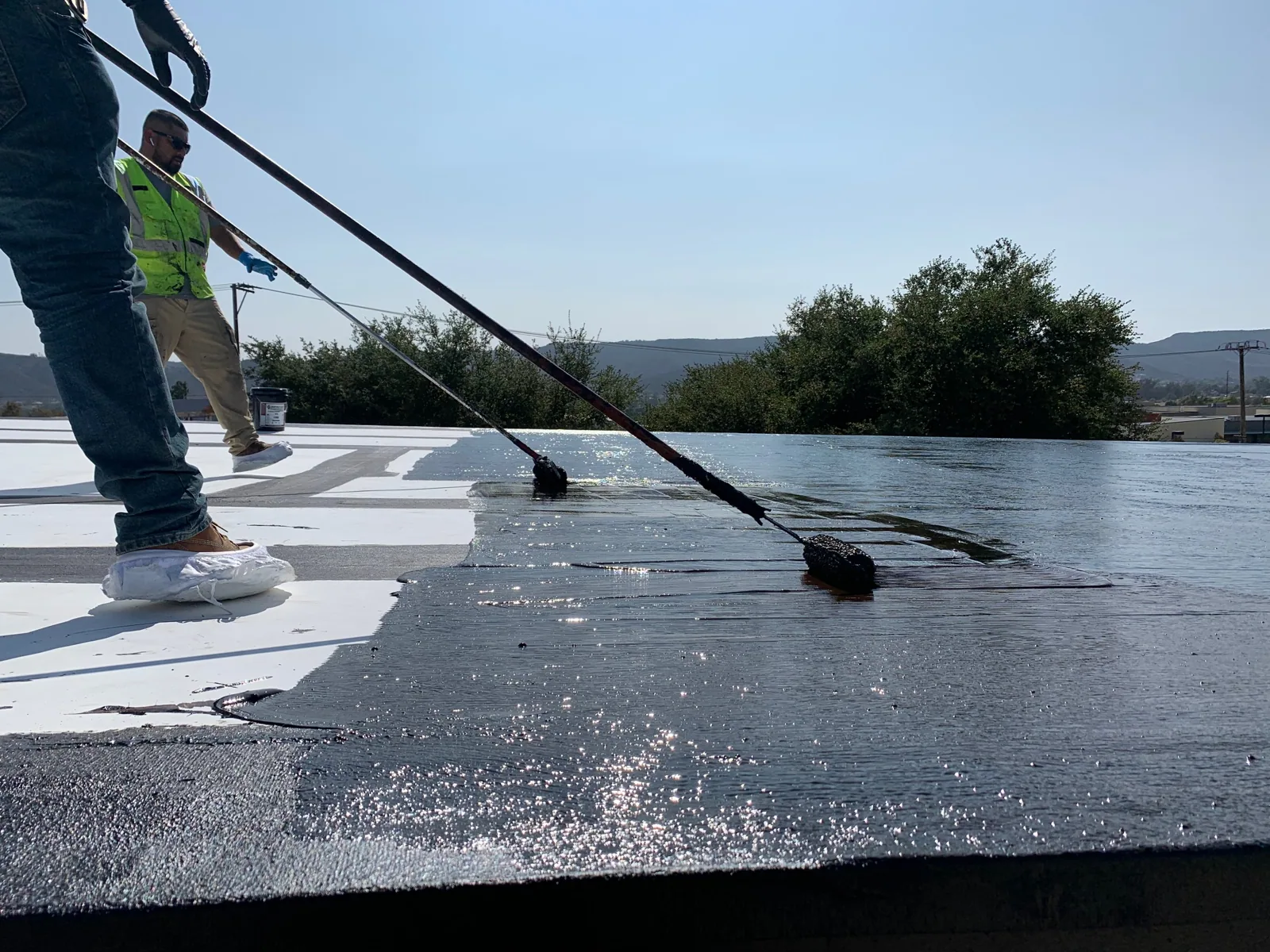
Estimate the repair in components: removal of loose or damaged material, substrate preparation, matching membrane or metal, new flashing, secure terminations, and cleanup. State whether the repair includes adjacent areas found loose during the work. If the assembly cannot be matched or the damage crosses a transition, show an alternate scope instead of extending the patch without approval.
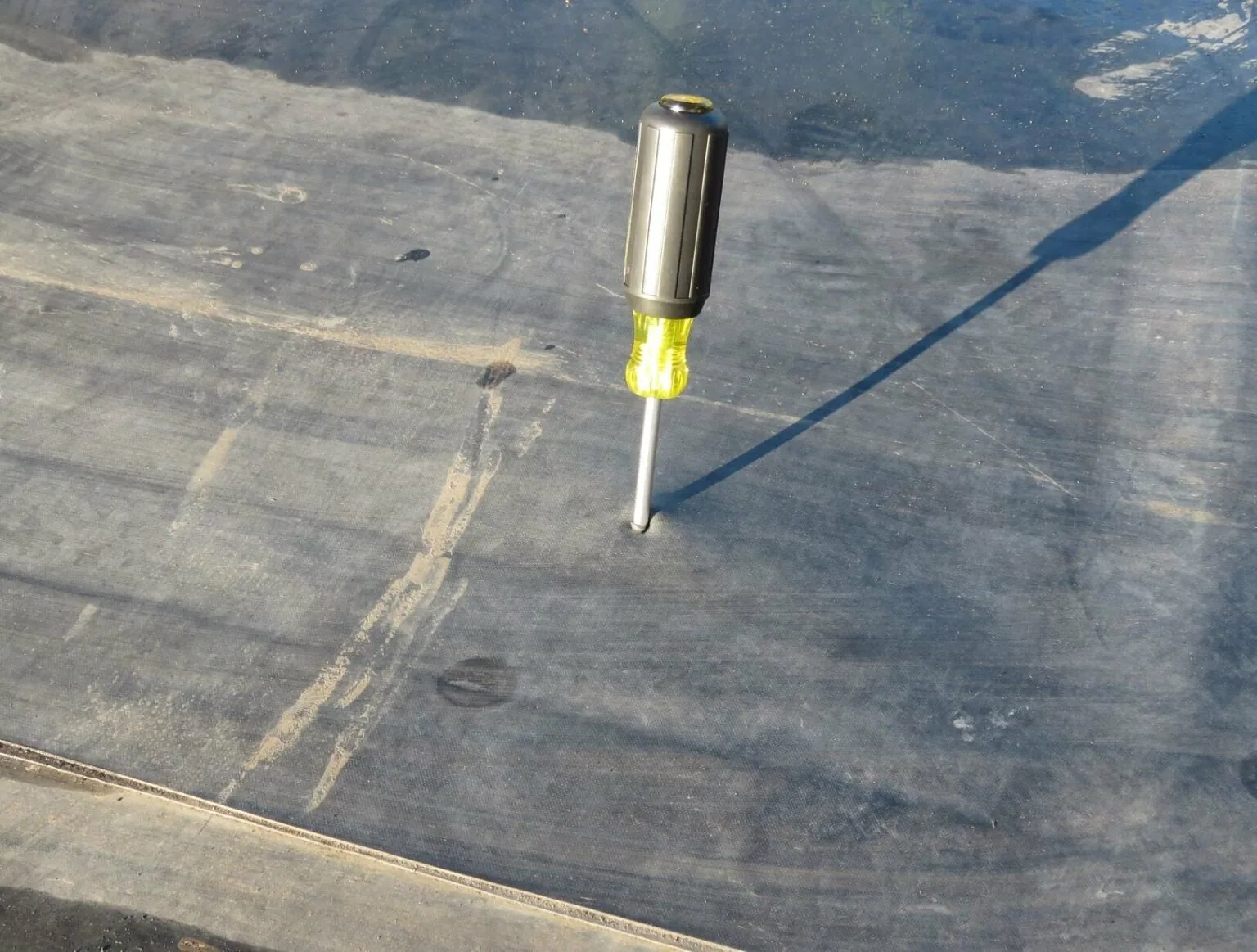
For concealed moisture or deck condition, we define a small test area and explain what the opening can confirm before cutting. The finding may change the repair boundary, but it does not automatically expand the work. Ownership receives the new condition, its location, and a separate price for any added correction.
A recover is considered only when the existing layers, attachment, moisture, and roof height at drains and curbs permit it. Wind-related damage can expose whether the old assembly is secure, but one damaged edge does not show that a new layer is appropriate. We check whether the proposed wind work changes an assembly or attachment requirement, then confirm the city's review before material release.
Keep the Storm Record Useful
Closeout should show the original condition, temporary protection, permanent repair, and any area left for follow-up. We label photographs by roof zone and date, list materials installed, and mark where additional damage would need written approval. If another trade reset equipment, note the handoff and verify the flashing afterward. A maintenance visit can check perimeter details, drains, and prior repair lines once the storm work is complete. Note any area that remains outside the repair boundary. Keep that note with the dated roof photographs.
Assign one building contact to collect new leak reports during cleanup. If another room reports water, compare its location and timing with the inspected roof zones before adding it to the original work order. New conditions may require a separate visit or scope. That keeps the repair file tied to observed damage and avoids treating every post-storm call as the same roof failure.
Insurance review is separate from the roofing diagnosis. We can provide observed conditions and measured quantities, but coverage decisions depend on the policy and carrier. Keep the report with the building's earlier maintenance record so new work is not confused with old deterioration. For owners coordinating several buildings, a property manager can keep access and tenant notices together, while each roof file remains specific to the site and event.
Related Roofing Work
Emergency Commercial Roof Repair
Commercial Roof Inspection
Rooftop Equipment Curb and Support Roofing
Commercial Roof Drain and Scupper Service
Questions About Commercial Wind Damage Roof Repair
Does a wind report mean the roof needs replacement?
No. We inspect attachment, edge details, seams, moisture, and the extent of failure. A contained repair may be suitable, while widespread movement or wet material can support a larger scope.
What should staff do when metal or membrane is loose?
Keep people away from the affected area and report where material moved or water entered. We can secure exposed conditions, photograph the area, and define the permanent work after access is safe.
Can a temporary wind repair be billed separately?
Yes. The estimate can separate immediate protection from permanent repairs and identify what remains to be inspected. That gives ownership a clear approval point for each step.
How do you distinguish wind damage from older wear?
We compare current observations with prior photos and repair history, then document the location and appearance of the failure. Where timing or cause cannot be confirmed, we leave it open rather than overstate the finding.
What should be included in a wind-damage repair estimate?
Show affected roof zones, materials, attachment or flashing work, access, temporary protection, drainage, equipment coordination, close-in, and the process for concealed damage or added quantities.
Document the Wind-Related Roof Condition
Send the property, reported event, interior impact, and access rules. We will inspect the roof, secure exposed areas, and prepare a repair scope with the next decision clearly stated.