
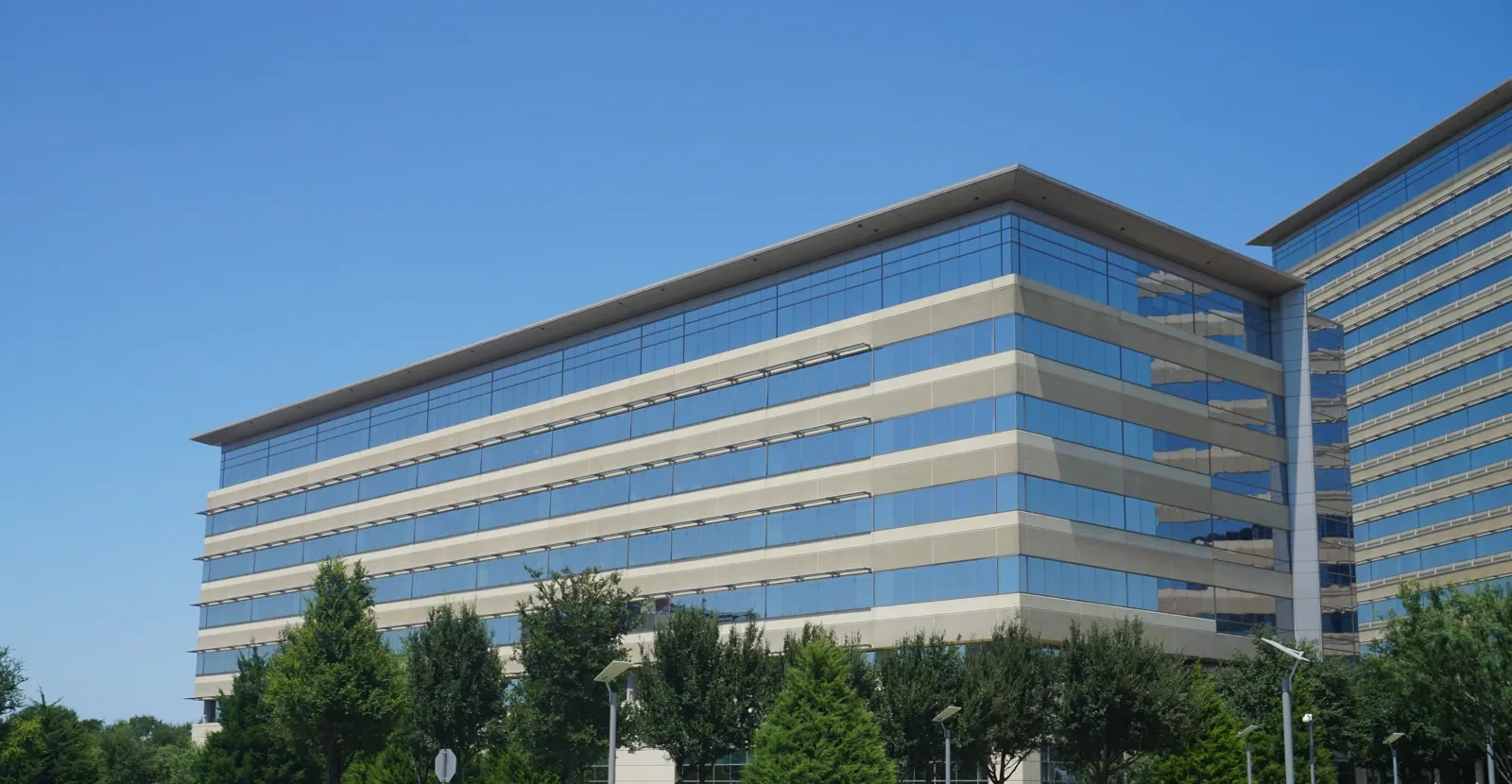
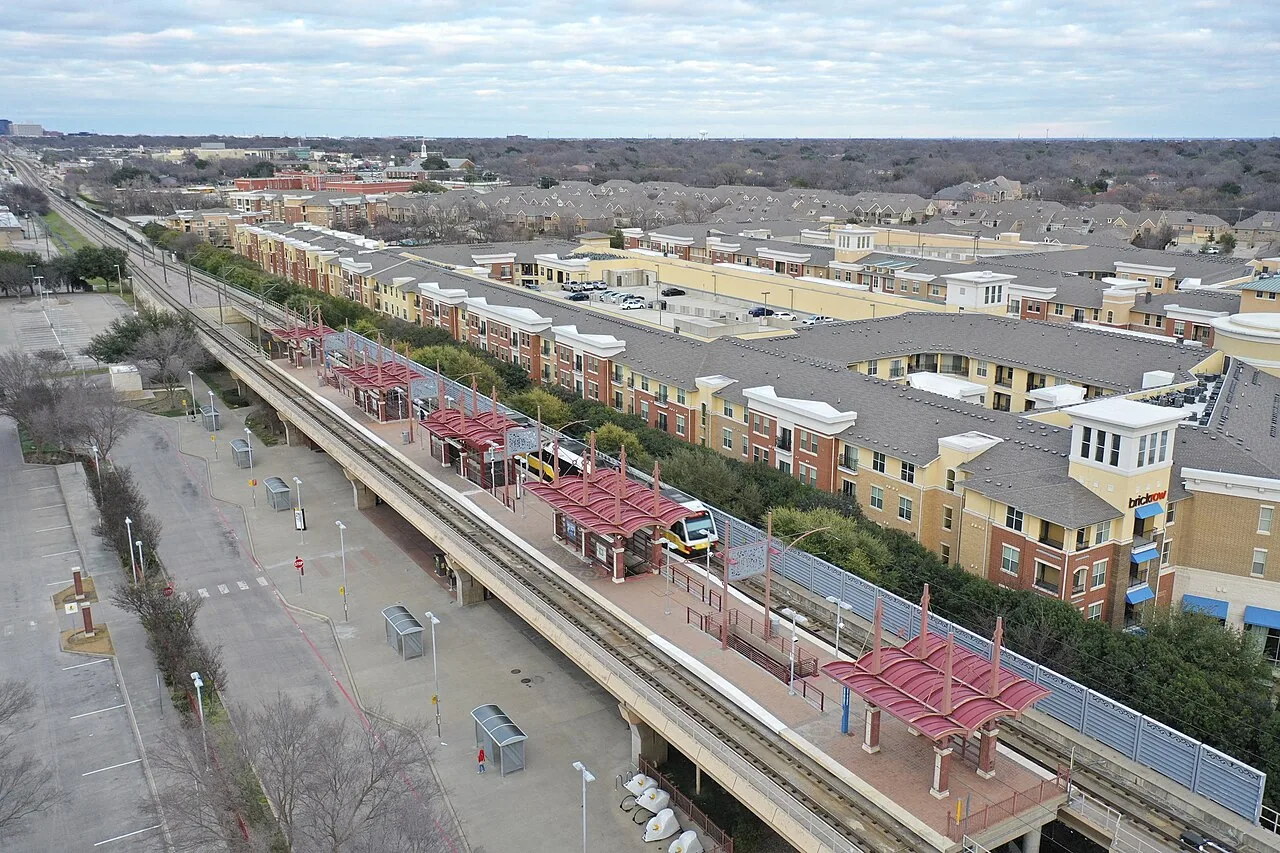
Roof repairs near Spring Valley Station need a schedule that respects residential access and ground-floor business activity. DART identifies Spring Valley as one of Richardson's four light-rail stations. Brick Row apartments and ground-floor retail sit next to the station, whose surroundings are described as transit-oriented with more development planned nearby. We inspect each building and plan the work around its actual access, occupancy and roof condition.
Request a Roof Assessment
All fields are required.
Commercial Roofing in Spring Valley Station Area, Richardson, TX
Line Up the Roof Work With Occupancy
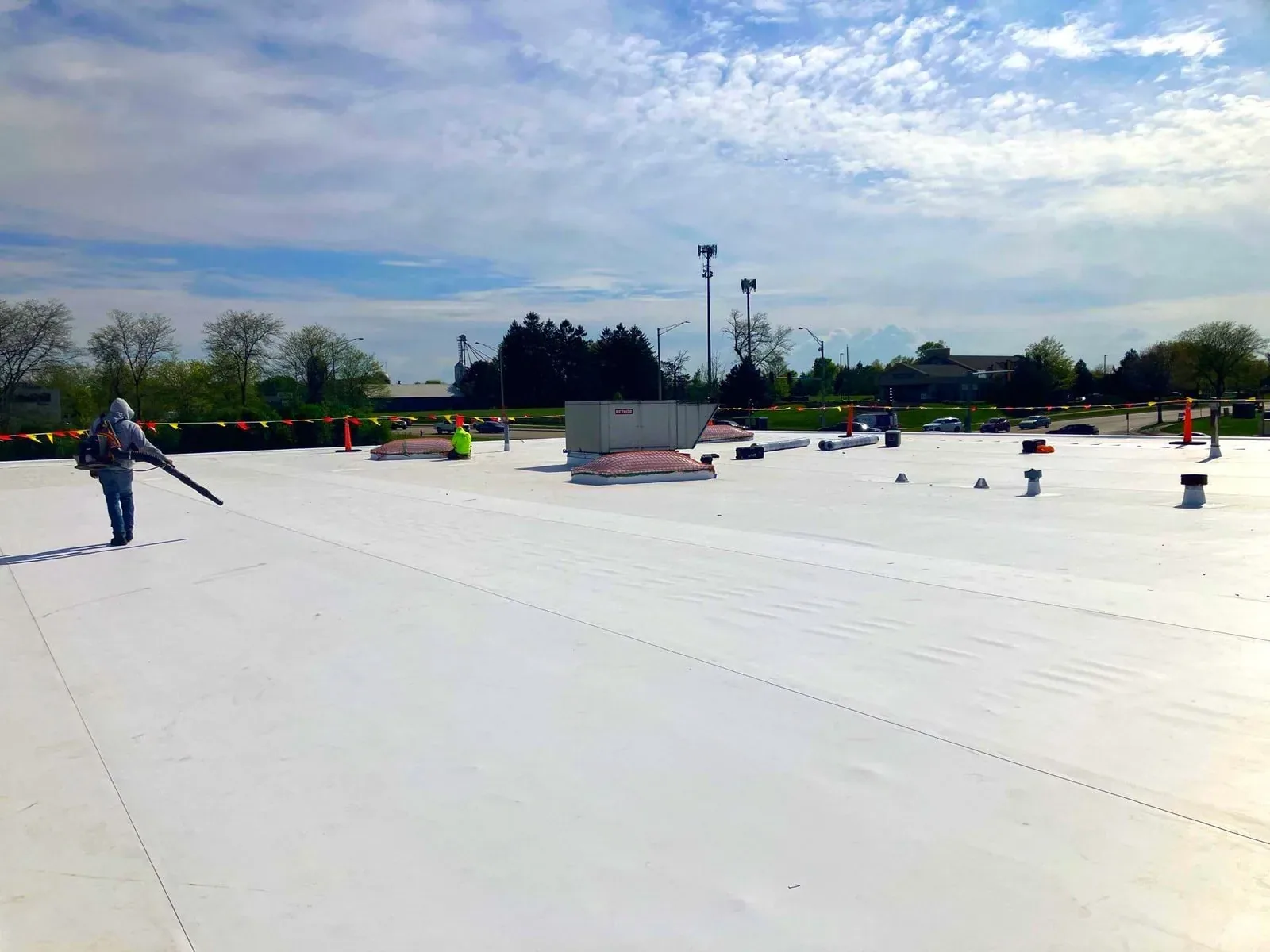
Plan Work Around Residents and Retail
A mixed-use setting can place retail entries below occupied units, but every property has its own layout and rules. We confirm which doors remain open, how residents and deliveries move, where a lift can stage and what interior areas need protection. If roof work creates noise or vibration, the schedule identifies the affected time period. Those constraints should be explicit before ownership compares bids or gives tenants notice.
The inspection records membrane or panel, seams, edges, drains, curbs, flashing and previous repairs. A commercial roof inspection ties each observation to a roof zone and work choice. A photo condition report can support management's communication with residents or retail tenants, while keeping each building's findings separate from neighboring station-area properties.
Future development is planned nearby, but a future project does not establish when or how the current roof will change. We assess the existing assembly and note any planned access or equipment change that the owner has actually authorized. If new construction may affect drainage or a roof edge, we coordinate against the current plan set rather than treating a transit-oriented label as a building detail.
Trace Water Before Opening a Roof
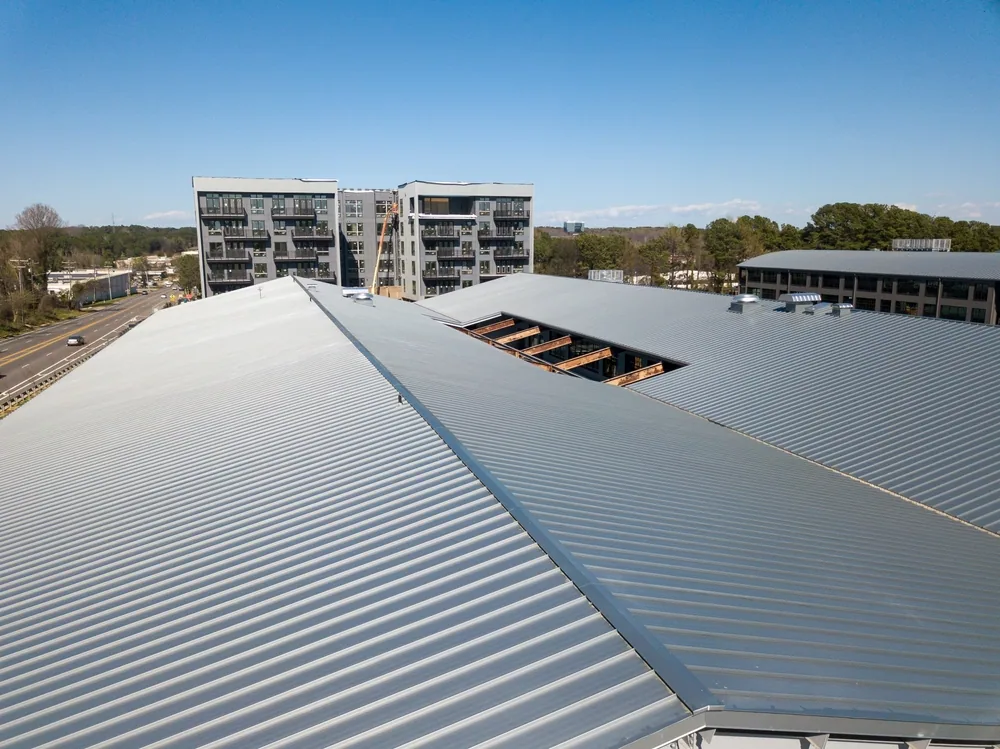
A unit report gives us a starting room, time and direction of travel. We inspect nearby seams, walls, drains and penetrations to determine whether the membrane or flashing is the likely entry point. Water may move beneath the surface before it reaches a ceiling, so the visible interior mark does not establish the repair boundary. If an active leak needs quick protection, emergency roof service can stabilize the area after safe access is confirmed.
Permanent work identifies the defective detail, material compatibility, preparation and tie-in. A commercial leak repair can be priced for a localized condition when adjacent material is serviceable. If moisture testing reveals a larger wet area, we show the added zone and let ownership approve that work separately. Residents and tenants should know which areas may be affected while the roof is open.
When several sections show recurring failure, a repair-only approach may leave near-term costs unresolved. We compare the bounded repair with replacement or recovery if the assembly supports those options. Each estimate identifies the roof areas covered, daily close-in and conditions not included. This is especially helpful when a property is occupied and changes to access can affect residents as much as roof duration.
Make the Repair and Capital Choices Visible
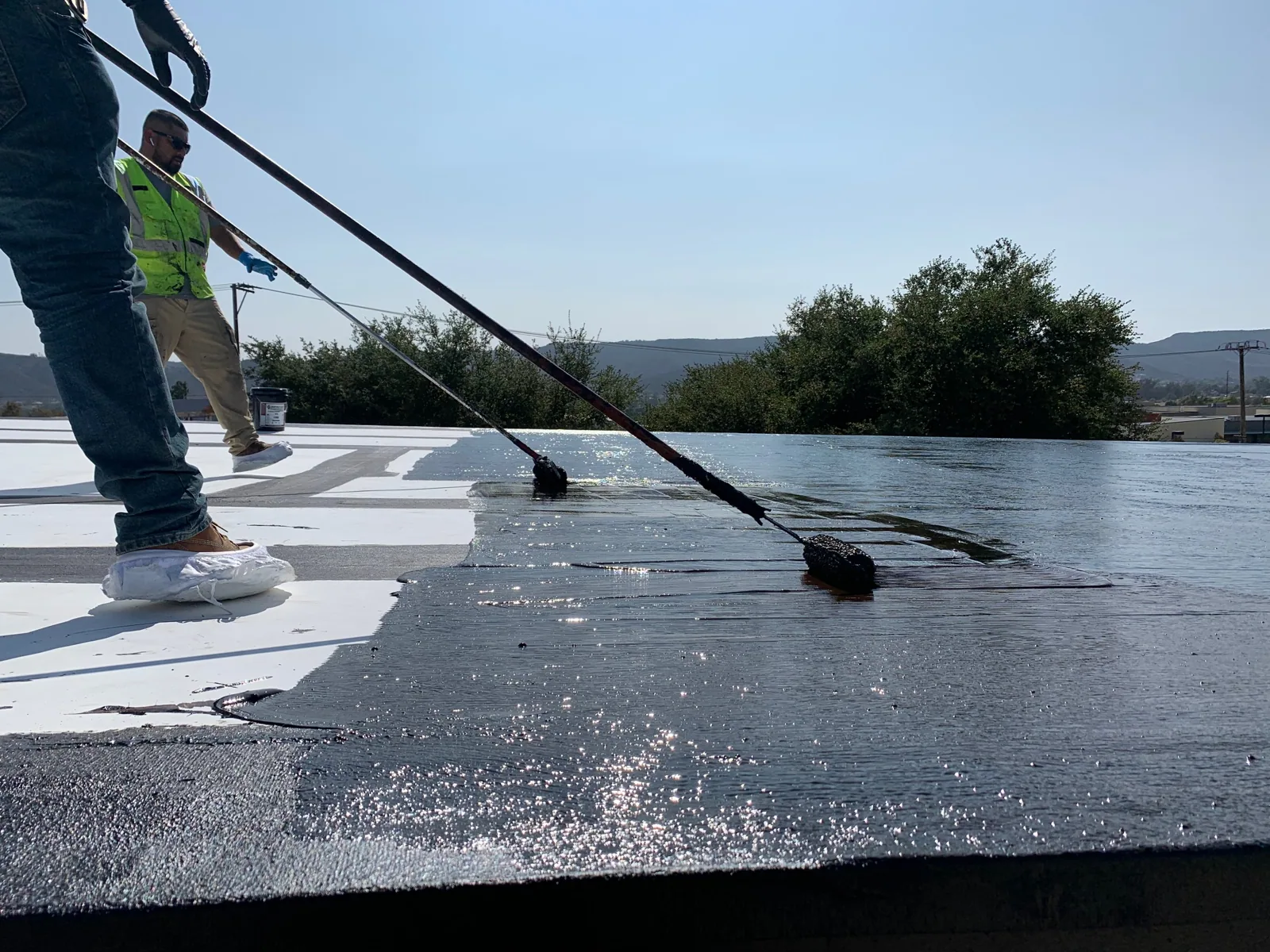
A recover requires acceptable existing layers, attachment, deck, moisture and drainage. We check those conditions before listing a recover option. If an additional roof layer creates a height or drainage problem, we explain why it does not fit and price the supported alternatives. Replacement scope separates tear-off, disposal, insulation, cover board, flashing, edge metal and equipment resets.
Richardson's adopted code editions for building, existing structures and energy conservation date to 2021 and include local amendments. Permit needs depend on the work and any structural or equipment change. We confirm them before the roof is opened. If a new tenant fit-out will create curbs or conduit, the proposal identifies roofing work and the trade responsibility at each penetration.
For an owner setting annual funds, roof capital planning can place urgent repair beside a later replacement window. We keep the assumptions explicit: what is visible, what has been tested, what remains and when a new inspection is needed. That creates a budget decision without assuming that all roofs around the station need the same work.
Set a Daily Watertight Boundary
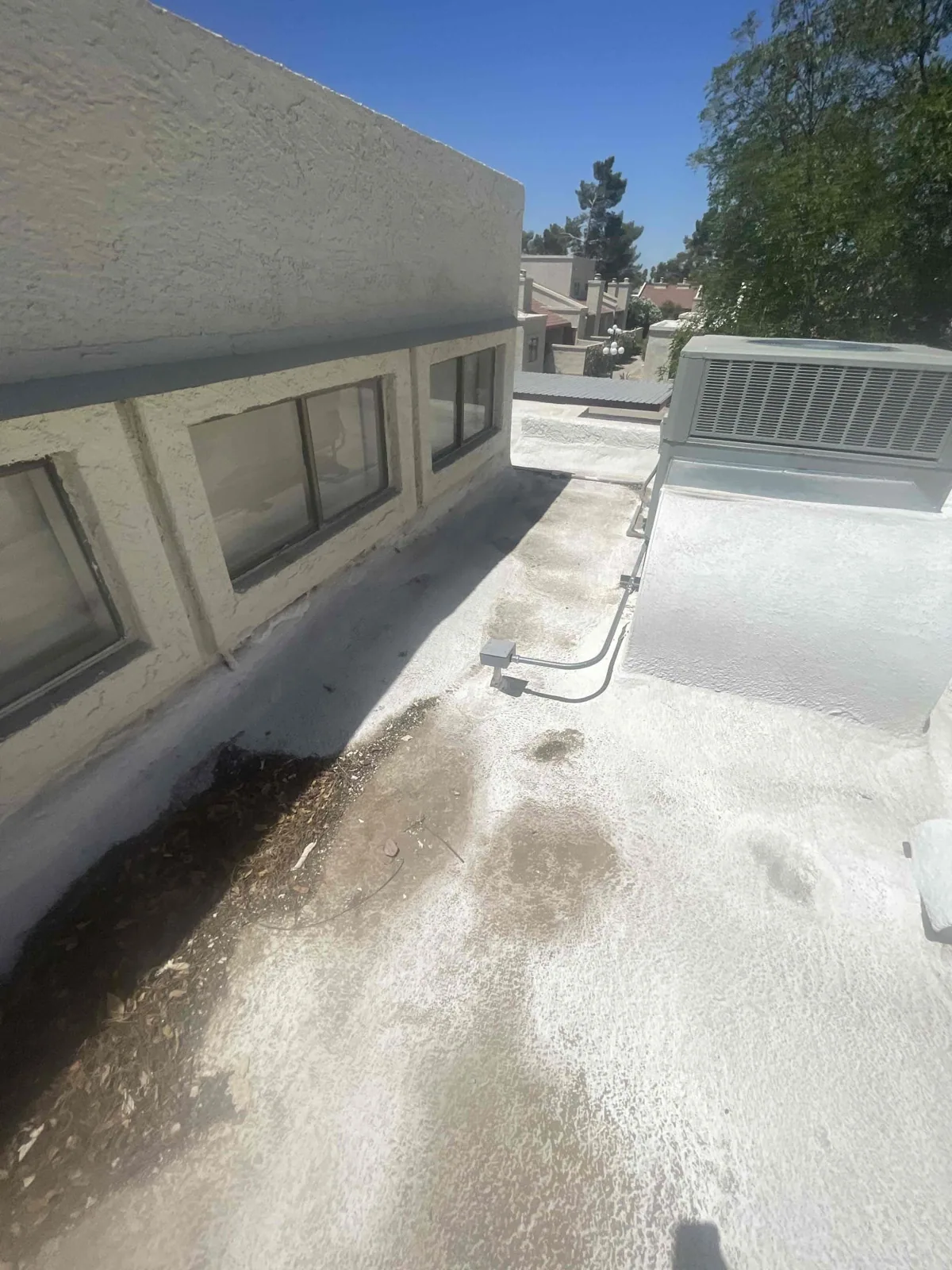
Richardson's July and August average highs reach about 96 degrees. Heat affects worker hours, membrane preparation and the duration of open-roof work. Spring is the DFW region's peak time for severe weather. We identify which roof section can be secured in a shift and how interior areas below will be protected if a forecast change delays the crew.
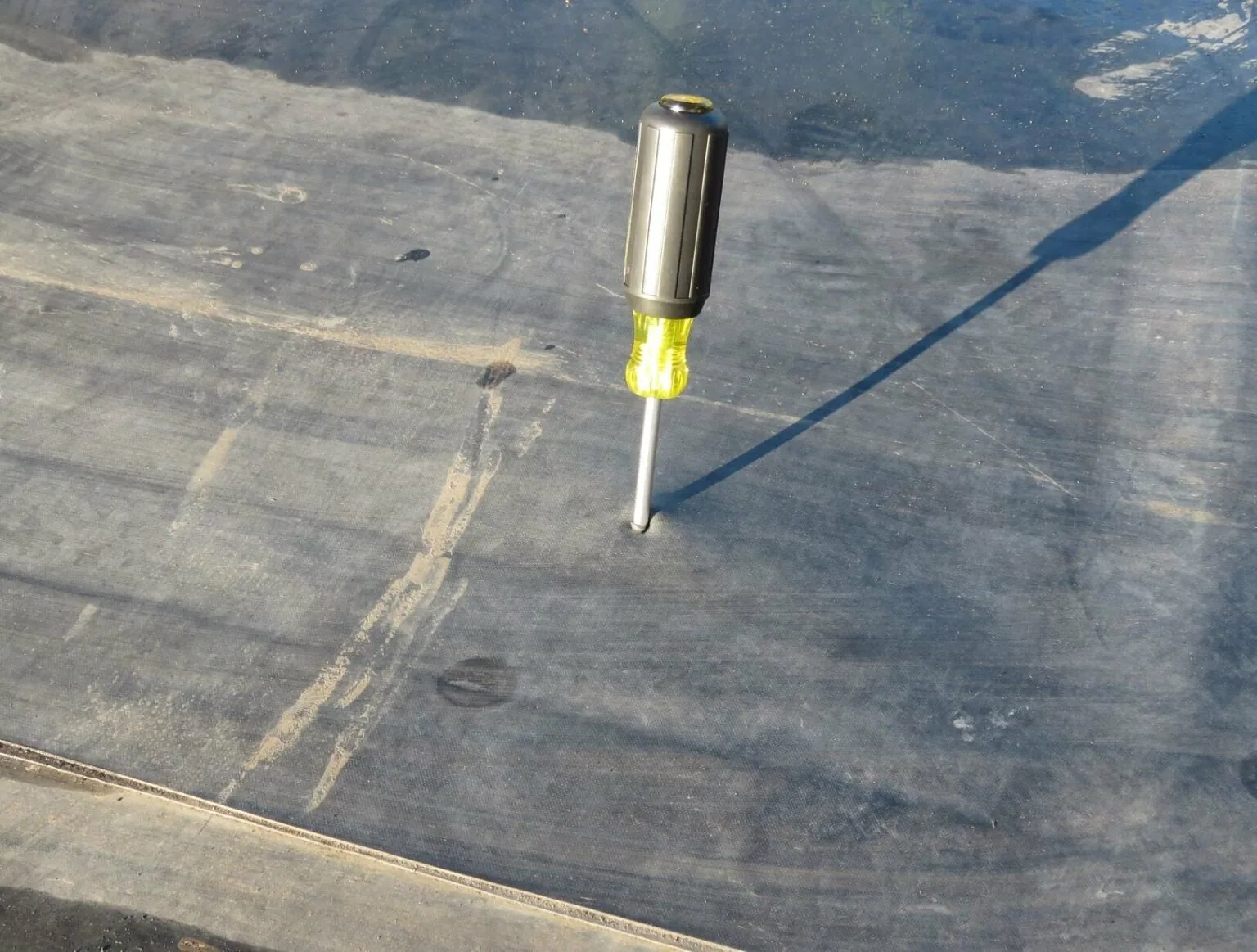
A regional weather report does not establish storm damage at a Spring Valley property. We inspect the specific assembly, record the visit date, and photograph visible punctures, displacement or open seams. A storm roof inspection separates those observed conditions from cause and timing questions that the roof cannot answer on its own.
Water management around a mixed-use building also depends on working drains and overflow paths. We inspect the outlet, scupper, flashing and surrounding membrane rather than price a drain repair from an interior stain. If a defect is confirmed, drainage repair identifies the component and the tie-in material. The close-in plan protects the outlet and the roof section during work.
Coordinate With Other Richardson Station Areas
Galatyn Park also has a DART station and transit-oriented development, including apartment development near its station plaza. CityLine/Bush serves a mixed-use employment district with office, medical, retail and residential uses. A Galatyn Park roof inspection or CityLine roof review should use its own property contact, access limits and roof findings, even if the same manager coordinates all three areas.
After work, closeout shows the repaired zones, installed material, dated photos and any area left outside the scope. It also identifies who approved a concealed-condition change and which tenant or building contact received the update. If future development changes an adjacent roof tie-in, the next project team has a record of the current boundary.
Send the property, resident or business schedule, current water reports and decision date. We will inspect the assembly and return a scope that separates urgent stabilization from longer-term repair or replacement. The schedule will name access, protection and close-in assumptions so management can plan notices and budgets.
Work near ground-floor retail may need a delivery pause or a path for customers to remain clear while equipment is lifted. For apartments, notices and resident routes can set the hours that are practical. We write those arrangements beside the roofing sequence, then confirm them before mobilization. If the restriction changes, the owner can see which shift or phase needs to move.
Related Roofing Work
Commercial Roof Inspection
Commercial Roof Condition Reports
Emergency Commercial Roof Repair
Commercial Roof Leak Repair
Questions About Spring Valley Station Area
Can you replace a roof while apartments and retail remain open?
We plan phases, staging, resident routes, deliveries, interior protection and daily close-in with the property manager. A temporary access change or restricted work period is identified before scheduling.
Does the Spring Valley Station area plan mean a roof project is already approved?
No. Planned development describes the surrounding area, not an authorized roof scope at a specific property. We inspect the current building and use owner-provided project details for any future work.
How do you decide whether an interior stain requires a roof opening?
We trace the likely water path from the reported room to roof details, then decide whether moisture testing or a small opening would change the repair. The owner approves the test location and purpose first.
What should a resident-facing work notice include?
It should state dates, affected entrances or routes, noise periods and any protection needs identified in the work plan. We provide the roofing sequence and close-in timing to help management prepare the notice.
What information belongs in the station-area roof closeout?
Record repaired zones, materials, dated images, testing results and conditions outside the scope. Include any access limit and who owns a later curb or drainage change so the next visit starts with a clear boundary.
Line Up the Roof Work With Occupancy
Send the property, current roof concern, resident and business schedule, and decision date. We will inspect the building and return a clear work sequence and scope.