
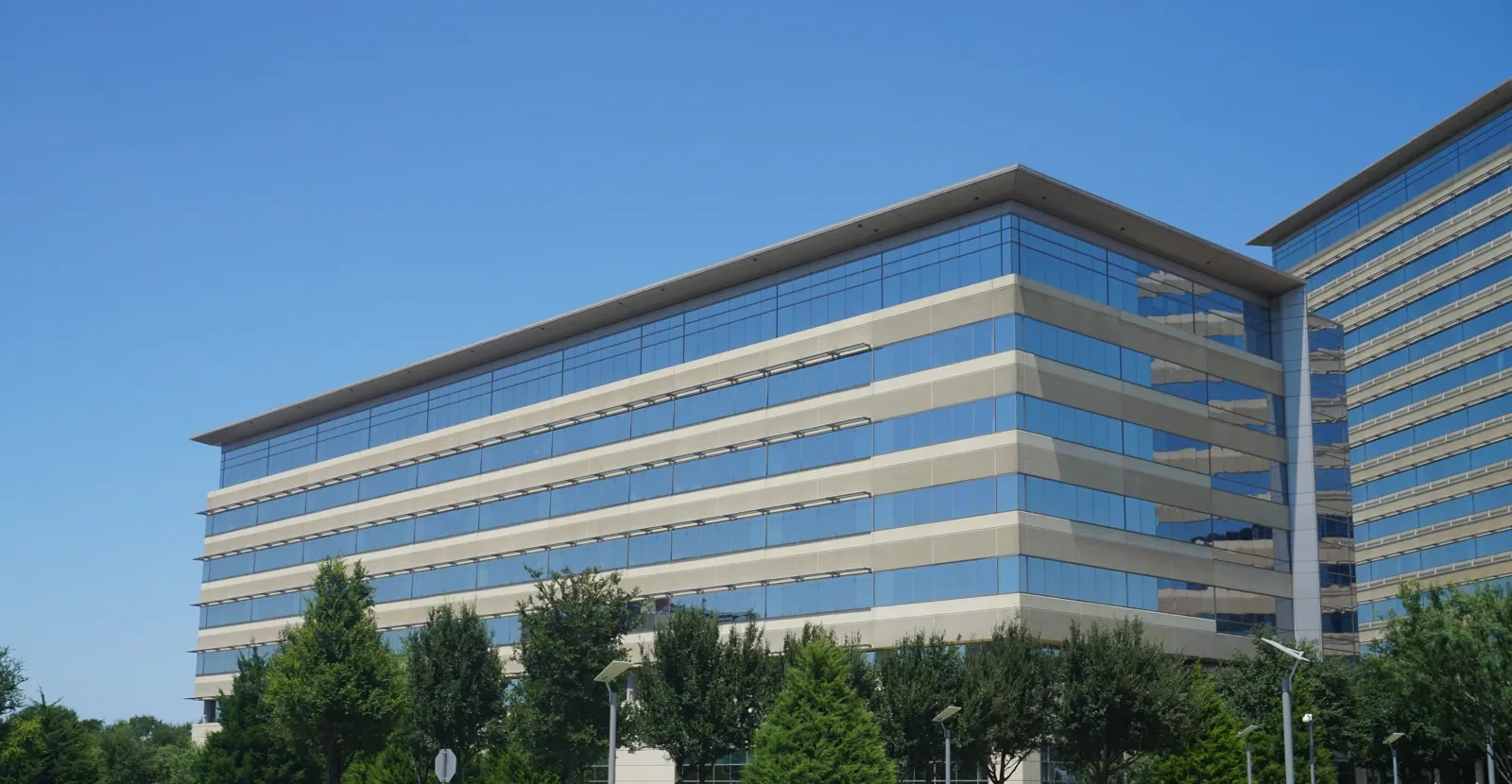
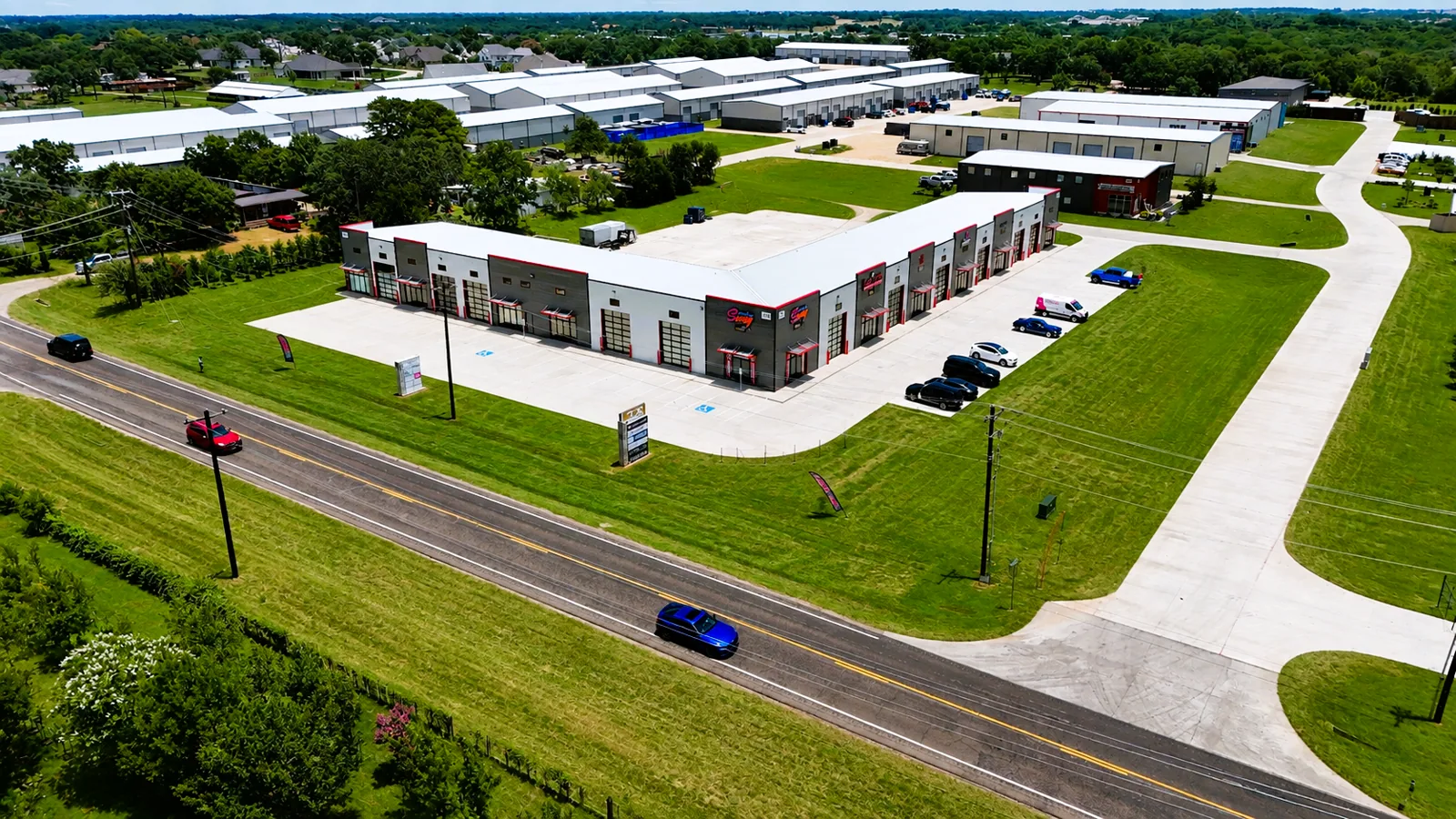
A flex-industrial building can combine office space, light production, storage, and customer-facing uses under one roof. That mix changes the repair window and the interior protection plan from bay to bay. We inspect the assembly and map leaks by tenant or operation before pricing repair, recover, or replacement in Richardson, TX. The proposal should identify the affected units, shared roof details, and the assumptions that change if the building is opened.
Request a Roof Assessment
All fields are required.
Flex Industrial Roofing in Richardson, TX
Scope the Roof by Tenant and Building Zone
Map Roof Conditions by Tenant and Bay
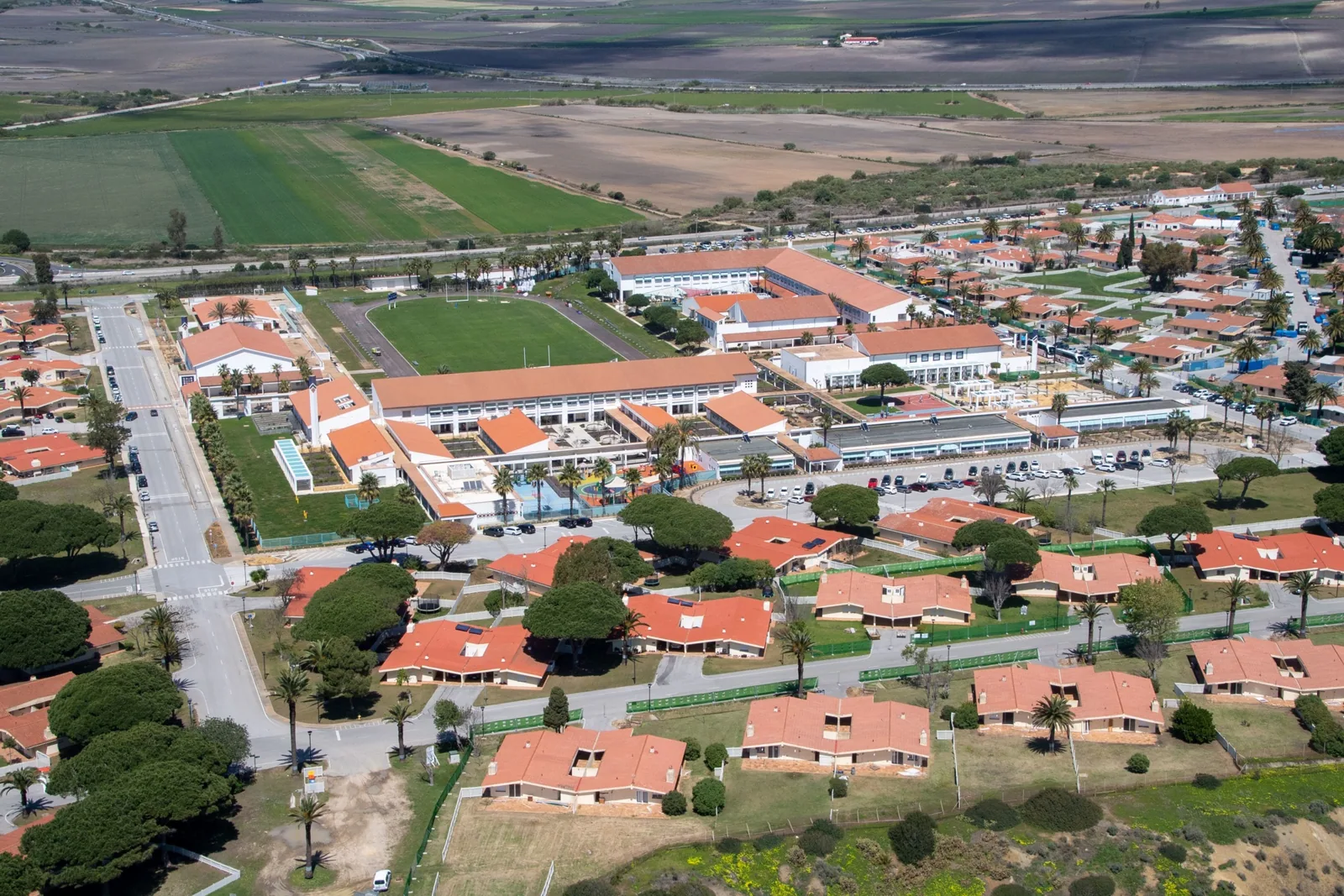
We ask which tenant reported water, what activity takes place below, and whether equipment or inventory sits under the suspected entry point. Then we compare those details with roof seams, drains, curbs, walls, and earlier repairs. The building may have different interior ceilings, process areas, and mechanical systems across a single roof. A zone map helps property management protect the right space and avoids assuming every tenant faces the same risk.
We coordinate access notices, deliveries, customer routes, and any equipment that cannot be moved. The work plan should name who meets the crew and how unit access will be approved. A roof inspection can document the system and locate priority repairs. If an active leak threatens equipment, an emergency visit can stabilize the area while a permanent correction is prepared. Staff should know which routes stay open if materials or debris containers use a shared loading area.
Inspect Rooftop Systems Across the Building
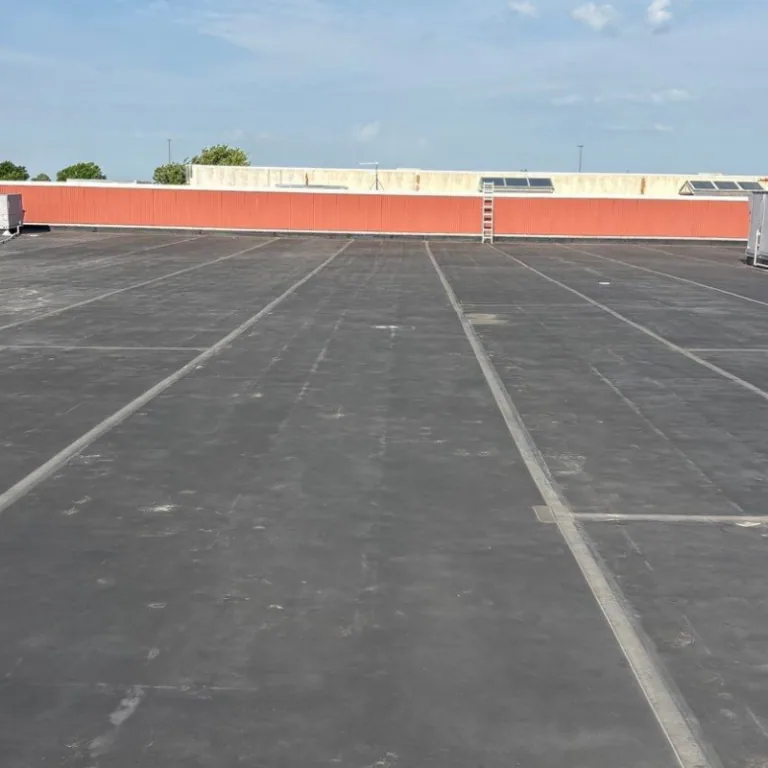
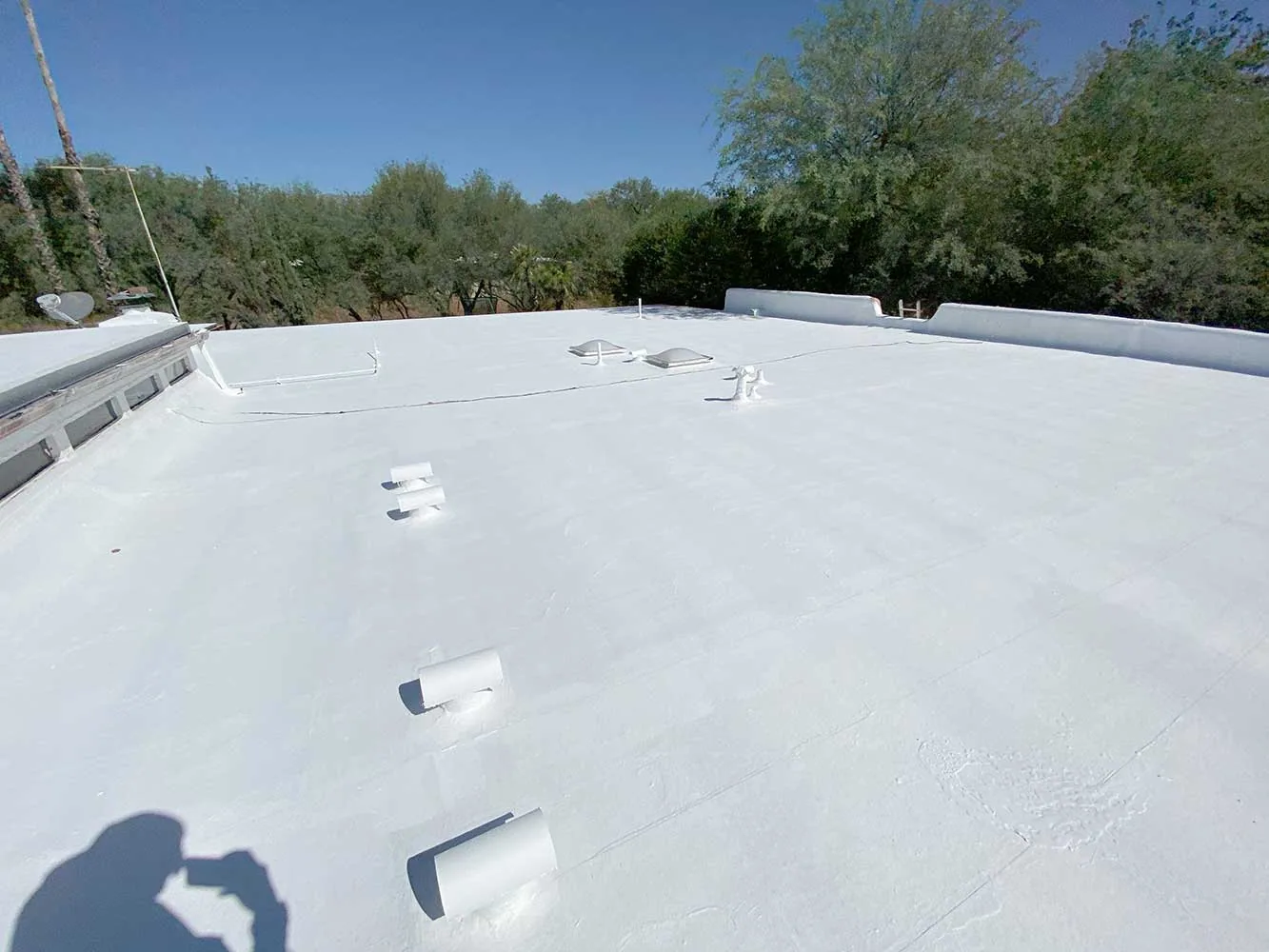
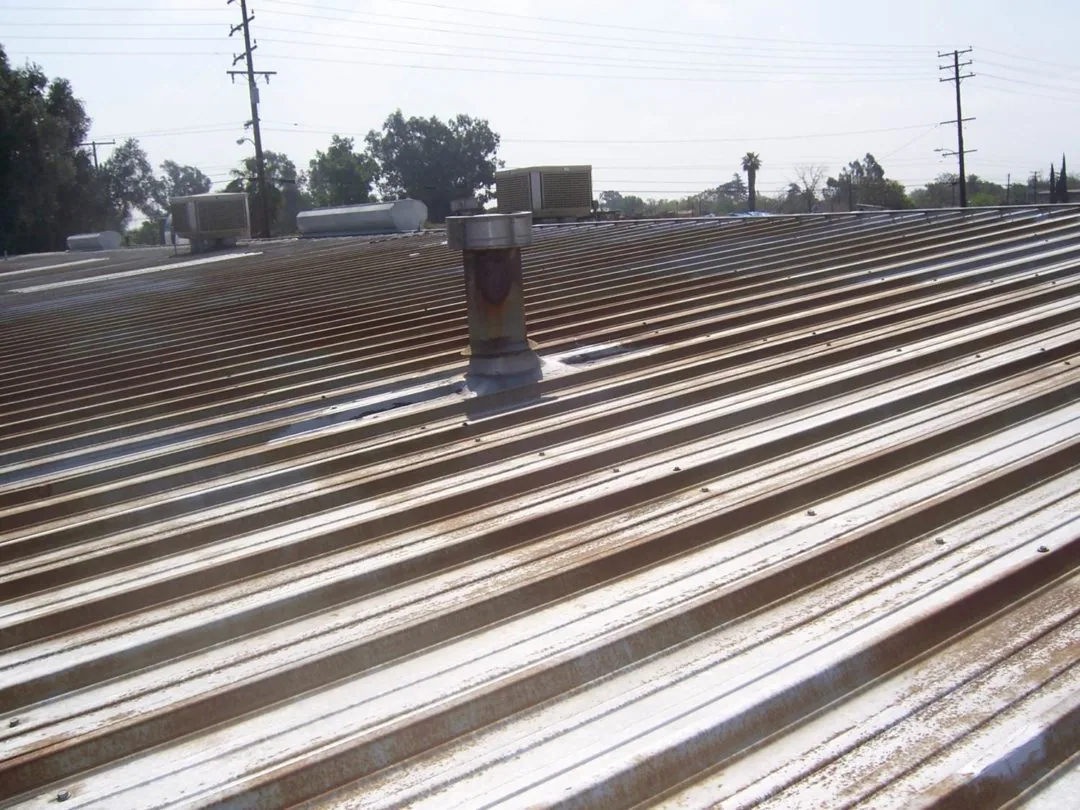
Flex buildings may have rooftop units, exhaust fans, communications equipment, skylights, and process vents that differ by tenant. We inspect the curb, flashing, support, and membrane around each opening. A new tenant may add equipment or abandon a penetration, leaving details that need to be rebuilt. The roofing proposal should account for tenant changes that are already approved and identify what remains outside the current scope.
Technicians may cross the roof often to service different units. A marked walkway can protect the membrane and show who is responsible for future penetrations. A curb and support review can coordinate roof details with equipment replacement. We also check whether rooftop additions obstruct drains or create new low areas. A drainage scope can correct flow where water tracks around a unit or along a shared wall.
Connect Local Industrial Growth to Roof Planning
Richardson Innovation Quarter includes manufacturers, technology startups, research, education, nonprofits, and restaurants. Wylie’s business parks support light industrial, retail, restaurant, and office uses, with reported construction across multiple parks. These nearby facts reflect the range of commercial property activity in the region. They do not determine any tenant's roof or operating plan.
A flex building in the Wylie business-park area still needs a site review of gate access, dock use, and tenant timing. Compare warehouse roofing with manufacturing roof work when loading, equipment, or process conditions differ. We confirm whether the property has separate office and production zones before choosing a repair sequence. The roof scope should follow the actual building and lease boundaries.
Check Water Movement Before Adding a Roof Layer
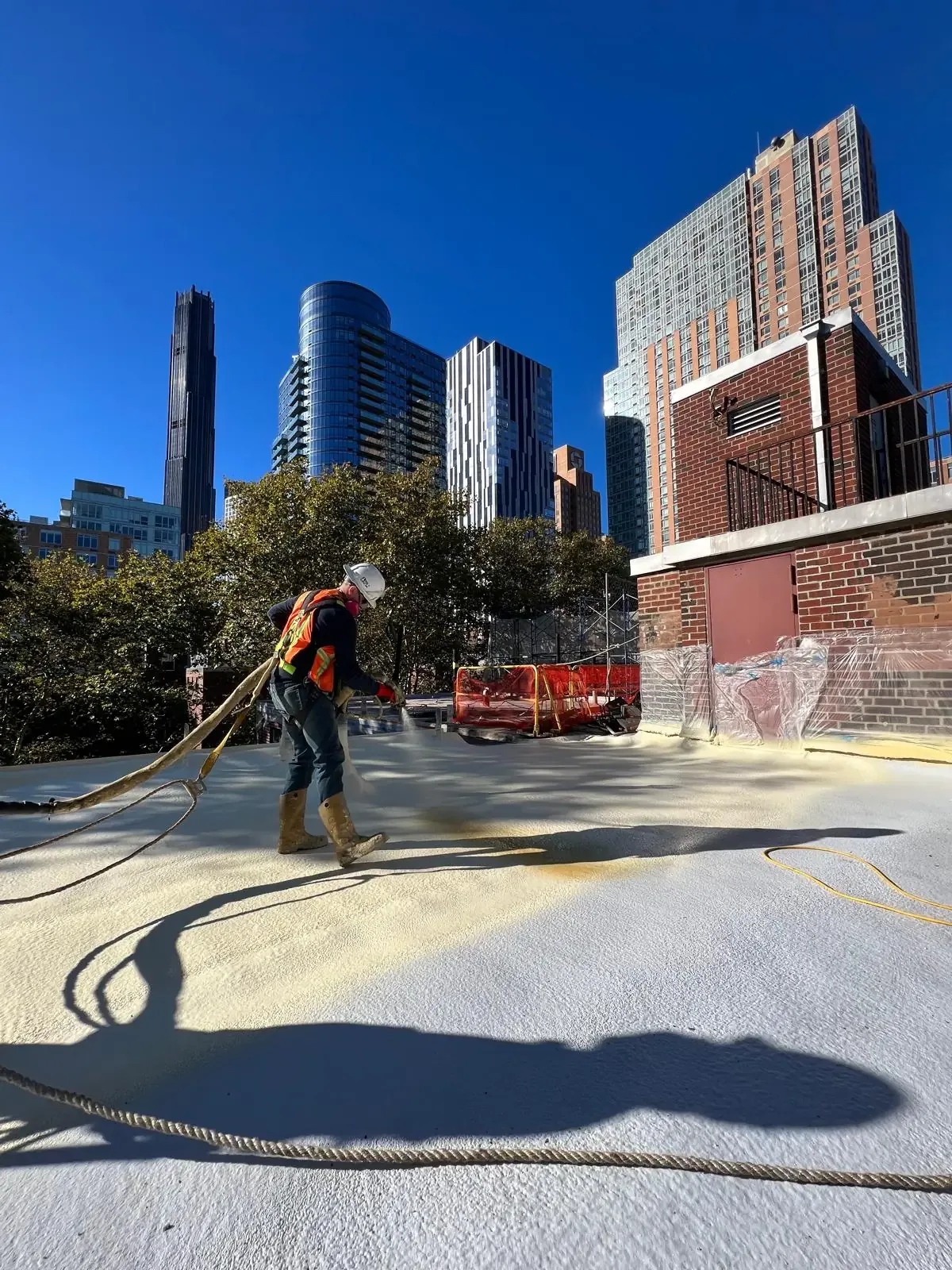
Shared drains, parapets, and wall transitions can affect several flex units at once. We inspect scuppers, primary outlets, overflow paths, roof slopes, gutters, and flashing where buildings connect. A new recover layer may change elevations around door canopies, curbs, and tenant improvements. The design should direct water clear of wall assemblies and keep service access available. Richardson's spring weather brings the area's strongest thunderstorm activity; summer heat puts exposed transitions through long cycles. We check the actual property after a reported event for movement, punctures, open seams, and water entry. The October 2019 tornado track near Audelia and Buckingham roads is local preparedness context only. Repair quantities come from the flex building's inspection, not the event record.
Keep Work Boundaries Clear for Each Occupant
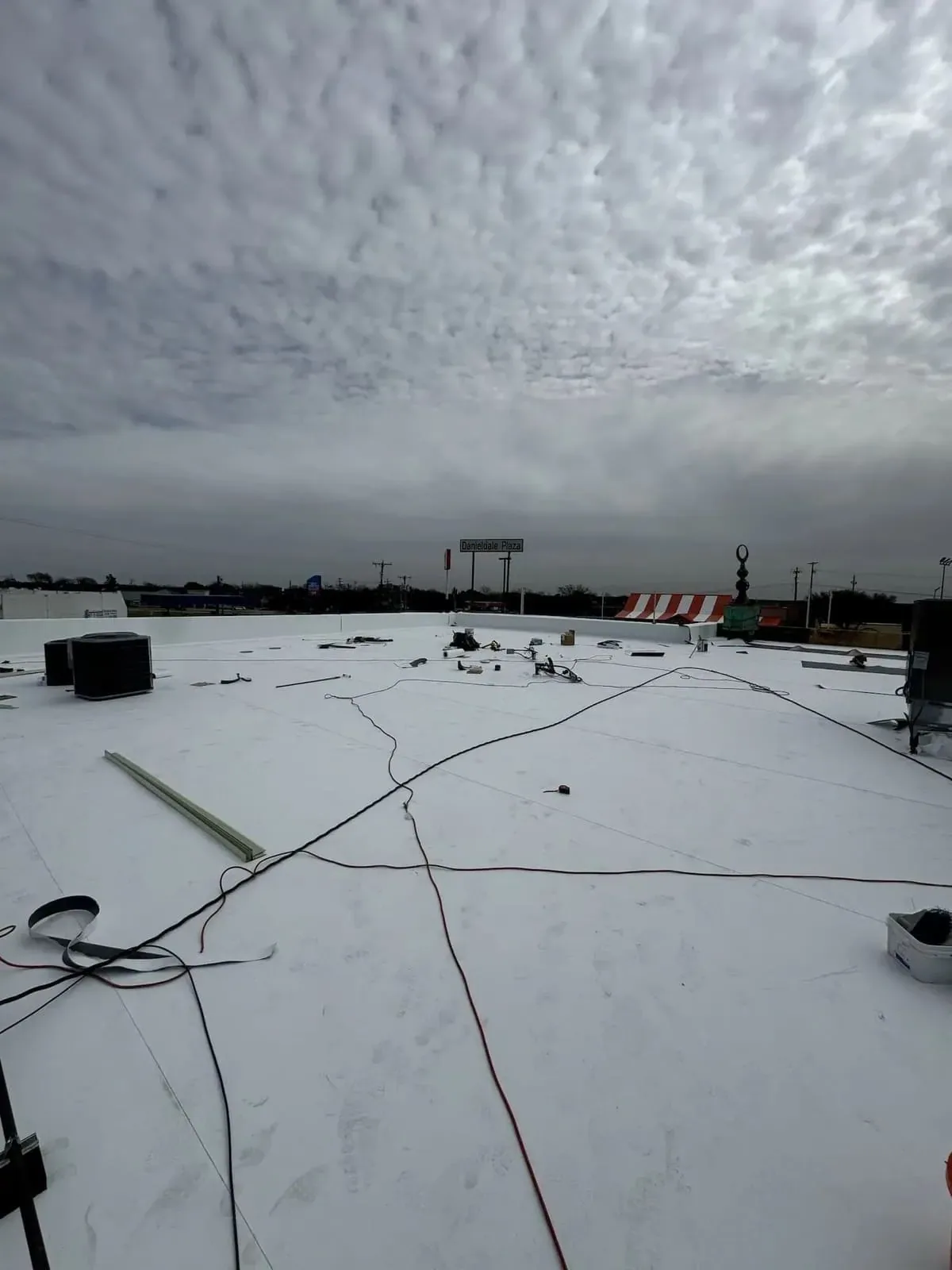
A contractor may need access to one tenant suite while neighboring businesses remain open. We identify work zones, service routes, noise, odors, and interior protection before scheduling. If the roof needs to be opened above a production area, the tenant and owner should agree on the close-in time and what happens if work reveals wet insulation. That approval route belongs in the estimate.
Richardson is connected to employment and commercial districts by US 75, President George Bush Turnpike, Plano Road, Renner Road, and Campbell Road. Those routes can affect deliveries, but the property walk establishes the correct gate, staging area, and tenant access. We coordinate lift placement with loading and customer traffic. If work has to pause, the temporary cover should protect the open section and the daily report should identify which bay is affected.
Compare a Tenant-Specific Repair with Full Replacement
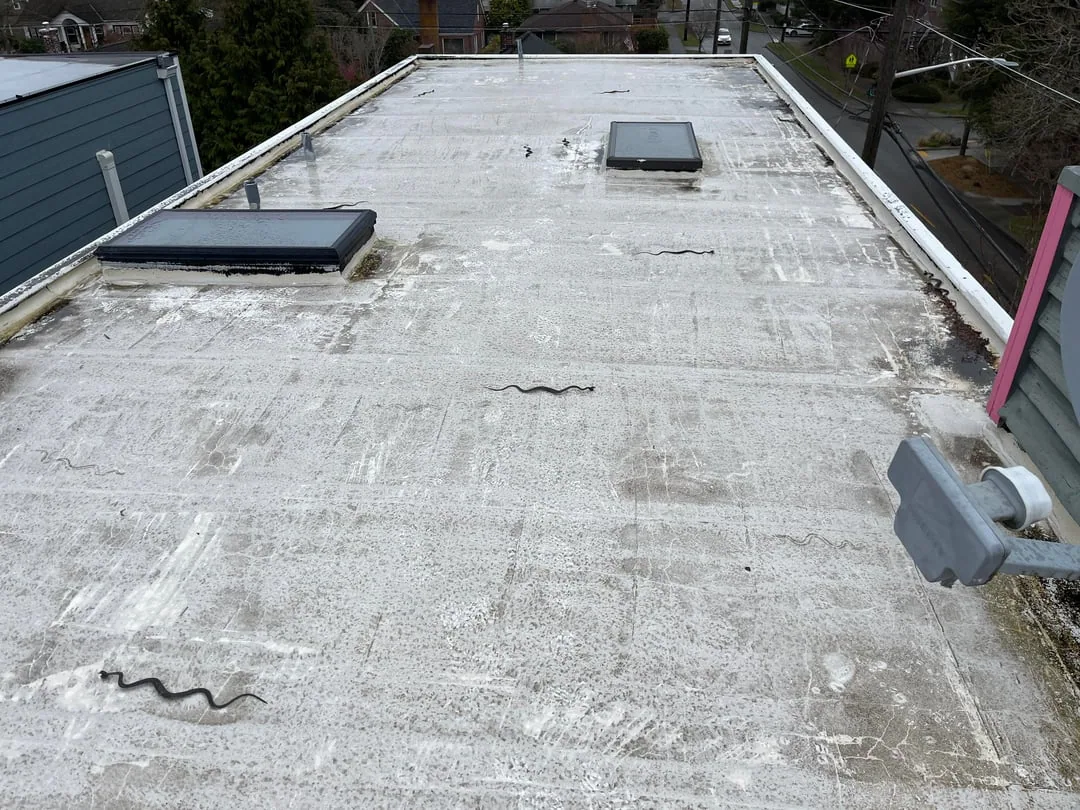
A repair may be enough for one failed curb, seam, or edge when the adjacent assembly is dry and attached. Recover is a possibility when existing layers remain sound and new height works at drains and tenant doors. Replacement becomes more likely if leaks recur across units or moisture extends through several sections. We document the observations by building zone so the owner can decide whether to fund repair now or schedule a larger project. For Richardson permits, the city reviews the scope against its locally amended code set. We check which approvals the selected repair or reroof requires before mobilization. A recover review can confirm whether another layer is viable; replacement planning can phase work around tenant operations. Include insulation, cover board, edge metal, equipment transitions, demolition, and closeout rather than comparing only membrane price.
When units share a roof, assign each repair to a bay, elevation, or tenant suite. That lets the owner compare repeated callouts with the price of correcting a longer run of membrane or flashing. It also keeps access notices specific to the people affected by the work.
Keep Building and Tenant Roof Records Linked
Keep a property roof map with tenant boundaries, drains, equipment, repairs, and leak dates. Add notes when a tenant installs or removes rooftop equipment. A future manager can compare a new report against previous work and avoid repeating a failed repair detail. Photos should identify the roof zone, while tenant records should note which operations were interrupted or protected.
At Richardson Innovation Quarter, manufacturers work alongside research, education, and technology organizations. Wylie business parks include industrial, office, and retail uses. These districts illustrate the varied tenant profile of the market. A flex building still needs a condition record specific to its own bays. A maintenance visit can check drains, seams, roof edges, and service routes before a small defect reaches a tenant suite. That history can support a phased capital plan when multiple buildings are involved.
Related Roofing Work
Commercial Roof Inspection
Emergency Commercial Roof Repair
Rooftop Equipment Curb and Support Roofing
Commercial Roof Drain and Scupper Service
Questions About Flex Industrial Roofing
How do you handle roof repairs in a multi-tenant flex building?
We map the leak and work zone by tenant, coordinate access with management, and protect occupied areas before opening the roof. The scope identifies which bays are included and how additional moisture receives approval.
Can a tenant's new equipment affect the roof warranty or repair?
It can affect the membrane and detail. We identify the existing system and coordinate curb, flashing, and support work with equipment changes so new penetrations are included in the roof plan.
What should be checked before recovering a flex-industrial roof?
Confirm moisture, attachment, existing layers, drainage, curb height, door transitions, and tenant access. We inspect each roof section before assuming one recover price fits the full building.
Can repairs be phased around production and office hours?
Yes, when the roof can be separated into secure zones. We coordinate noisy work, deliveries, interior protection, and close-in timing with the tenants affected by each phase.
What belongs in a flex-building reroof proposal?
Include tenant zones, system, drainage, equipment changes, access, staging, protection, phasing, demolition, and concealed-condition procedures. The proposal should make each unit's work boundary clear.
Scope the Roof by Tenant and Building Zone
Share the tenant map, equipment changes, leak reports, access rules, and budget window. We will inspect the roof and prepare a repair or replacement sequence.