
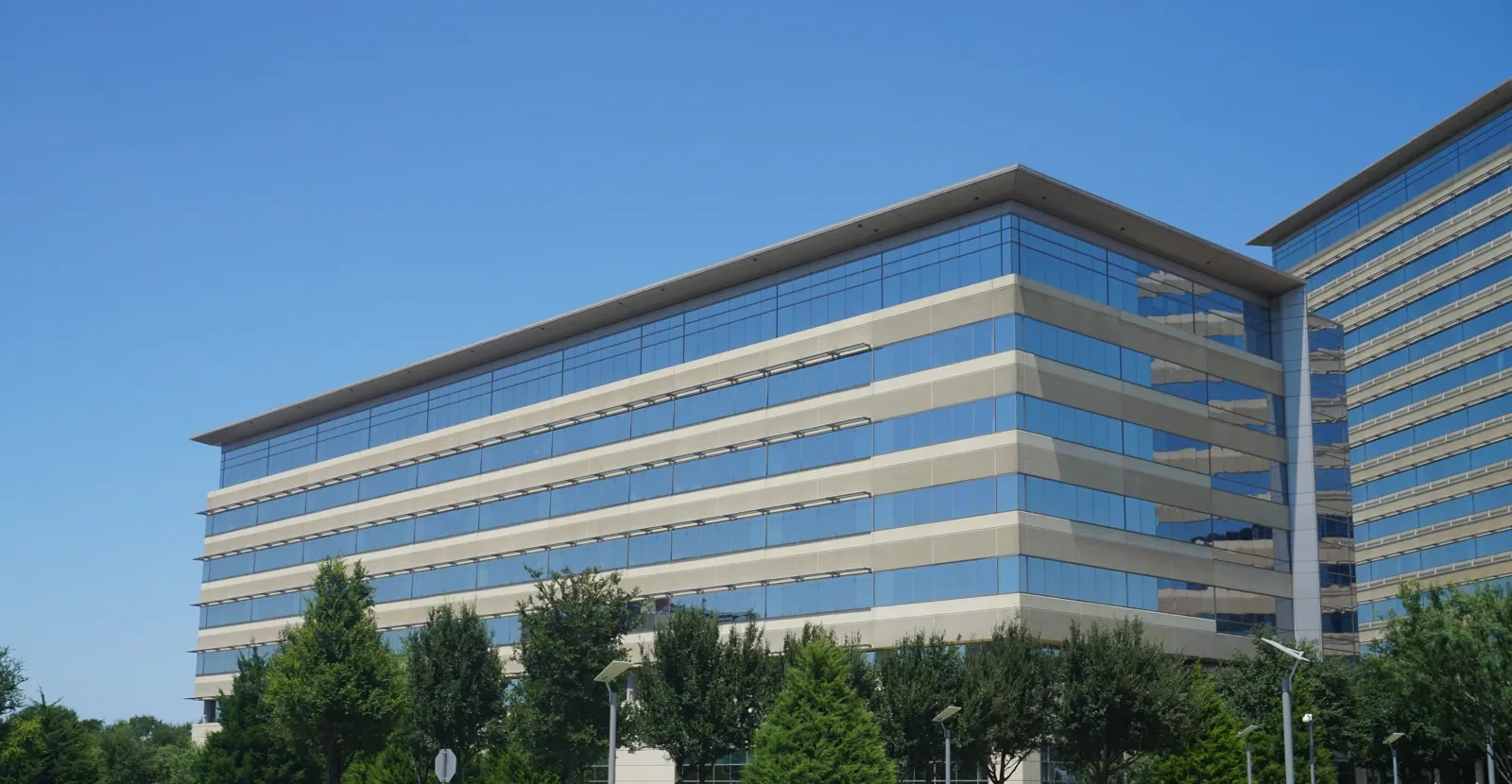
A public roof project has to protect the building and make the approval path clear. Staff need to know what work is urgent, what can wait for a budget cycle, and which public areas will change during construction. We inspect the roof, document the conditions, and price a repair or phased replacement for agencies in Richardson, TX. The proposal identifies scope, assumptions, site access, and the process for approving concealed damage.
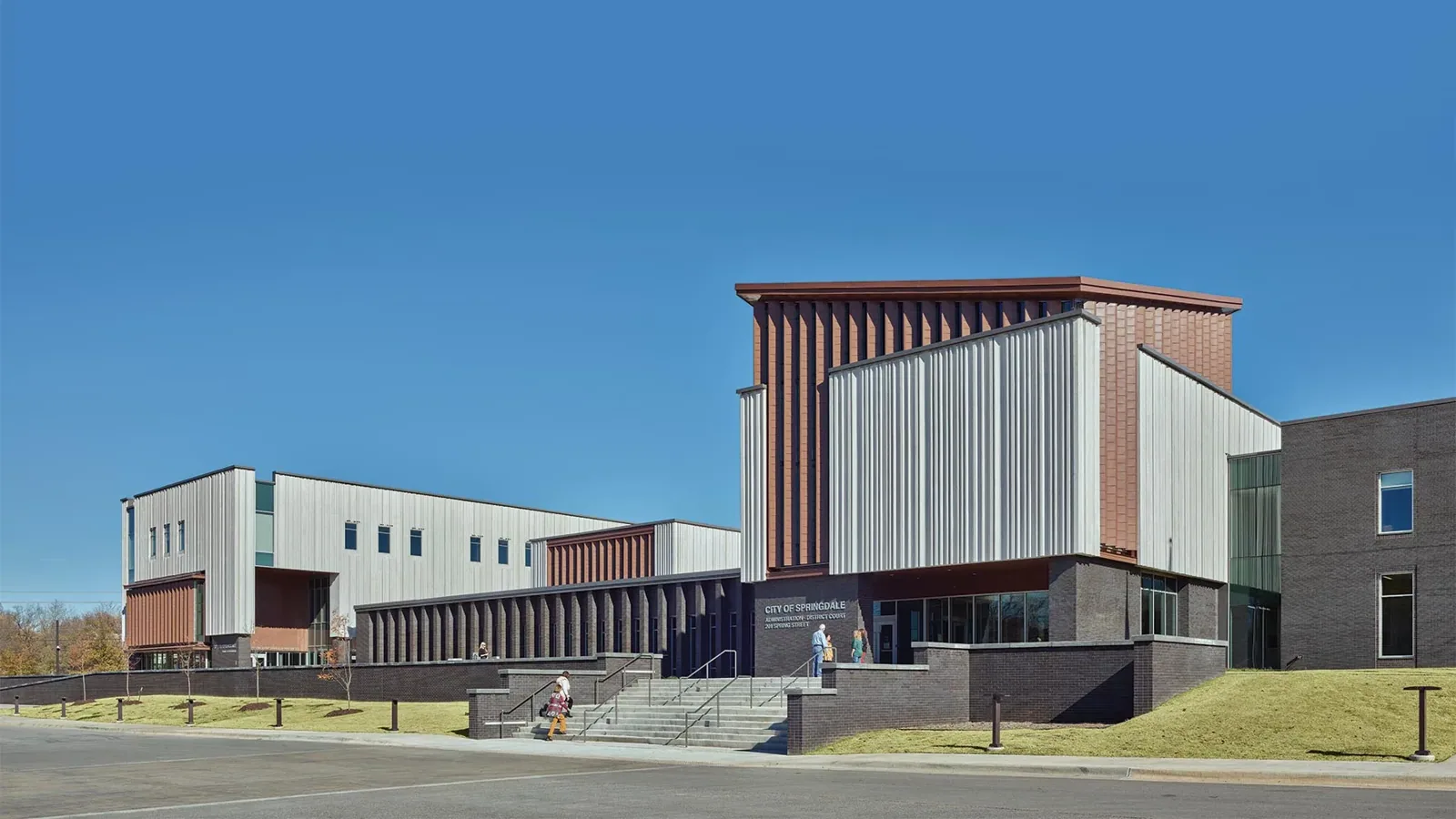
Request a Roof Assessment
All fields are required.
Commercial Roofing for Public Agencies in Richardson, TX
Get a Public Roof Scope Ready for Review
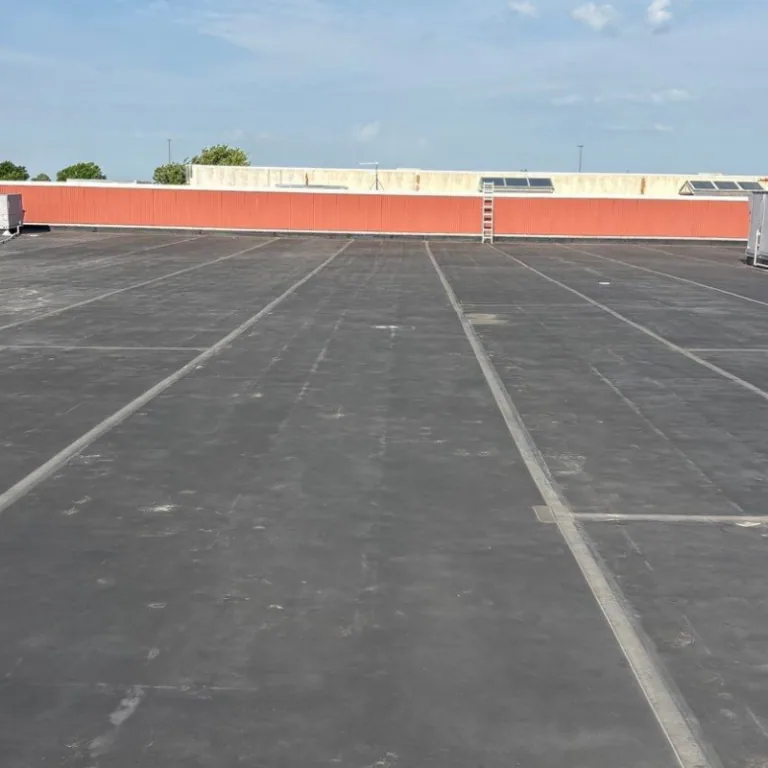
Keep Public Entrances and Services Available
Before mobilization, identify public counters, meeting rooms, accessible routes, emergency exits, records areas, and staff entrances. A lift or material delivery can affect visitors even when the roof work is limited. We coordinate barricades, staging, noise, and daily close-in with the facility contact. If water threatens an active service area, an emergency response can protect the interior while a lasting scope is prepared. The work plan should name who updates staff and who can authorize an extension.
Richardson's civic uses sit among offices, medical facilities, retail, and public spaces. The CORE District Downtown follows Main Street and includes older and newer commercial activity. CityLine includes civic space with offices, medical uses, retail, hotel, and residential activity. A downtown public facility still needs its own visitor route and roof-access review. The district context helps frame questions; it does not establish a particular building's roof type or condition.
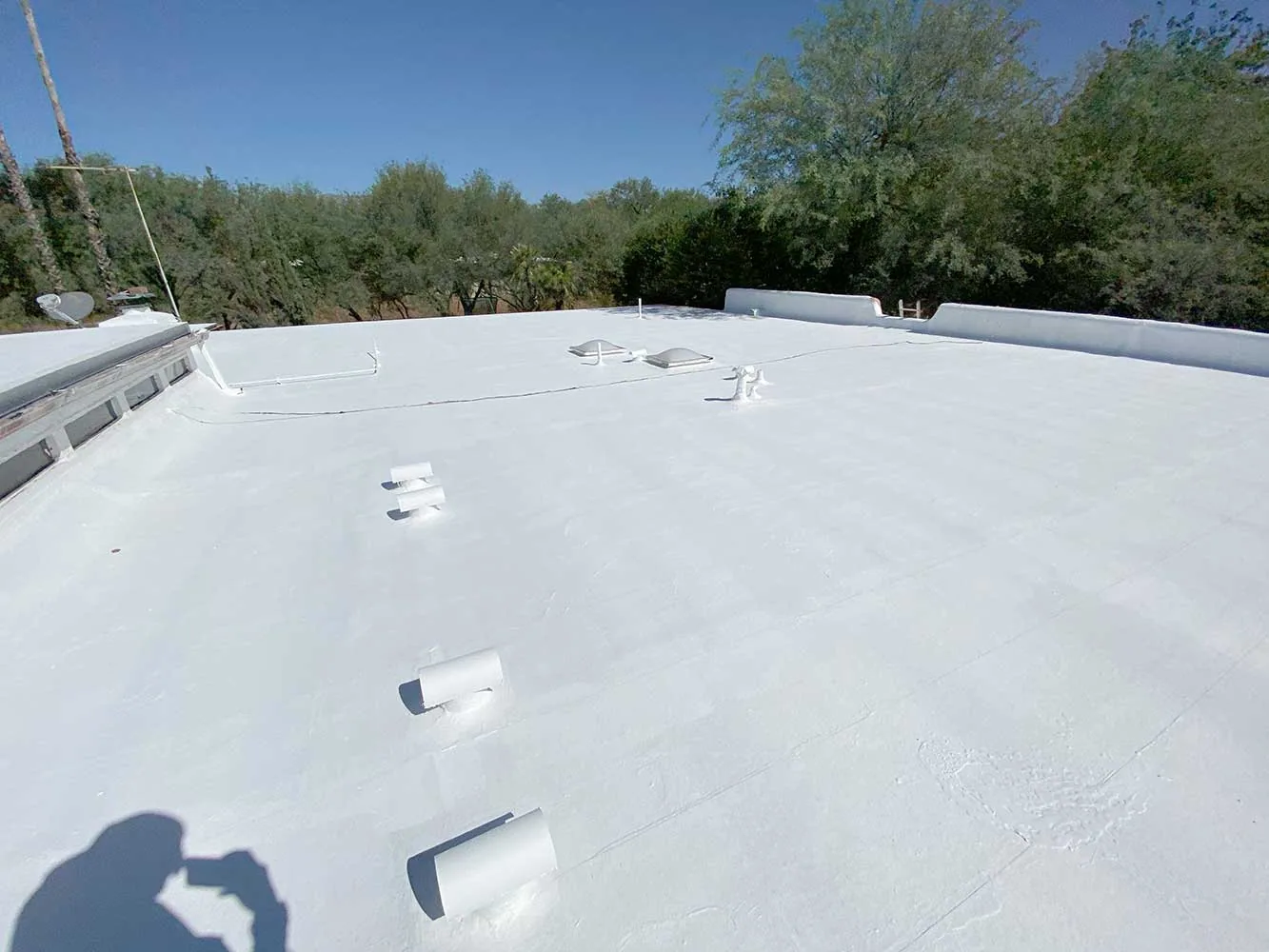
Make Findings Easy to Review
A usable inspection record identifies the roof zone, observed failure, interior impact, photos, recommended action, and any limits on what could be seen. We inspect seams, flashings, drains, edges, penetrations, and previous repairs, then separate confirmed work from areas that need testing. A roof condition report can give facilities, procurement, and finance the same evidence to review. If a test opening is needed, the scope should define where it will occur and how it will be closed that day.
Where several buildings share one funding request, use a separate line for each roof and state which condition drives its priority. A single campus-wide label can hide a small active leak beside a larger deferred replacement. Clear zone labels let procurement compare options without merging unrelated work.
Public-agency files may have retention and approval requirements. We provide a clear closeout record with dated photographs, materials installed, areas repaired, and remaining recommendations. That record makes later maintenance and procurement easier to compare. Keep each building's roof history separate, even when one capital plan covers multiple properties.
Separate Permit Review from Purchasing
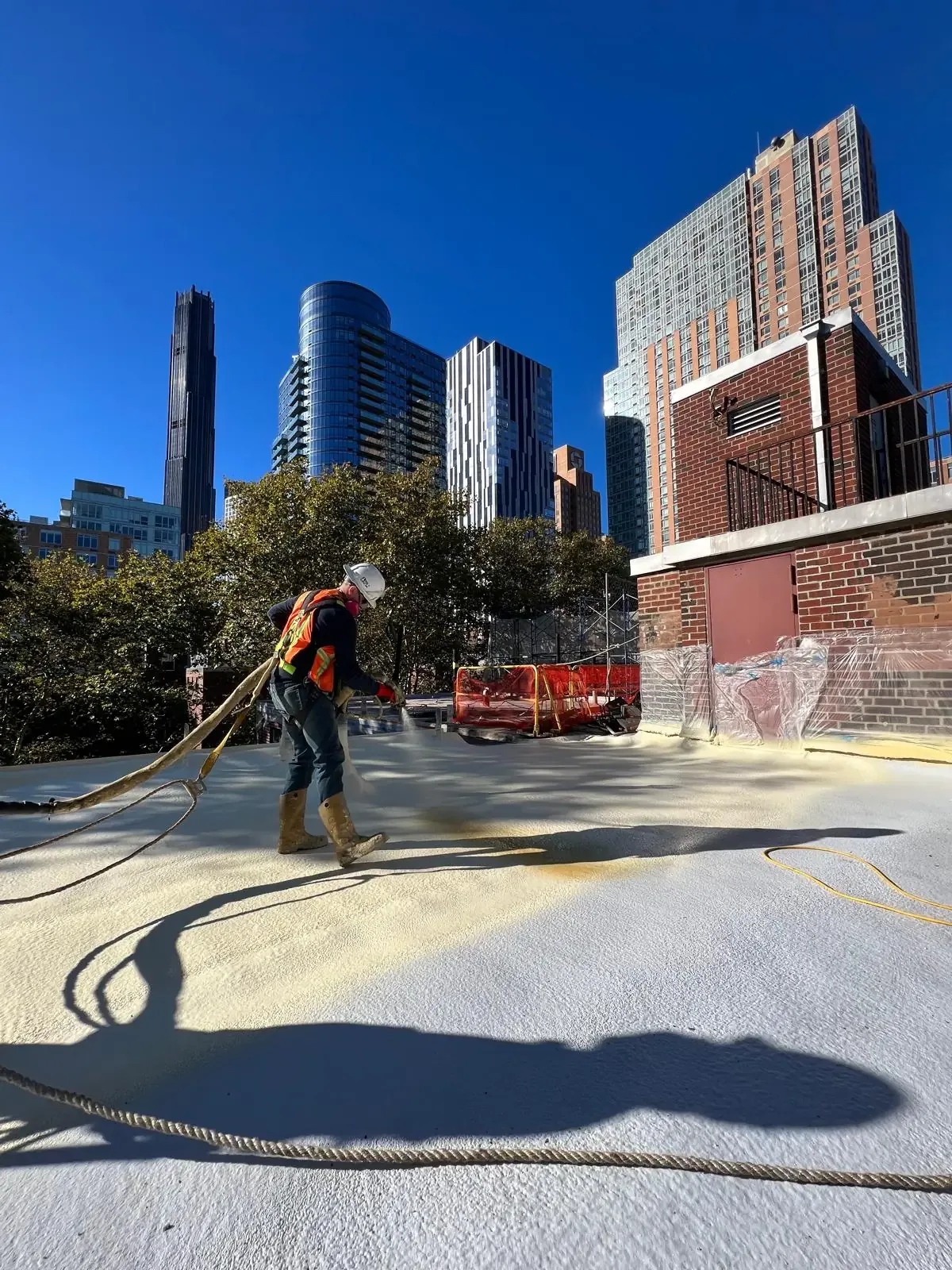
Richardson applies local amendments to its adopted 2021 building and energy codes. The selected scope and project details determine city review. Procurement rules, funding approval, and internal sign-offs are separate schedule items. We identify the permit path and document submittals before material delivery, then show the agency which decision is waiting on which approval. That keeps a roofing start date from depending on a procurement milestone that has not cleared.
Bid documents should show the same scope boundaries to every proposer: roof areas, access rules, work hours, staging, protection, and closeout deliverables. If quantities depend on a test cut, state where the investigation occurs and who approves additional tear-off. Public records may need a clear distinction between the original bid, approved change, and final quantity. We can provide photos and written field findings so staff have a record for the project file.
The estimate should list removal, insulation, membrane or metal system, flashing, edge metal, drainage, equipment coordination, interior protection, disposal, and closeout. State how the crew will price wet insulation or damaged deck discovered after tear-off. A repair scope can close an immediate leak while a capital replacement is reviewed separately. Do not blend emergency containment with a full project quantity if the agency is still comparing bids.
Plan for Weather and Public Operations
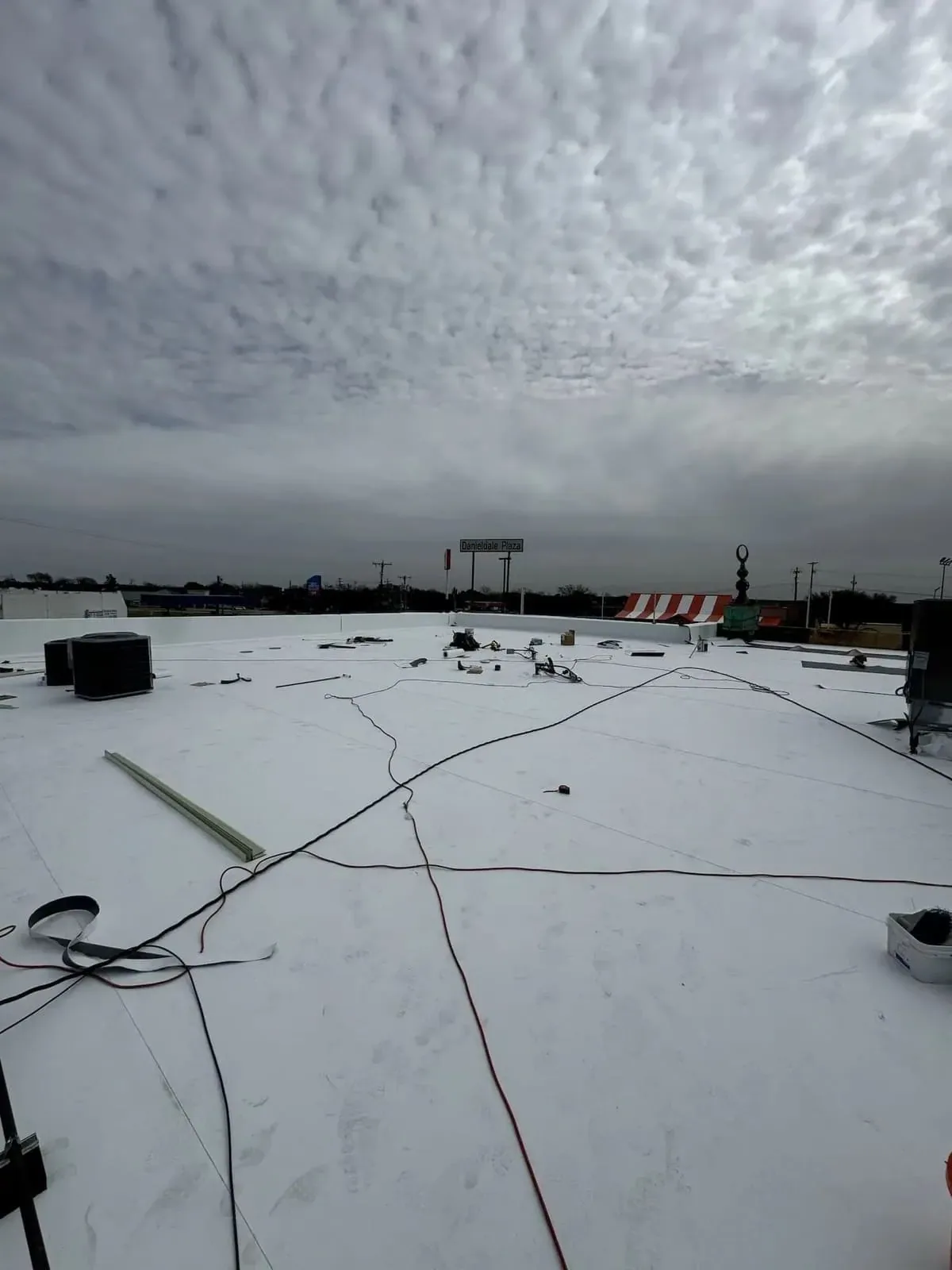
DFW spring is the strongest thunderstorm period, and Richardson's July and August mean daily highs top 95 degrees. The schedule should set weather thresholds, protected material storage, and a secure stop point for every shift. After a reported storm, inspect the property and record actual damage. A regional warning alone is not a condition report. The building contact needs a route to report water and restrict access to a room or entrance until facilities confirms it is safe. Review the communication path annually and after staff turnover. Keep the roof and interior incident logs together.
Before a storm season, confirm that emergency contacts still reach someone with authority to restrict an affected area. Keep temporary-protection supplies and access keys available through the facility team.
When public services cannot pause, phases should protect a continuous visitor route and identify an alternate entrance before work starts. We coordinate lift moves and debris handling away from high-traffic hours where possible. If a public meeting or event changes the building calendar, define who can change the roof schedule and how the contractor will be notified. A short written notice can identify the entrance affected, the expected reopening time, and the staff contact for questions.
Protect the Capital Record After Closeout
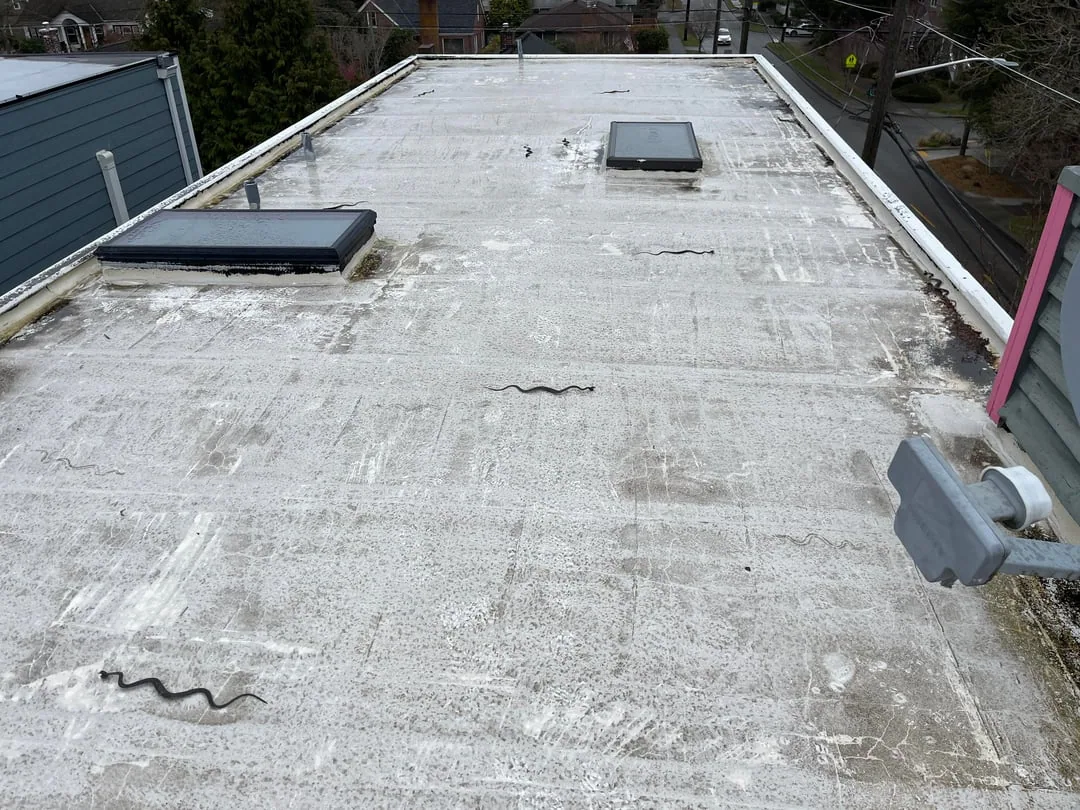
After repair or replacement, retain the roof plan, equipment locations, drain map, photos, material information, and any remaining concern. A maintenance inspection can review drains, perimeter details, penetrations, and prior repair lines. The agency can use that visit to decide whether a small item should be corrected now or budgeted for a later cycle. A condition record should state the date and findings, not use a broad label that hides what was inspected.
Set a named facilities contact for active leaks, site access, and daily decisions. If the assigned person is unavailable, the work plan should identify a backup with authority to protect the building or request a stop. That simple chain prevents crew questions from sitting unresolved while weather exposure grows. At turnover, leave the agency with an updated roof plan and contact details for the follow-up inspection.
Projects may share procurement staff or general contractors. A general contractor can help coordinate adjacent construction; an insurance restoration scope may be useful after a confirmed covered event. The agency still controls access, purchasing, and the building decision. Our work scope should state the roofing boundary and the coordination needed from other trades without making claims about funding eligibility or claim approval.
Related Roofing Work
Emergency Commercial Roof Repair
CORE District Downtown
Commercial Roof Inspection
Commercial Roof Repair
Questions About Public Agencies
What does a public agency need in a roof inspection report?
Include building and zone, observed condition, photographs, interior exposure, recommended work, limits of inspection, and next step. We can separate confirmed repairs from any testing needed before broader pricing.
How should an agency handle an active leak before bid approval?
Protect the room and public route, then arrange an inspection to locate the likely roof entry. We can quote temporary water control separately from permanent repairs so procurement can review each action.
Can roof replacement fit a public budget cycle?
A phased plan can identify the highest-risk zone, a secure transition, and the work that can wait. We document what changes the priority so finance can compare current protection with future capital work.
What should the bid state about hidden roof damage?
Name the allowance or unit process, who approves additional work, and what photos document the condition. The crew should stop at a safe boundary until the agency authorizes a change.
How do you keep a public building accessible during roofing?
We set lift, staging, visitor-route, and delivery limits with the building contact. If an entrance must close, the notice should identify an alternate route and the expected reopening time.
Get a Public Roof Scope Ready for Review
Share the building, procurement timeline, access instructions, and current roof reports. We will inspect the condition and prepare a defined repair or capital scope with approval steps.