
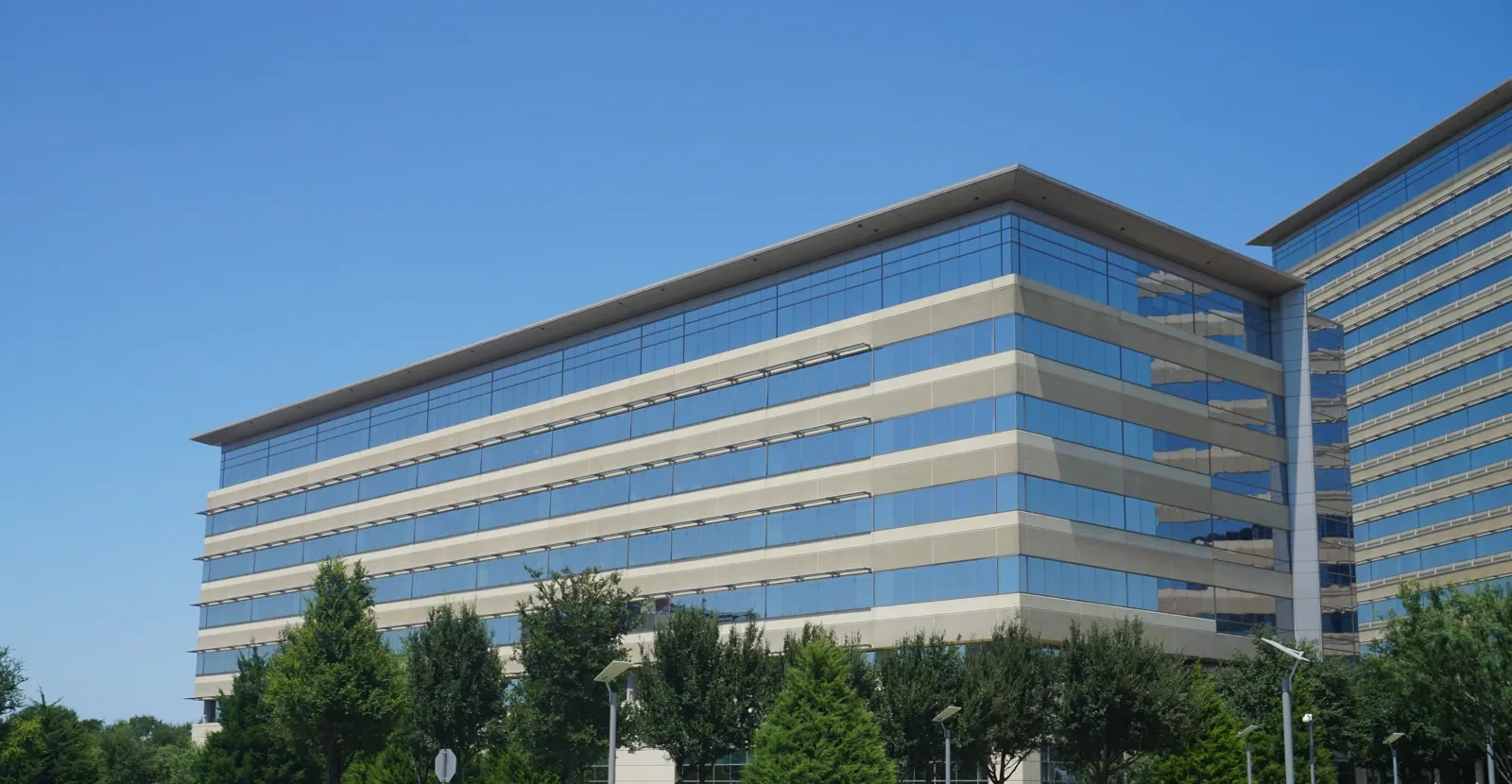
After a storm, an owner needs to protect the building and document what the roof inspection actually finds. A weather report does not establish damage, and temporary water control is not the same scope as permanent restoration. We inspect commercial roofs, record observed conditions, and prepare a repair or replacement estimate in Richardson, TX. The file identifies affected zones, photographs, quantities, and any concealed condition that needs approval.
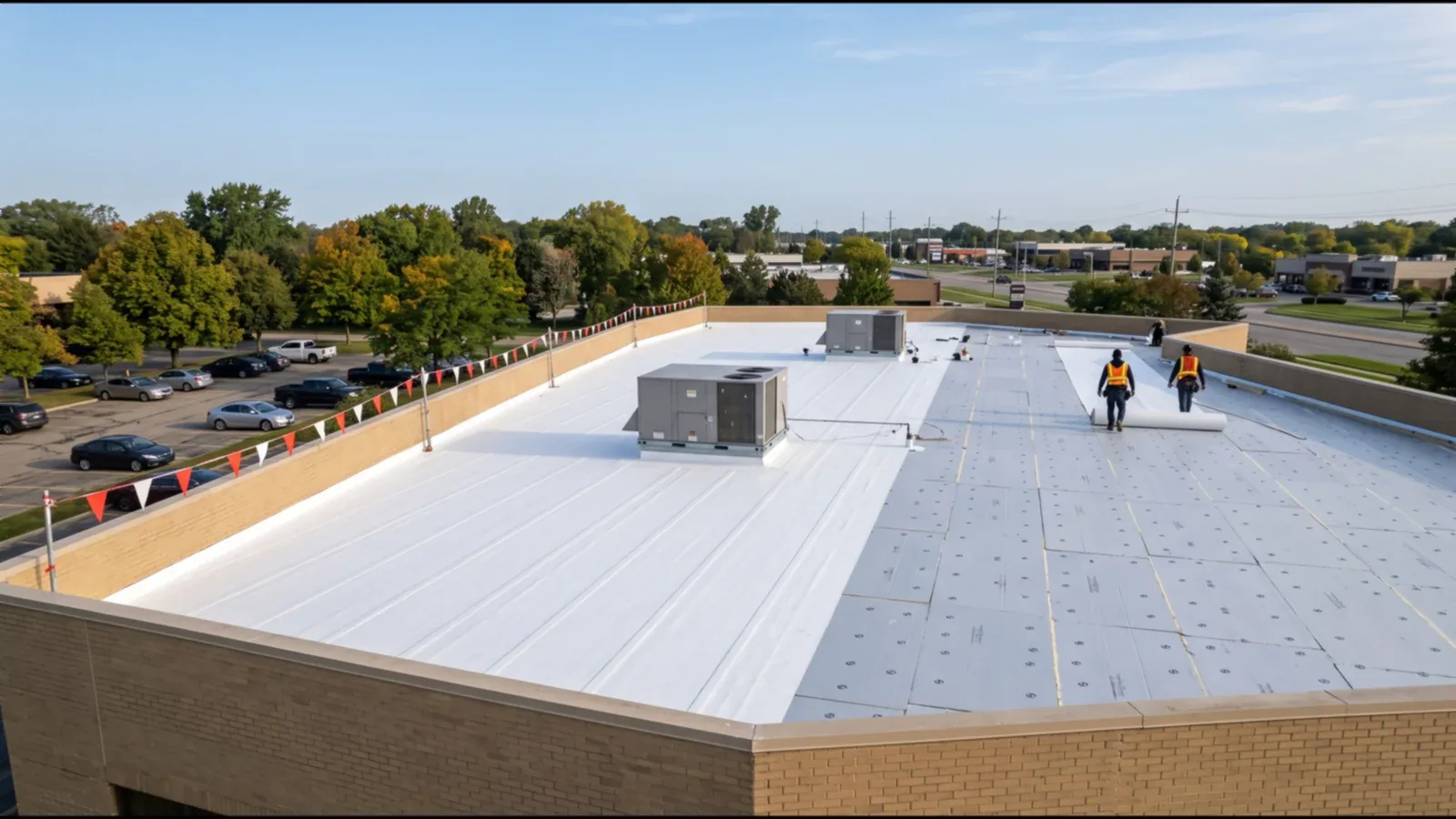
Request a Roof Assessment
All fields are required.
Commercial Roofing for Insurance Restoration in Richardson, TX
Get a Documented Roof Restoration Scope
Protect the Building Before the Permanent Scope
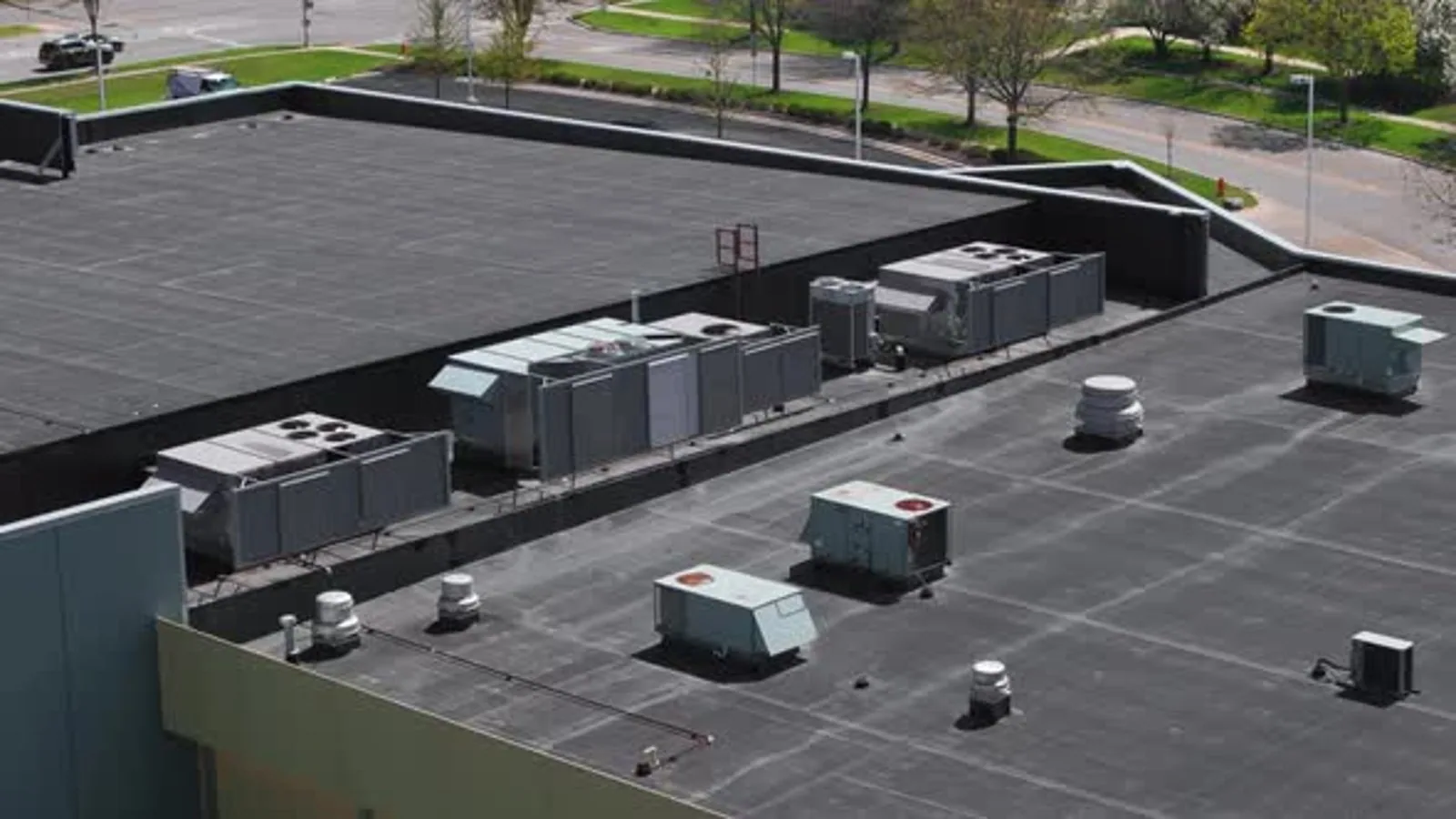
Start with active water, occupied rooms, equipment, inventory, and safe roof access. We identify temporary protection needed to control current exposure, then document what has to happen for a permanent repair. That may include a temporary cover, interior measures, or a limited flashing correction, depending on observed conditions. An emergency roof visit can record the immediate response separately so the owner can review mitigation and permanent work as distinct decisions.
Richardson's spring thunderstorm season can bring hail, wind, and intense rainfall to parts of DFW. After a reported event, we inspect the property for punctures, open seams, displaced metal, flashing failure, and water entry. We distinguish new impact from prior repair or maintenance where the evidence supports that distinction. A regional storm summary should not be copied into a property's claim file as proof of roof damage.
Create a Roof Record Others Can Review
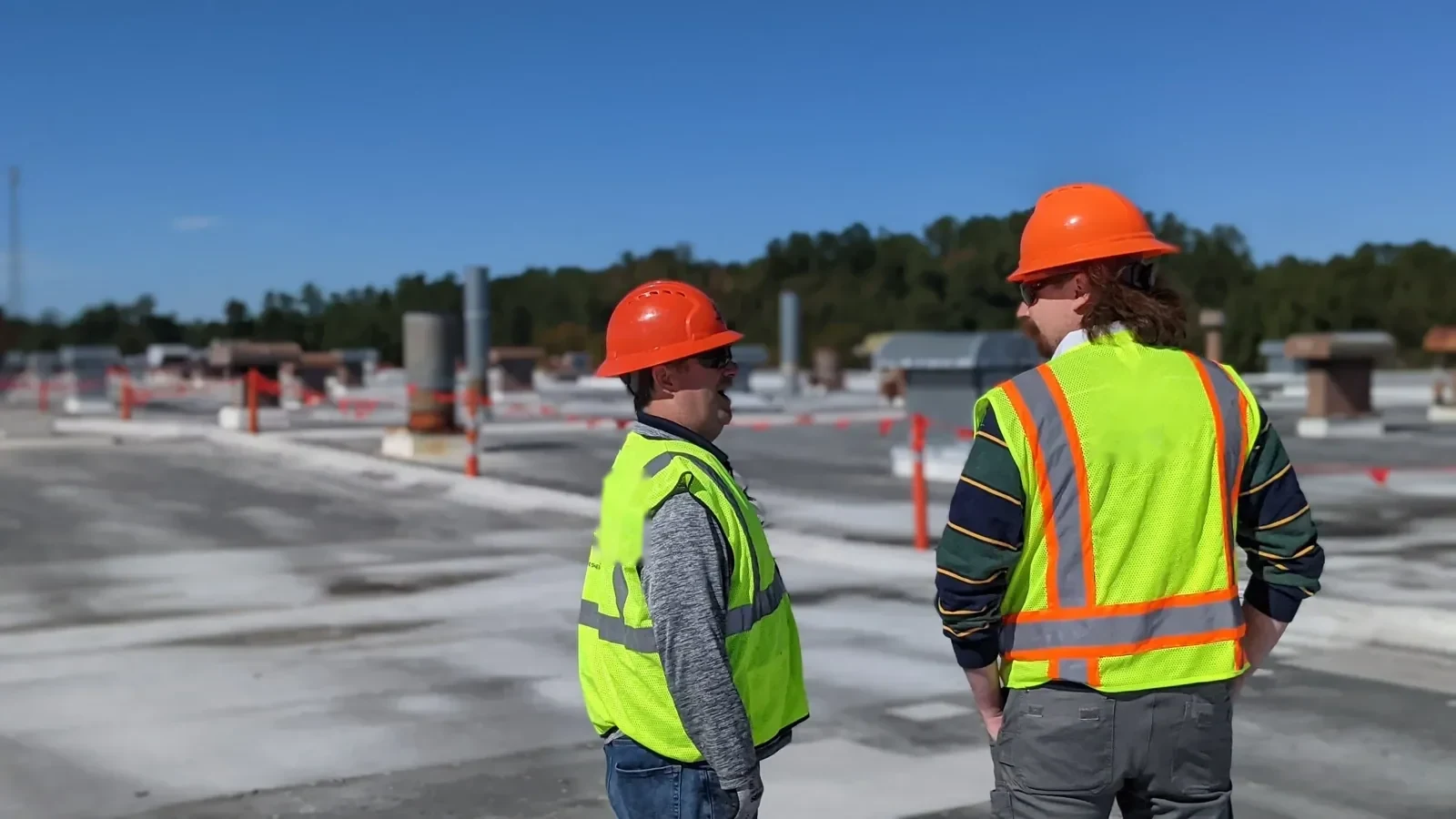
Photographs should show both the detail and where it sits on the roof. We label each image by building, roof zone, direction, and inspection date, then connect it to the repair quantity. The report notes whether the condition was visible, tested, or remains concealed. A roof condition inspection can map reported interior water to drains, seams, penetrations, and roof transitions. This gives the owner, adjuster, and restoration team a shared basis for discussing the scope.
When water appears after a storm, note the date and time, the room affected, recent maintenance, and whether water continued after temporary protection. Those observations help connect the interior report to roof conditions without making a cause determination beyond the inspection. Photos should include a close view and a wider view that locates the detail relative to a drain, curb, wall, or roof edge.
Richardson Innovation Quarter includes technology, manufacturing, education, and research uses, while CityLine combines office, medical, hotel, residential, retail, park, and civic activity. These are different commercial environments, not examples of specific storm losses. A CityLine property still requires its own inspection and dated evidence. Do not infer that a neighboring tenant or building experienced the same event or damage.
Separate Roof Damage from Existing Conditions
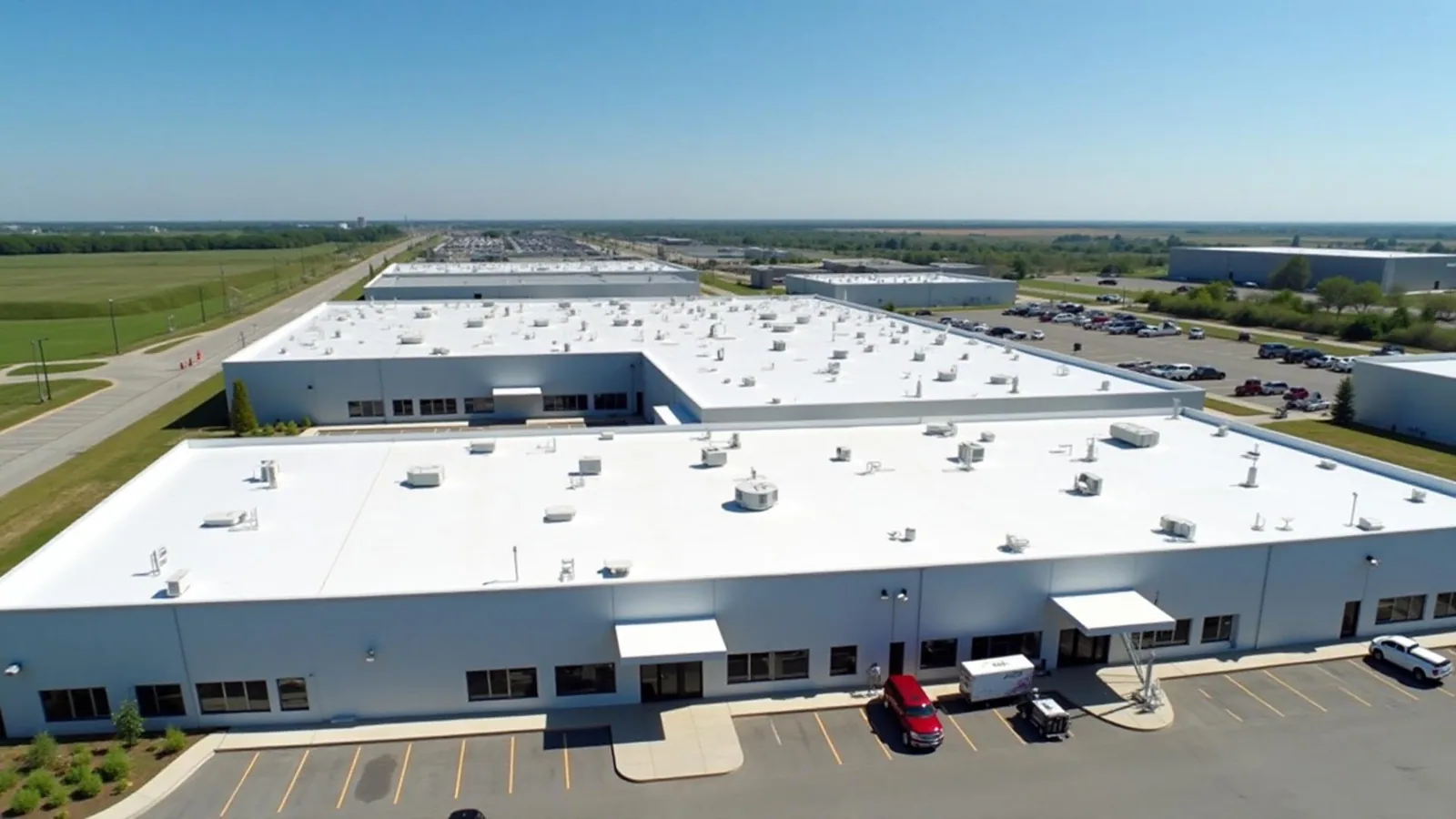
A restoration estimate should identify the observed damage, the repair boundary, and the material needed to return the roof to a serviceable condition. We also note existing deterioration or prior patches when they affect the work. If testing reveals wet insulation or deck damage, photograph and measure it before extending removal. A repair scope may address a localized defect; broader moisture or repeated failures may call for a separately priced replacement phase.
Measurements should identify the actual quantity of damaged membrane or metal where it can be confirmed. If matching material is no longer available or adjacent layers are compromised, explain the practical effect on the repair area. We can list alternate approaches and their limits, such as extending removal to sound material or scheduling a broader phase. The owner can then review a defined restoration scope without treating an uncertain quantity as a confirmed loss.
For the owner, separate roofing work from interior finishes, equipment, and other trades unless those items are specifically included. Identify temporary protection, debris disposal, edge details, drainage, and closeout. The estimate should make clear whether quantities are measured or provisional. That allows the reviewer to see which items are supported by inspection and which still need field confirmation.
Coordinate the File with Restoration Work
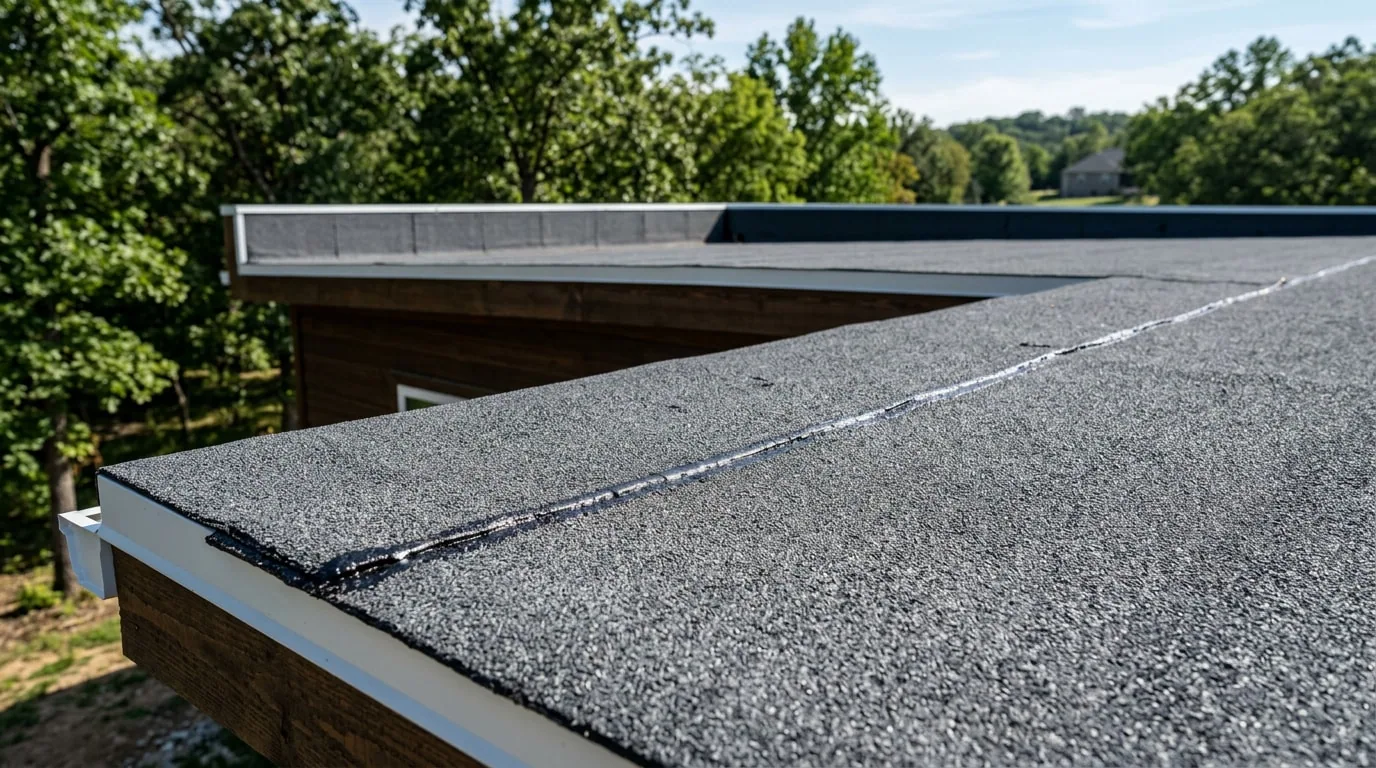
Restoration teams may remove wet ceilings, dry interior materials, or move equipment while the roof is being repaired. Sequence those tasks so interior evidence is recorded before finishes are replaced, and do not leave an open roof while another trade waits on access. A property management team can coordinate tenants and building access. A public agency may also have procurement or records steps that affect the schedule. The building owner controls those requirements, and the roofing estimate should show its own scope.
Agree on access before the adjuster, restoration crew, and roofer arrive. Roof hatches, keys, escorts, and tenant notice can affect whether the condition is documented in one visit. Keep the roof area safe and avoid moving debris or wet material until the appropriate parties have recorded it. After documentation, coordinate disposal and weather protection so the building is not left exposed while claim review continues.
Richardson applies local amendments to its adopted 2021 building and energy-code editions. The permit review depends on the selected repair or replacement scope. We confirm applicable requirements before ordering materials and identify submittals the restoration team needs. If a recover is considered, confirm existing layers, moisture, attachment, drainage height, and compatibility rather than treating it as a default alternative.
Close with Photos, Quantities and Next Steps
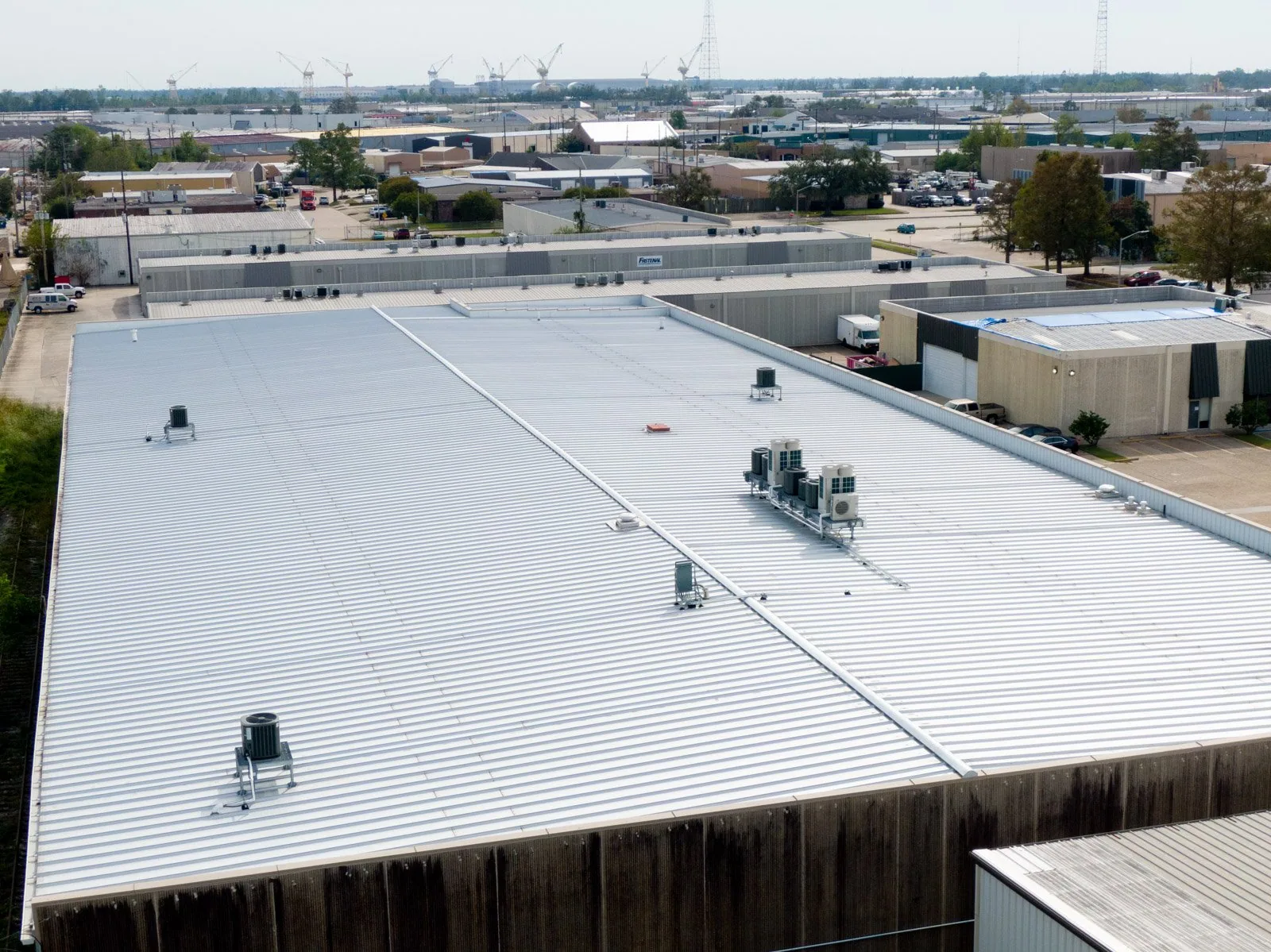
At completion, provide dated photos of the repaired area, materials installed, transition details, and any area not included. Note temporary measures removed or left in place and list follow-up recommendations. A condition report can keep the roof plan connected to the closeout record. If a storm damaged a single zone, keep that evidence separate from maintenance findings in other parts of the building. Record those limits in the handoff sent to ownership and facilities. Keep a copy with the claim documentation.
For a phased repair, label what remains untouched and state whether temporary protection is still required there. A final walk can confirm transitions are secure and drains are clear. The owner should know which items are complete, which require a later visit, and who will schedule that follow-up.
Richardson's July and August average daily highs exceed 95 degrees, so exposed repair details and sealants need review as the roof returns to service. A maintenance inspection can revisit the repaired zone, drains, and adjacent transitions. For larger work, a replacement estimate can show phasing and cost drivers separate from the immediate restoration scope. The record should leave no confusion about work completed, open recommendations, and who owns the next decision.
Related Roofing Work
Emergency Commercial Roof Repair
Commercial Roof Inspection
CityLine
Commercial Roof Repair
Questions About Insurance Restoration
Does a regional storm report prove my roof was damaged?
No. It can prompt an inspection, but the property needs its own evidence. We document the roof conditions we observe and distinguish them from prior repairs or unrelated deterioration where possible.
Should temporary protection and roof repair be priced together?
List them as related but distinct work. The owner can see the immediate measure, permanent correction, and any remaining condition that needs a separate decision.
What should an adjuster receive from a roof inspection?
Provide dated photos, roof-zone labels, observed damage, measured quantities, repair method, and any concealed condition. We state what was visible and what requires testing rather than guessing.
Can you separate storm damage from existing roof wear?
We record observable damage and prior conditions by area. Where timing or cause cannot be confirmed from inspection, the report should leave that distinction open rather than overstate it.
When does restoration work become a replacement project?
Consider a separate replacement estimate when inspection finds broad moisture, repeated failures, compromised attachment, or a repair area that cannot close reliably. We document the findings and phase options for review.
Get a Documented Roof Restoration Scope
Send the building, storm or leak report, inspection deadline, and access rules. We will document the roof conditions and prepare a measured repair scope for owner review.